Neil Simpson, 61, was sentenced to eight years in prison with a non-parole period of five years and four months after authorities intercepted 15 parcels containing 101 native Australian reptiles. The animals — including shinglebacks, western blue-tongue lizards, bearded dragons and pygmy spiny-tailed skinks — were hidden in calico bags concealed inside popcorn bags, biscuit tins and a handbag. Parcels sent between 2018 and 2023 were bound for Hong Kong, South Korea, Sri Lanka and Romania. New South Wales officials said the conviction highlights the serious harm caused by the illegal wildlife trade.
Sydney Man Jailed for Mailing 101 Native Reptiles Hidden in Popcorn Bags — Record Eight-Year Sentence
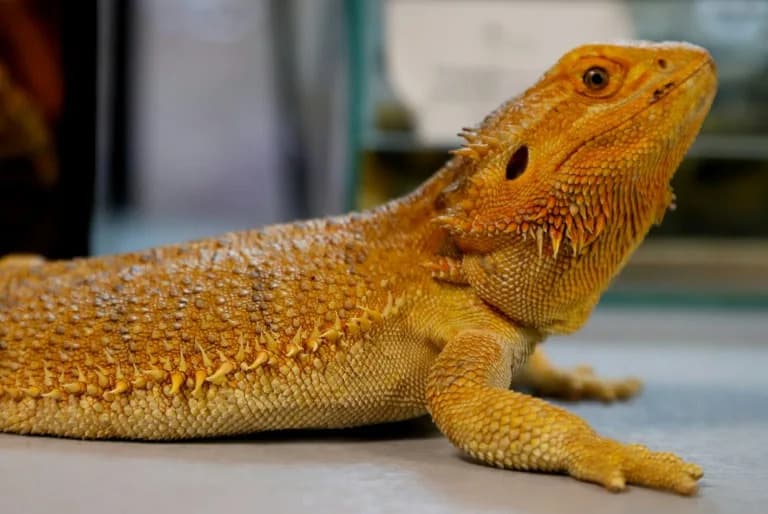
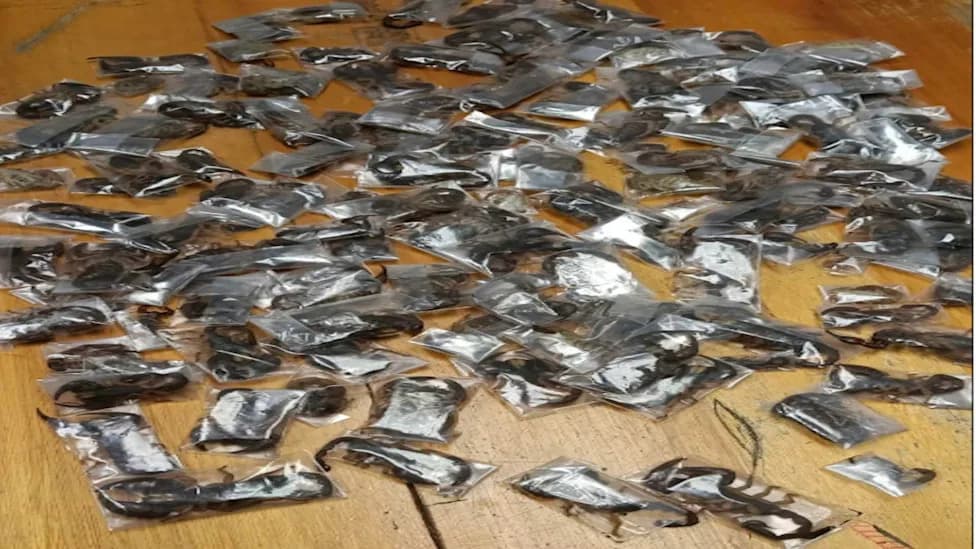
Investigators recovered 101 Australian reptiles from parcels destined for Hong Kong, South Korea, Sri Lanka and Romania (FRANCOIS GUILLOT)(FRANCOIS GUILLOT/AFP/AFP)
A Sydney man has been sentenced to eight years in prison after attempting to smuggle 101 native Australian reptiles overseas by concealing them in popcorn bags, biscuit tins and a handbag, authorities said.
The district court in Sydney imposed the eight-year term on Friday — a record sentence for wildlife smuggling — and set a non-parole period of five years and four months for 61-year-old Neil Simpson, federal environment officials said.
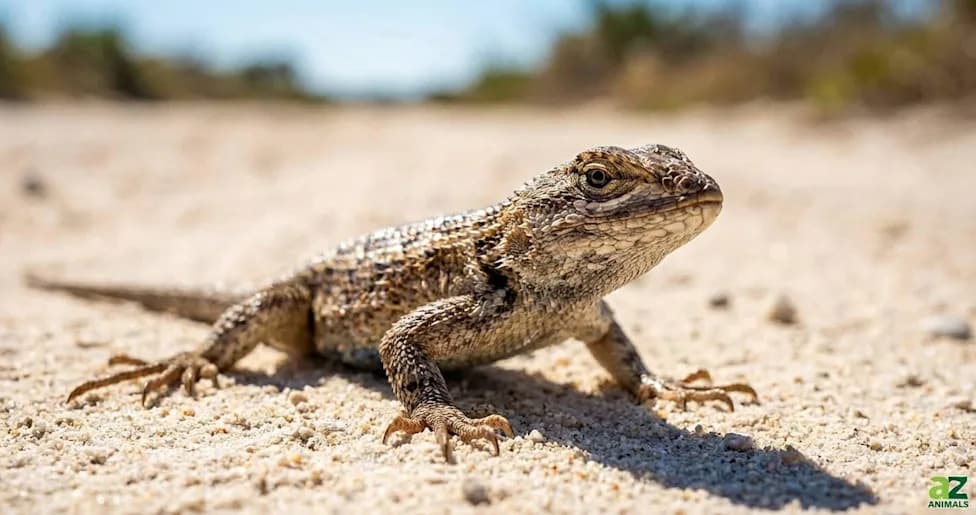
Investigators intercepted 15 parcels sent between 2018 and 2023 that were destined for Hong Kong, South Korea, Sri Lanka and Romania. The parcels contained 101 reptiles, including shingleback lizards, western blue-tongue lizards, bearded dragons and southern pygmy spiny-tailed skinks.
Officials said the animals were secured in calico bags, which were then hidden inside bags of popcorn, biscuit tins and a woman's handbag before being packed into cardboard boxes. Simpson also attempted to recruit others to post the parcels on his behalf but was identified by government investigators and the New South Wales Police.
Three other people have been convicted for their roles in the scheme.
'The illegal wildlife trade is not a victimless crime,' the New South Wales Government's environment department said, warning it harms conservation and strips the state 'and Australia of its unique biodiversity.'
Federal environment officials described the sentence as a landmark ruling intended to deter wildlife traffickers and protect the nation's unique native species.
Help us improve.