European leaders including Emmanuel Macron and Germany’s Friedrich Merz are exploring the idea of a shared European nuclear umbrella amid doubts about US commitment under President Donald Trump. France retains a wholly independent nuclear arsenal, while Britain’s Trident program is launch-capable but relies on US cooperation for support. The US still stations over 100 tactical gravity bombs in Europe, while Russia is believed to possess thousands of tactical warheads, leaving a regional imbalance. Experts say building an independent European tactical capability is technically feasible but would require major funding, expertise and political agreement.
How Europe Could Build Its Own Deterrent: The Case for Small Nuclear Weapons
The vast majority of the warheads at the West’s disposal are controlled by the United States
Europe is again debating the contours of its nuclear protection. NATO secretary-general Jens Stoltenberg has urged greater transparency about the alliance's nuclear posture, while concerns over the United States' long-term commitment—accentuated by the presidency of Donald Trump—have prompted renewed discussions in Europe about bolstering an independent deterrent.
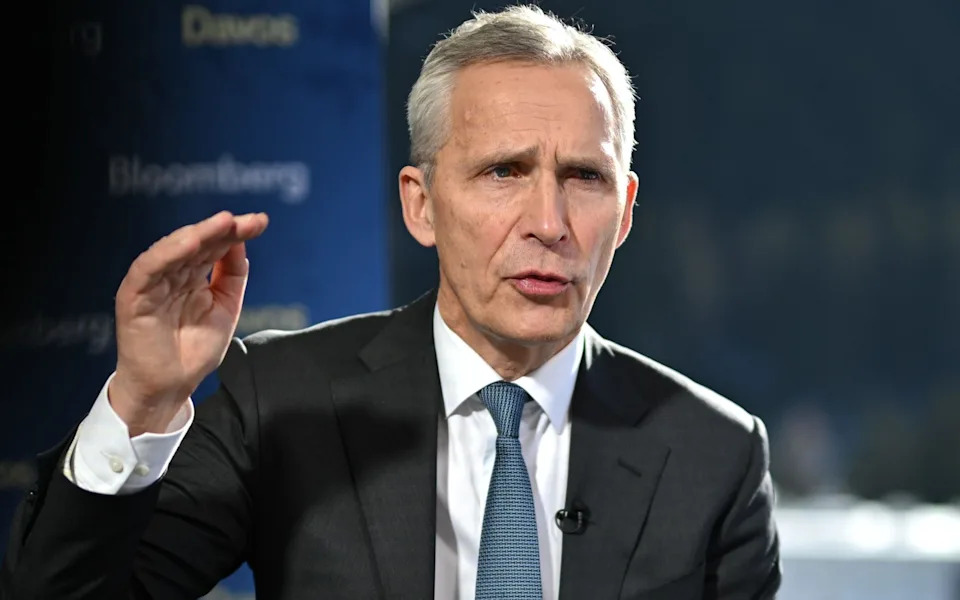
Jens Stoltenberg has warned of the need for Nato to be more transparent about its nuclear arsenal - Chris J. Ratcliffe/Bloomberg
Who Is Talking About a European Nuclear Umbrella?
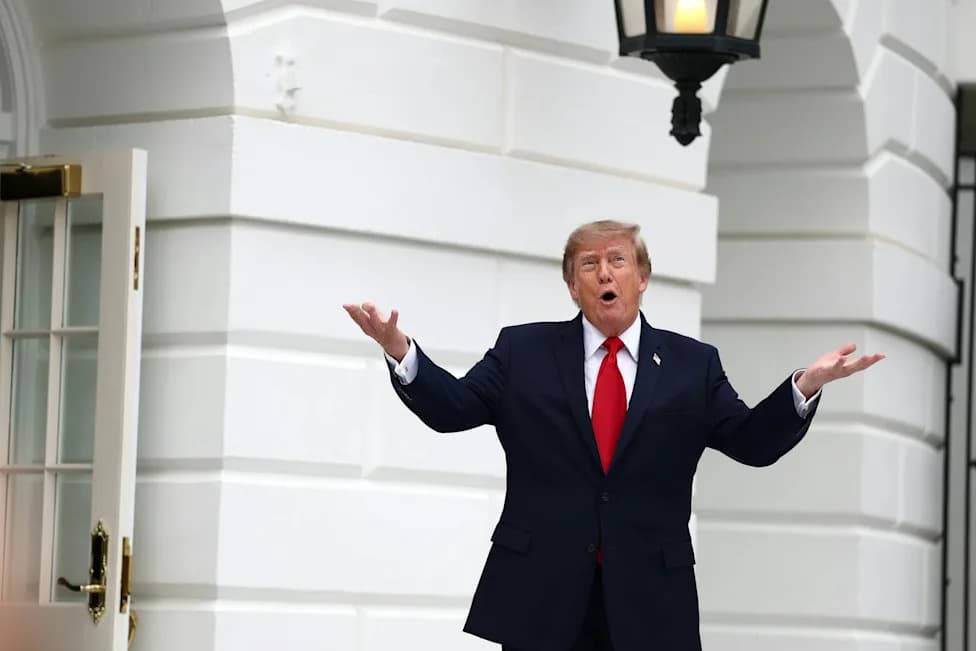
French President Emmanuel Macron and German politician Friedrich Merz have discussed options for an independent European nuclear umbrella. Leaders in Sweden, Poland and Latvia have also indicated interest in formats that would share protection as the US reassesses its military footprint in Europe.
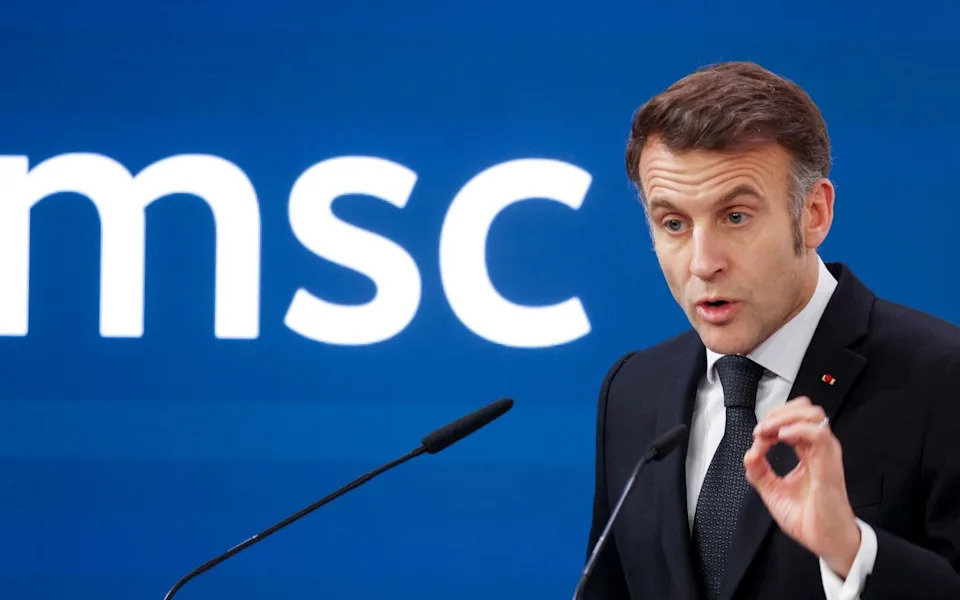
Emmanuel Macron is keen to open a debate over the circumstances in which he could use France’s nuclear weapons - Alex Kraus/Bloomberg
Why The Debate Has Resurfaced
Moscow knows that most NATO warheads are US-controlled, and some European governments fear Washington's political will to defend the continent may not be constant. That perception has revived interest in a European solution that would reduce dependence on the US strategic arsenal.
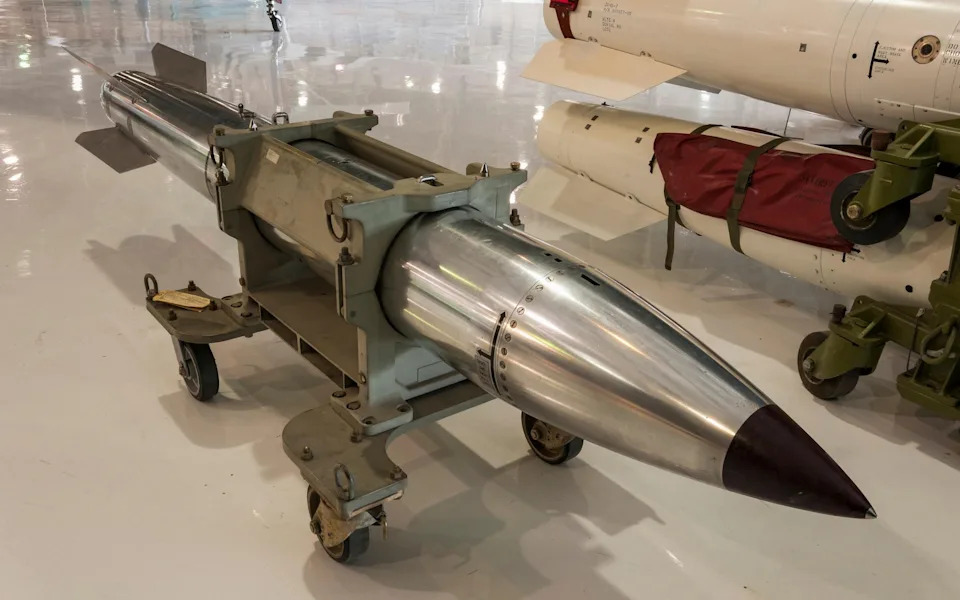
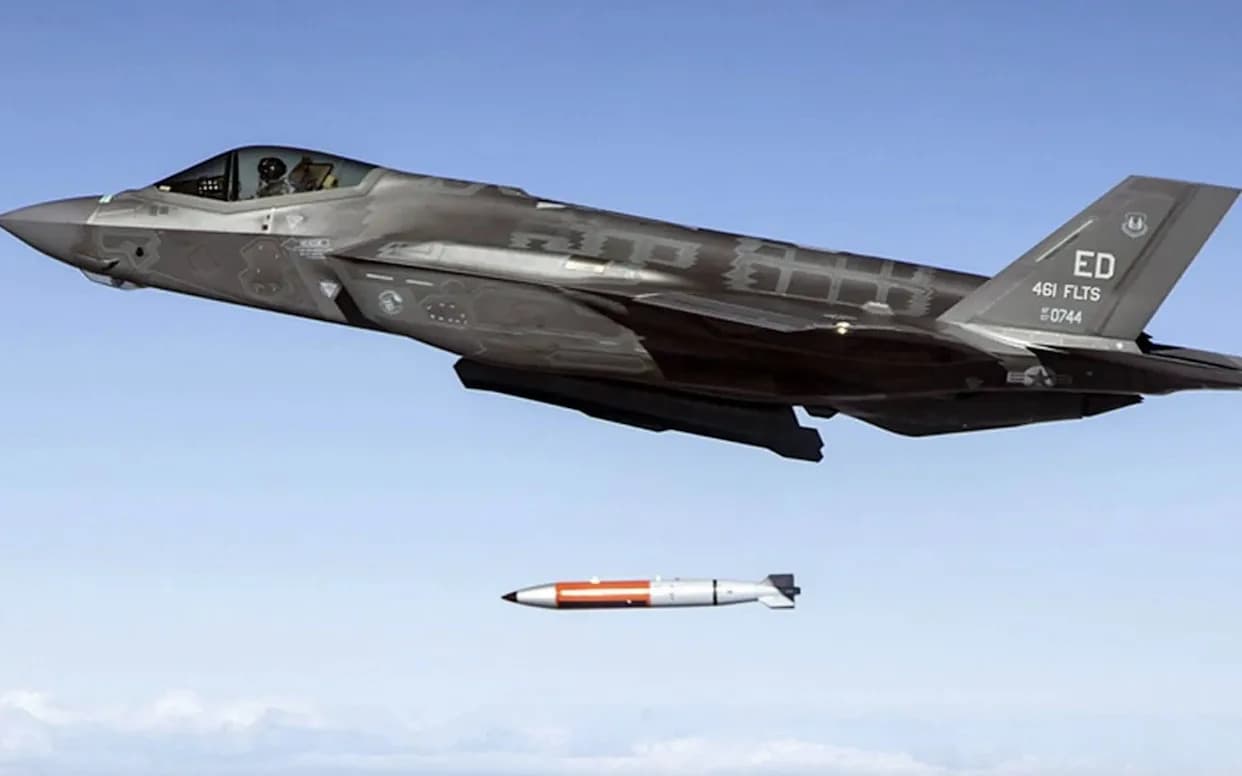
B-61 thermonuclear bombs are designed to target specific areas such as an enemy airfield or an advancing army - Dan Leeth/Alamy Stock Photo
“I think it makes complete sense, and especially when people talk about it, because that’s half of the deterrence,” said Hamish de Bretton-Gordon, former commander of the UK Joint Chemical, Biological, Radiological and Nuclear Regiment.
Current Capabilities And Imbalances
Europe already hosts two independent nuclear powers: France and the United Kingdom. France maintains a fully independent nuclear deterrent reserved for national defence. The UK’s Trident ballistic-missile system can be launched by the British government but depends on US cooperation for construction, maintenance and upgrades.
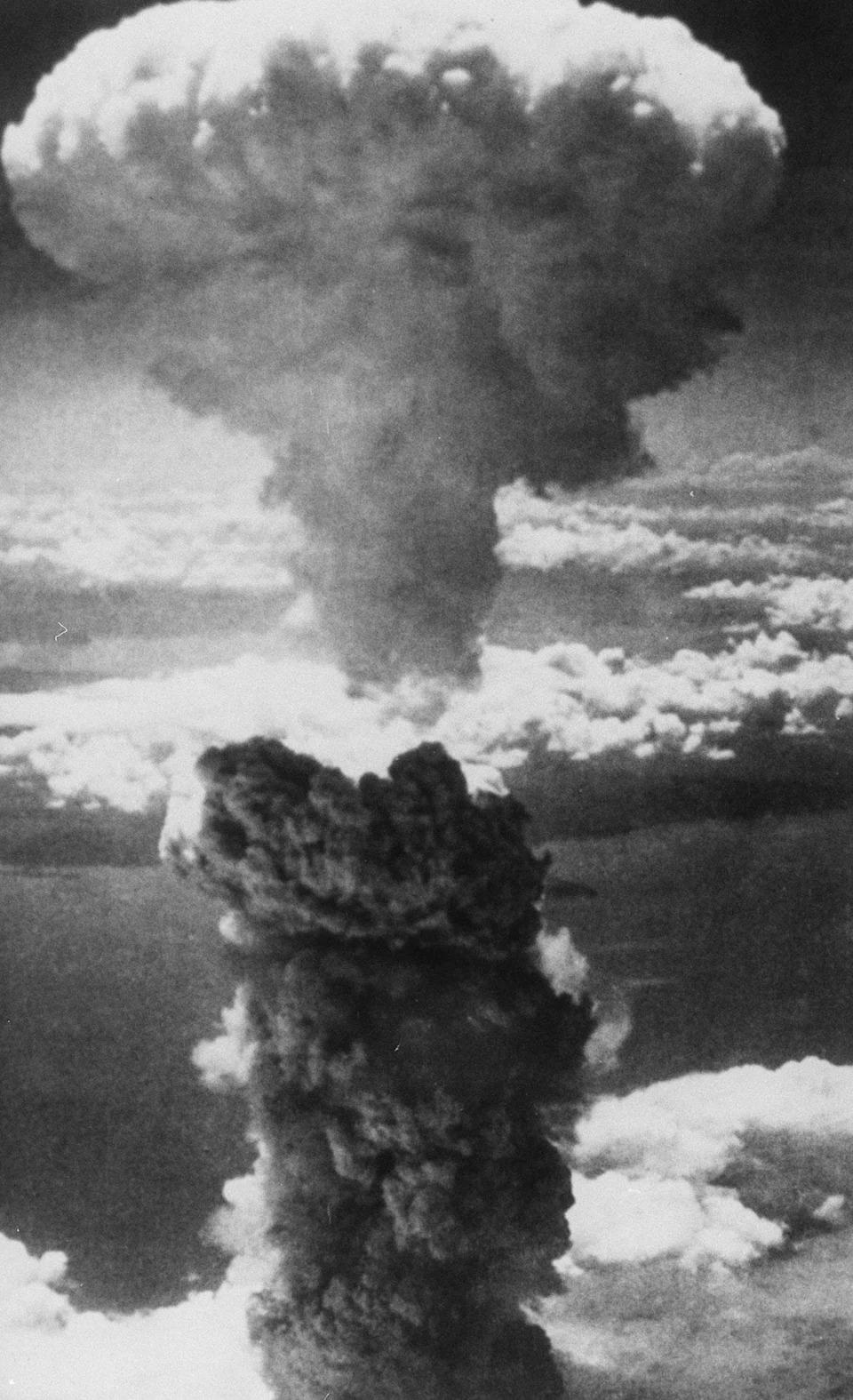
Unlike strategic weapons, such as the one that destroyed Hiroshima, tactical bombs are designed for more targeted strikes - PA
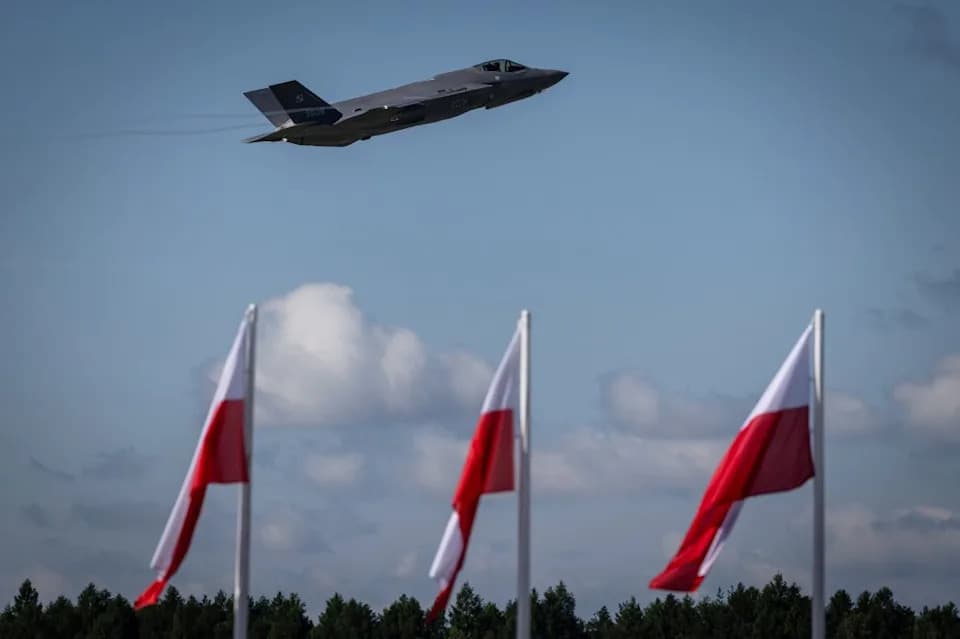
The United States retains a tactical presence in Europe: more than 100 gravity-delivered tactical nuclear bombs (B61-style) have been reported as deployed across allied bases and can be delivered by jets from Belgium, Germany, Greece, Italy, the Netherlands and Turkey. The UK is also acquiring F-35 aircraft with planned nuclear-capable configurations to ensure a delivery option for NATO weapons.

Hamish de Bretton-Gordon says that bombs launched from F-35 fighters would go undetected by Russian defence systems - John Lawrence
By contrast, Russia is widely believed to keep thousands of tactical nuclear weapons, creating a pronounced imbalance at the regional level that some experts say leaves Europe vulnerable if US support were to weaken.
What Would a European Tactical Arsenal Involve?
Building a genuinely independent European tactical force would be technically and politically complex. It would require funding, specialized warhead expertise, delivery systems and command-and-control arrangements that avoid escalation risks and comply with international obligations.
Experts and defence sources have proposed a few delivery options: mating a nuclear warhead to a cruise missile such as Storm Shadow, or retaining gravity-dropped bombs delivered by stealth fighters like the F-35. Any such system would need low-altitude terrain-following flight to evade radar and resilience to electronic jamming and cyber threats.
Costs, Politics And The Way Forward
Proponents argue a modest tactical capability could be a relatively cost-effective complement to conventional forces and would restore a regional balance of deterrence. Critics point to legal, ethical and proliferation concerns, high costs, and the political difficulty of coordinating nuclear policy across multiple European capitals.
For the moment, Washington is signalling that Europe should strengthen its conventional defences while the US strategic nuclear umbrella remains the ultimate guarantor. Whether European governments will commit the resources and political capital to pursue an independent tactical deterrent remains an open question.
Help us improve.