The CBS News California investigation found the state Legislature failed to act on roughly three out of four audit recommendations directed at lawmakers, leaving more than 300 statutory fixes unresolved. Agencies tend to comply at much higher rates—roughly 75% and over 80% by some measures—thanks to required public explanations. Special annual reports that once centralized outstanding legislative recommendations ended in 2022 after a change in auditors, and the auditor’s upgraded website does not offer a focused search for recommendations to the Legislature. CBS News California created a Legislative Audit Accountability Tracker to compile a decade of recommendations and track which bills stalled, passed, were vetoed or remain unresolved.
California Lawmakers Quietly Killed Audit-Backed Bills, Leaving 300+ Fixes Unaddressed
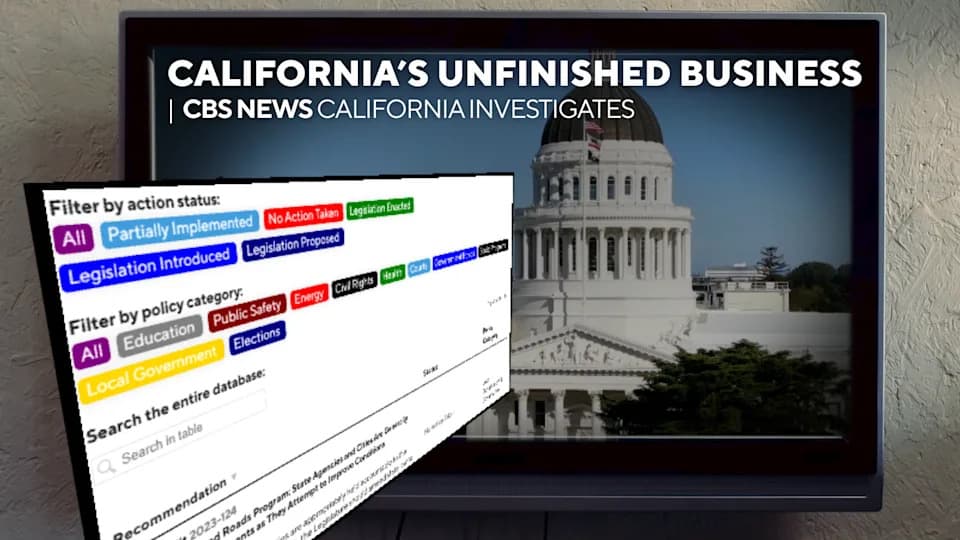
CLICK TO EXPLORE: California Lawmaker Audit Accountability Tracker
For decades, California lawmakers asked for state audits funded by taxpayers. Those audits produced detailed recommendations to fix waste, fraud and oversight failures across state government—but in many cases lawmakers did not act.
What the investigation found
A CBS News California review found the Legislature failed to enact roughly three out of every four audit recommendations directed specifically at lawmakers, leaving more than 300 statutory fixes unresolved. When bills were introduced, party leaders sometimes blocked them in committee or placed them on the suspense file without a public vote, and Gov. Gavin Newsom vetoed at least a dozen audit-related bills during his first term.
How audits are supposed to work
Under the Omnibus Audit Accountability Act of 2006, the State Auditor must identify agency recommendations not implemented after one year. Agencies are required to publicly explain why they have not acted or when they intend to comply. That public accountability has helped agencies implement recommendations at a much higher rate than the Legislature; audits directed at agencies are implemented roughly three out of every four times, and some measures of agency compliance exceed 80%.
Why legislative fixes stalled
A closer review of legislative records shows several reasons audit-backed reforms failed to become law: internal political disagreements, resistance from state agencies, quiet holds in committee or on the suspense file, and gubernatorial vetoes. More than 60 bills based on audit findings were drafted or introduced and later died; at least a dozen passed both houses only to be vetoed.
Change In Reporting And Tone
Former State Auditor Elaine Howle voluntarily produced annual reports that summarized unresolved recommendations directed at the Legislature—listing each recommendation, the responsible policy committee and the status of any related bills. That reporting stopped in 2022 after Howle retired and Gov. Newsom appointed Grant Parks as State Auditor.
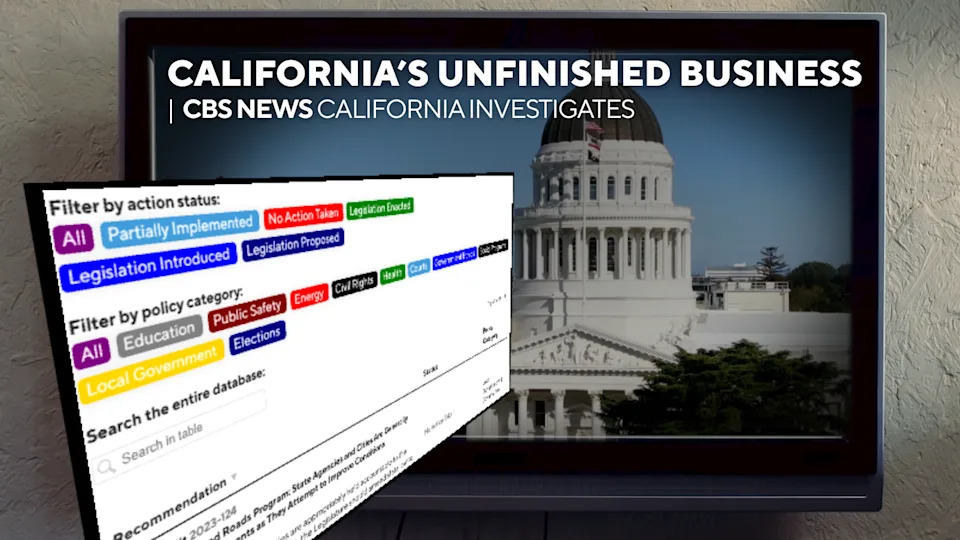
CLICK TO EXPLORE: California Lawmaker Audit Accountability Tracker
At his first Joint Legislative Audit Committee hearing, Parks emphasized a less adversarial approach, stressing a "balanced tone" and cooperation with the Administration. The auditor's office later said it discontinued the special legislative reports to "optimize the use of auditor resources" and upgraded its website in January 2024. However, the new site lacks a dedicated search for "Recommendations to the Legislature," making it hard for lawmakers and the public to see the full scope of unfinished legislative recommendations without manually reviewing hundreds of audit reports.
The Audit Accountability Tracker
To fill that gap, CBS News California scraped public records and compiled the Legislative Audit Accountability Tracker, a database focused specifically on recommendations directed at elected lawmakers. The tracker covers roughly a decade of recommendations and shows which ideas led to bills, which stalled, which passed, which were vetoed and which remain unresolved.
What lawmakers say and next steps
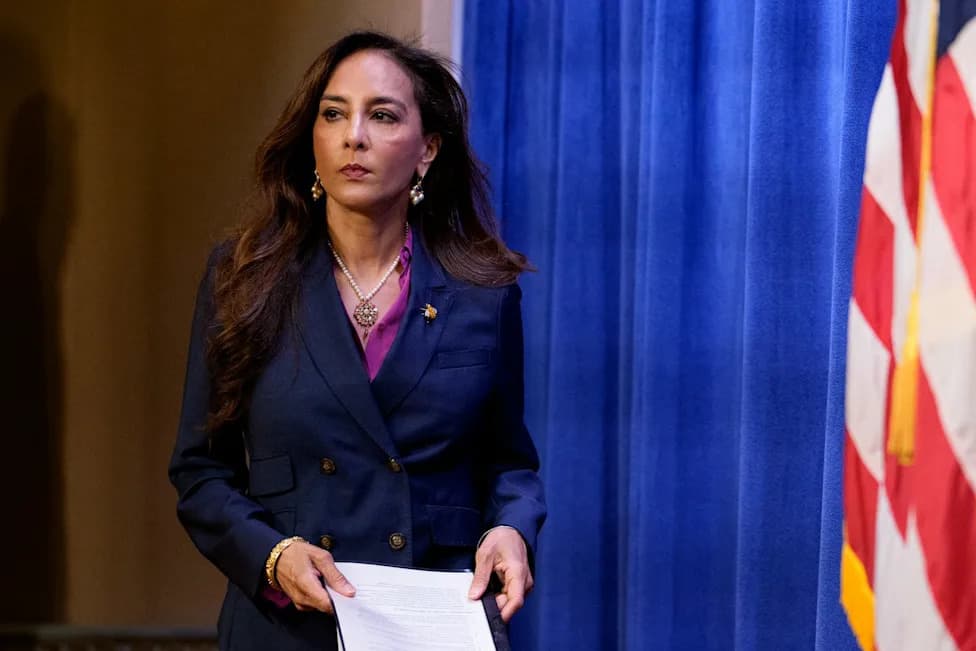
Nearly half of the current Legislature is new this session. Legislative Audit Chair Assemblymember John Harabedian called the findings a "wake-up call" and said he plans to work across committees and party lines to address the backlog. Republican Senate Minority Leader Brian Jones called the numbers "ridiculous" and emphasized that the audit process is nonpartisan. Both leaders signaled bipartisan interest in tackling outstanding recommendations this session.
Why it matters
Audits identify concrete statutory fixes to reduce waste, improve oversight and protect public funds. When lawmakers fail to act on those recommendations, identified problems can persist for years. The new tracker aims to restore a centralized accountability framework so both legislators and the public can monitor progress and pressure leaders to implement long-pending solutions.
CBS News California will continue tracking whether lawmakers convert audit recommendations into law.
Help us improve.