Poland's president Karol Nawrocki has advocated beginning work on nuclear weapons—saying any development should respect international regulations—as a deterrent against Russia. European leaders at the Munich Security Conference signalled renewed interest in a European nuclear deterrent, with France and Germany holding talks. The debate is framed by concerns over Russian missile deployments near EU borders and fraying transatlantic ties.
Poland Considers Nuclear Program: President Urges Start of Deterrent Effort
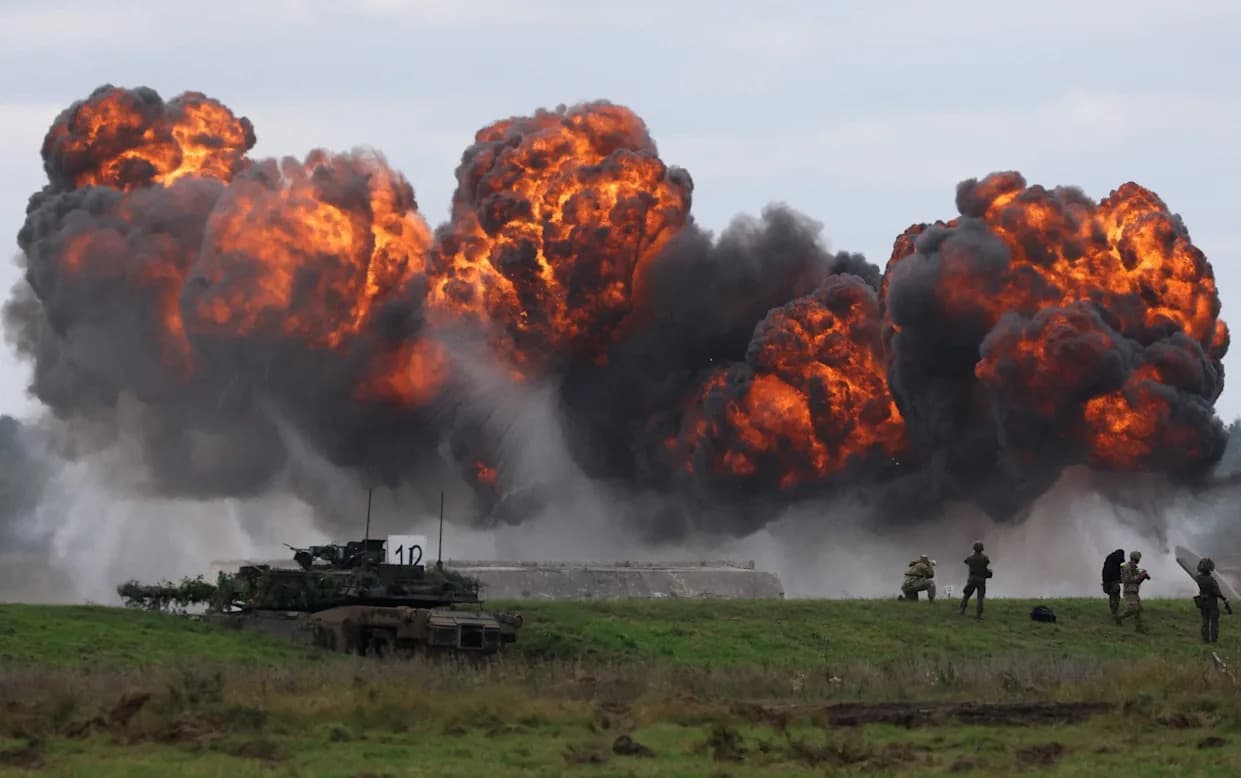
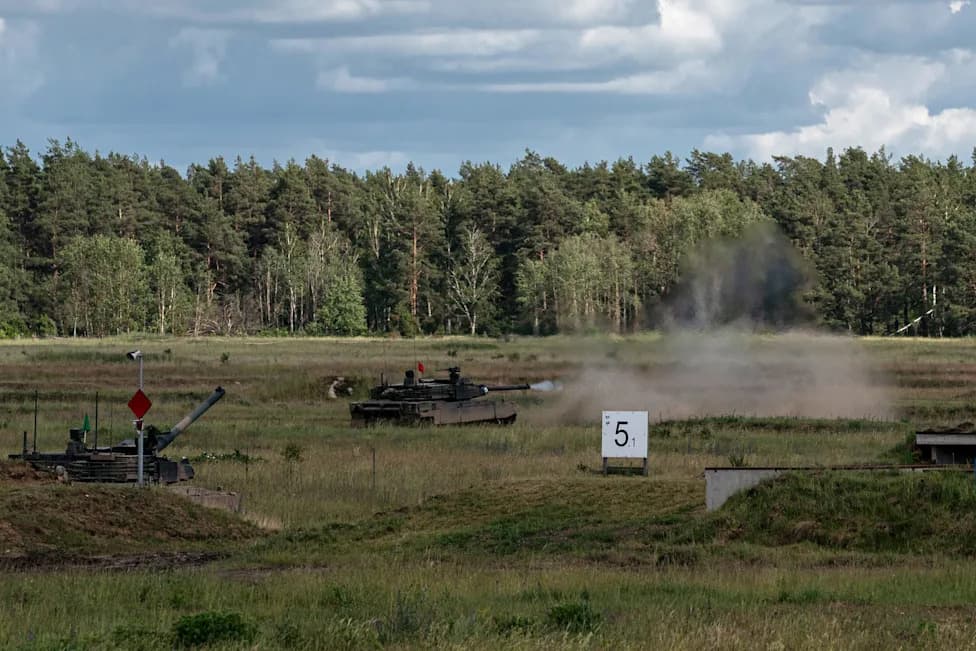
Nato soldiers hold military exercises near Orzysz, Poland. The Polish president says he is ‘a great supporter of joining the nuclear project’ - REUTERS/Kacper Pempel/File Photo
Poland's president, Karol Nawrocki, has publicly urged the country to begin developing nuclear weapons as a means of deterring Russia, saying any move should respect international law. Nawrocki, who the article says was elected last year, told Polsat television that he is a "great supporter of Poland joining the nuclear project" and that such a step could form a central pillar of the nation's security strategy.
What He Said
This path, with respect for all international regulations, is the path we should take. We must work towards this goal so that we can begin the work. We are a country right on the border of an armed conflict. The aggressive, imperial attitude of Russia towards Poland is well known.
His comments come as several European governments debate whether to develop an independent nuclear posture amid rising concerns about Moscow and a cooling relationship with the United States, long viewed as Europe’s primary nuclear guarantor.
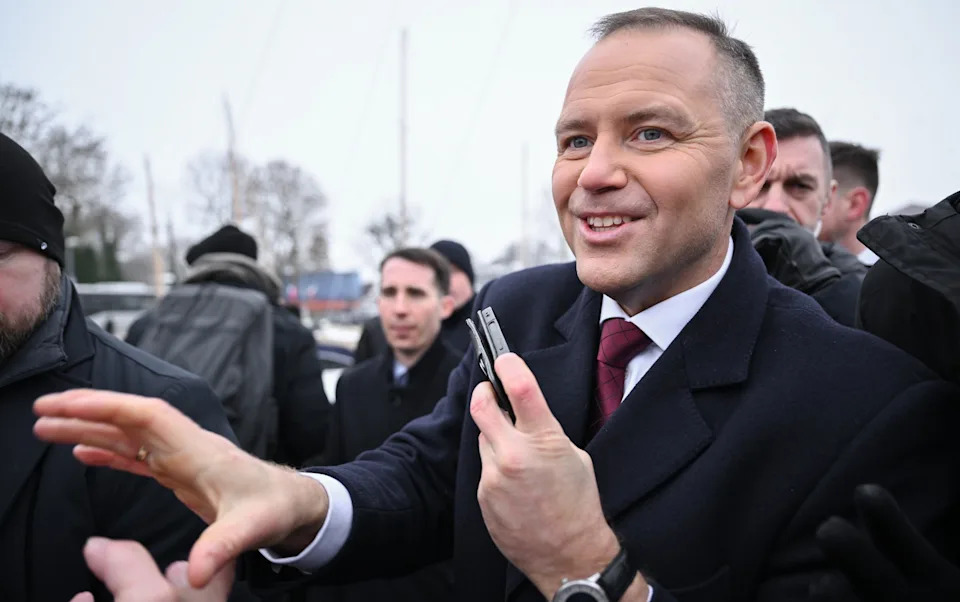
Karol Nawrocki, the president of Poland, says the country’s security strategy could be underpinned by ‘joining the nuclear project’ - ADAM WARZAWA/EPA/Shutterstock
European Talks on a Deterrent
At the Munich Security Conference, Latvia’s prime minister, Evika Siliņa, argued that "nuclear deterrence can give us new opportunities." Germany and France have opened talks on the idea of a European nuclear deterrent intended to protect the continent without depending solely on Washington.
“I have started the first talks with Emmanuel Macron, the French president, about European nuclear deterrence,”
German leader Friedrich Merz said those discussions would be integrated with NATO arrangements. "This will be fully embedded in our nuclear sharing within NATO, and we will not have zones of different security levels in Europe. We're not doing this by writing NATO off," he told delegates.
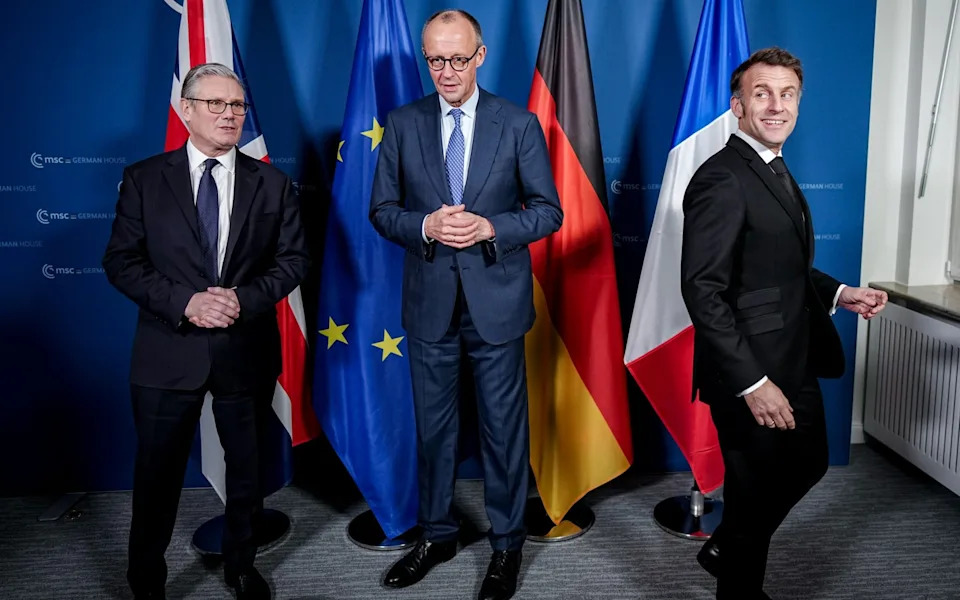
Europe’s leaders met on the sidelines of the Munich Security Conference - Kay Nietfeld/POOL/EPA/Shutterstock
Strains in Transatlantic Relations
Delegates also noted growing tensions between Europe and the United States. The article references rhetoric and actions since the current U.S. president returned to office that some European leaders say have eroded trust. French president Emmanuel Macron warned that Europe has in some quarters been unfairly dismissed and caricatured.
“There has been a tendency these days in this place and beyond to overlook Europe and sometimes to criticise it outright. Caricatures have been made,”
“Europe has been vilified as an ageing, slow, fragmented construct sidelined by history... As a society prey to barbaric migration that would corrupt its precious traditions... And most curiously yet in some quarters as a repressive continent where ... speech would not be free...”
Security Context: Russian Forces Near EU Borders
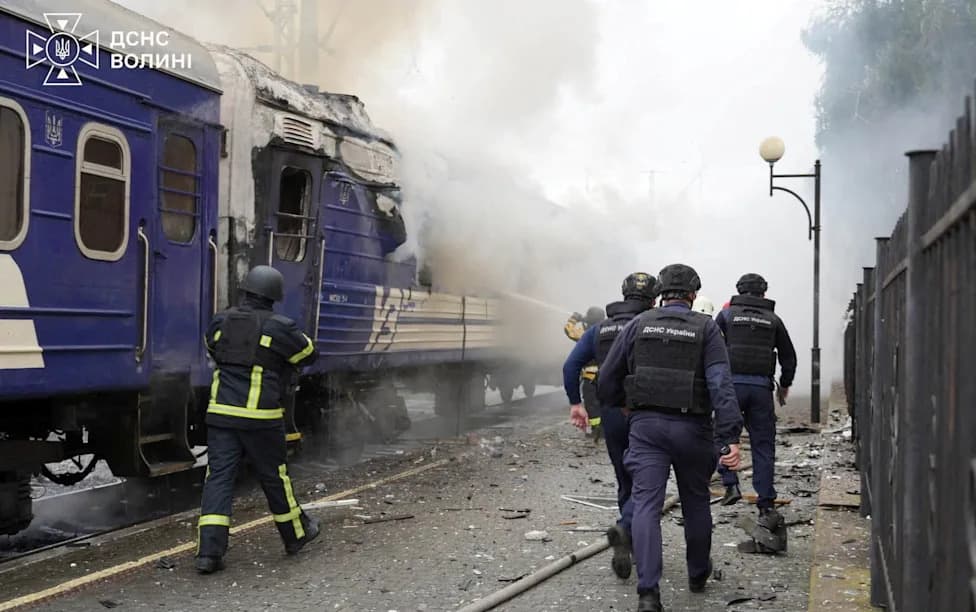
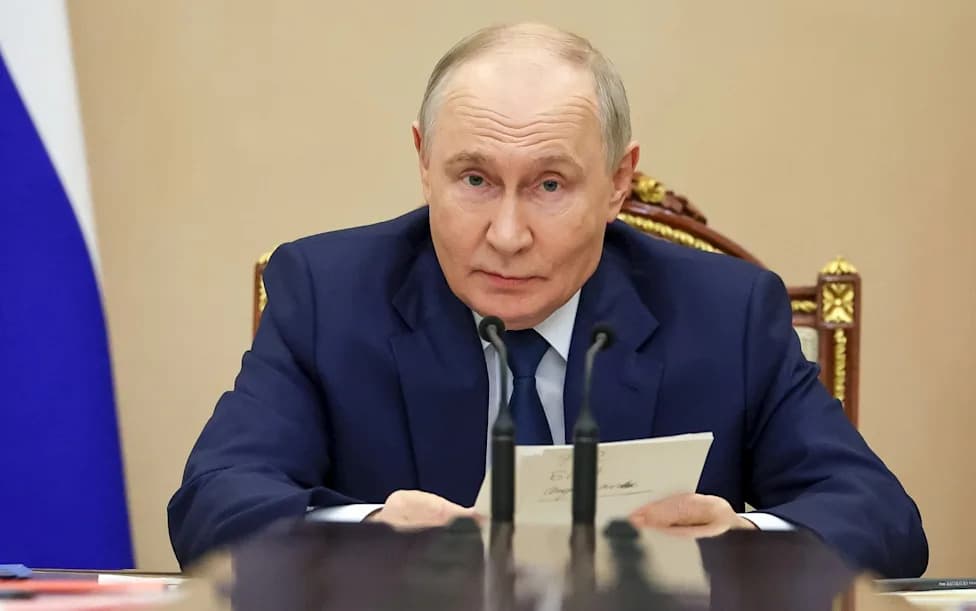
Talks about a European nuclear umbrella intensified after warnings that Russian president Vladimir Putin has redeployed missiles closer to the European Union border. In a separate interview cited by the article, Belarus’s exiled opposition leader Sviatlana Tsikhanouskaya said that Russian missiles and nuclear weapons could be deployed to Belarus, which borders EU members Poland and Lithuania.
Implications: Any move by Poland or a coalition of European states to pursue nuclear capabilities would carry substantial diplomatic, legal and security consequences, including debates over NATO cohesion, arms-control commitments, non-proliferation norms, and regional stability.
Help us improve.