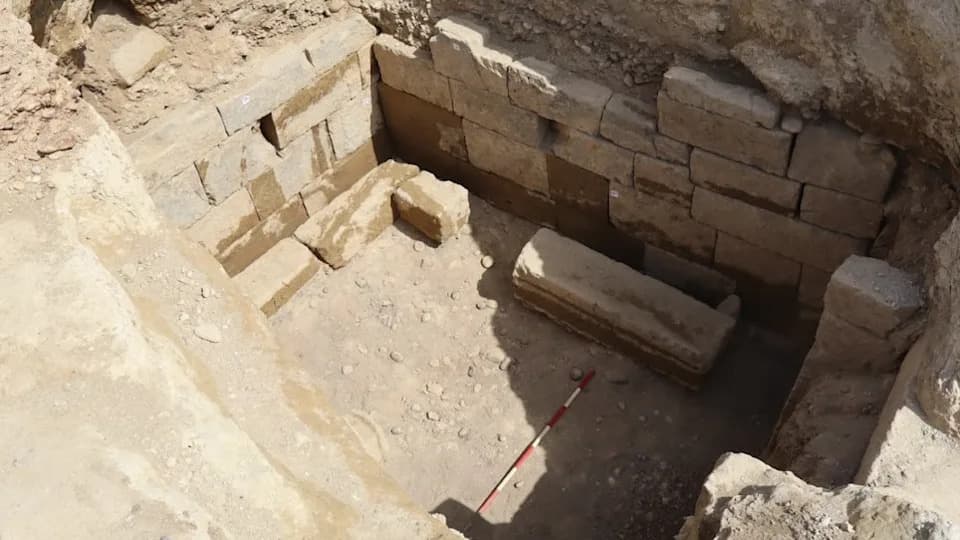
Restoration at Villa Poppaea, a lavish Roman villa near Pompeii, has revealed vividly preserved frescoes — including a largely intact red panel and a recurring peacock motif in the main salon. Conservators found 'virgin surfaces' with original pigments such as cinnabar and Egyptian blue, signaling wealthy patrons and wide trade links. The site, part of the Oplontis complex in Torre Annunziata, is partially excavated (50–60%), and limited guided visits are now offered while work continues.
Vivid 'Virgin' Frescoes Unearthed at Villa Poppaea Near Pompeii
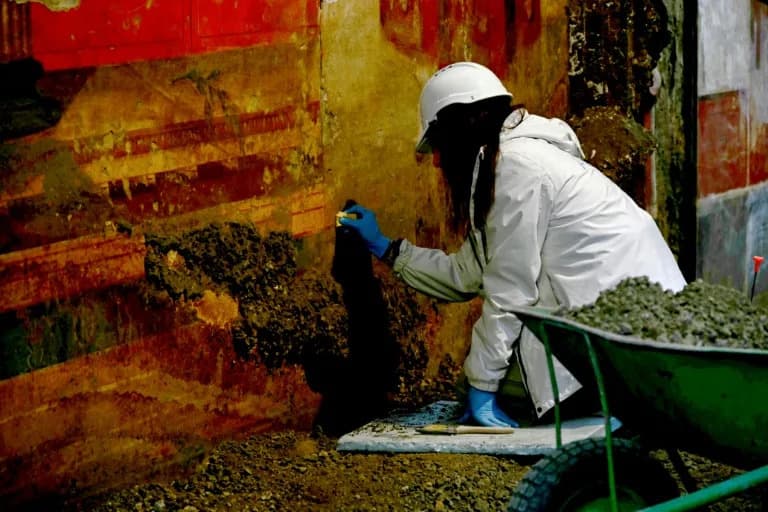
Workers are restoring the luxurious 1st century BC residence of Poppaea Sabina (Filippo MONTEFORTE)(Filippo MONTEFORTE/AFP/AFP)
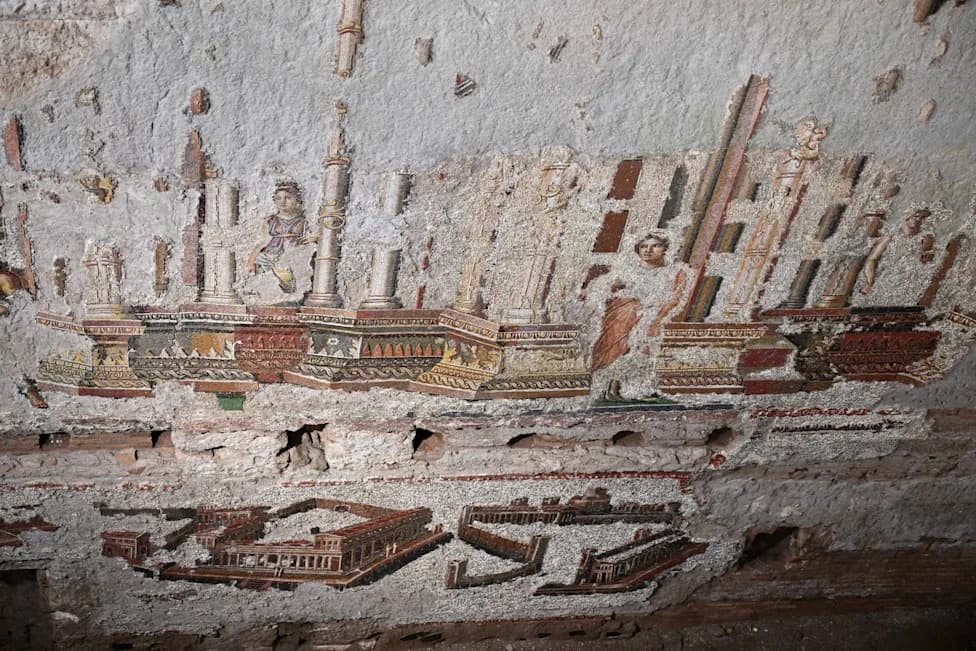
Conservation teams working at Villa Poppaea, an opulent Roman residence buried by Vesuvius in 79 AD, have revealed strikingly vivid frescoes — including a largely intact red panel and a repeated peacock motif — as restorations progress at the Oplontis site near Pompeii.
Fresh Finds in an Ancient Pleasure Villa
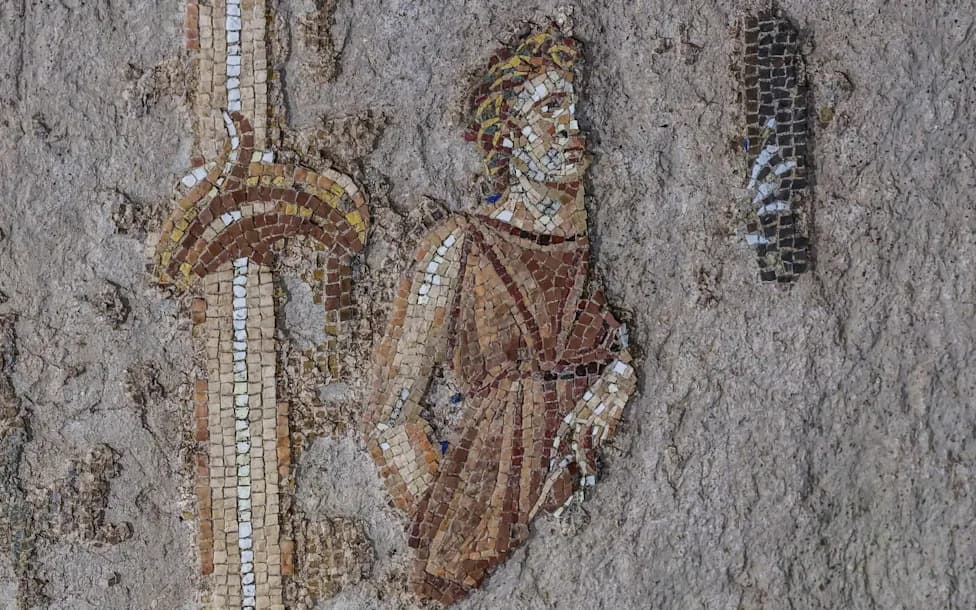
Teams wearing hard hats removed layers of volcanic ash and soil to expose detailed wall paintings in the villa's oldest wing, which dates to the mid-first century BC. The most dramatic discovery so far is a vibrant red panel that retains original, untreated pigments, along with depictions of birds, fish and fruit in fine detail.
Peacock Motif and Mirror Wall
A partially preserved peacock — represented by its elegant legs against a yellow frieze — was uncovered in the villa's principal reception room, a salon notable for a mirrored wall. Giuseppe Scarpati, the site's chief archaeologist, noted that the peacock, sacred to Juno, appears repeatedly in the villa's decoration.
Virgin Surfaces and Rare Pigments
Conservators described several 'virgin surfaces' — areas where ancient pigments remain untouched by later restoration or contamination. Laboratory tests identified expensive pigments such as cinnabar (bright red) and Egyptian blue, evidence of wealthy patrons, long-distance trade connections and highly skilled artisans.
Arianna Spinosa, director of the archaeological area, said the team is keen to reopen the villa to the public now that work is nearing completion and to let visitors see both the frescoes and the ongoing conservation effort.
Access and Future Work
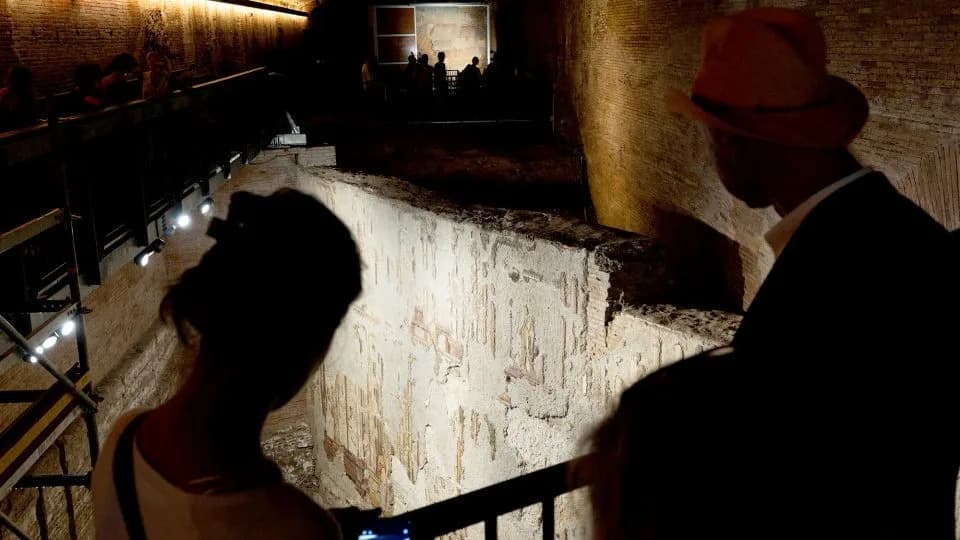
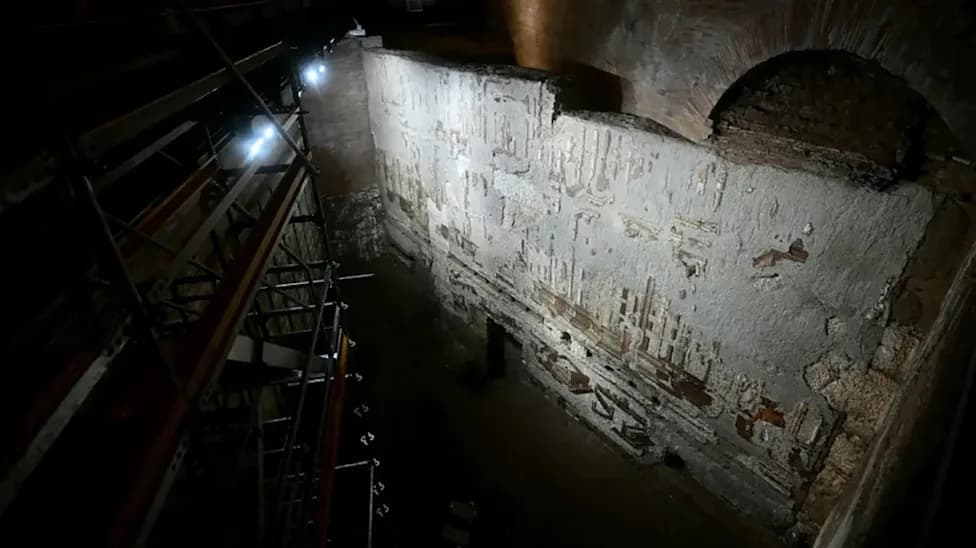
Villa Poppaea is part of the Oplontis complex in Torre Annunziata, between Pompeii and Herculaneum. Only about 50–60% of the villa has been excavated to date, and archaeologists say the site could reveal additional surprises as work continues. Small guided groups will be admitted Thursday mornings so visitors can view the frescoes and watch specialists at work among scaffolding and soil.
Background: Known also as Villa A, Villa Poppaea was discovered accidentally in the late 16th century and has been studied since the 18th century. It is traditionally associated with Poppaea Sabina, Nero's second wife, and was undergoing renovations when Vesuvius erupted.
Help us improve.