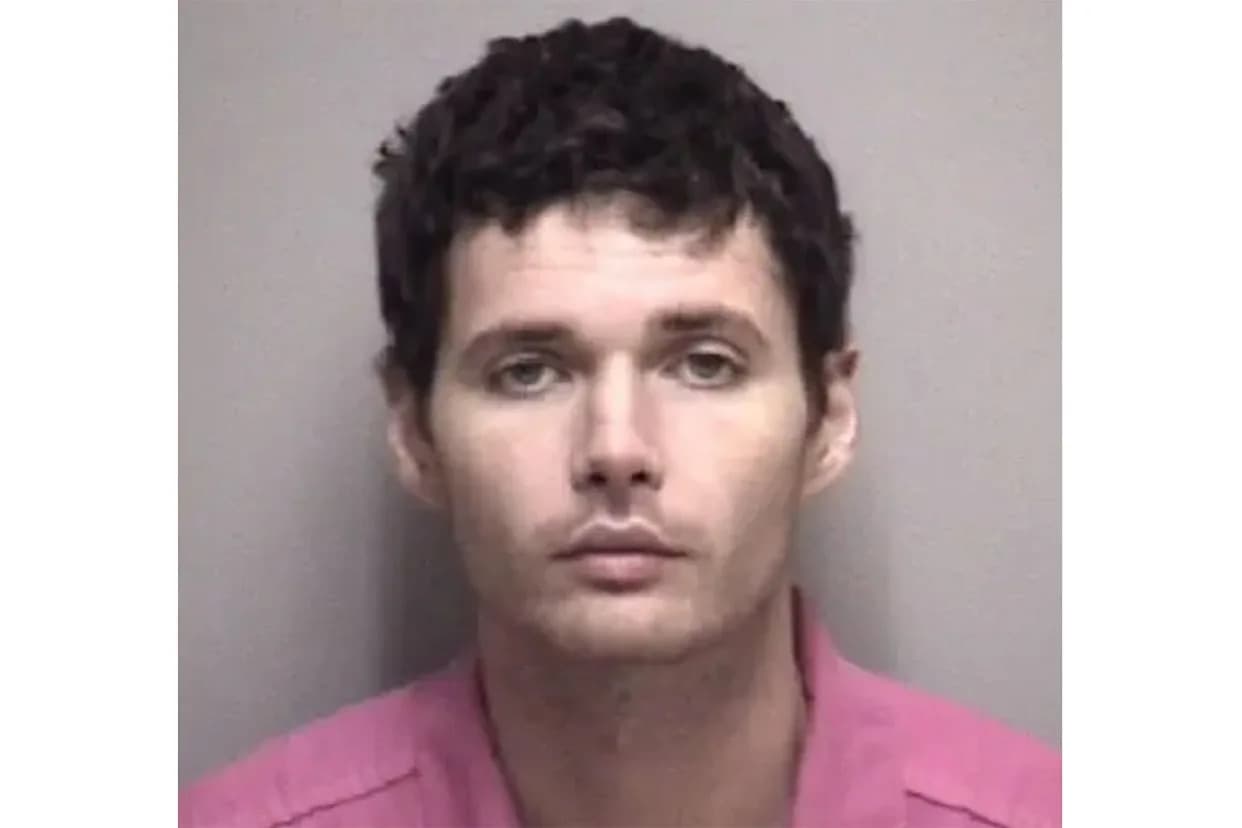
DOJ documents show Jeffrey Epstein’s final estate plan placed assets into the 1953 Trust and named dozens of beneficiaries, including Karyna Shuliak, who was slated to inherit $50 million and multiple properties such as Little St. James. The trust lists jewelry, real estate and cash bequests to associates, family and staff, but most intended recipients did not receive those gifts after victim settlements. The release is part of the Epstein Files Transparency Act disclosures.
DOJ Files Reveal Epstein’s Final Estate Plan: How the 1953 Trust Named Beneficiaries for Little St. James and Other Assets

Jeffrey Epstein's former home on the island of Little St. James in the U.S. Virgin Islands. / Miami Herald / TNS
Newly released Department of Justice files reveal the contents of Jeffrey Epstein’s updated will and trust documents, showing how the financier planned to distribute cash, jewelry and real estate — including his notorious private island, Little St. James.
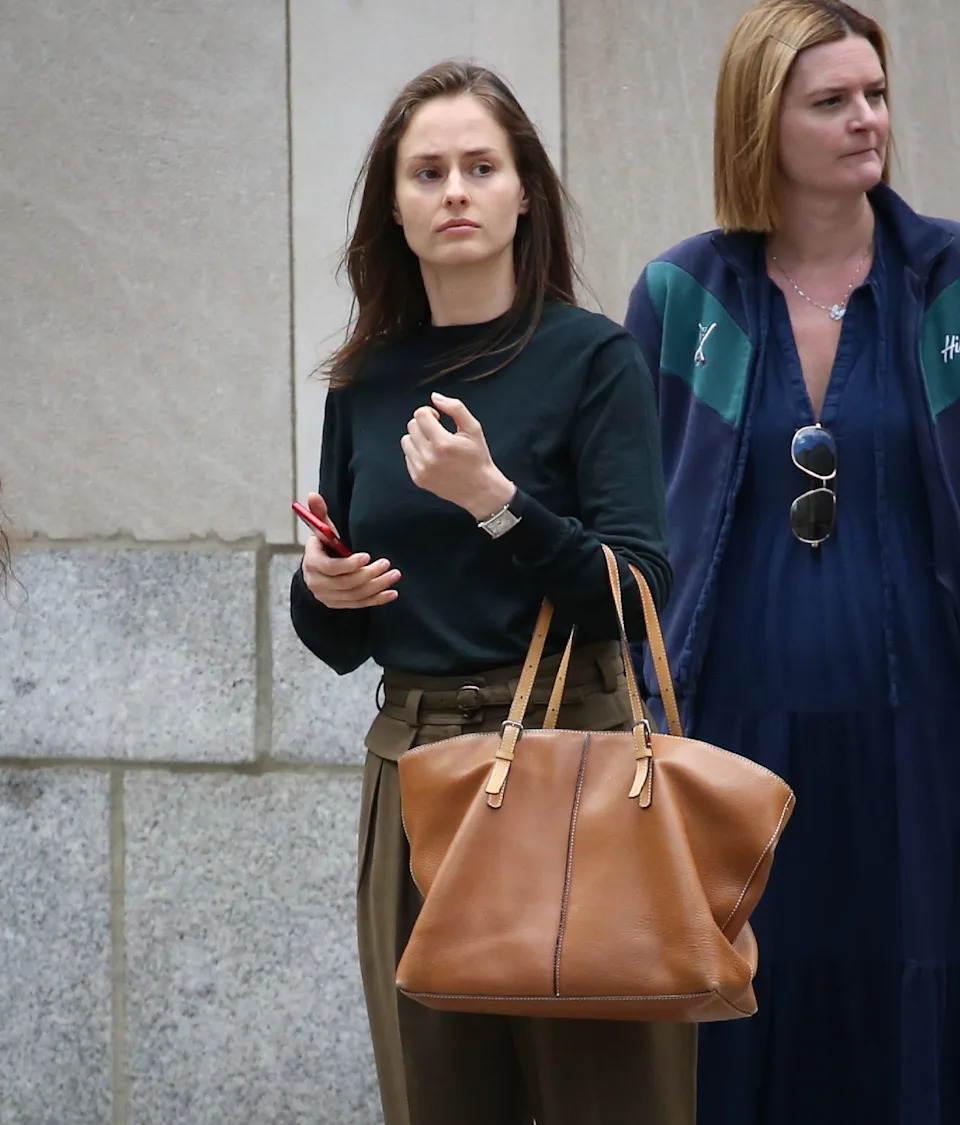
Karyna Shuliak is seen out and about on May 30, 2024 in New York, New York. / MEGA / GC Images
Key Provisions Of The 1953 Trust
Epstein signed an updated will two days before his death in August 2019. The final version placed his assets into a newly formed entity called the 1953 Trust, a structure that shielded the identities of dozens of intended beneficiaries from public view. The Justice Department’s release of trust paperwork has since identified many of those beneficiaries.
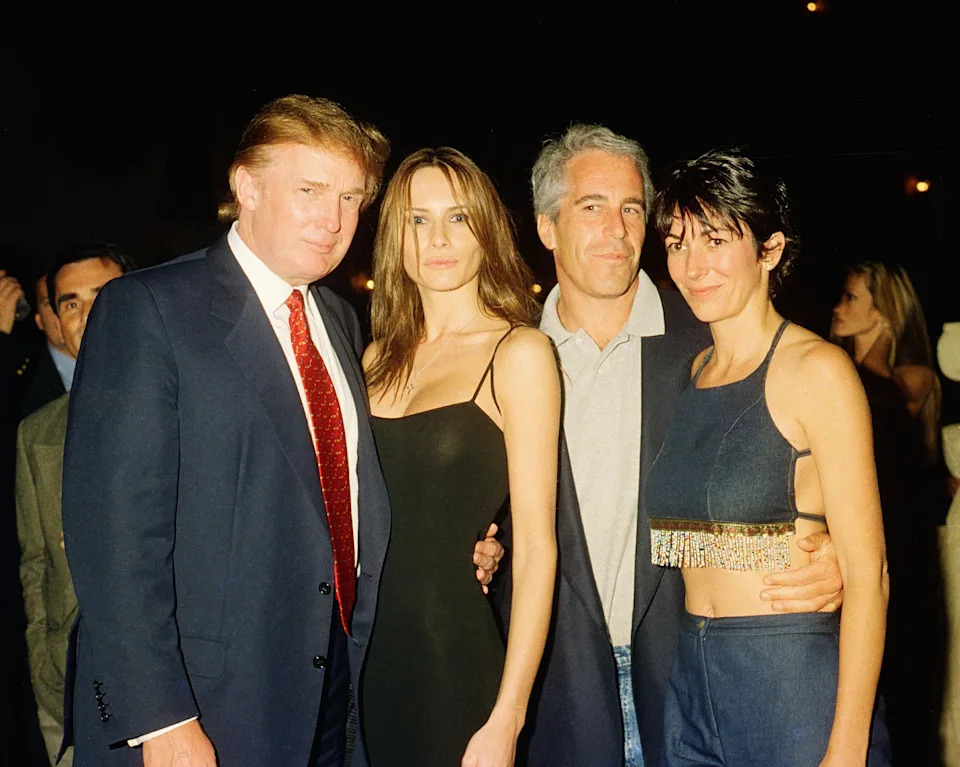
Trump, Melania, Epstein and Ghislaine Maxwell in 2000. / Davidoff Studios/Getty Images
Primary Beneficiaries And Bequests
The documents name Karyna Shuliak, described as Epstein’s last-known girlfriend, as a principal beneficiary. She was slated to receive $50 million and multiple properties, including Little St. James, holdings on Great Saint James, Epstein’s New York City penthouse, Zorro Ranch in New Mexico, his Palm Beach home and a Paris apartment. The trust also provided $5 million to cover operating costs for those properties.
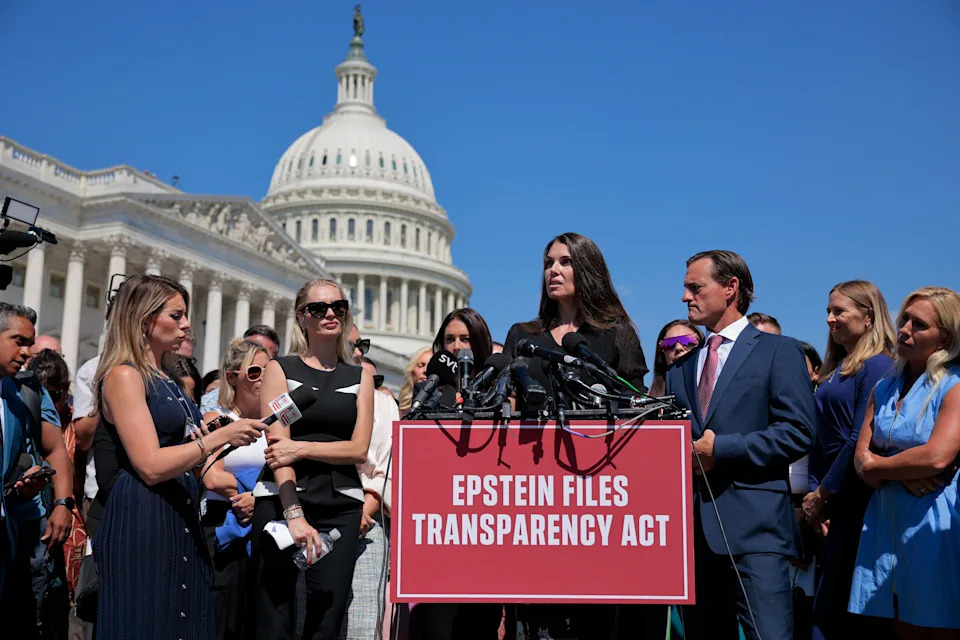
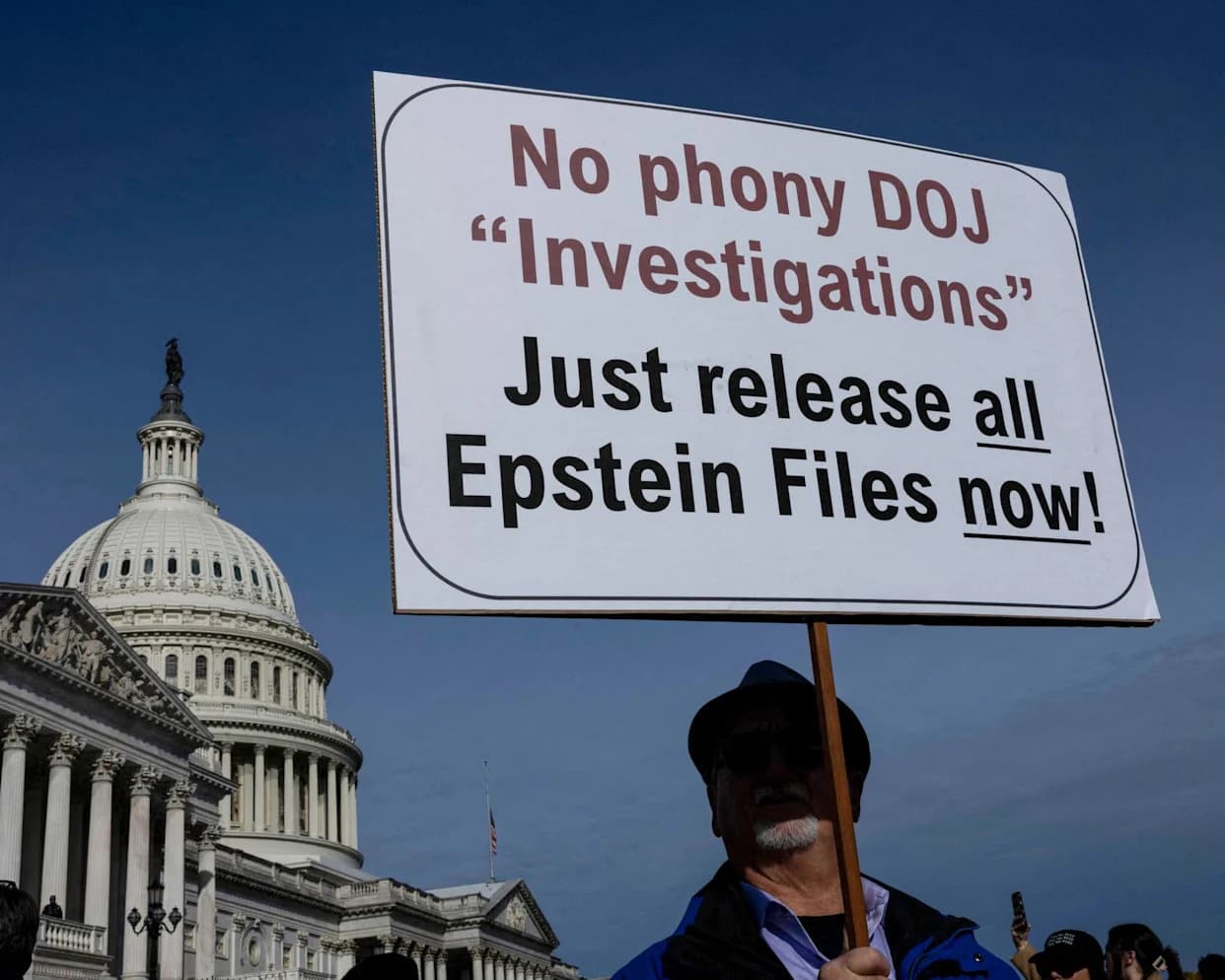
Epstein victims demanded the release of the files at a rally outside Congress in September. / Chip Somodevilla / Getty Images
The trust listed jewelry designated for Shuliak as well: a nearly 33-carat diamond ring and 48 loose diamonds. Handwritten notes in the paperwork indicate the ring had already been given to her "in contemplation of marriage."
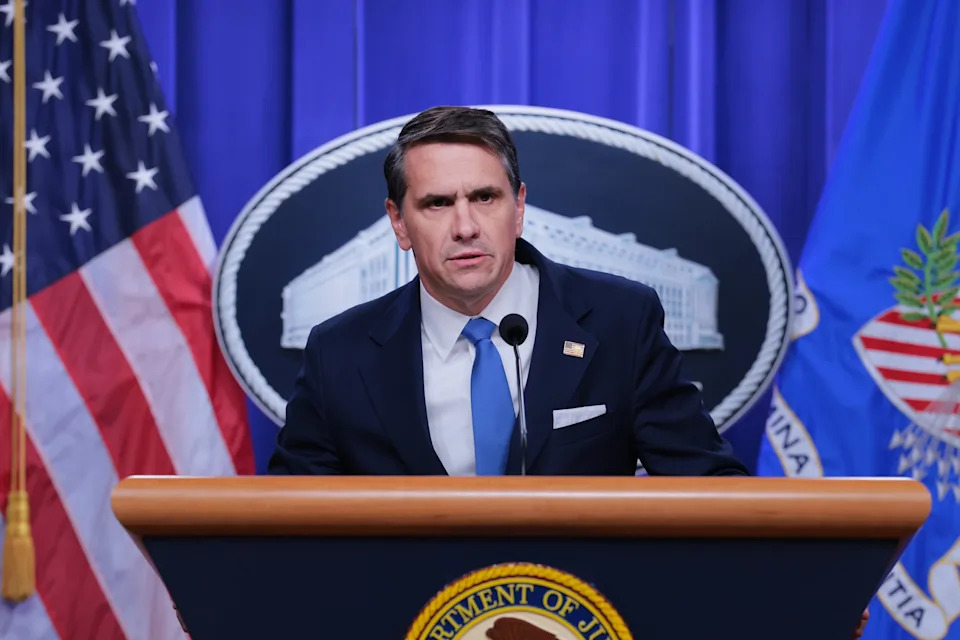
Deputy Attorney General Todd Blanche speaks at a news conference to announce an update on the Epstein files at the Department of Justice on January 30, 2026 in Washington, DC. / Anna Moneymaker / Getty Images
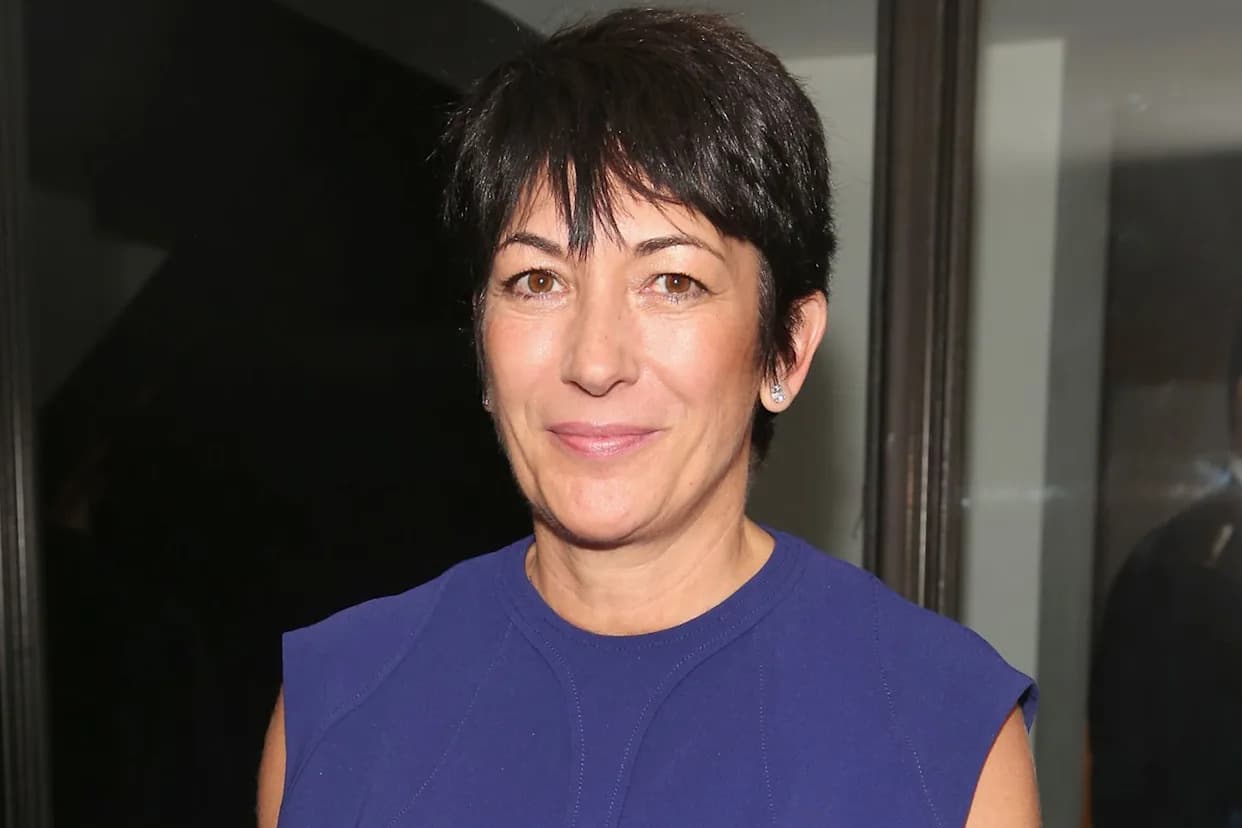
Ghislaine Maxwell — Epstein’s longtime associate, now serving a 20-year sentence for sex trafficking — was listed to receive $10 million in the trust documents. Epstein’s lawyer Darren Indyke and accountant Richard Kahn were named co-executors; the trust allocated $50 million to Indyke and $25 million to Kahn. Mark Epstein, Jeffrey’s brother, was scheduled to receive $10 million placed in a trust for his children.
Staff, Loans And Redactions
Various members of Epstein’s staff appeared in the paperwork with bequests ranging from $1 million to $10 million; his longtime pilot, Lawrence Paul Visoski Jr., was listed to receive $10 million. Some beneficiary names were redacted in the public release. The trust also identified individuals whose personal loans to Epstein would be forgiven after his death.
Victim Settlements And Estate Value
Those named beneficiaries ultimately did not receive the full bequests. ABC News reported that about $288 million had originally been identified for distribution, but after victim settlements and other payouts the estate held roughly $127 million, with additional assets tied up in litigation in the U.S. Virgin Islands.
In 2020 the Epstein Victims' Compensation Program was established as an alternative to civil litigation; claimants accepted settlements from the estate in exchange for waiving further suits against Epstein and, in many cases, his associates. When the program closed in 2021, it had paid roughly $121 million to more than 135 claimants. Banks accused of enabling Epstein — including JPMorgan Chase and Deutsche Bank — later reached settlements with some victims; both institutions denied wrongdoing.
DOJ Release And Transparency
The trust agreement was revealed as part of the Justice Department’s ongoing disclosure under the Epstein Files Transparency Act. Deputy Attorney General Todd Blanche said the DOJ completed its obligations with the most recent release, but noted that only about half of the roughly six million pages collected have been made public to date.
Bottom line: The documents provide a clearer picture of Epstein’s posthumous plans and the wide array of intended beneficiaries — many of whom never received funds or property because the estate was largely consumed by victim settlements and ongoing litigation.
Help us improve.