The planned deployment of ICE personnel from Homeland Security Investigations to assist U.S. security at next month’s Winter Olympics in Milan has provoked a strong backlash in Italy. Italian leaders, including former premier Giuseppe Conte and Milan Mayor Giuseppe Sala, have urged Prime Minister Giorgia Meloni to block the agents following recent fatal incidents involving ICE in Minneapolis. U.S. officials say HSI will provide only advisory, intelligence-based support under Italian authority while the State Department’s Diplomatic Security Service leads protection of U.S. personnel.
Italians Outraged by Planned ICE Role in Milan Winter Olympics
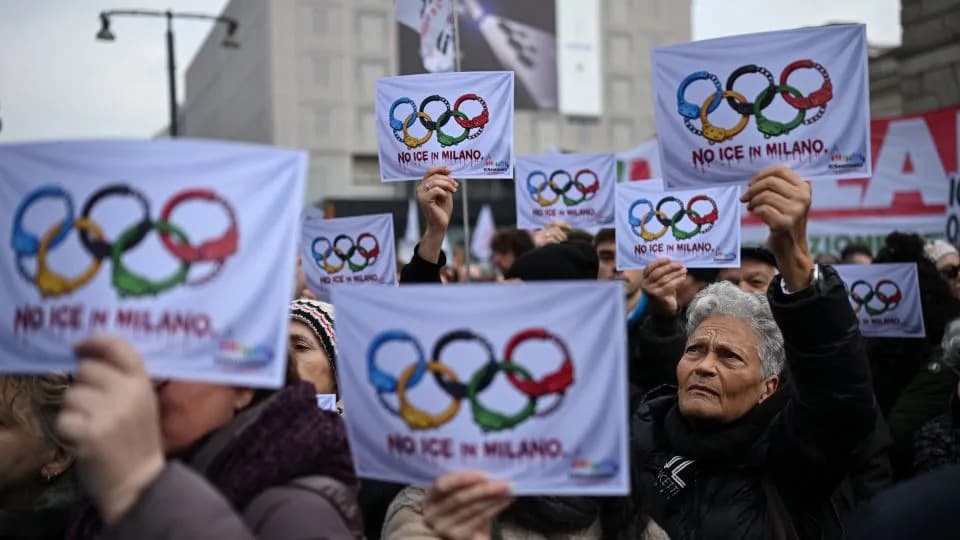
People take part in a demonstration against US Immigration and Customs Enforcement ahead of the Milano Cortina 2026 Olympic Games in Milan, northern Italy, on Saturday. - Piero Cruciatti/AFP/Getty Images
Public anger in Italy has intensified over a U.S. plan to send Immigration and Customs Enforcement (ICE) personnel to support security for next month’s Winter Olympics in Milan. Italian lawmakers and local officials have urged Prime Minister Giorgia Meloni to block the deployment following two recent fatal shootings involving ICE agents in Minneapolis, which have inflamed debate about the agency’s tactics.
U.S. Officials Stress Advisory Role
U.S. authorities say the officers in question are from Homeland Security Investigations (HSI) — an investigative division of ICE — and will provide an advisory, intelligence-focused role rather than conduct immigration enforcement in Italy. A U.S. Department of Homeland Security spokesperson told CNN that HSI will play "a security role" but emphasized they do not perform immigration-enforcement operations abroad.
After meeting with Italy’s interior minister, U.S. Ambassador to Italy Tilman Fertitta said HSI’s participation would be "strictly advisory and intelligence-based, with no patrolling or enforcement involvement." The State Department confirmed the Diplomatic Security Service (DSS) is leading the U.S. security effort in Milan.
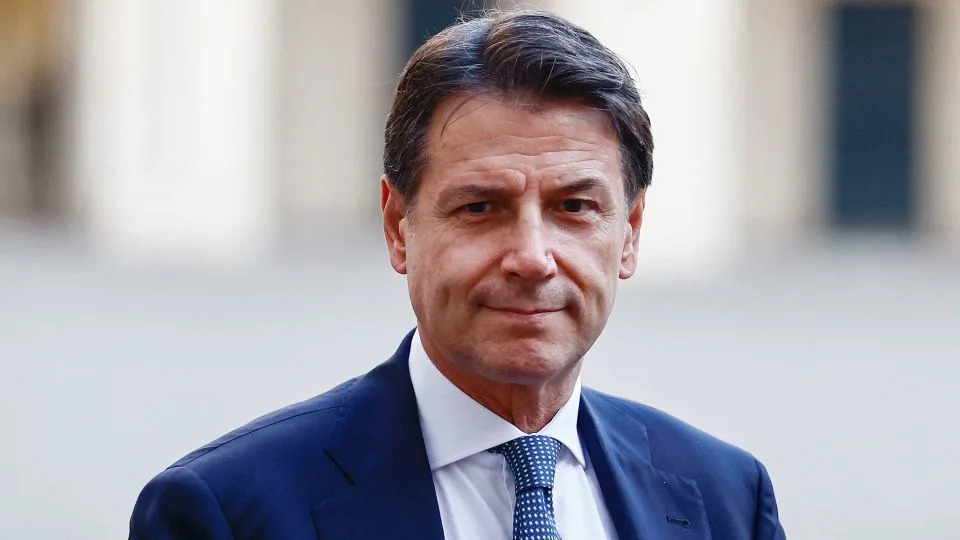
Former Italian Prime Minister Giuseppe Conte, pictured in Rome, Italy, on October 20, 2022, called on the country's government to step in and "set our own limits." - Yara Nardi/Reuters
Italian Pushback
Former prime minister Giuseppe Conte called on the government to "set our own limits" and make clear decisions in response to what he described as increasingly aggressive tactics by the agency in the United States. "After street violence and murders in the US… We cannot allow this," Conte posted on X.
"They’re not welcome in Milan," — Milan Mayor Giuseppe Sala, RTL 102.5
Milan Mayor Giuseppe Sala said local authorities "don’t need ICE" to secure the Games, calling the agency "a militia that kills" and questioning whether Italy could refuse the deployment without causing a diplomatic incident. Veteran politician Carlo Calenda likewise urged that ICE agents "must not set foot in Italy," calling the agency "violent, unprepared, and out of control." These comments followed media reports and petitions in Italy opposing the planned deployment.
Context And Reassurances
The controversy comes amid U.S. domestic protests over intensified immigration enforcement after two deadly encounters in Minneapolis involving federal immigration officers. U.S. officials have repeatedly reassured Italian counterparts and the public that any HSI support at the Olympics will be advisory, intelligence-oriented and subordinate to Italian authority.
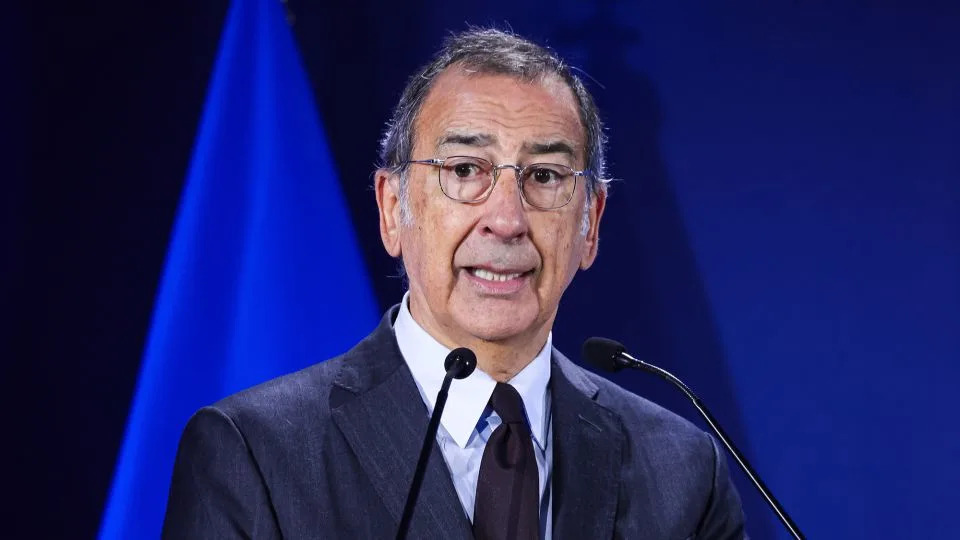
Giuseppe Sala, the mayor of Milan, described ICE as a "militia that kills" in scathing criticism over the deployment of ICE agents to the Games in February. - Alessandro Bremec/IPA Agency/Shutterstock
Tricia McLaughlin, a DHS spokesperson, said HSI would "support the U.S. Department of State’s Diplomatic Security Service and host nation to vet and mitigate risks from transnational criminal organizations," and stressed that "all security operations remain under Italian authority." The U.S. Olympic and Paralympic Committee also reiterated that it does not coordinate Games planning with domestic immigration agencies, including ICE.
Public Reaction
Several Americans living in Milan told CNN they were baffled by the prospect of ICE agents operating in Italy and worried about the diplomatic and reputational consequences for the United States. Critics say the optics of sending ICE personnel so soon after fatal domestic incidents will be politically sensitive in Italy.
News organizations continue to report updates as U.S. and Italian officials exchange clarifications.
This story was updated with additional reporting. CNN’s Kit Maher and Sharon Braithwaite contributed.
Help us improve.