The Pentagon Inspector General warns that gaps in policy and coordination leave many U.S. military bases unsure how to respond to drone incursions and that the problem "requires immediate attention." The report, reflecting conditions before a December policy update, found conflicting lists of protected installations, unclear legal authorities, and a fragmented approval process for counter-UAS systems. Experts say detection technology exists, but without standardized frameworks for identification, information-sharing and jurisdiction, bases cannot act reliably. The watchdog urges consolidated guidance and clearer authorities so commanders can respond quickly to frequent drone activity.
Pentagon Watchdog: Drone Incursions at U.S. Bases Need 'Immediate Attention' — Policy Gaps Hinder Responses
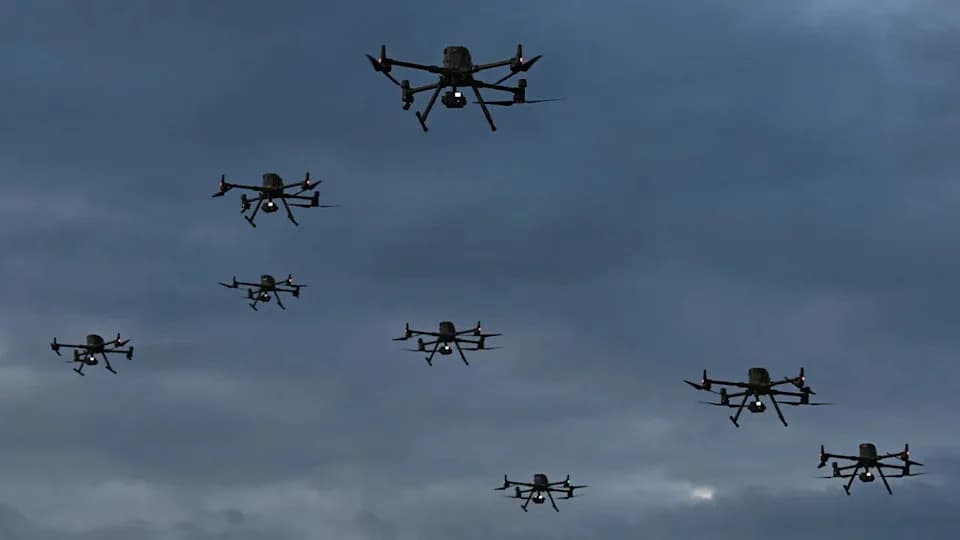
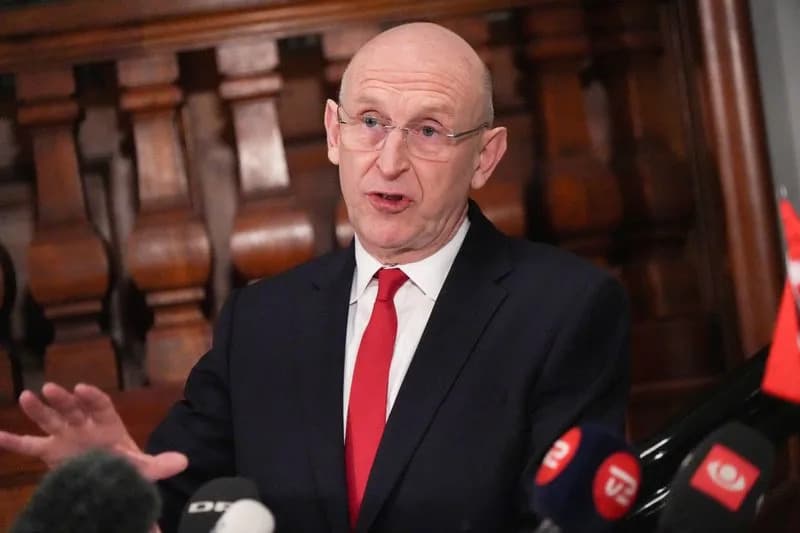
Pentagon IG report warns bases are still unequipped to handle drone incursions.(Getty Images)
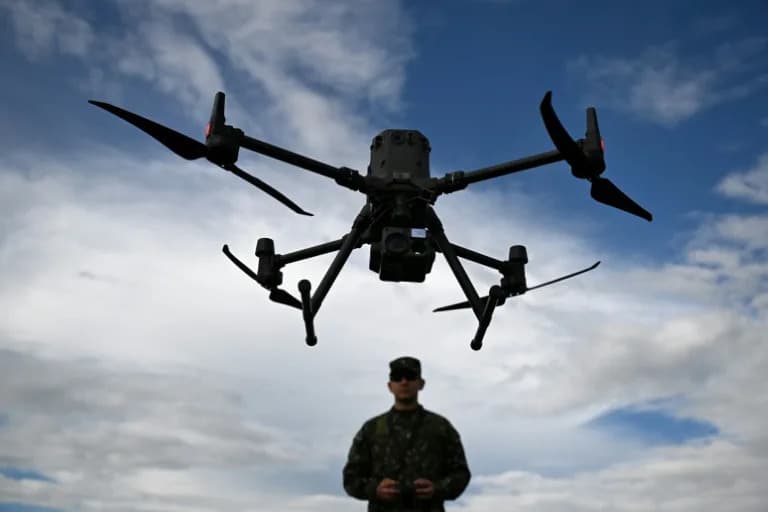
In December 2023, nearly three weeks of unidentified drones over sensitive areas of Langley Air Force Base exposed a critical shortfall in how U.S. authorities handle such incursions: who investigates and who has the authority to act. A report from the Pentagon Inspector General finds that similar gaps in authority, coordination and policy persist across the Department of Defense even as drone activity near military installations continues frequently.
Inspector General Findings
The watchdog warns that the Department of Defense lacks clear, consistent policies governing counter-drone (counter-UAS) operations at domestic installations. Conflicting guidance, unclear criteria for which facilities qualify for protection, and an inconsistent approval process for counter-UAS systems have left many bases uncertain whether they are authorized to respond when drones appear overhead.
"Immediate attention [is] required," the report states, underscoring the risk to DoD assets from unmanned aircraft systems.
Policy Update and Its Scope
The Inspector General’s assessment reflects conditions before a December policy update and does not evaluate the revised guidance. That updated policy expands commanders’ authority to assess and respond to unauthorized drone activity beyond installation fence lines, clarifies how "covered facilities or assets" can be designated based on risk, and aims to improve interagency coordination and data-sharing with partners such as the Department of Homeland Security and the Justice Department.
Operational and Coordination Challenges
Gen. Gregory Guillot, head of U.S. Northern Command, has warned that drone activity near DoD installations occurs almost daily — roughly one to two incursions per day. The report highlights how confusion intensifies when drones operate outside base perimeters, where military authority, FAA-regulated airspace and local law enforcement jurisdictions intersect.
Modern identification tools—remote identification detection, radio-frequency monitoring, radar and optical tracking—can often determine a drone’s origin and registration. But experts, including Michael Healander, CEO of Airspace Link, told reporters that detection alone is insufficient without standardized frameworks for who operates those systems, how data is shared, and which authorities can act.
Approval and Procurement Obstacles
The Inspector General also found the approval process for deploying counter-UAS systems to be fragmented and burdensome. Different services follow different procedures, and some installations must procure and test equipment before receiving authorization to use it—an obstacle that has led some bases to forgo requesting approvals entirely, even after incursions.
What Needs to Change
The report recommends consolidated policies and clearer authorities so commanders and interagency partners can respond swiftly and lawfully to incursions. As civilian, commercial and public-safety drone operations grow near military installations, improving situational awareness, clarifying legal authorities, and streamlining approvals are urgent steps to reduce risk and restore timely responses.
Sources: Pentagon Inspector General report; comments from Airspace Link CEO Michael Healander; public remarks by Gen. Gregory Guillot.
Help us improve.