On January 18 armed gunmen stormed Kurmin Wali in Kaduna State and abducted 177 people, leaving about a quarter of the village in captivity and 11 escapees. Officials initially denied the incident but later acknowledged the abduction and launched operations; the governor has promised lasting protection and a planned military post. Residents report repeated looting and a ransom demand tied to 10 motorcycles, and many families are preparing to flee amid ongoing fear.
Kurmin Wali Kidnapping: 177 Abducted — How One Sunday Upended A Kaduna Village

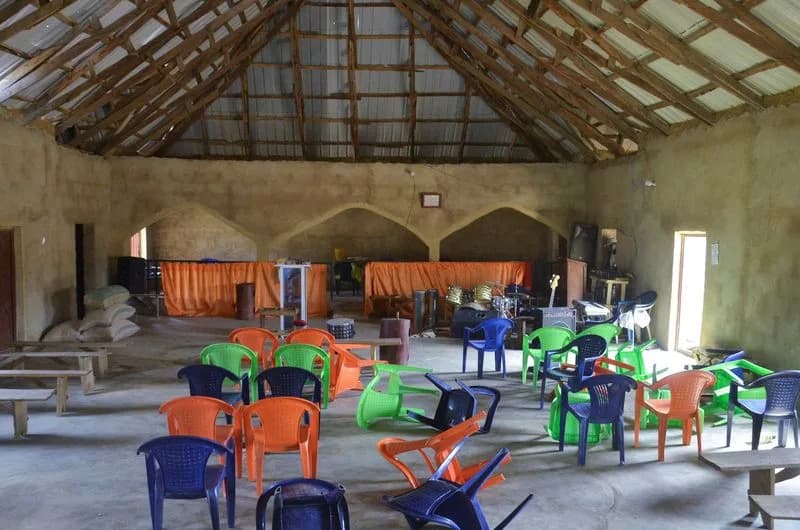
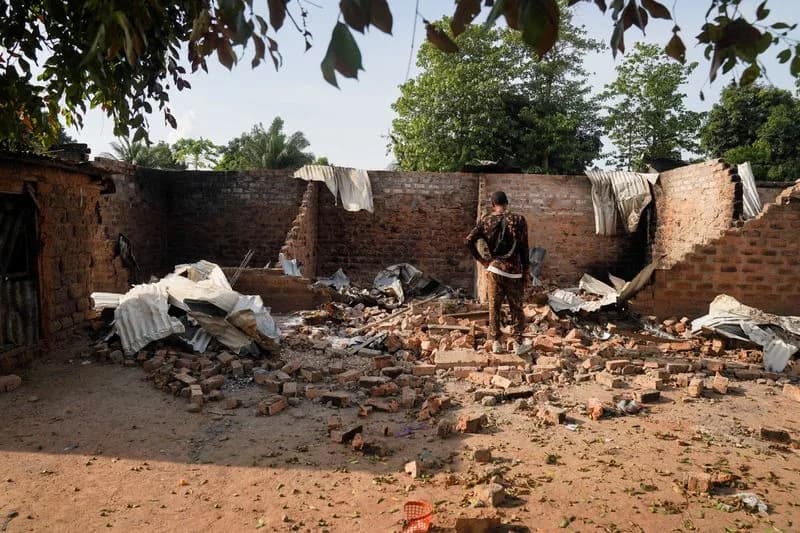
An exterior view of the Haske Cherubim and Seraphim Movement Church, after an attack by gunmen in which worshippers were kidnapped, in Kurmin Wali, Kaduna, Nigeria, January 20, 2026 [Nuhu Gwamna/Reuters]
On January 18, a routine Sunday morning in Kurmin Wali, a farming village in Kajuru local government, Kaduna State, turned into a traumatic mass abduction that has left the community shaken and many families displaced.
By about 9:30 a.m., men described by residents as bandits entered the village in force, armed with AK-47 rifles. They smashed down doors, forced people out of their homes and from the village’s three churches, sealed off exits and marched dozens into the surrounding forest at gunpoint. The attackers moved methodically, sweeping homes and places of worship; in one compound more than 30 members of an extended family were taken.
Eyewitness Accounts
“When I heard shouting, I took two children and we hid behind a house. That was how they missed us,”said Jummai Idris, a relative of one of the families abducted. Living on the village edge near a route reportedly used by the bandits, she described calling the names of missing men, women and children as she listened to screams and footsteps.
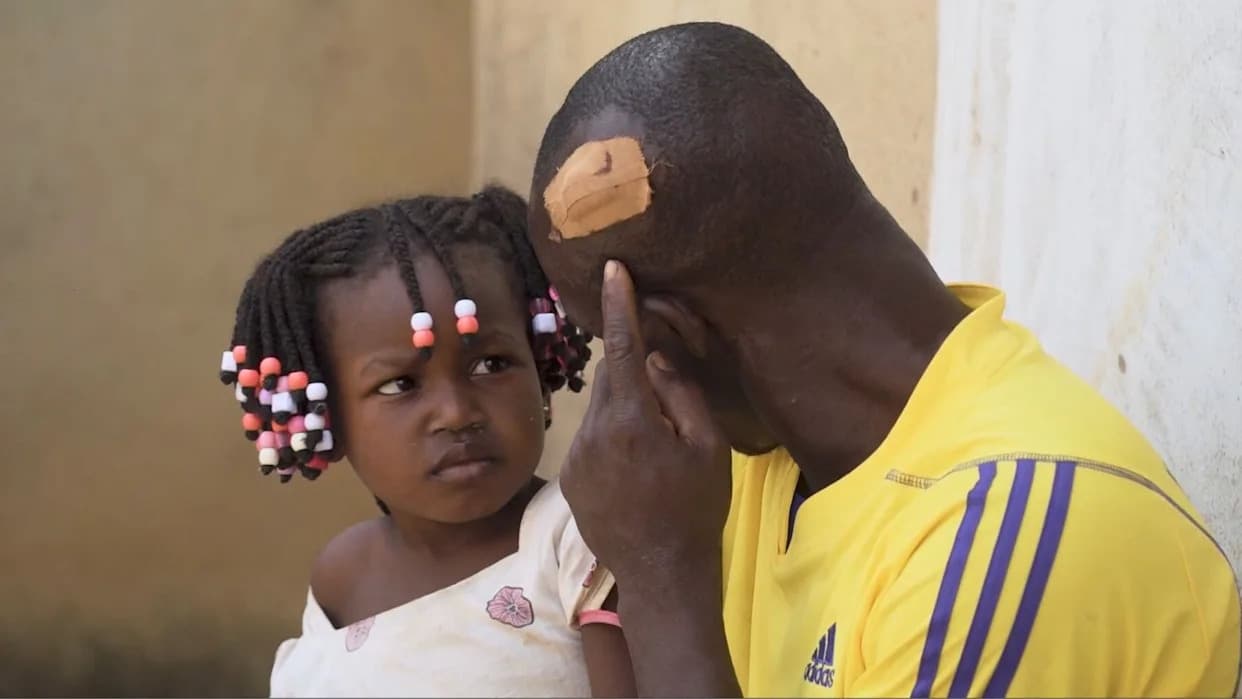
One escapee, Maigirma Shekarau, recounted being tied, beaten and marched into the bush while holding his three-year-old daughter. He says they reached an abandoned settlement where he hid with the child until it was safe to slip away. On returning home, he discovered that they were the only family members to have made it back.
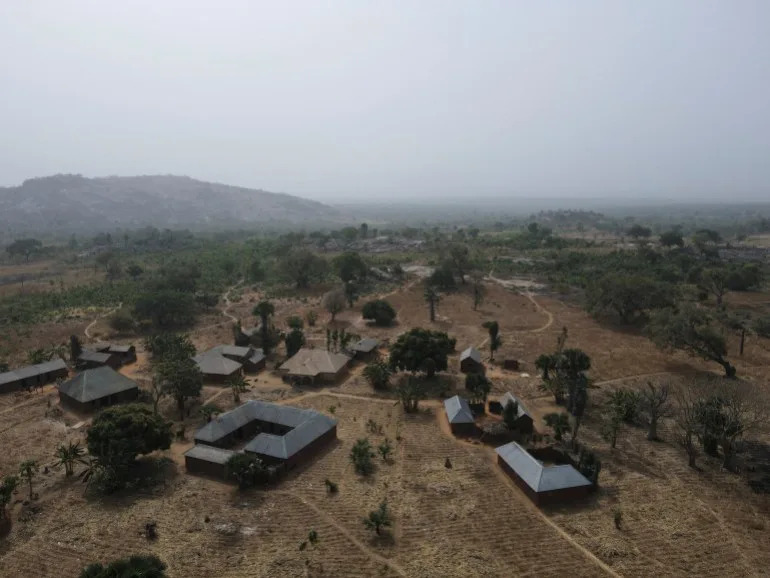
A drone view of Kurmin Wali, where churches were attacked by gunmen and people were kidnapped [Nuhu Gwamna/Reuters]
Scale And Official Response
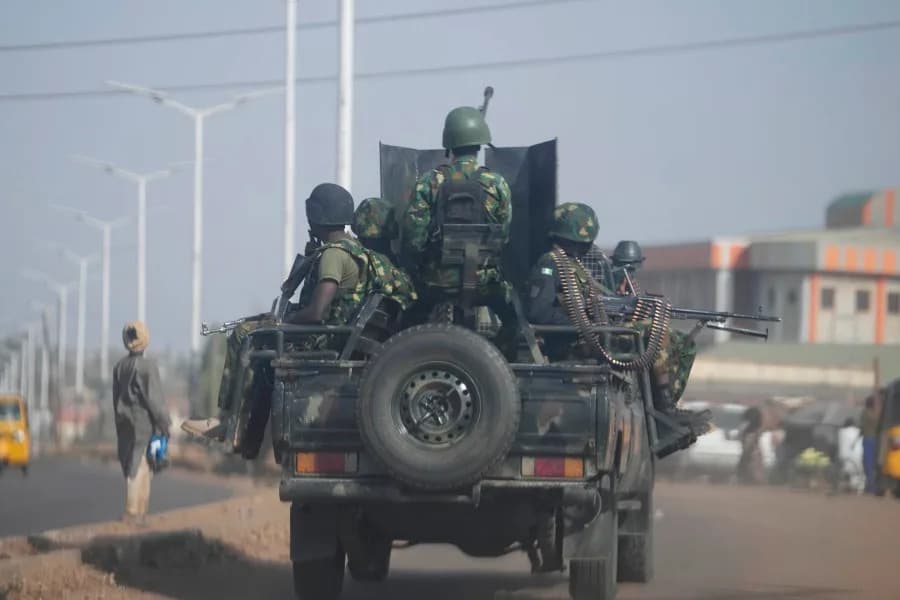
Local residents report that a total of 177 people were abducted that morning. Eleven managed to escape; roughly a quarter of Kurmin Wali’s population remains in captivity. In the immediate aftermath, some state officials initially denied the incident — Kaduna’s police commissioner called early accounts a “falsehood peddled by conflict entrepreneurs.” Two days later, the national police spokesman acknowledged an “abduction” and said security operations were underway to locate and rescue the victims.
Governor Uba Sani pledged not only to pursue rescue operations but to ensure lasting protection for the community. Authorities have since established a police presence in the village; however, many residents say officers appear more focused on recording victims’ names than providing reassurance.
Aftershocks: Looting, Ransom Demands And Flight
Villagers say the attackers have returned repeatedly to loot granaries and take personal possessions such as mobile phones. Two days after the mass abduction, the bandits reportedly rode through the village again and issued a ransom demand, accusing residents of hiding 10 motorcycles in nearby bush — a claim the community denies — and saying the bikes must be returned as a condition for releasing some hostages.
Some families had previously paid ransoms: residents report that 21 people were freed after payments following earlier kidnappings. Yet after the larger January 18 raid, many community members say they cannot remain. “Anyone thinking about remaining in this village needs to reconsider,” said survivor Panchan Madami. Jummai Idris has already decided to leave the village where she was born and married. “I’m not coming back here. I just hope the rest of my family gets back,” she said.
Outlook
The government has promised to establish a military post to deter further attacks, but for many residents the pledge offers little comfort while relatives remain in captivity and insecurity continues. The village faces an uncertain future as families weigh staying against fleeing for safety.
Help us improve.