Pavel Durov, founder of Telegram, criticised Spain's draft law that would bar under-16s from social media and could criminalise platform executives for hate speech, warning the measures risk government control over online content. The Spanish prime minister's office defended the bill and accused Durov of exploiting Telegram to spread falsehoods. Elon Musk echoed the criticism, major tech firms did not comment, and Spain joins other countries weighing tougher social media rules.
Pavel Durov Warns Spain's Draft Social Media Law Could Enable Censorship
FILE PHOTO: Two men pose with smartphones in front of a screen showing the Telegram logo in this picture illustration taken in Zenica, Bosnia and Herzegovina November 18, 2015. REUTERS/Dado Ruvic/File Photo
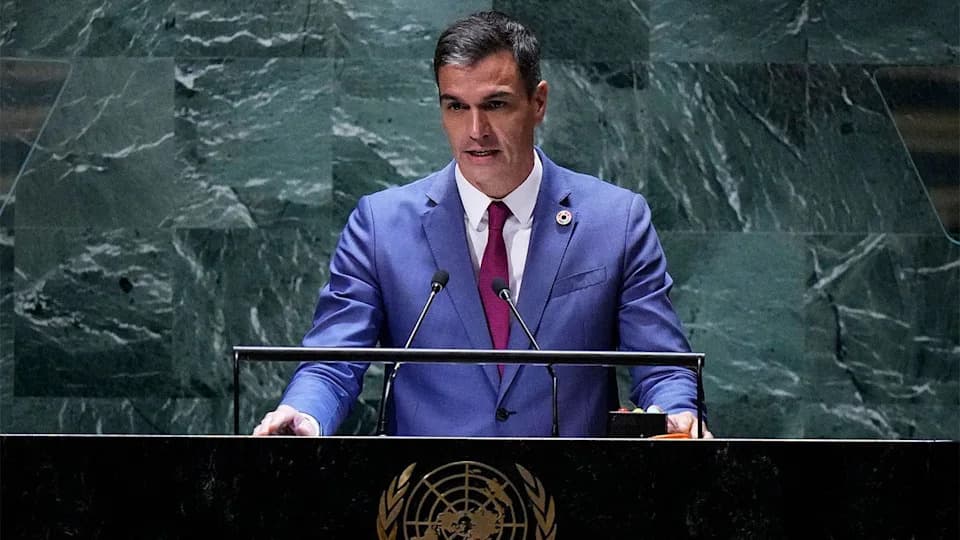
MADRID, Feb 4 (Reuters) - Telegram founder Pavel Durov on Wednesday sharply criticised a proposed Spanish legislative package from Prime Minister Pedro Sánchez that would bar people under 16 from using social media and could expose platform executives to criminal charges over hate speech.
Durov — who is based in Dubai — sent a mass message to Spanish Telegram users saying the draft law would force platforms to collect data on all users and that its anti-hate-speech provisions would push companies to remove content pre-emptively to avoid prosecution. He also warned that measures targeting algorithms could give governments de facto control over what users see.
"These aren't safeguards; they're steps toward total control. We've seen this playbook before — governments weaponizing 'safety' to censor critics," Durov wrote on Telegram.
Spanish Government Response
The Spanish prime minister's office defended the proposals, saying the founder's mass message underscored the urgent need to regulate social media and messaging services to protect citizens from misinformation. The office accused Durov of exploiting his "unrestricted control" of the app to broadcast what it called falsehoods and of attempting to spread propaganda to Spanish phones.
Context And Political Debate
Sánchez, one of a shrinking group of left-wing leaders in Europe, has escalated his campaign against disinformation and big tech since early last year. His broader package has included proposals to end anonymity on social media and to link users' data to a shared EU identity wallet. The campaign gained momentum after Sánchez said his family was targeted in a right-wing smear campaign related to an investigation into alleged influence-peddling involving his wife, Begoña Gómez; she denies the allegations and the investigation is ongoing.
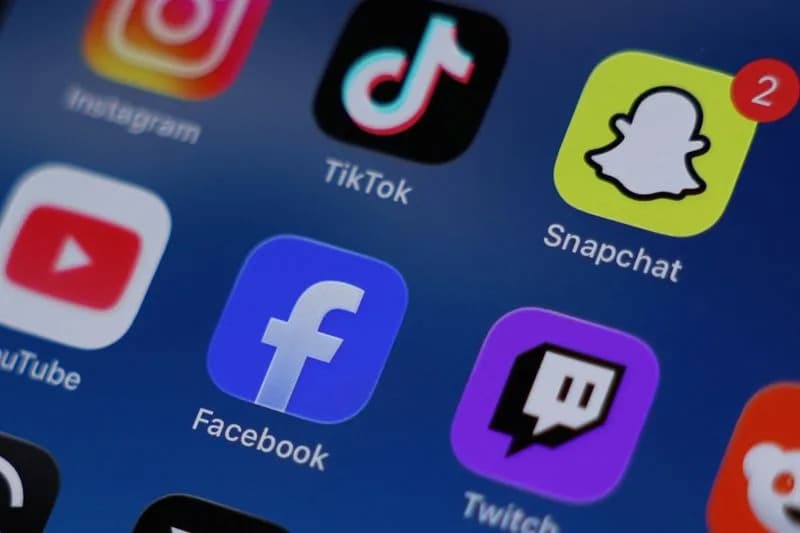
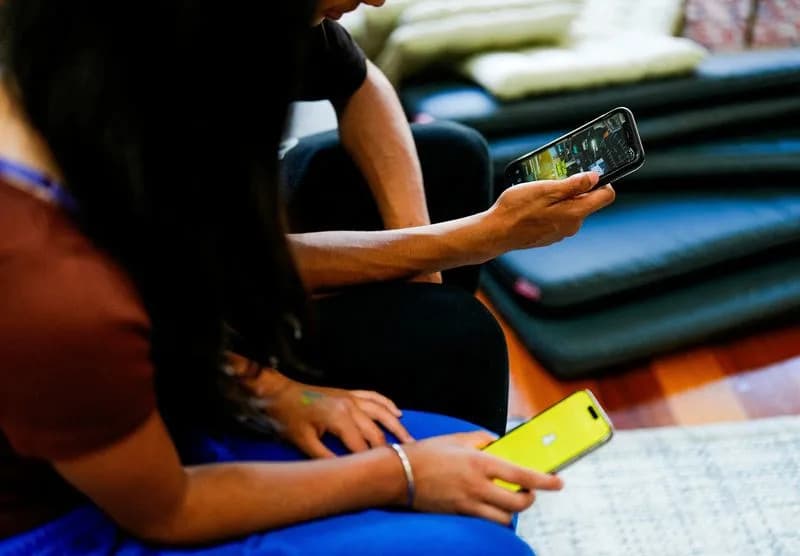
Spain is among several European countries — including Britain, Greece and France — debating tougher rules for platforms. In December, Australia became the first country to prohibit access to social media platforms for children under 16.
Reactions From Tech Figures And Companies
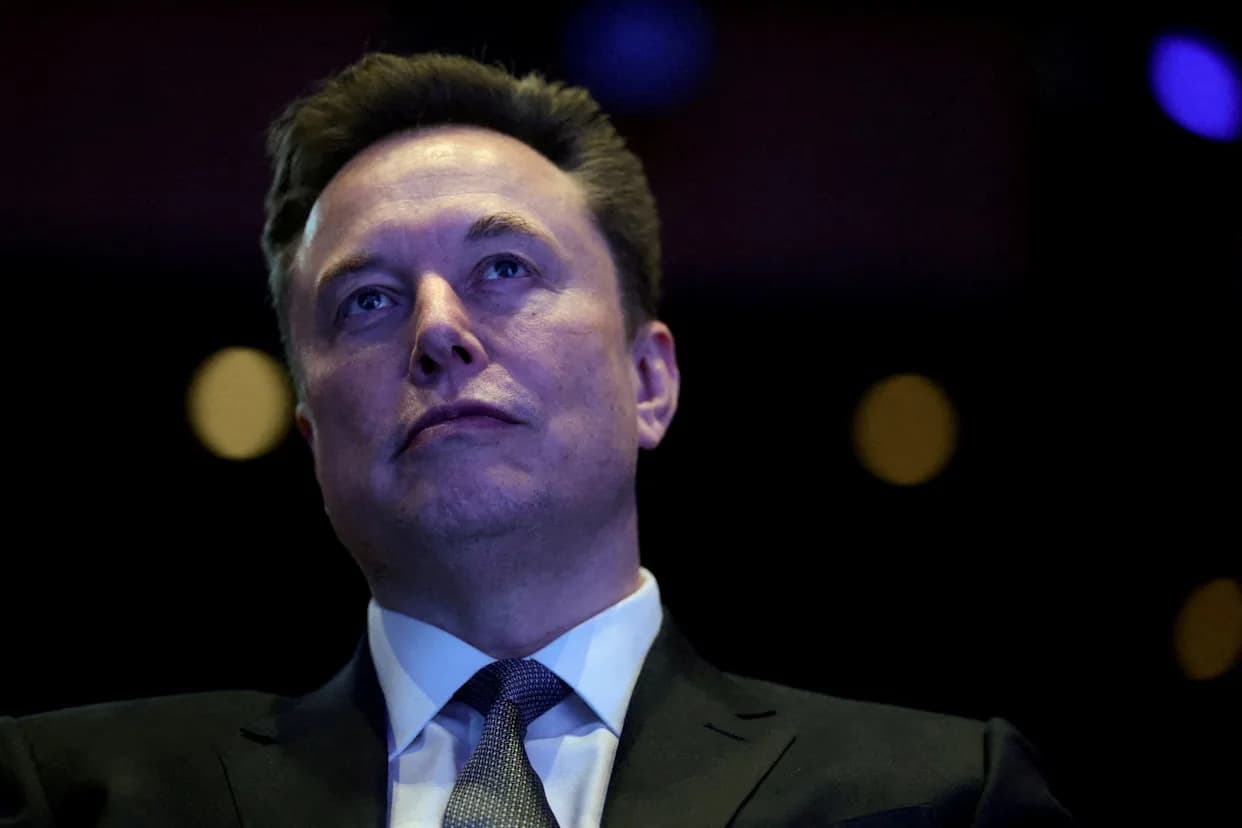
Elon Musk, owner of X, also attacked Sánchez's proposals, calling the prime minister "a tyrant and a traitor to the people of Spain" in a post. Representatives for Google (Alphabet), TikTok, Snapchat and Meta did not respond to Reuters' requests for comment on the draft measures.
Legal Troubles And Messaging Details
Russian-born Durov was detained in Paris in August 2024 over alleged criminal activity connected to his messaging service; he denied wrongdoing in March 2025. Reuters reported that the message about Spain's plans was forwarded from an account in Durov's name to a Telegram channel that typically offers users guidance on security and account issues.
The proposed Spanish measures raise complex questions about child protection, online anonymity, platform responsibility and the balance between safety and free expression — debates that are playing out across democracies worldwide.
Help us improve.