Sandy Martinez of Lantana, Florida, owes more than $165,000 in municipal fines and interest for three code violations, most of it from a parking citation that accrued at $250 per day. Martinez says she corrected the parking issue and requested an inspection, but delays in enforcement allowed fines to keep accumulating until an inspector verified compliance 407 days later. Lower courts found the penalties "not grossly disproportionate," and the Florida Supreme Court declined to review the case, leaving Martinez effectively unable to sell her home to satisfy the judgment.
Parked On Her Own Grass, Fined $165,000: A Florida Woman’s Fight Over Municipal Fines
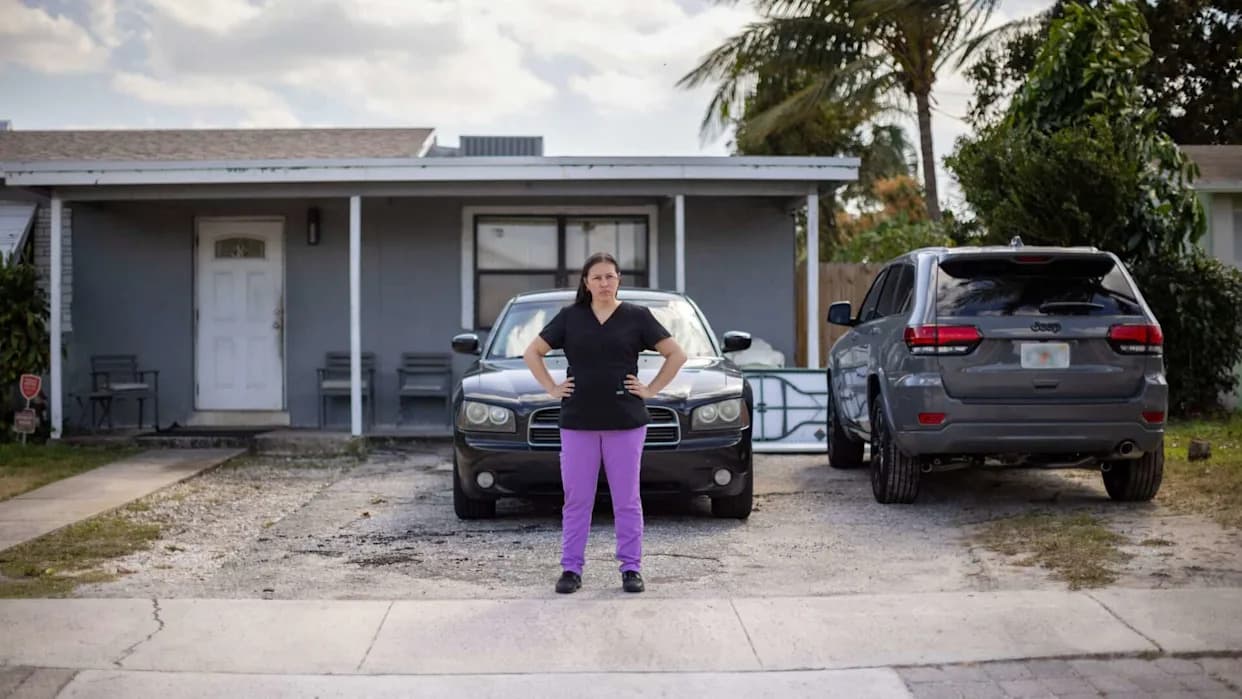
A City Fined Her Over $100,000 for Parking on Her Own Grass. The Florida Supreme Court Won't Hear Her Case.
Sandy Martinez of Lantana, Florida, faces more than $165,000 in municipal fines and accrued interest for three relatively minor code violations — the largest portion of which stems from a parking citation that ballooned into a six-figure judgment. The Florida Supreme Court declined to hear her appeal in December, leaving intact lower-court rulings that found the penalties were not "excessive." Her case has become a flashpoint in the debate over whether municipal fines can ever be so large as to violate the Eighth Amendment’s ban on excessive fines.
What Happened
Martinez shares her home and driveway with family members and, because the neighborhood streets are too narrow for extra cars, the household parked in the driveway. The outer wheels initially contacted a strip of her lawn — a technical violation of Lantana’s code — and she was cited in 2019 with a daily penalty of $250. Martinez says she brought the property into compliance and requested a follow-up inspection, but she was unable to reach code enforcement for many months. An inspector finally confirmed compliance in June 2020, but by then 407 days had passed and the parking-related fines had already topped $100,000, plus interest.
Other Assessments
In addition to the parking charges, Martinez was assessed $47,375 for a storm-damaged fence she could not immediately repair while waiting on an insurance settlement, and $16,125 for cosmetic cracks in her driveway that she could not afford to fix at once. Martinez’s 2021 complaint states her annual income is under $43,000.
Court Rulings And Legal Context
In 2024, Palm Beach County Circuit Court Judge Luis Delgado applied the constitutional standard that fines are excessive when they "shock the conscience" or are unreasonably harsh or oppressive relative to the offense, but also noted courts should give "substantial deference" to legislative choices about fines. Judge Delgado concluded the total penalties were not grossly disproportionate, in part because the violations persisted for years. The Florida Fourth District Court of Appeals affirmed that decision in April 2025, and the Florida Supreme Court later declined to review Martinez’s appeal.
"Even if Martinez sold her home for top dollar, she still would not have enough money left over to pay off more than a small fraction of her debt to the City," her complaint says, adding that she "will be unable to move for many years, if ever."
Consequences And Broader Questions
Florida’s homestead exemption protects Martinez from immediate foreclosure, but the judgment still leaves her effectively trapped: selling the house would not clear the debt, and the city could eventually foreclose on the property after her death, wiping out any equity for her family. Her case raises broader questions about municipal code enforcement practices, the use of per-day penalties, government reliance on fines for revenue, and whether courts adequately consider a defendant’s ability to pay when assessing proportionality under the Eighth Amendment.
Source: Originally reported at Reason.com; facts drawn from Martinez’s 2021 complaint and subsequent court rulings.
Help us improve.