Coalie is a cartoon coal mascot the Trump administration is using to promote coal and reclamation projects; an AI-style image was shared on X by Interior Secretary Doug Burgum. Climate activists and local campaigners say the mascot trivializes coal's contribution to climate change and its health impacts, including black lung and toxic air pollution. The character coincides with policy moves to revive coal, but market forces and renewable competition continue to shrink the industry.
'Coalie': Trump Administration Deploys Cartoon Mascot To Rebrand Coal — Critics Call It Tone-Deaf
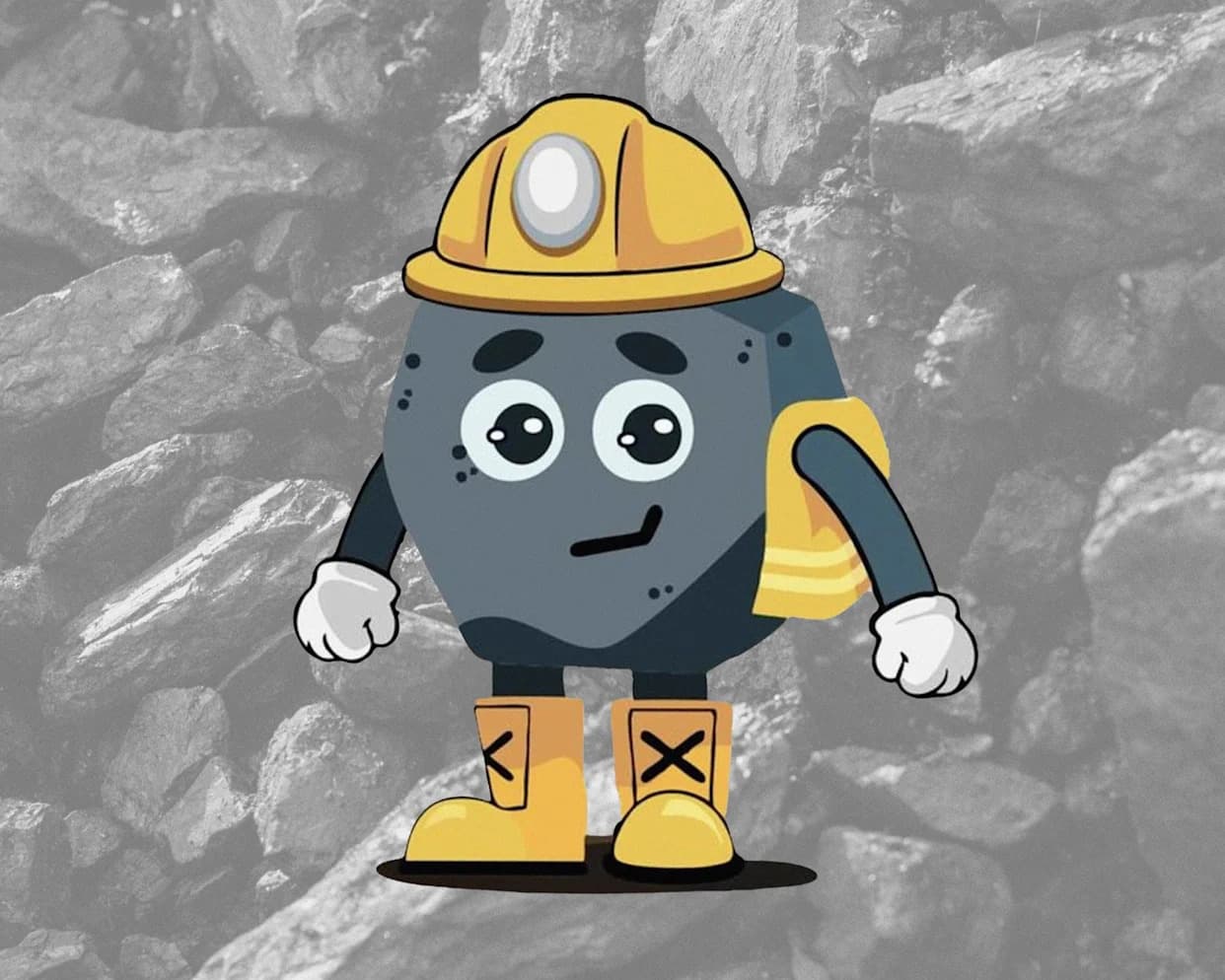
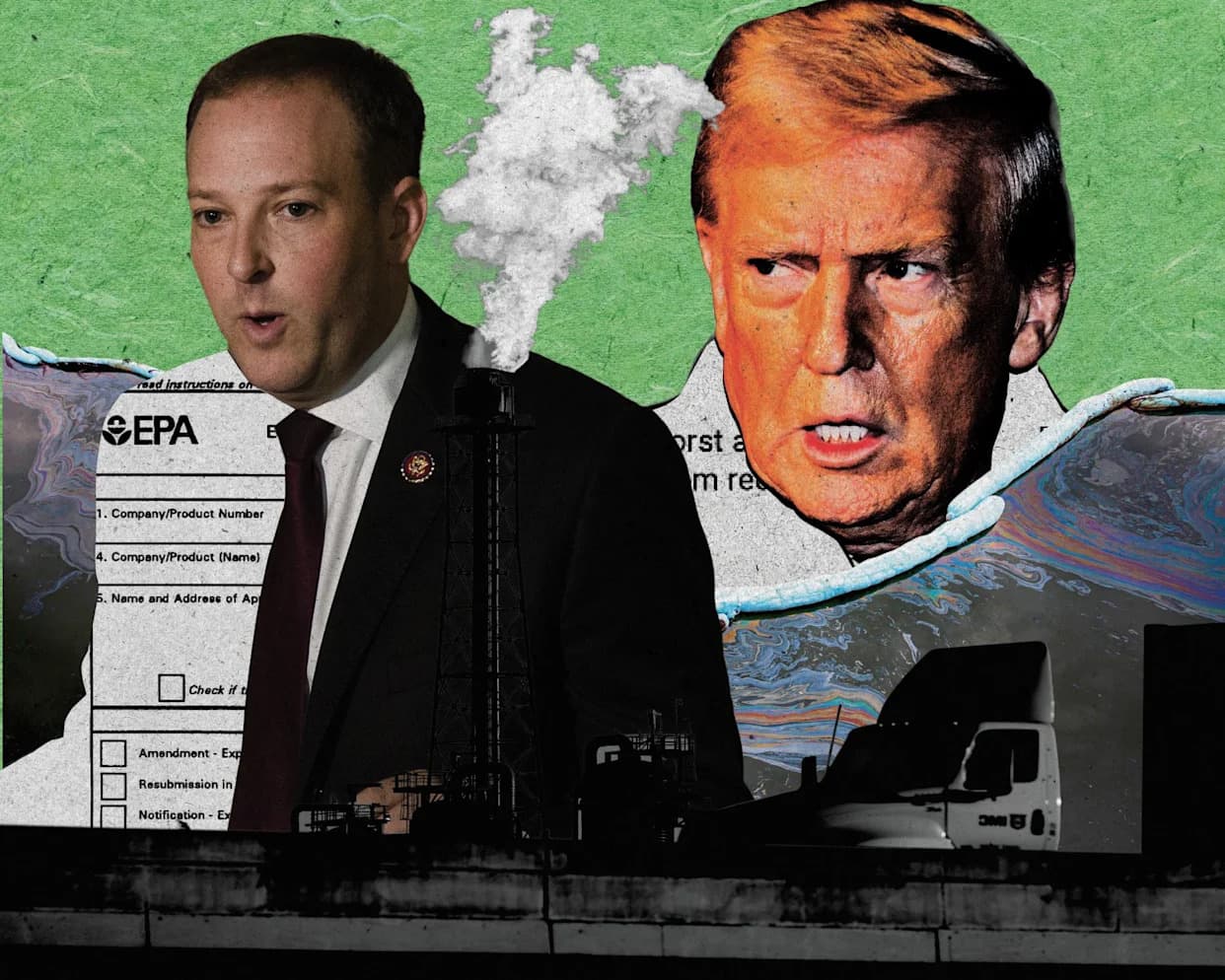
Climate activists criticized the latest attempt by the administration to boost the image of the dirtiest fossil fuel.Illustration: Guardian Design / Getty Images(Illustration: Guardian Design / Getty Images)
The Trump administration has rolled out an unexpected tool in its effort to revive the U.S. coal industry: a cartoon lump of coal nicknamed 'Coalie', complete with oversized eyes and yellow mining gear. The image — an AI-style rendering shared on X by Interior Secretary Doug Burgum with the caption "Mine, Baby, Mine!" — was presented as a spokesperson for the administration's "American Energy Dominance Agenda" and as an ambassador for the Office of Surface Mining Reclamation and Enforcement (OSMRE).
What Is Coalie?
Coalie appears in multiple images on the OSMRE website and social posts: smiling alongside an apparent AI-generated family, perched on a meeting table, and proudly pointing to a reclaimed mine converted into a picnic area. According to reporting from Grist, the original, lower-profile Coalie image dates to 2018 when an OSMRE social media manager added googly eyes to a photograph of coal; the new usage gives the character a more prominent, polished role.
Criticism And Context
Climate campaigners and local activists immediately criticized the mascot as an attempt to soften the image of what remains the most carbon-intensive fossil fuel. Critics say the cheerful character trivializes coal's legacy of pollution, community health harms, and the long-term environmental damage of mining. Junior Walk, an activist with Coal River Mountain Watch, said,
"I think it's sick … and par for the course for this administration and the US government to use AI to put a smiling face to one of the most heinous ways to produce energy that our world has ever seen."
Policy Moves Backing The Mascot
The mascot arrives alongside a series of policy actions intended to boost coal: an executive order aimed at reviving the industry, the addition of coal to a list of nationally critical minerals, actions to halt planned coal-plant closures, and rollbacks of environmental safeguards the administration argues hampered coal. Nevertheless, market forces — notably cheaper natural gas and rapidly falling costs for wind and solar — plus automation, continue to reduce coal's share of power generation and employment.
Health, Environmental And Financial Concerns
Coal remains a major driver of greenhouse gas emissions and a source of toxic air pollution that harms nearby communities. Coal miners face documented occupational illnesses such as black lung disease. Advocates also warn of long-term hazards from abandoned mines: a Republican-controlled Congress has been reported to consider a $500 million cut to a fund used to remediate dangerous, legacy mine sites.
OSMRE's Defense
An OSMRE spokesperson defended the character as an educational tool rather than a promotional mascot, saying it helps explain complex reclamation projects — for example, turning abandoned mine lands into recreational parks and trails. The agency also emphasized coal's role as a baseload source for critical infrastructure such as hospitals, military installations, and other essential services, arguing that Coalie draws attention to reclamation and regulatory solutions.
Why This Matters
Whether viewed as a lighthearted public-engagement tactic or a tone-deaf PR move, Coalie highlights the broader struggle over America's energy future: how policymakers balance legacy industries, community health, climate commitments, and the economic realities driving cleaner energy choices.
Help us improve.