South Sudan has launched Operation Enduring Peace in Jonglei after opposition forces seized several outposts, ordering civilians to evacuate three counties and aid agencies to withdraw within 48 hours. A video of General Johnson Olony urging troops to "spare no lives" provoked international alarm and raised fears of mass atrocities. The offensive follows renewed fighting since December involving factions loyal to Riek Machar and the White Army, and analysts warn the violence could spread without restraint and improved humanitarian access.
South Sudan Launches "Operation Enduring Peace" In Jonglei — Fears Rise After General Urges Troops To "Spare No Lives"
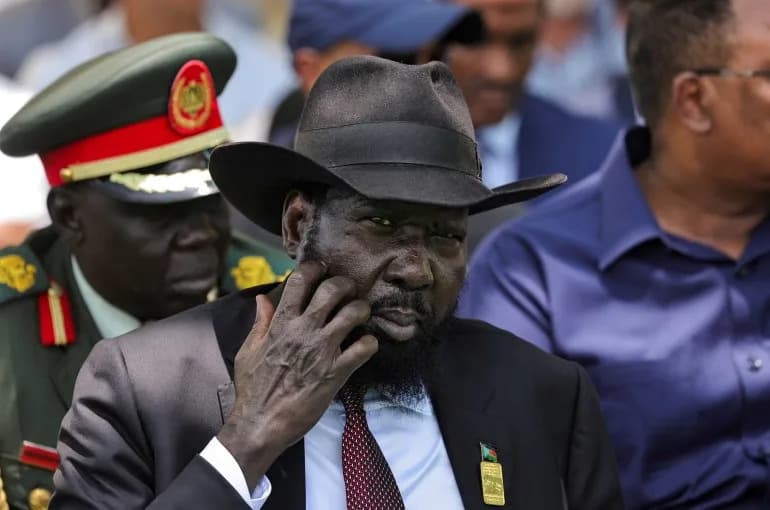
South Sudan President Salva Kiir [File: Tiksa Negeri/Reuters]
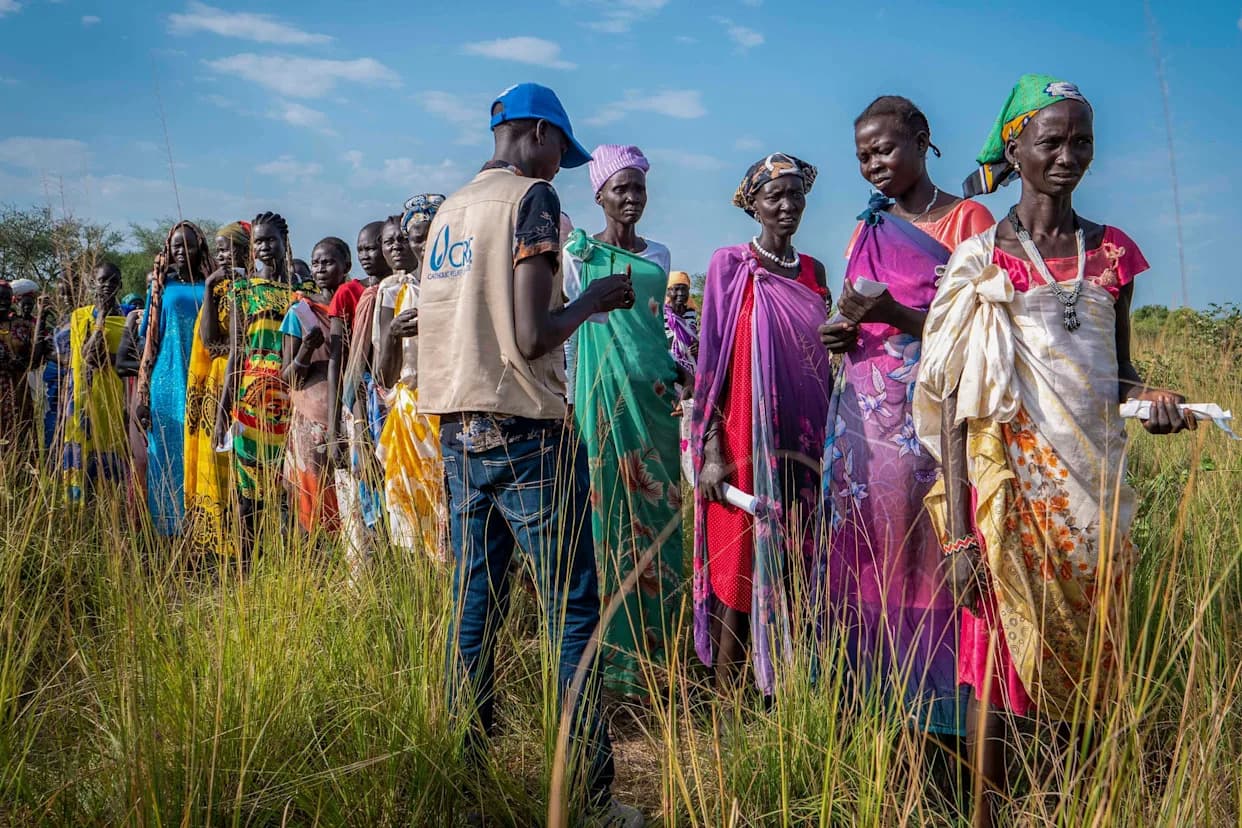
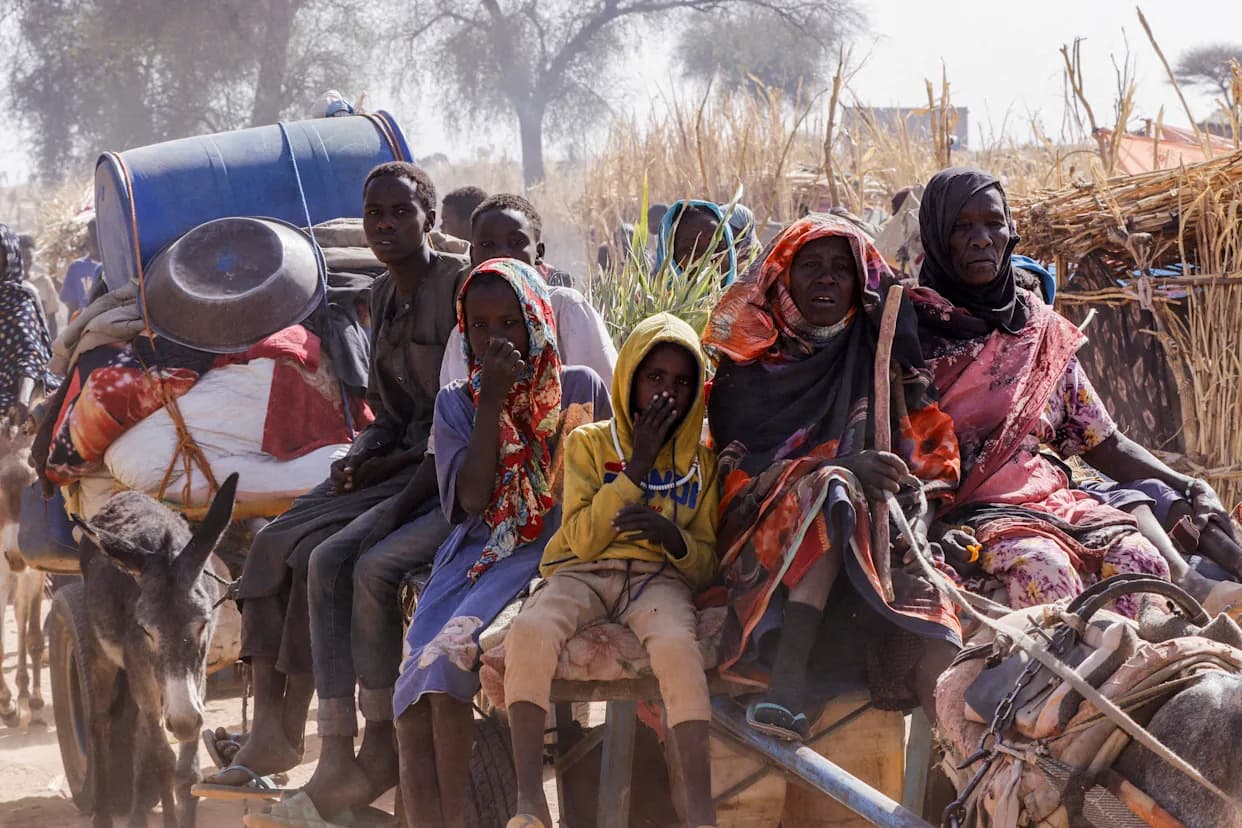
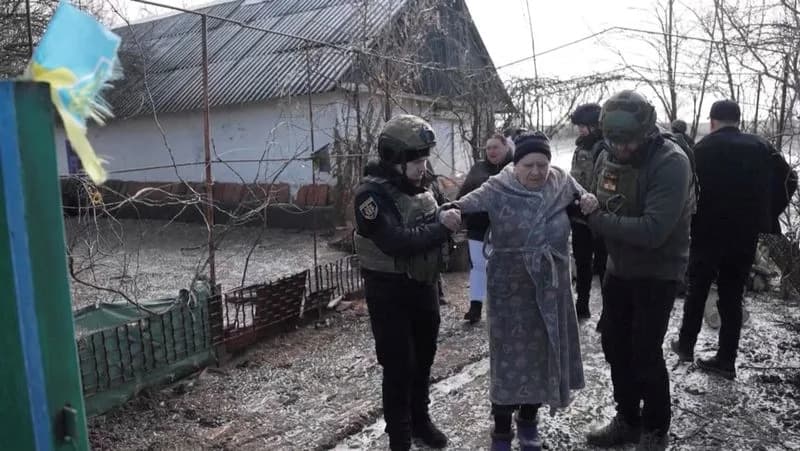
South Sudan's army has launched a major campaign, dubbed Operation Enduring Peace, in Jonglei State after recent territorial losses to opposition forces. The military ordered civilians to evacuate three counties immediately and instructed humanitarian organizations to withdraw within 48 hours, prompting urgent concerns about civilian safety and humanitarian access.
Government Position
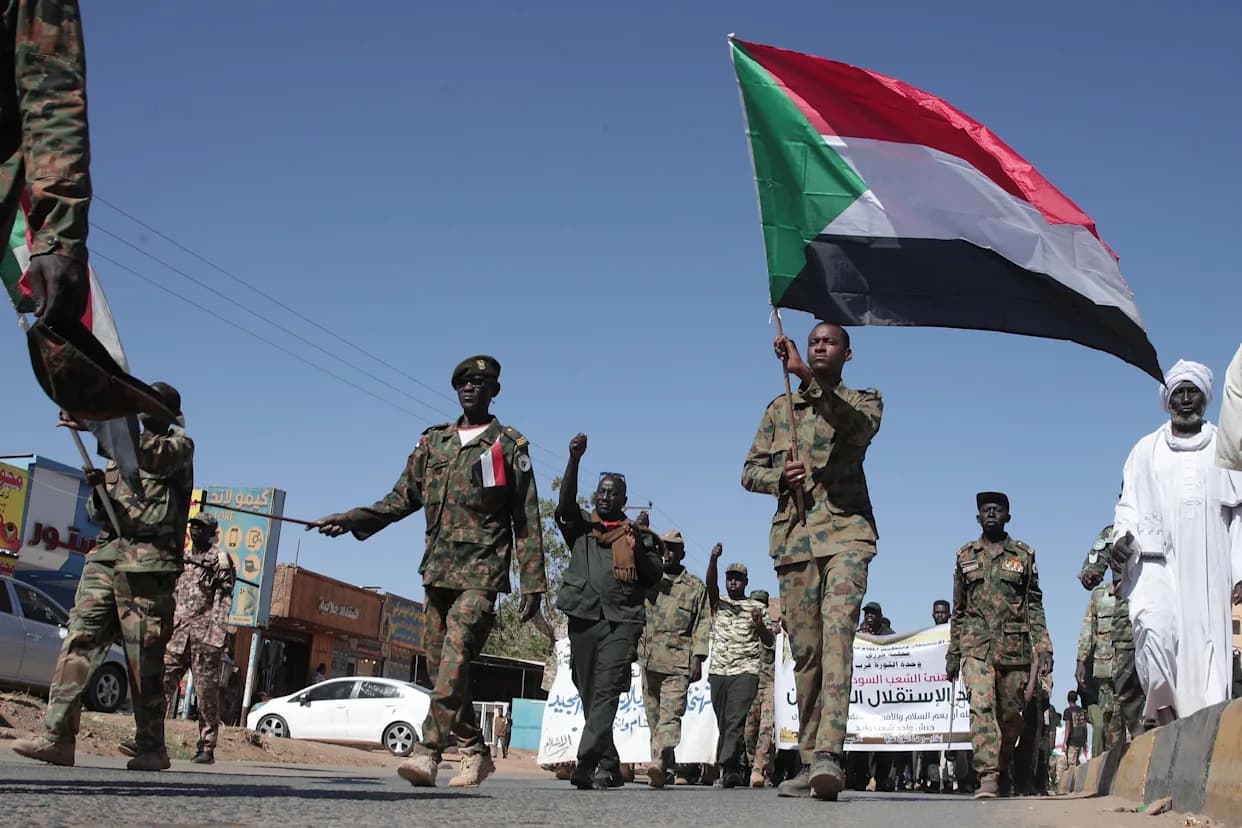
The army spokesman, Lul Ruai Koang, said the operation aims to retake towns seized by opposition fighters and to "re-establish law and order." Information Minister Ateny Wek Ateny told reporters the country is "not at war," describing the offensive as an effort to stop an opposition advance rather than a return to full-scale conflict.
Alarm After Disturbing Video
Shortly before the offensive was announced, video circulated showing General Johnson Olony addressing troops in Duk County and urging them to "spare no lives" and destroy property. The clip provoked sharp condemnation from the United Nations, rights groups, and civic leaders, who warned the rhetoric increases the risk of war crimes and mass atrocities against civilians.
“Spare no lives... don’t spare an elderly, don’t spare a chicken, don’t spare a house or anything.” — General Johnson Olony
Who Are The Opposition Forces?
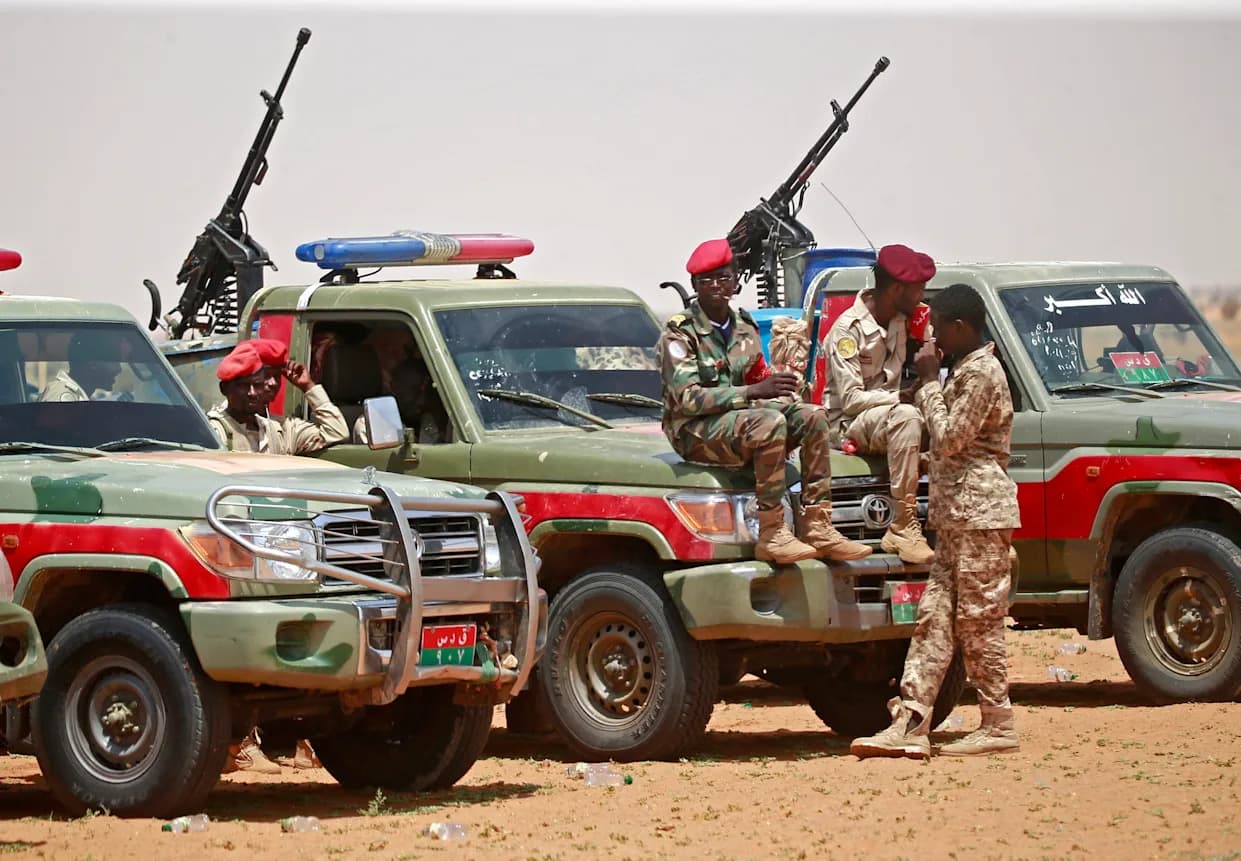
Since December, a coalition of opposition groups has captured a string of government outposts in central Jonglei. That coalition includes factions loyal to opposition leader Riek Machar and fighters from the White Army, an ethnic Nuer militia that has at times fought alongside Machar but considers itself distinct.
Political Context
Riek Machar, an ethnic Nuer who was named one of five vice presidents under the 2018 peace agreement, was suspended last year after White Army fighters overran a military garrison in Nasir. He faces treason and other charges related to that attack and remains under house arrest in Juba while a slow-moving trial proceeds. Many observers view his prosecution as undermining the 2018 peace deal, even as President Salva Kiir’s government insists implementation continues.
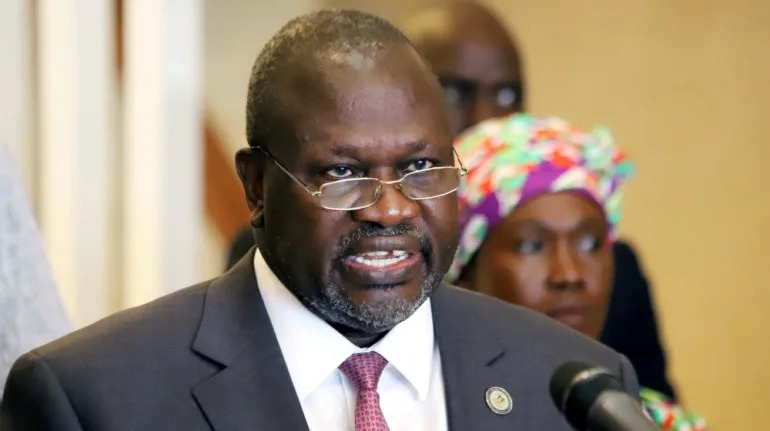
South Sudan’s suspended First Vice President Riek Machar [File: Samir Bol/Reuters]
Recent Military Developments
Opposition fighters seized the government post at Pajut on January 16 and threatened to push on Juba. In response, the government concentrated forces in nearby Poktap and several thousand Ugandan soldiers were deployed to help defend the capital. Army chief Paul Nang ordered troops to "crush the rebellion" in Jonglei within a week.
Humanitarian And Rights Concerns
Humanitarian organizations face immediate access restrictions following the 48-hour withdrawal order. Armed groups, including elements of the regular forces, have long been implicated in abuses such as forced recruitment and sexual violence. The U.N. Commission on Human Rights in South Sudan said it is "gravely alarmed" and warned the developments significantly heighten the risk of mass violence against civilians.
Ethnic Tensions And Contested Deployments
General Olony, who leads the Agwelek militia and was integrated into the national army, is from the Shilluk community. His deployment to predominantly Nuer areas is controversial: in 2022, White Army fighters razed Shilluk villages and displaced thousands, and Olony’s presence may inflame intercommunal tensions and aid opposition mobilisation.
Outlook
Analysts warn the conflict risks spreading beyond Jonglei unless political grievances, impunity, and troop behaviour are addressed. International calls emphasize the need for restraint, protection of civilians, accountability for abuses, and immediate, unhindered humanitarian access.
Key figures mentioned: Lul Ruai Koang (army spokesman); Ateny Wek Ateny (information minister); General Johnson Olony (military commander); Riek Machar (opposition leader); Paul Nang (army chief).
Help us improve.