Usama Ghanem, a 22-year-old Egyptian student at King’s College London, was suspended in May and faces visa cancellation after participating in pro‑Palestinian campus protests. The UK Home Office formally cancelled his visa sponsorship on Nov. 28 and gave a 60‑day notice to leave the UK, though no criminal charges have been filed. Ghanem alleges prior detention and torture in Egypt and a PTSD diagnosis; his lawyers and supporters say KCL ignored these risks and are calling for the decision to be reversed. The case highlights tensions over campus protest rules, academic freedom and immigration enforcement.
Egyptian King’s College Student Faces Deportation After Pro-Palestinian Protests — Claims Past Torture and PTSD
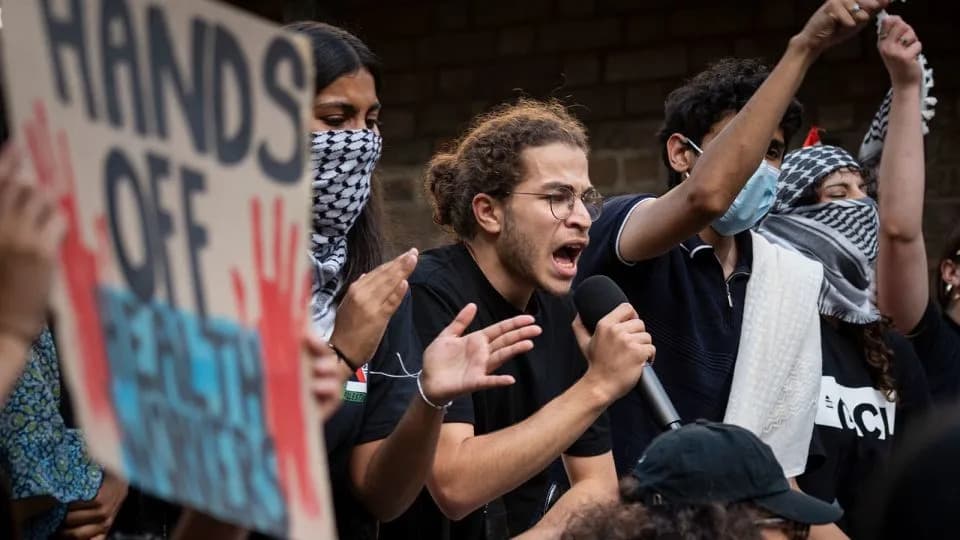
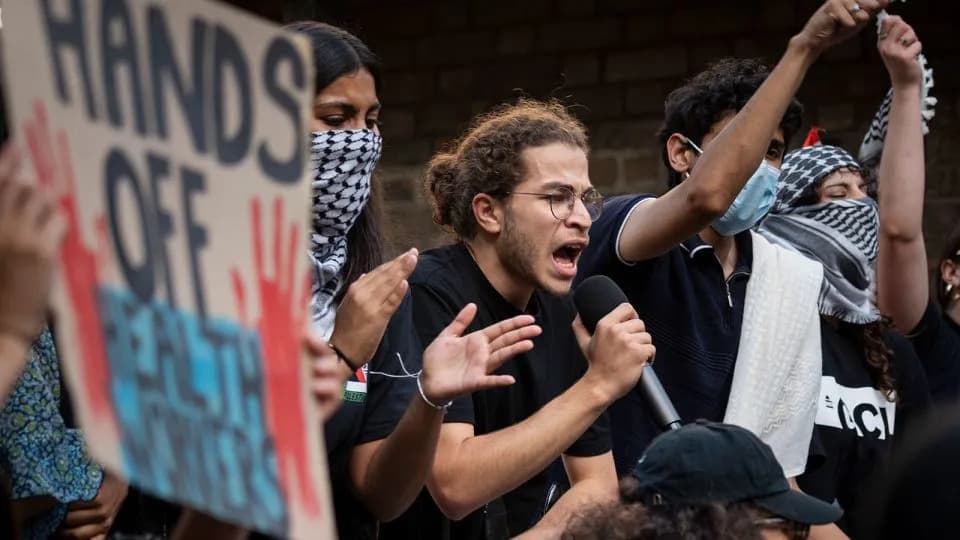
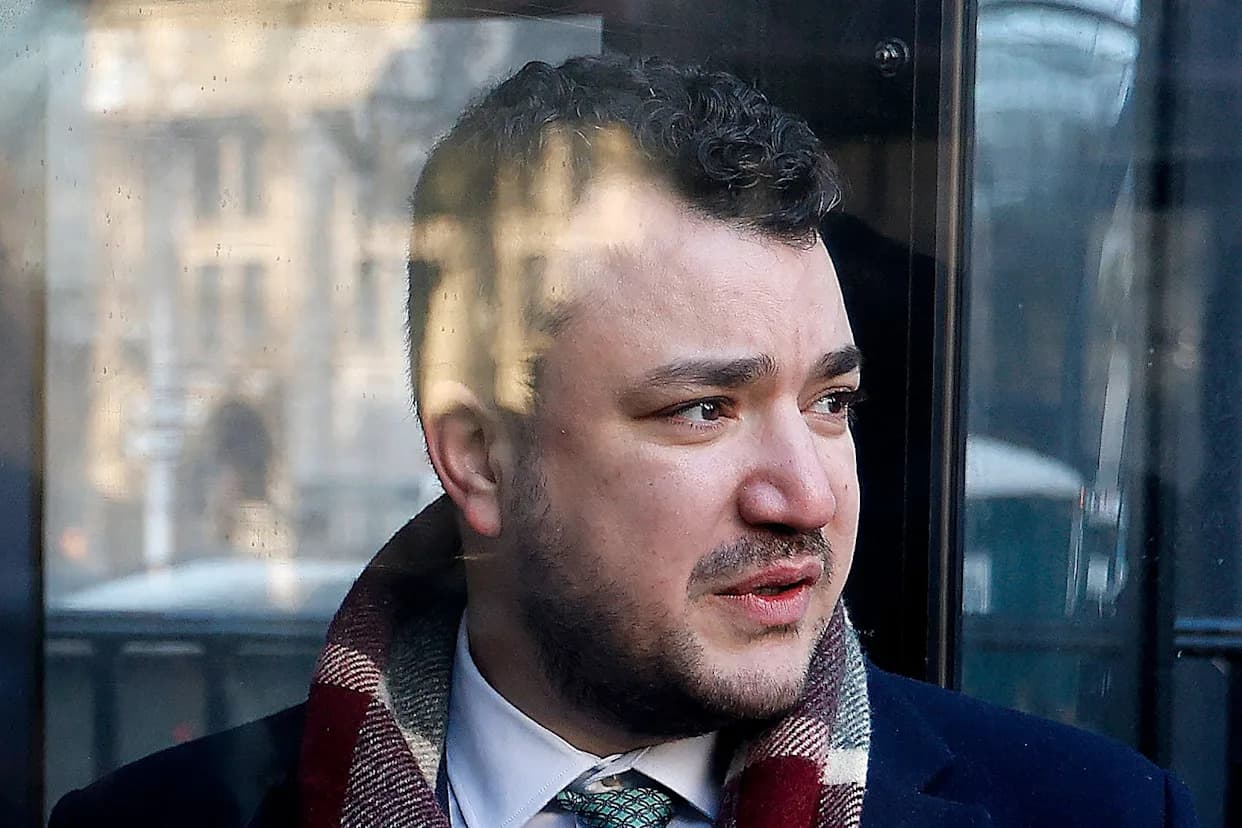
University student Usama Ghanem (center) faces deportation from Britain after King’s College London launched disciplinary action following his involvement in pro-Palestinian protests. - Ali Khadr
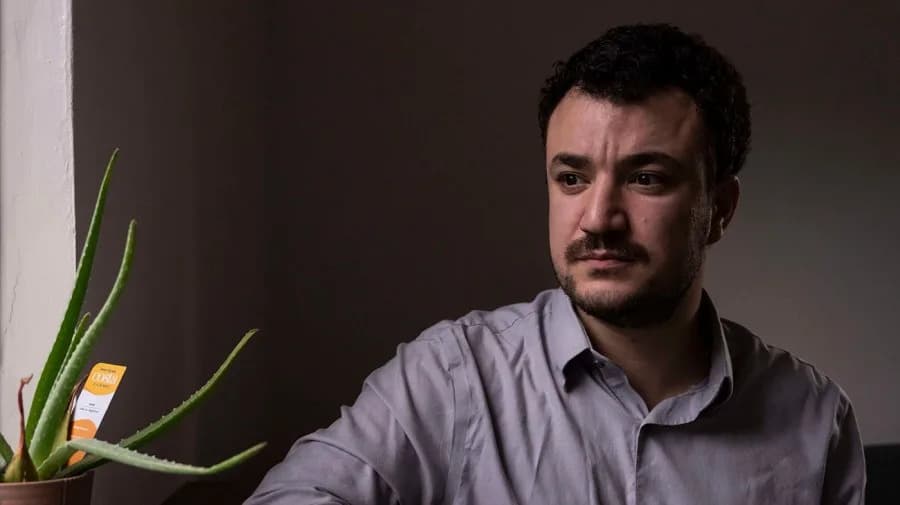
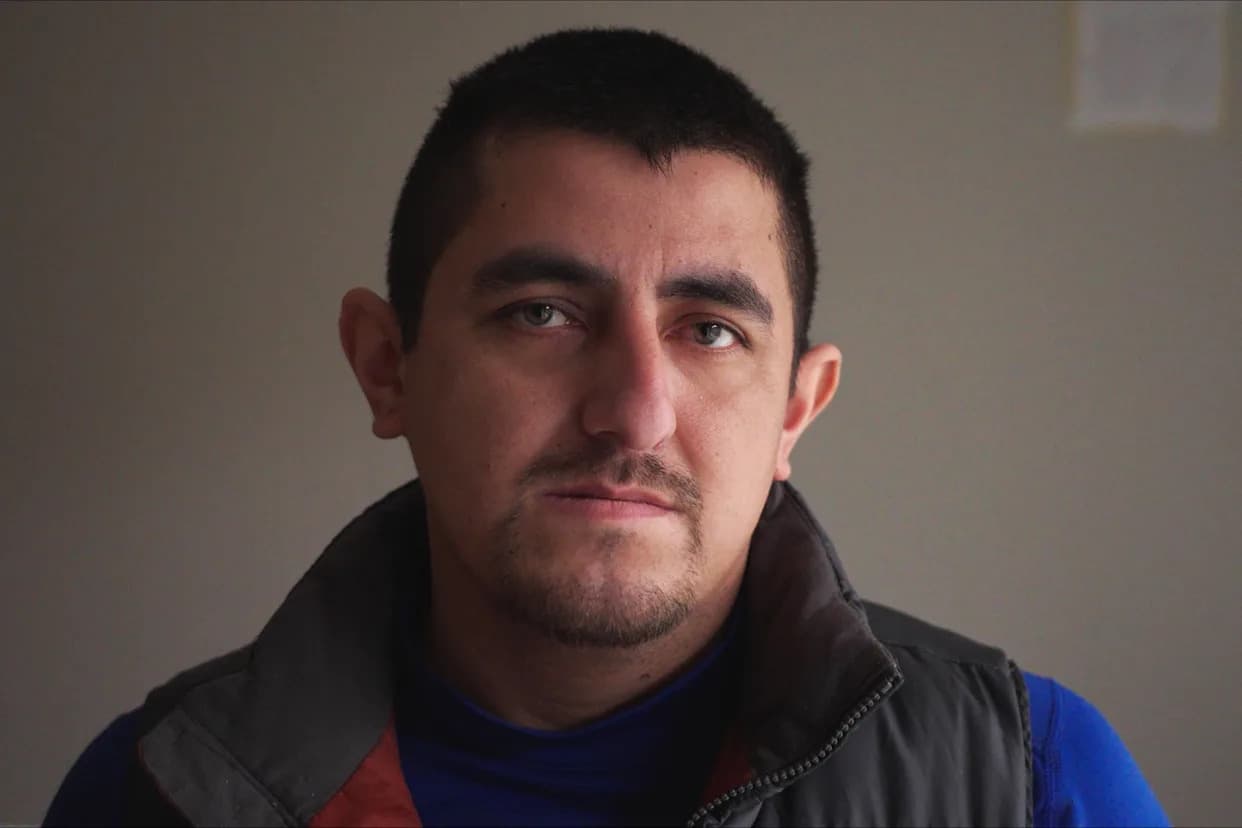
Usama Ghanem, a 22-year-old Egyptian undergraduate at King’s College London (KCL), was suspended by the university in May and faces the withdrawal of his visa sponsorship after taking part in pro-Palestinian campus protests. The UK Home Office sent formal notice on Nov. 28 that his visa sponsorship had been cancelled and advised he should be prepared to leave the UK within 60 days. Ghanem’s lawyers say no criminal charges have been filed against him; they warn he could be deported to Egypt within days and fear he may face imprisonment if returned.
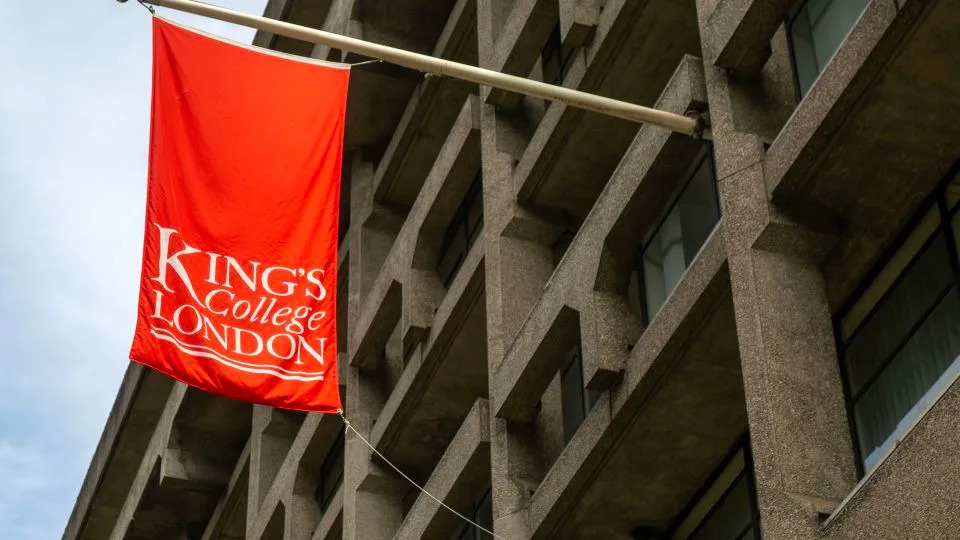
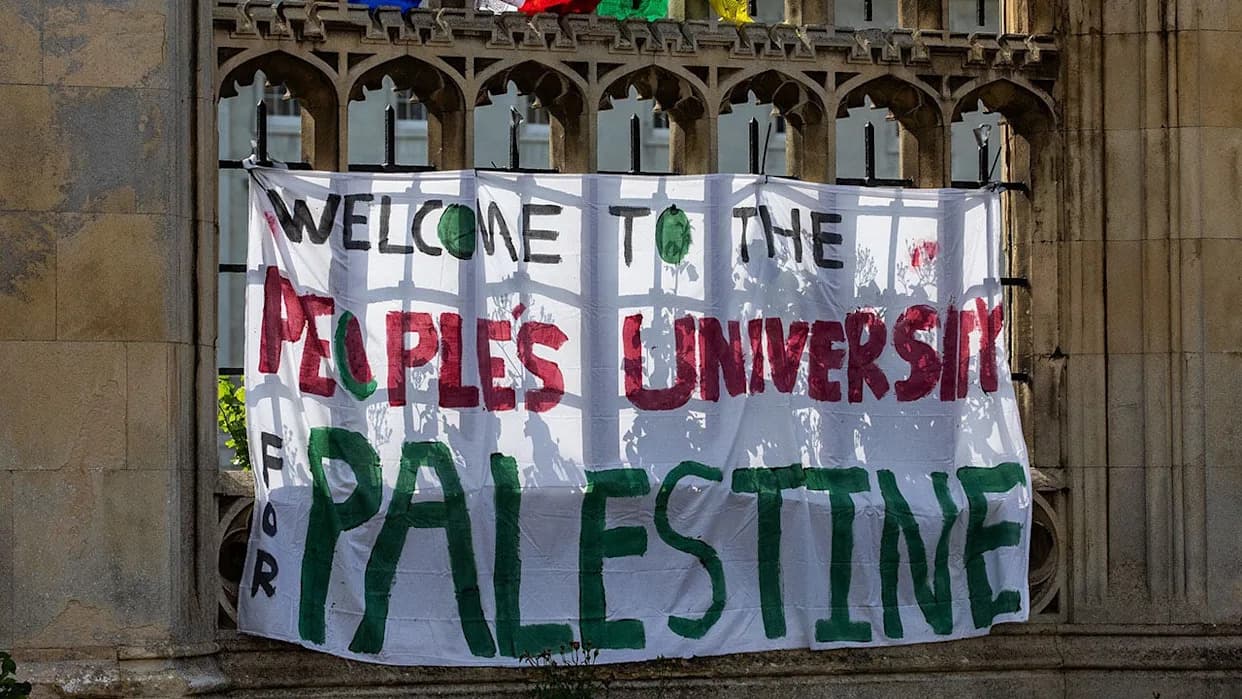
A King's College London spokesperson said students there “are not disciplined for lawful affiliations, including support for pro-Palestine views, nor for participating in lawful protests." - Geography Photos/Universal Images Group/Getty Images
Background
Ghanem says he grew up in Cairo under authoritarian rule, witnessed the Rabaa massacre in 2013 and was targeted by Egyptian security services. He alleges that in 2020, at age 16, he and family members were detained and abused—claims that include beatings, electric shocks and starvation. Those allegations are central to his legal challenge against KCL, which his lawyers say also records a diagnosis of post-traumatic stress disorder (PTSD).
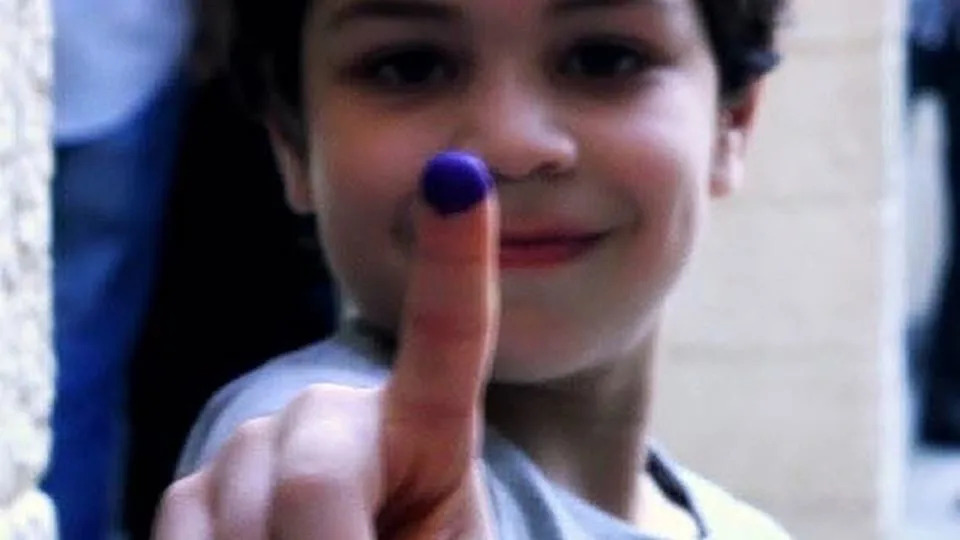
Ghanem, pictured during his childhood in Cairo, Egypt in March 2011, was raised under the shadow of the Arab Spring, a period he recalls as a “complete political awakening.” - Usama Ghanem
Allegations and University Action
King’s College initiated three disciplinary reviews over Ghanem’s alleged conduct during campus protests: reportedly disrupting an alumni dinner (June 2024), demonstrating at a February 2025 event and demanding divestment at the London Defence Conference (May). KCL has cited non-academic misconduct, including procedural breaches, health and safety concerns, alleged offensive behaviour and operational obstruction. KCL also disputed the claim—made by Ghanem’s legal team—that 28 students have faced disciplinary action, calling that number inaccurate.
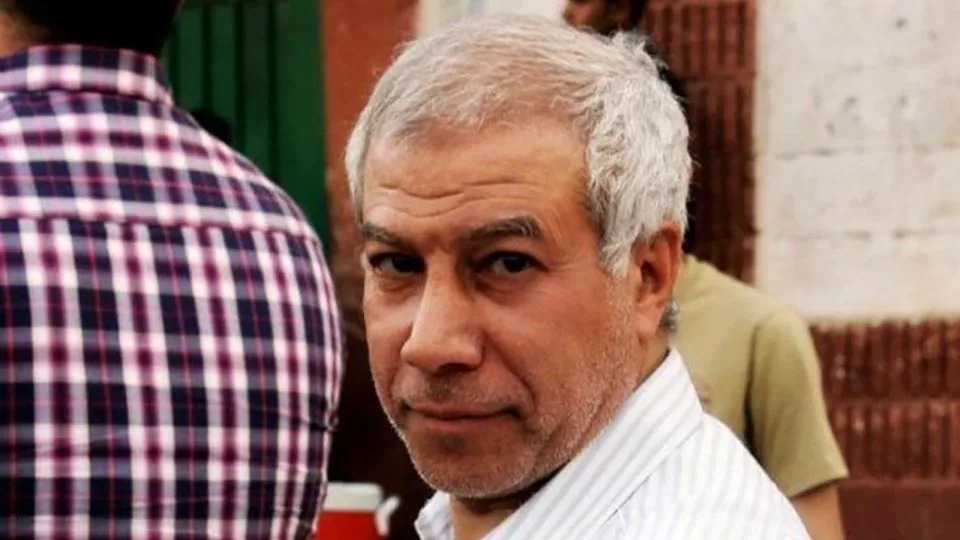
Ghanem says his father, seen with him as a child in Cairo, Egypt, in May 2012, inspired his desire to improve his political literacy. - Usama Ghanem
“Students at KCL are not disciplined for lawful affiliations, including support for pro‑Palestine views, nor for participating in lawful protests,” a university spokesperson said on Jan. 13, adding it was incorrect to suggest students with different perspectives are treated differently.
Legal And Immigration Implications
When a sponsoring university suspends or withdraws sponsorship, the Home Office is notified and a student can lose their right to remain if they do not secure alternative immigration arrangements. The Home Office told CNN it does not comment on individual cases. Ghanem’s lawyers say he lacks lawful status in a safe third country, making near-term deportation to Egypt likely if the university's decision stands.
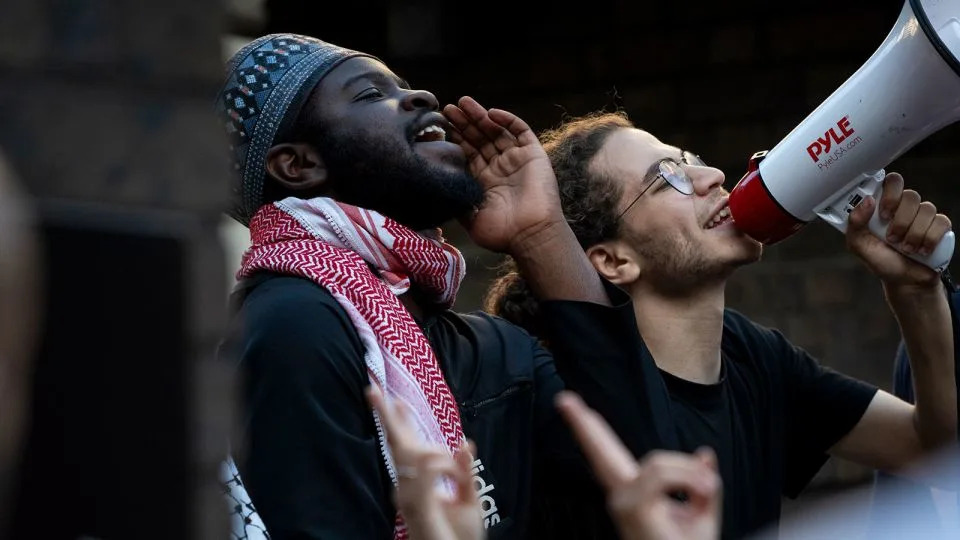
Usama Ghanem, right, took part in pro-Palestinian campus activism at KCL which included circulating petitions, establishing a campus encampment and staging sit-ins. - Ali Khadr
Support, Criticism and Broader Context
Hundreds of staff and students have rallied behind Ghanem. More than 40 academics from the King’s Race Research Network wrote to senior management in November accusing KCL of institutional racism. Rights groups and academic freedom advocates, including the British Society for Middle Eastern Studies (BRISMES), warn disciplinary processes can chill lawful political speech and disproportionately affect marginalized and international students.
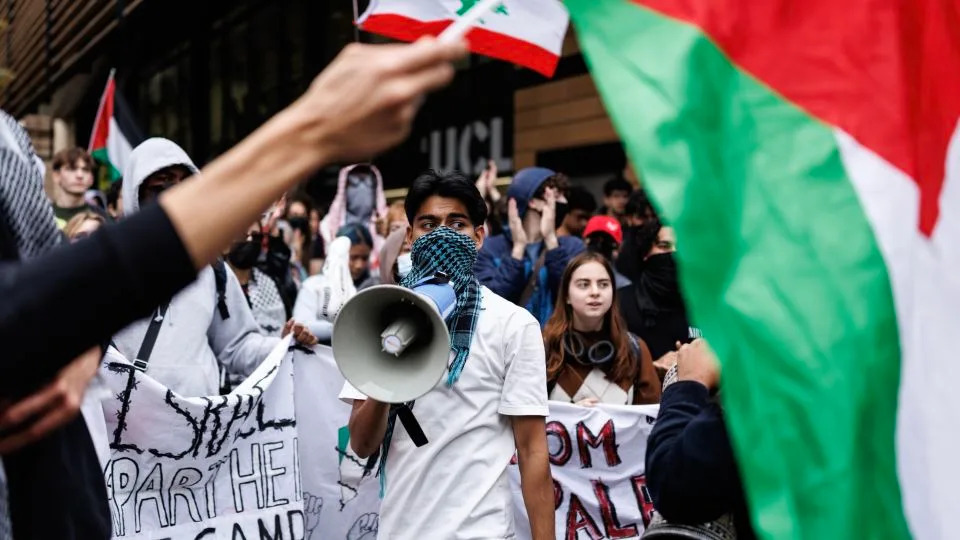
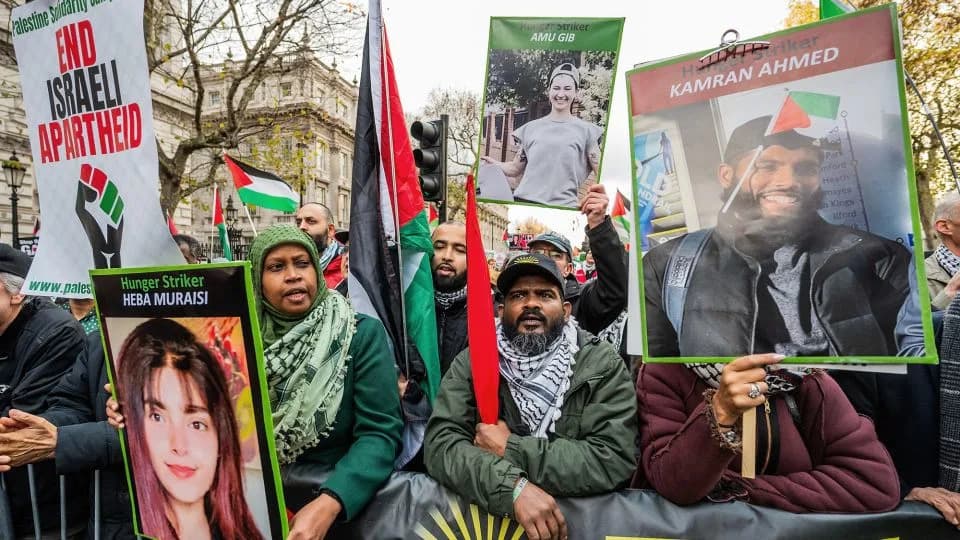
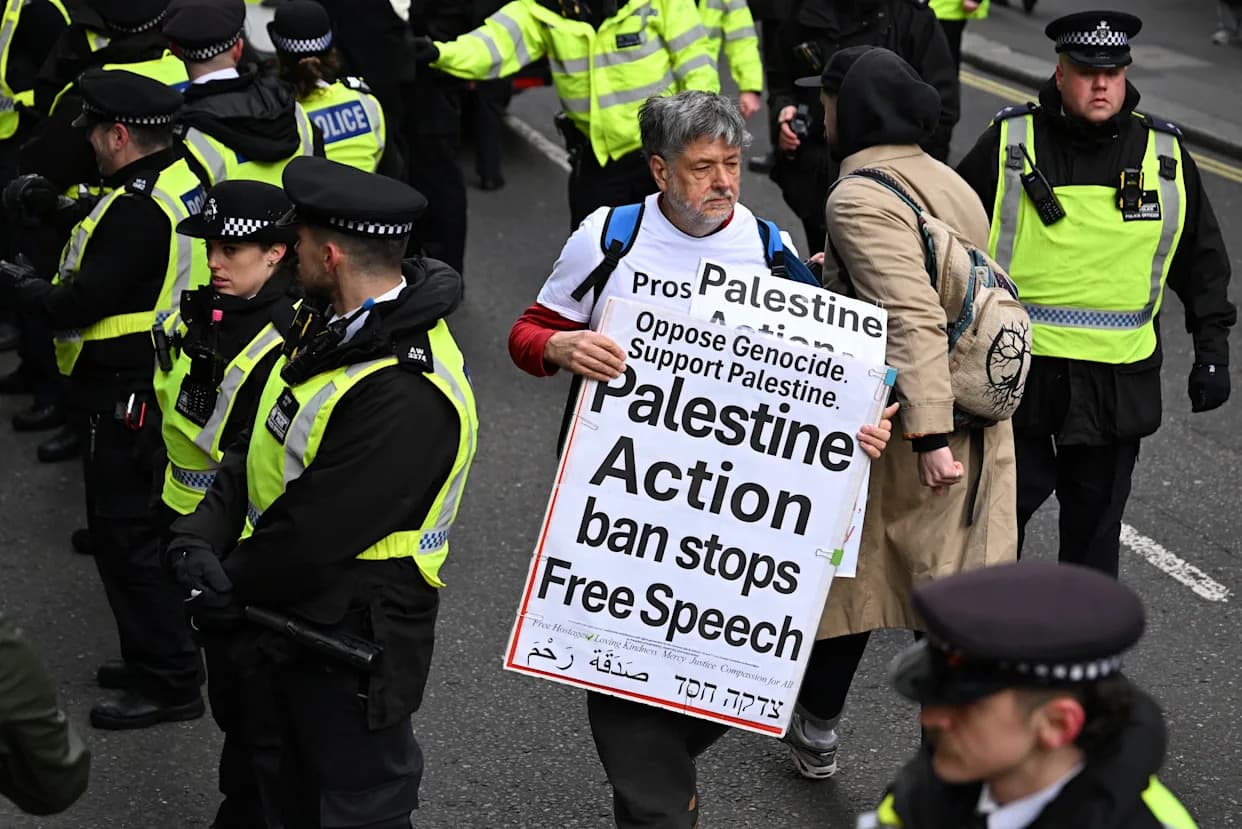
Pro-Palestinian university students march through central London to mark two years since Israel's war in Gaza, on October 7, 2025. - Dan Kitwood/Getty Images
The case sits within wider campus tensions around Israel-Palestine protests, rising incidents of antisemitic and anti-Muslim attacks globally, and heightened scrutiny of immigration policy in the UK and US. Some Jewish and student groups say protests have created intimidation; others argue accusations of antisemitism are sometimes used to silence legitimate criticism of Israel.
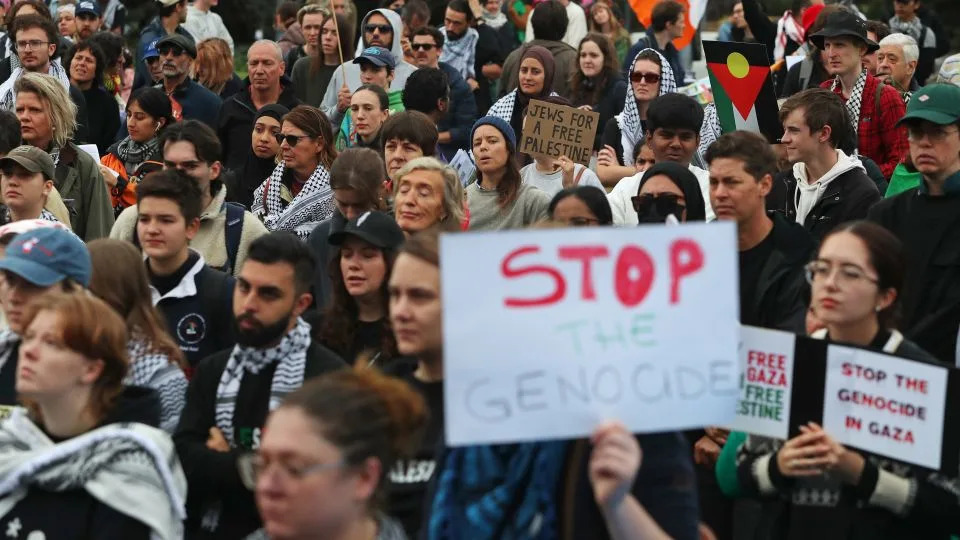
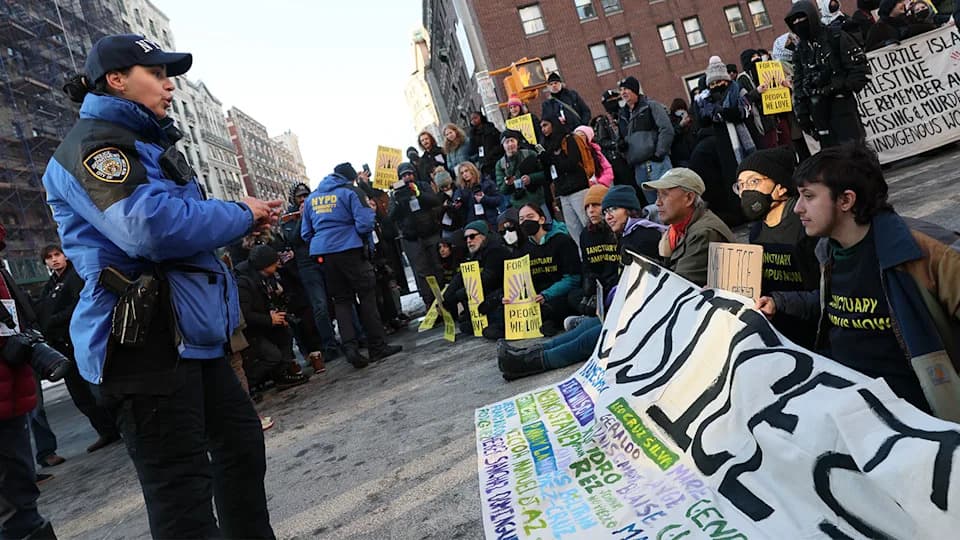
Demonstrators gather at the University Of Sydney in support of a pro-Palestinian encampment on May 3, 2024 in Sydney, Australia. - Lisa Maree Williams/Getty Images
What Comes Next
Ghanem’s suspension remains under review. His legal case against KCL alleges breaches of human rights, assault, personal injury, discrimination and harassment. Supporters continue to call on the university to reverse its decision; university officials say disciplinary steps follow policy when behaviour breaches regulations. The immediate practical outcome is an immigration deadline tied to the cancelled sponsorship, and the possibility of deportation unless Ghanem secures alternative leave to remain.
Clarification: This article has been updated to reflect additional responses from King’s College London.
Help us improve.