Newly unsealed court records show the Trump-era administration revoked Tufts PhD student Rümeysa Öztürk’s visa and detained her despite no clear evidence that she supported terrorist activity. Officials cited an opinion piece she co-authored criticizing Tufts and Israel as a factor, yet DHS, ICE and HSI investigators did not identify antisemitic statements or material support for terrorism. A judge later ordered her release, warning that continued detention could chill noncitizen speech.
Unsealed Files: Tufts Student’s Visa Revoked After Op-Ed, Documents Show Lack of Terrorism Evidence
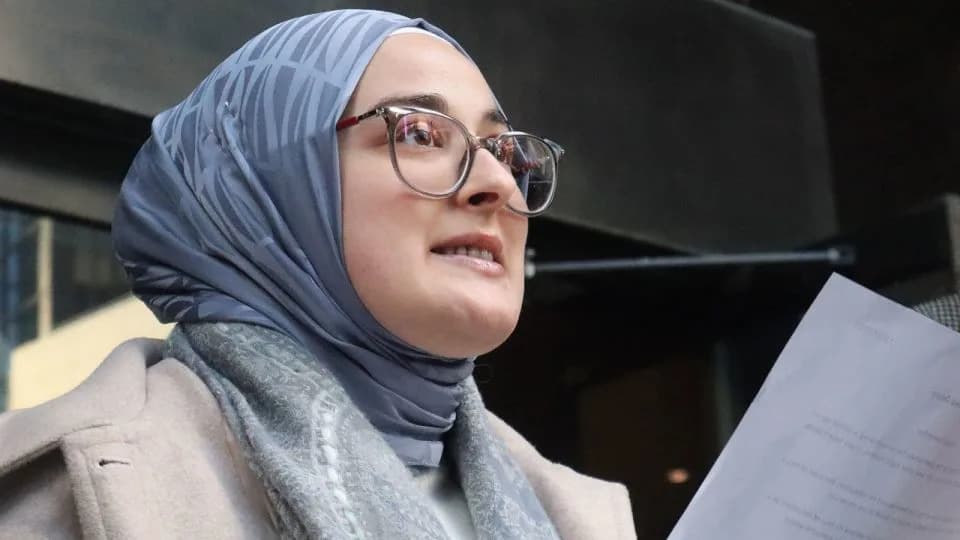
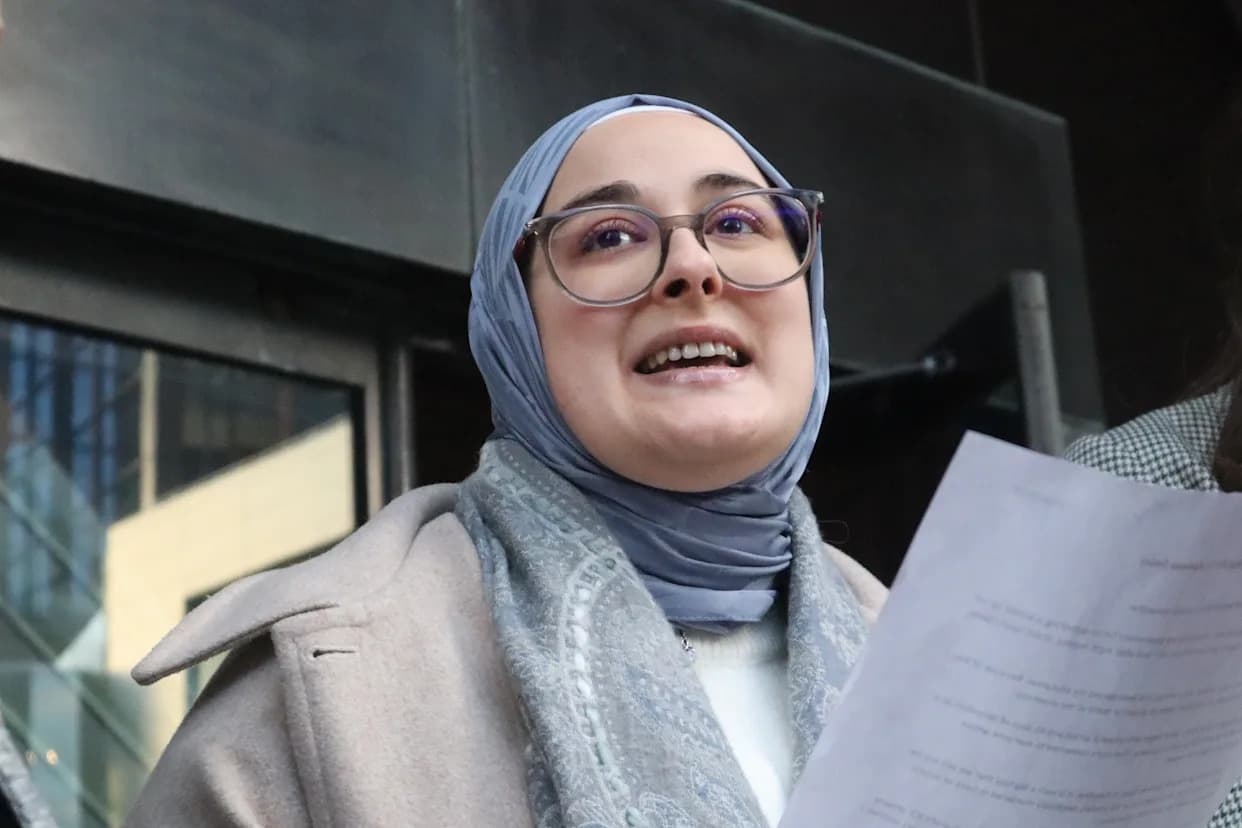
Tufts University doctoral student Rumeysa Ozturk reads from a prepared statement following a court hearing outside the John Joseph Moakley United States Courthouse Thursday, December 4, 2025, in Boston. - Leah Willingham/AP
Newly unsealed court documents reveal that the Trump-era administration lacked concrete evidence that Tufts University PhD student Rümeysa Öztürk supported terrorist activity when authorities detained her and revoked her visa — actions that officials tied to an opinion article she co-authored critical of Tufts and Israel.
What the Records Say
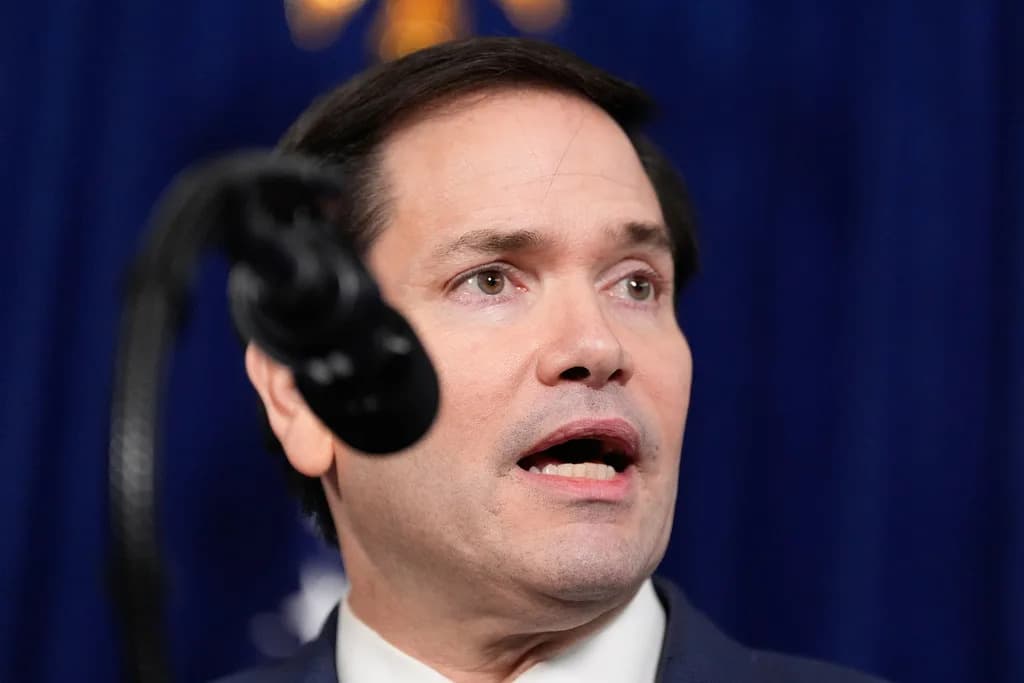
The documents were released as part of litigation involving several students whose visas were canceled last year under directives from Secretary of State Marco Rubio. They show officials struggled to find legal grounds to justify Öztürk’s removal and repeatedly noted the likelihood of First Amendment challenges.
A State Department memo cited the op-ed co-written by Öztürk and said her actions “may undermine U.S. foreign policy by creating a hostile environment for Jewish students and indicating support for a designated terrorist organization,” referring in part to her association with a student group later temporarily barred from campus.
But the records also contain a starkly different finding: a department official reported that investigations by DHS, ICE and Homeland Security Investigations (HSI) had not identified any antisemitic activity, public statements supporting a terrorist organization, or other standard grounds for removability such as providing material support to a designated foreign terrorist organization.
“DHS did not identify any alternative grounds of removability that would be applicable to Öztürk,” the memo said, while also recommending visa revocation "based on the totality of the circumstances."
Timeline And Public Statements
In March, Secretary Rubio posted on X that the administration would "be revoking the visas and/or green cards of Hamas supporters in America so they can be deported." That same month, Öztürk was detained by a plainclothes officer outside her home, and the government moved to cancel her student visa.
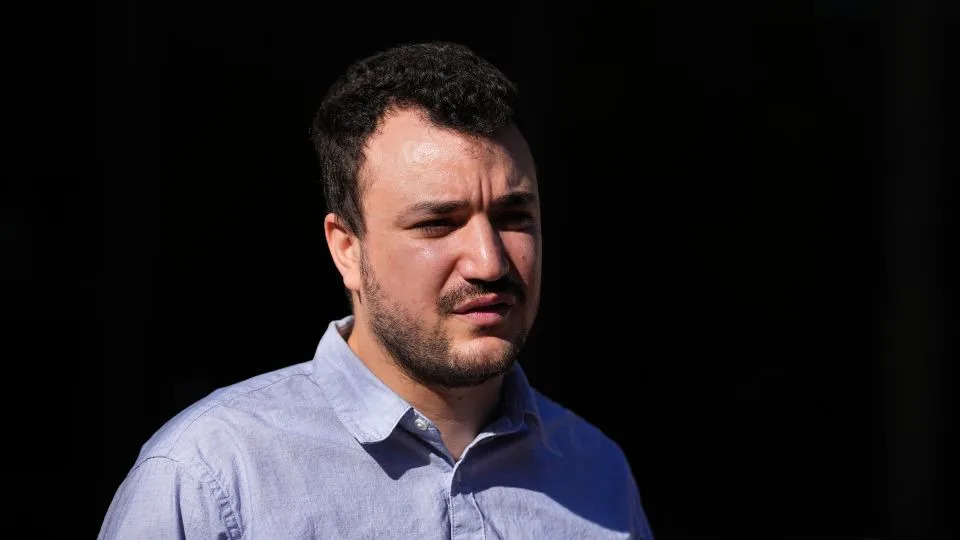
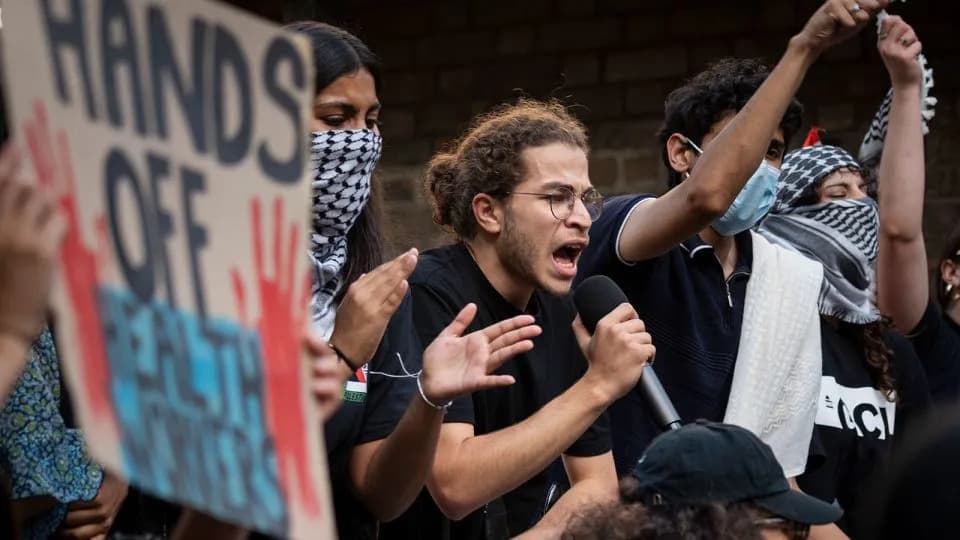
This October 2025 photo shows Palestinian activist Mahmoud Khalil holds a news conference outside Federal Court in Philadelphia. - Matt Rourke/AP
At the time, DHS spokeswoman Tricia McLaughlin publicly asserted that agency investigations had found Öztürk had "engaged in activities in support of Hamas." The newly disclosed State Department memo, however, contradicts that public claim by saying DHS, ICE and HSI had not established such evidence.
In May, a federal judge ordered Öztürk released, warning that continued detention could chill the speech of millions of noncitizens in the United States — a concern the documents show government lawyers anticipated.
Implications
The records raise questions about how national security and immigration authorities weigh political speech, campus activism and due process. Government officials in the released files acknowledged legal exposure given First Amendment protections, even as they pursued visa revocations tied to criticism of Israel and campus protest activity.
State Department spokespeople defended the decisions in public statements, saying the administration is using available tools to remove "terrorist-supporting aliens" and stressing that visas are privileges subject to review for national security reasons.
The unsealed documents add to ongoing debates over government use of immigration powers in response to political expression and the standards required to classify speech or association as grounds for exclusion or deportation.
Help us improve.