Summary: DHS and CBP officials initially described the agents who shot Alex Pretti as facing a "violent riot," but bystander video, photos, eyewitness testimony, and the CBP OPR report contradict that depiction. Footage shows Pretti never drew his handgun; it remained holstered until an agent removed it during a struggle. The OPR report documents whistle-blowing civilians and a pepper-spray encounter but omits disputed details about when Pretti was disarmed and the number/direction of shots fired. Critics point to past DHS misstatements, casting doubt on the agency's ability to investigate itself impartially.
DHS Walks Back 'Violent Riot' Claim After Video, Eyewitnesses Contradict Account of Alex Pretti Shooting
DHS Retreats From the Claim That the Agents Who Killed Alex Pretti Faced a 'Violent Riot'
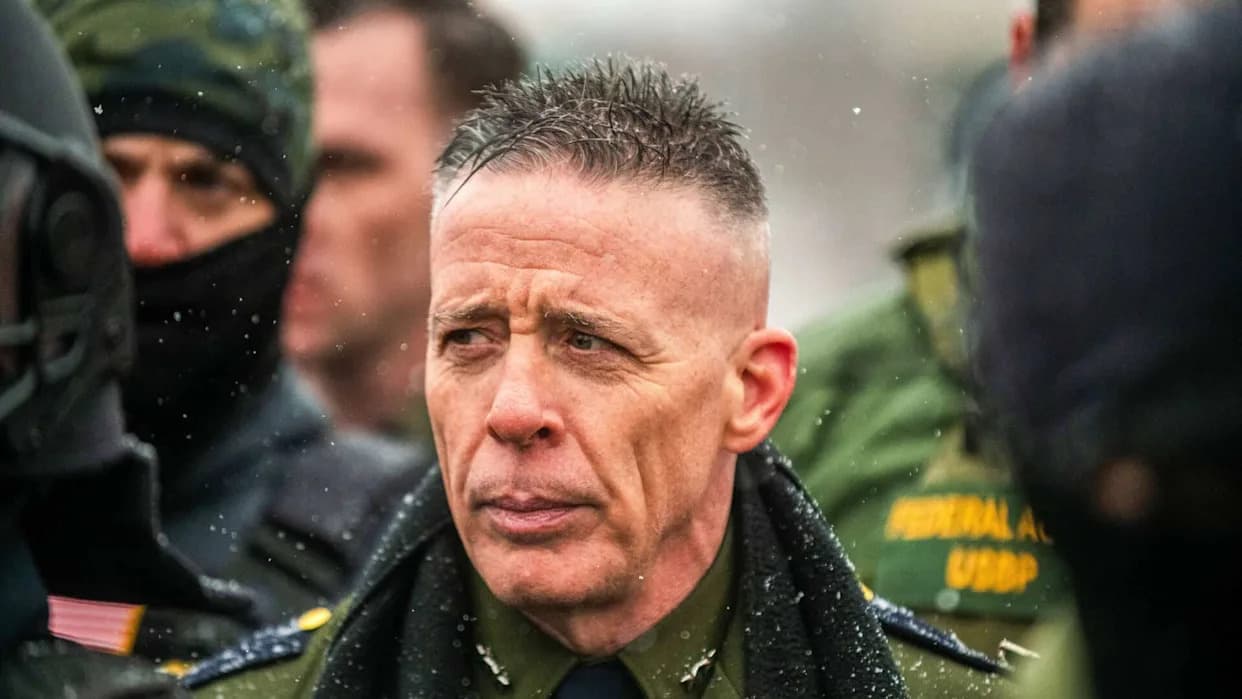
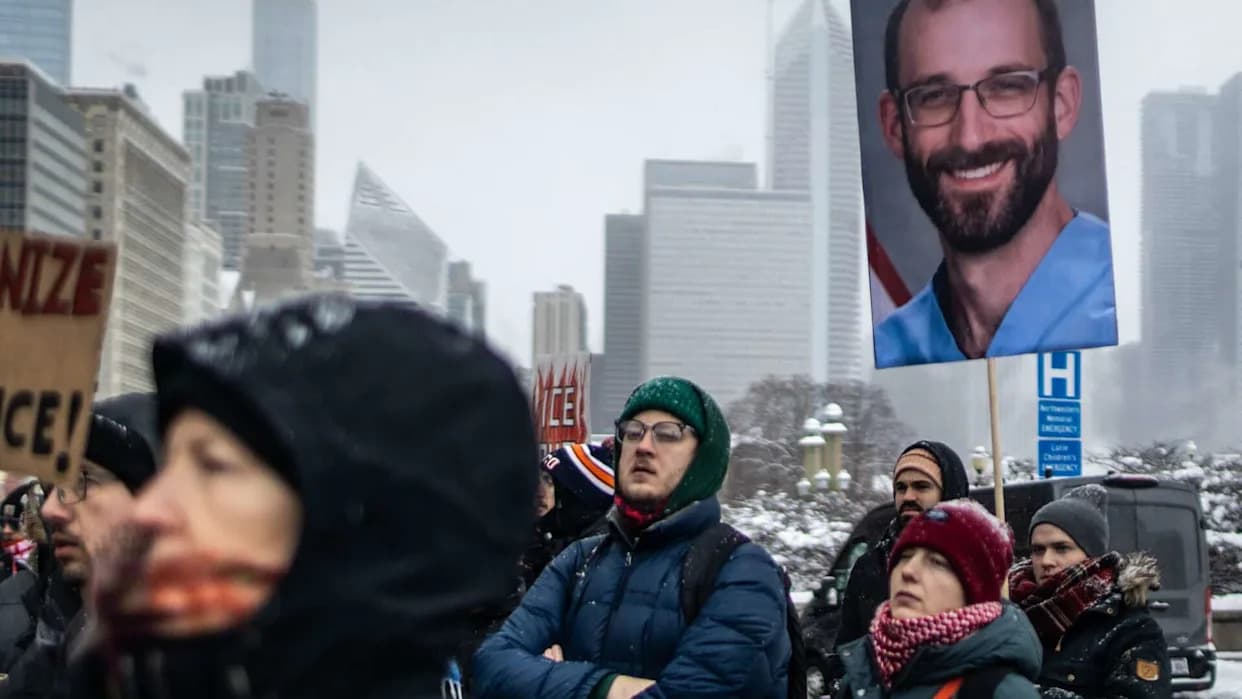
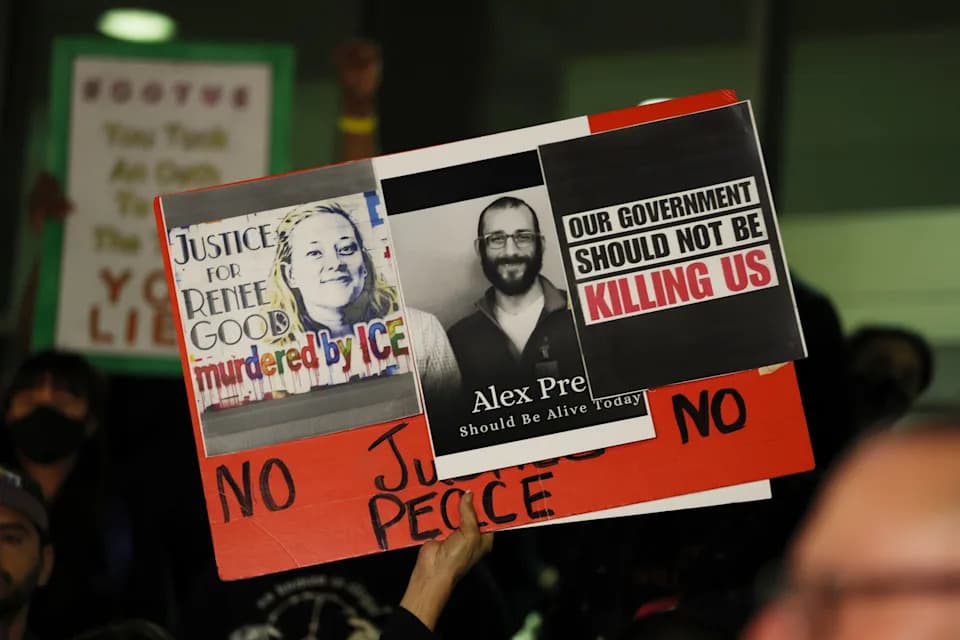
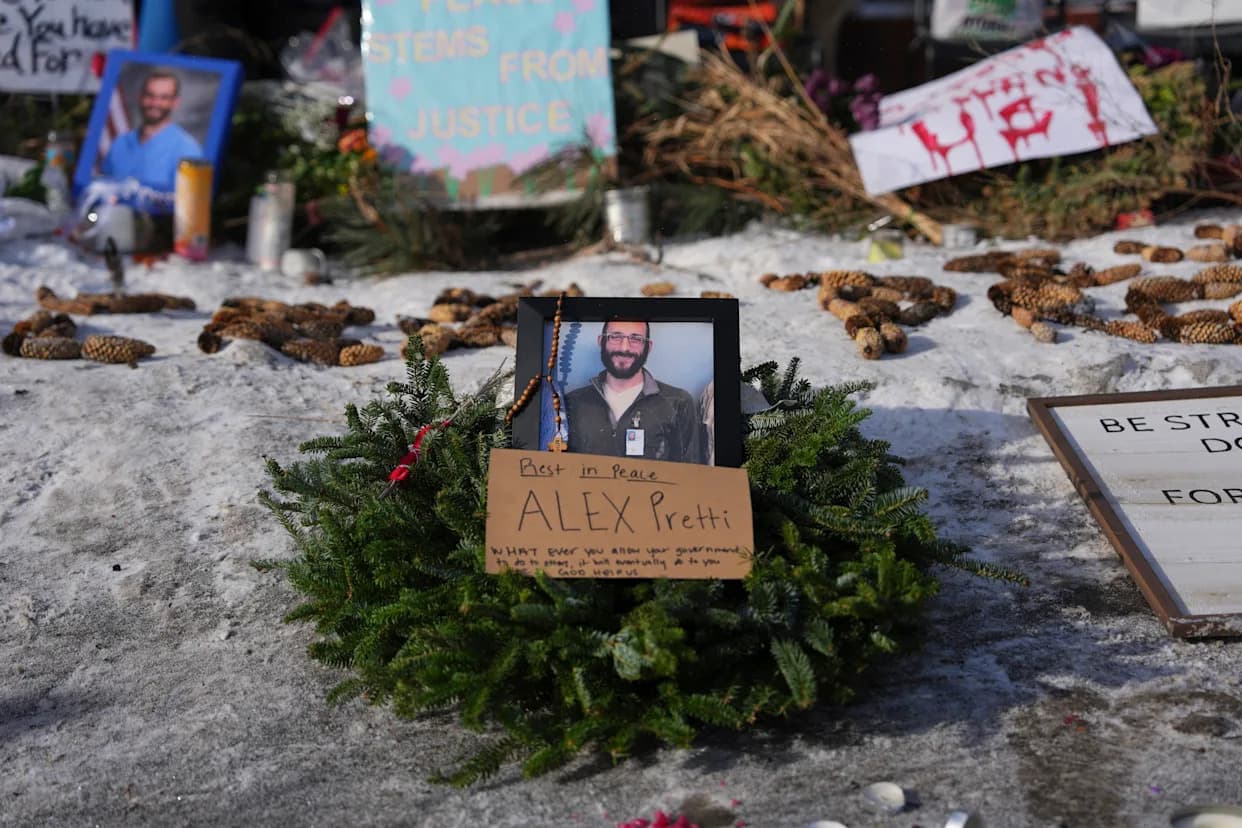
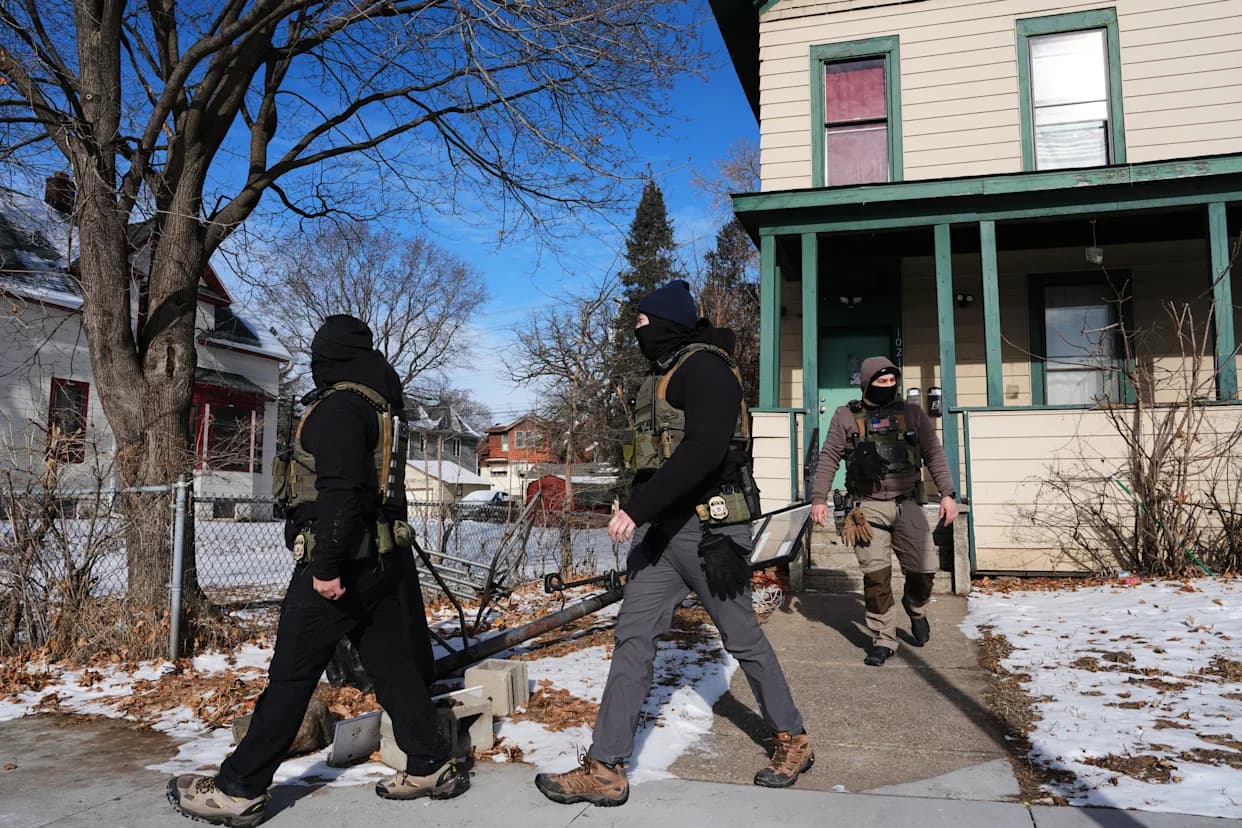
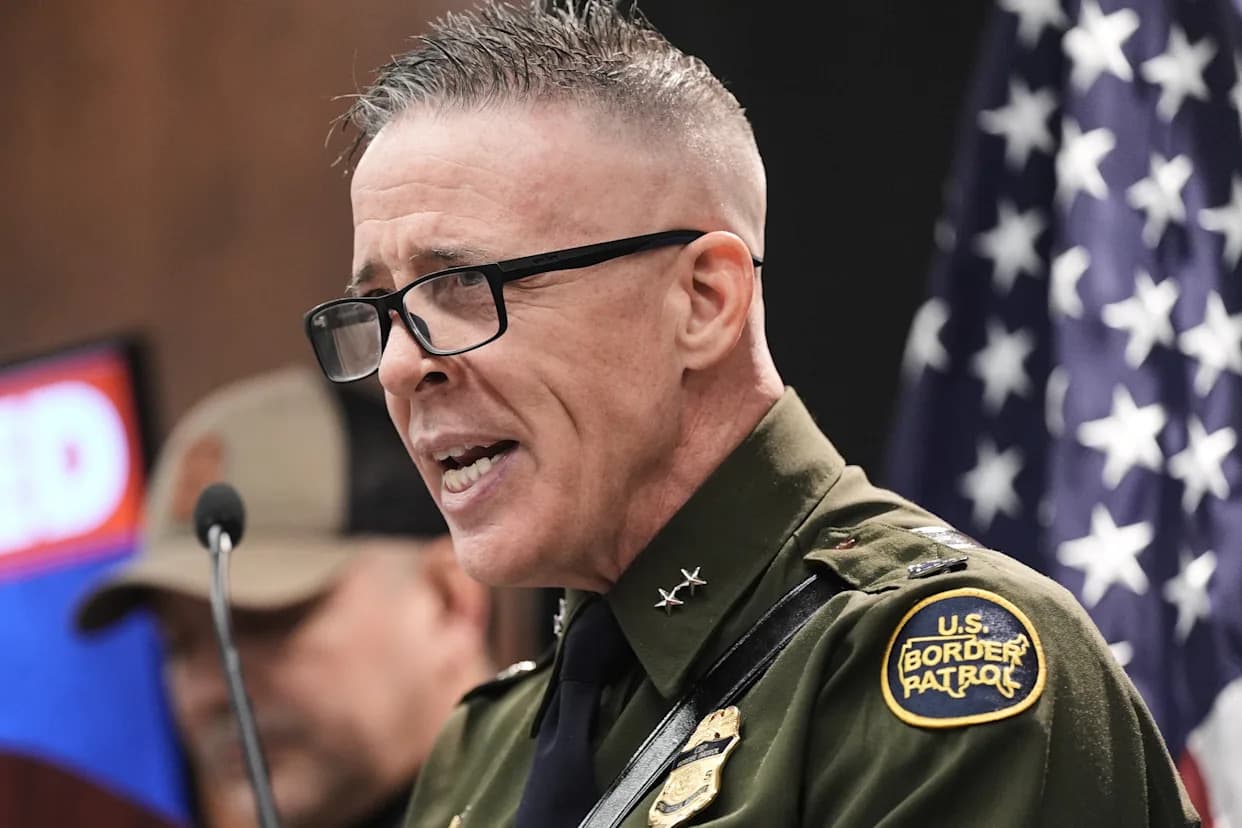
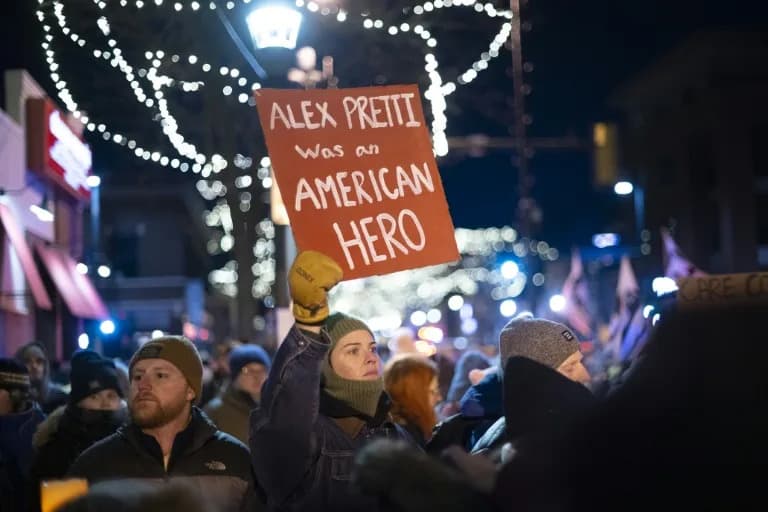
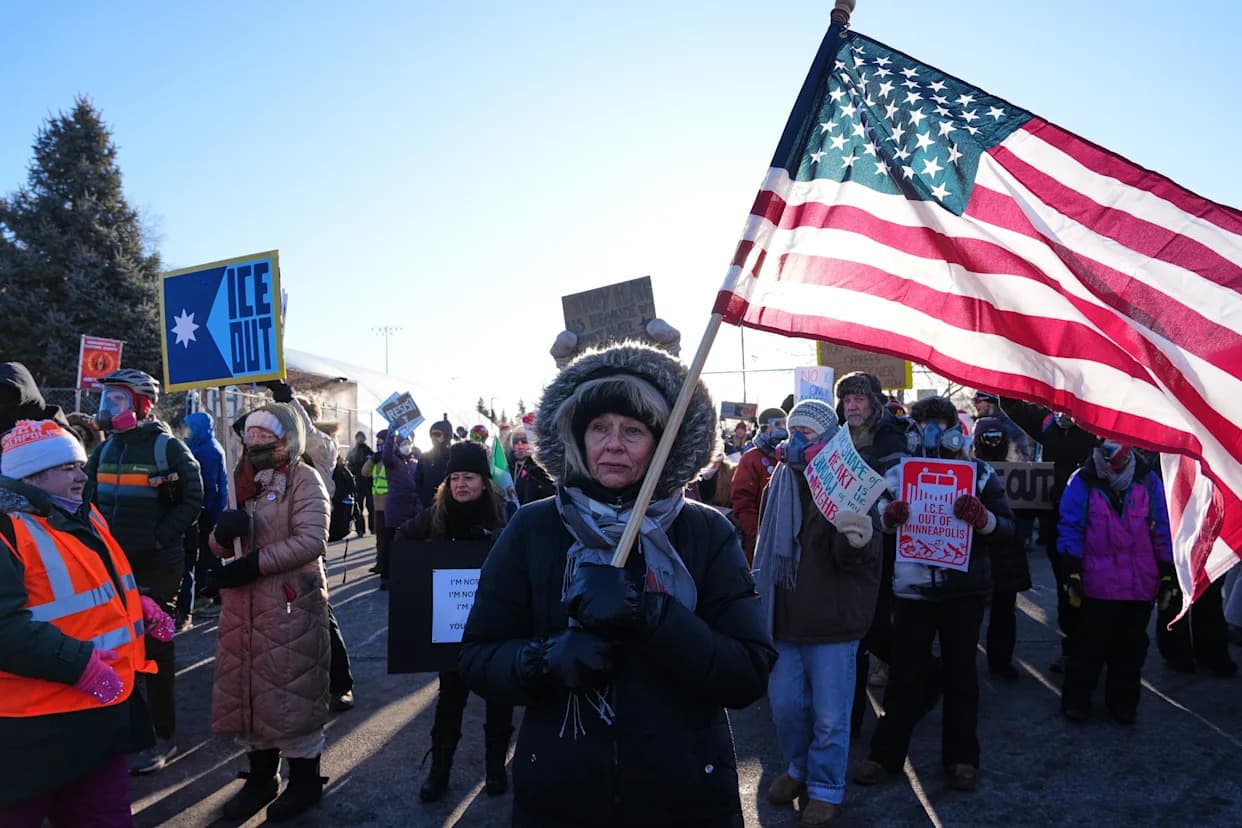
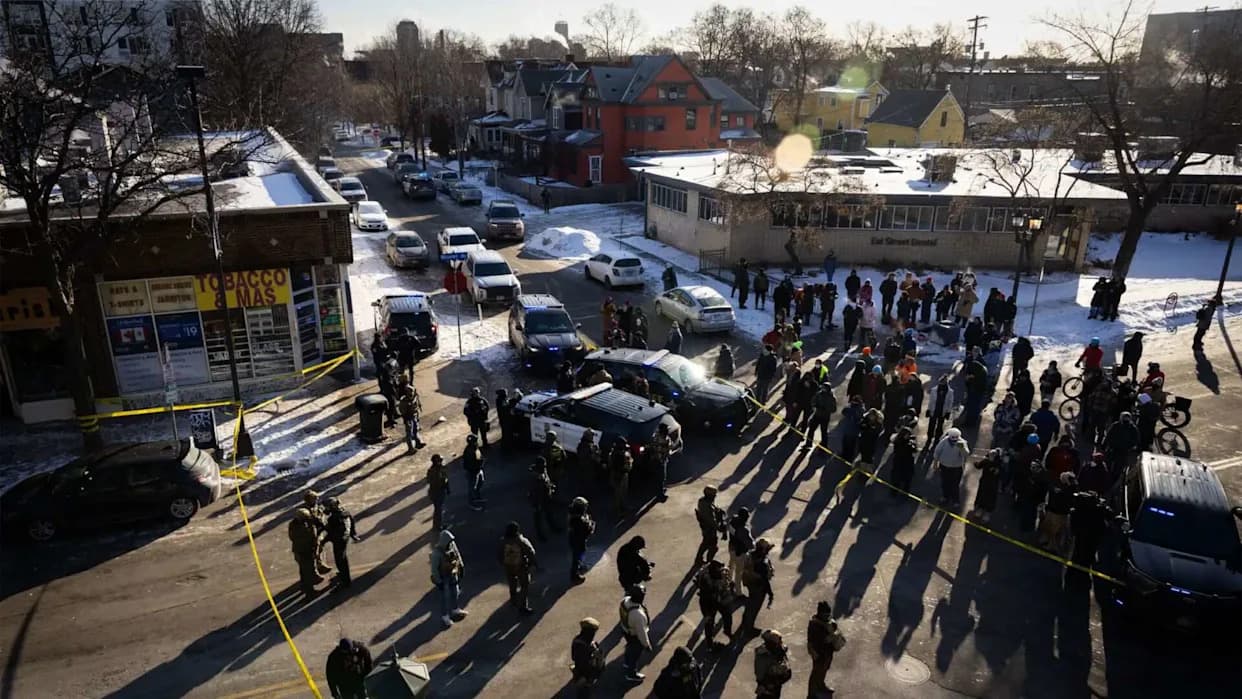
Federal officials initially portrayed the Customs and Border Protection (CBP) personnel who fatally shot Minneapolis protester Alex Pretti as responding to a "violent riot." Department of Homeland Security (DHS) Secretary Kristi Noem and Border Patrol Commander Gregory Bovino publicly described the scene in alarmist terms, framing Pretti as an armed aggressor. But bystander videos, photographs, eyewitness statements, and a CBP Office of Professional Responsibility (OPR) report to Congress paint a far different picture.
What Officials Claimed
In the hours after the shooting, senior officials characterized Pretti as a "gunman" who was "brandishing" a pistol and intended to "massacre law enforcement." Those statements were repeated by other federal officials and amplified by national political figures. The argument that Pretti's possession of a firearm made him inherently dangerous was used to justify the agents' decision to physically restrain him.
What The Record Shows
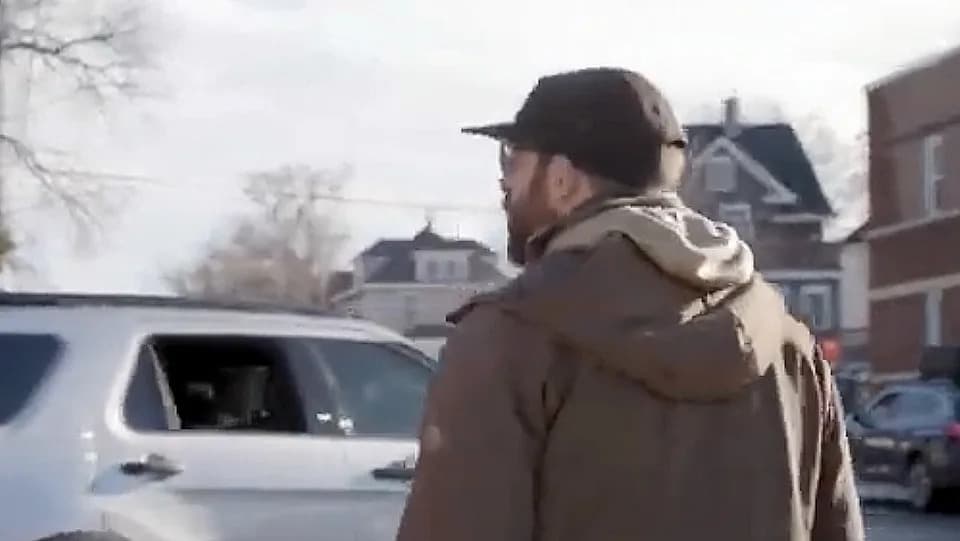
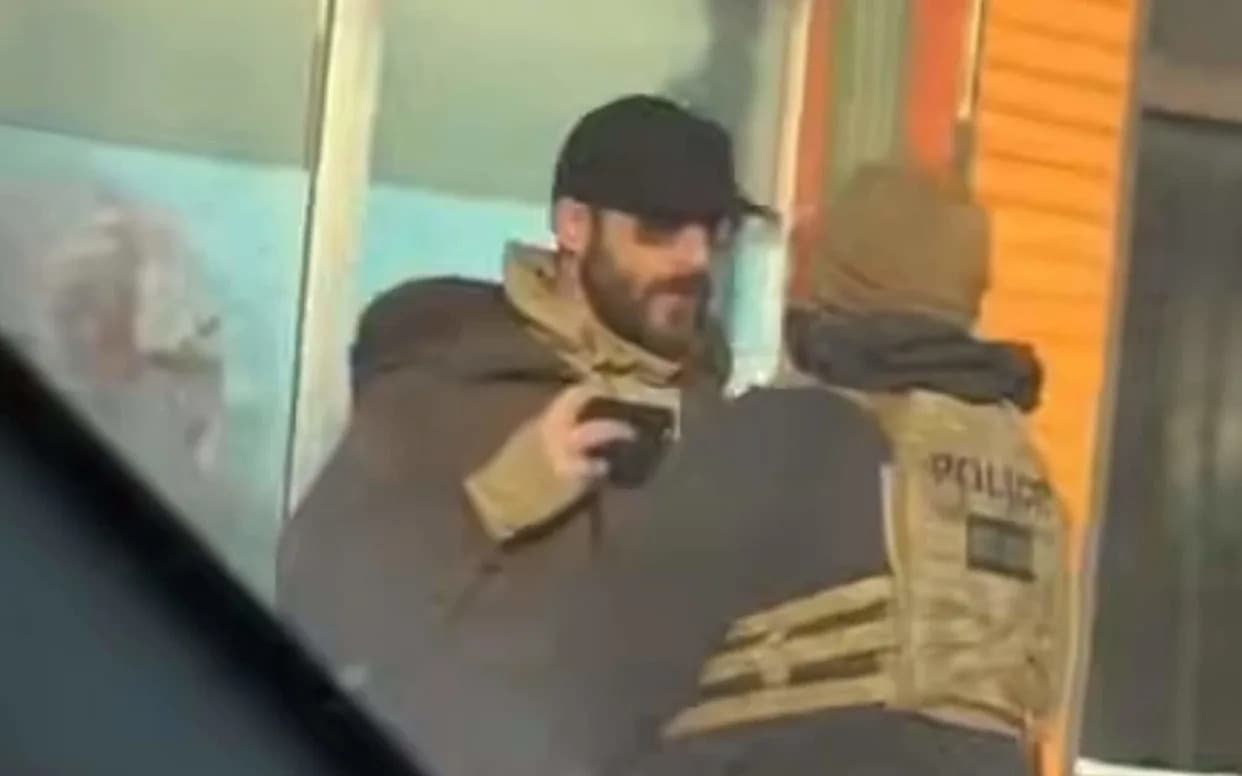
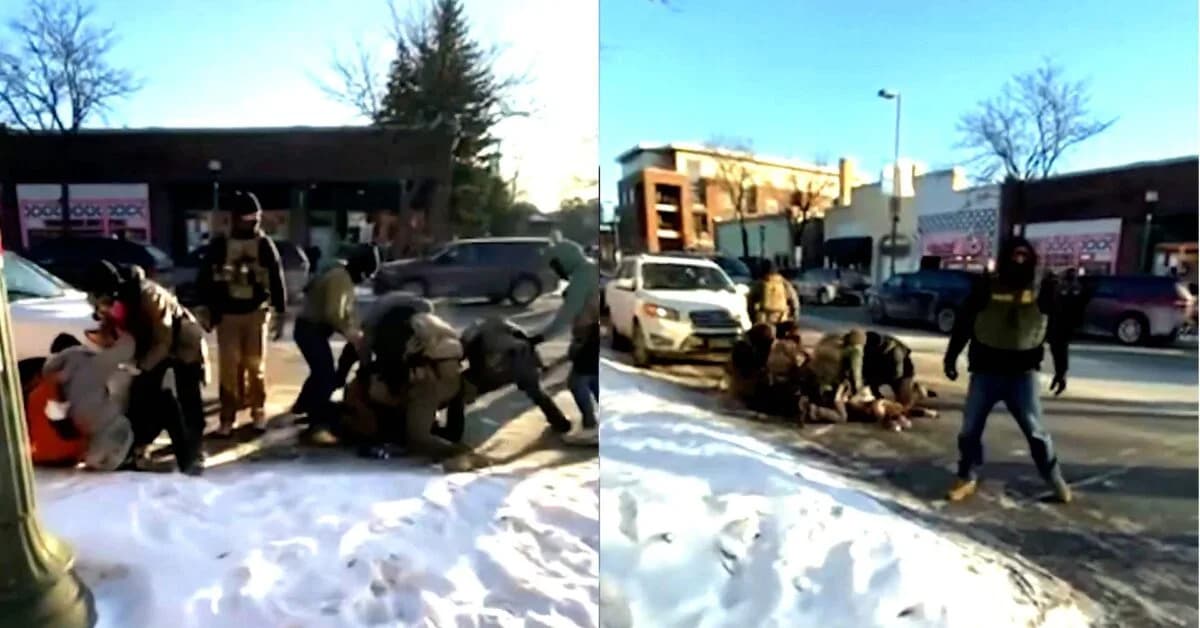
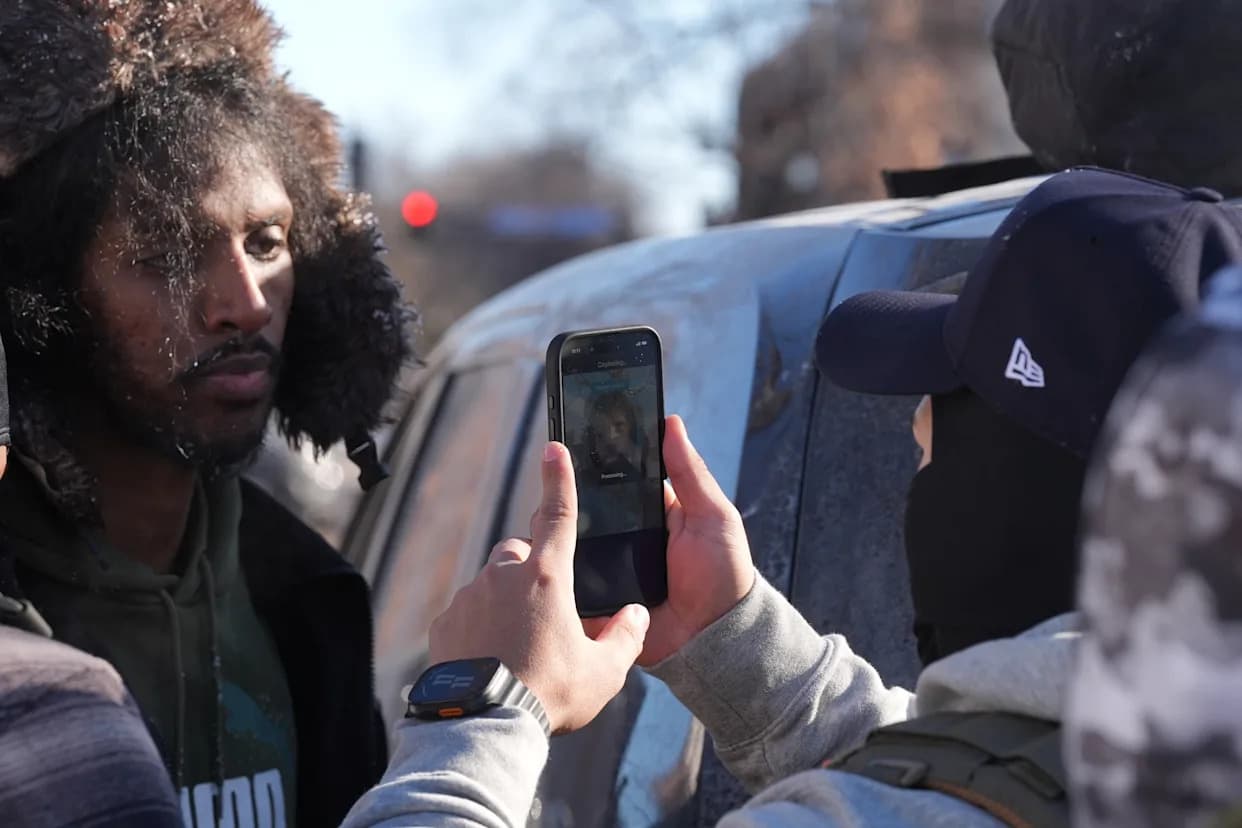
Video footage of the encounter — recorded by multiple bystanders — shows Pretti, who held a carry permit, never drawing his handgun. The gun remained holstered until a Border Patrol agent removed it during the struggle that culminated in Pretti's death. The videos also show a CBP officer pepper-spraying and pushing a woman to the ground, an action that prompted Pretti to intervene by stepping between the officer and the woman and later trying to help her up.
The OPR report, published to Congress and made public by outlets including The Intercept, describes "several civilians" in the area who were "yelling and blowing whistles" and recounts that officers repeatedly asked people to stay on the sidewalks. According to the report, at about 9 a.m. a CBP officer confronted two women blowing whistles, ordered them to move out of the roadway, pushed them, and then deployed pepper spray when they did not comply. One of the women ran to Pretti, who was recording and standing in the street.
The Struggle And The Shooting
The OPR narrative states that CBP personnel attempted to take Pretti into custody and that he resisted, triggering a struggle. The report says a Border Patrol agent shouted, "He's got a gun!" and that roughly five seconds later a Border Patrol agent fired a CBP-issued Glock 19 and a CBP officer fired a Glock 47 at Pretti. After the shooting, a Border Patrol agent said he had possession of Pretti's firearm and later secured it in his vehicle.
However, the OPR account leaves out contested details reported by witnesses and visible in some video frames: that Pretti may have been partially disarmed before shots were fired, that his arms were pinned when the first shots occurred, that the first agent fired multiple rounds into Pretti's back at close range, and that additional rounds were fired into his prone body after he fell. These claims remain disputed and are central to questions about the justification for the use of lethal force.
Officials Retreat—and What That Means
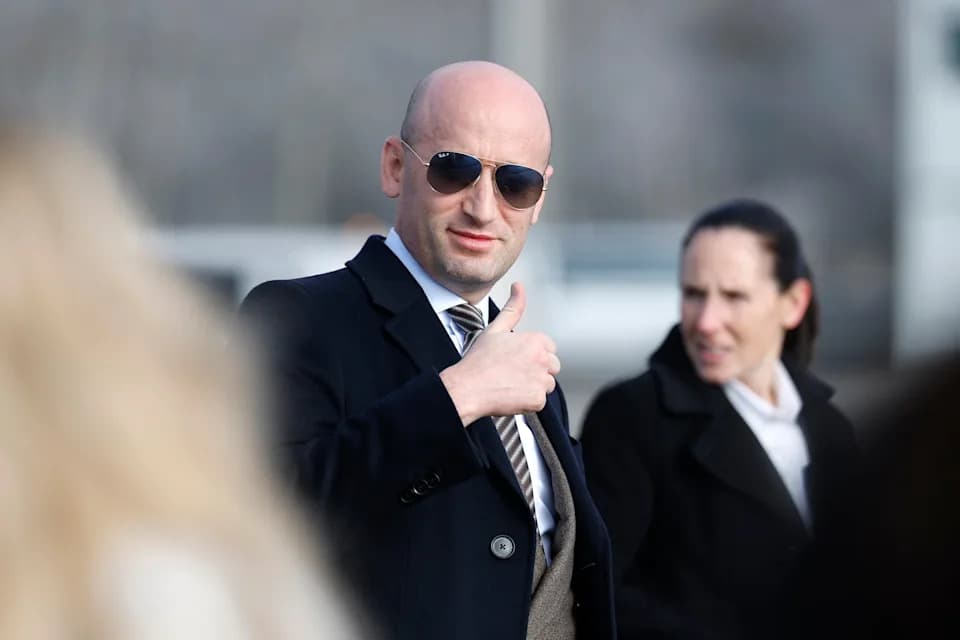
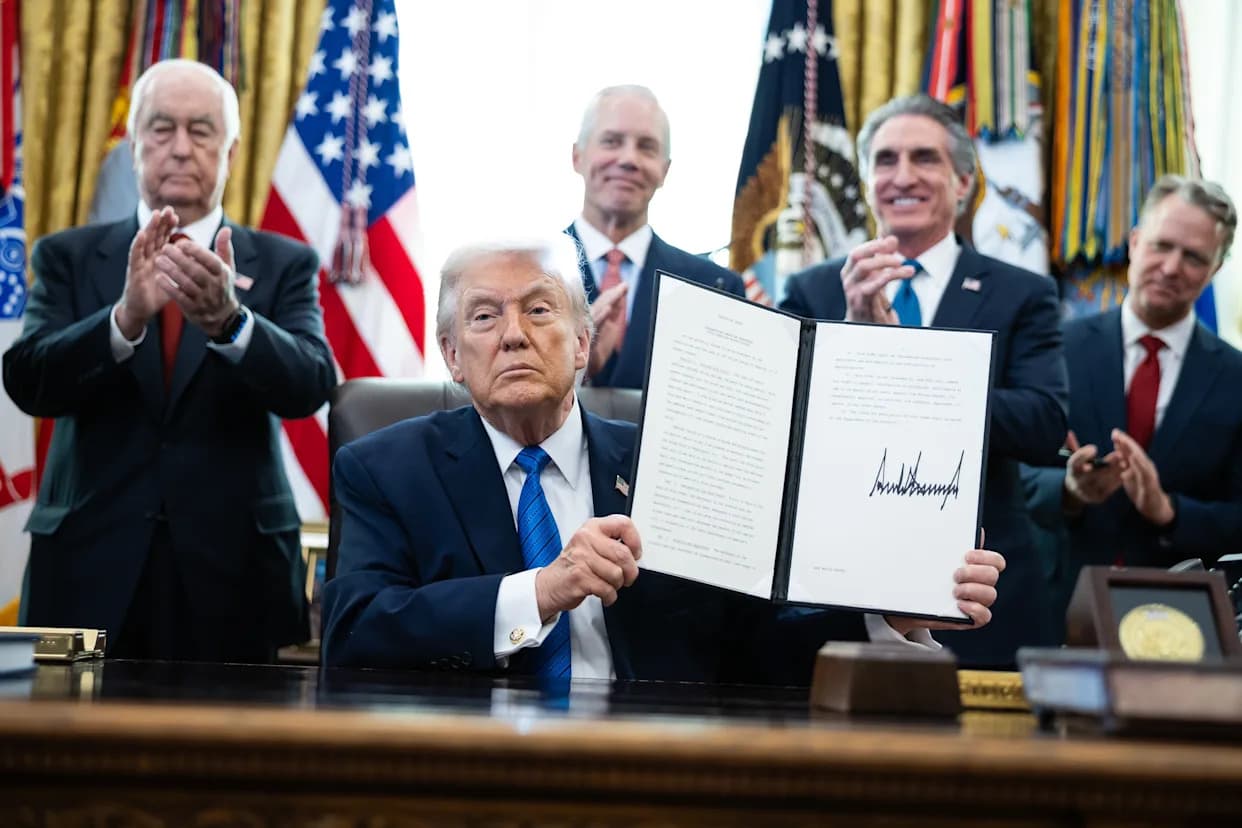
Faced with video evidence contradicting the initial narrative, several officials softened or walked back their earlier statements. White House Deputy Chief of Staff Stephen Miller later said he had relied on "reports from CBP on the ground," and President Trump described the shooting as "tragic" and "very unfortunate," while continuing to criticize Pretti for carrying a firearm at the protest.
Critics point to a pattern in which DHS officials — and Bovino in particular — have previously overstated threats posed by protesters. In a separate incident in Chicago, video evidence undermined claims that Bovino had been struck by a rock before deploying tear gas; a federal judge later noted those inconsistencies.
Credibility Concerns And The Investigation Ahead
The discrepancy between early official claims and the visual and testimonial record has raised questions about the impartiality and accuracy of DHS and CBP statements. Observers say that past instances of overstated threats reduce public confidence in the department's pledge to conduct a thorough, dispassionate investigation into Pretti's death. Key disputed facts — the precise sequence of disarmament, whether Pretti's arms were pinned, and the number and direction of shots fired — will be central to that inquiry.
Bottom line: Video and eyewitness evidence cast doubt on the initial claim that officers faced a "violent riot" when they confronted Alex Pretti. The differences between early official accounts and the available record have intensified scrutiny of CBP actions and of DHS's handling of the public narrative.
Help us improve.