Obamacare enrollment for 2026 fell by more than one million to about 23 million, largely because temporary COVID-19 premium subsidies expired. KFF projects average premiums for subsidized enrollees will rise to $1,904 from $888. Nearly 3.4 million new consumers enrolled while under 19.6 million were returning customers. Analysts warn enrollment could drop further if auto-enrolled members fail to pay premiums and are disenrolled after a 90-day grace period; effectuated enrollment is expected in early April.
Obamacare Enrollment Falls to About 23 Million for 2026 as Premiums Surge
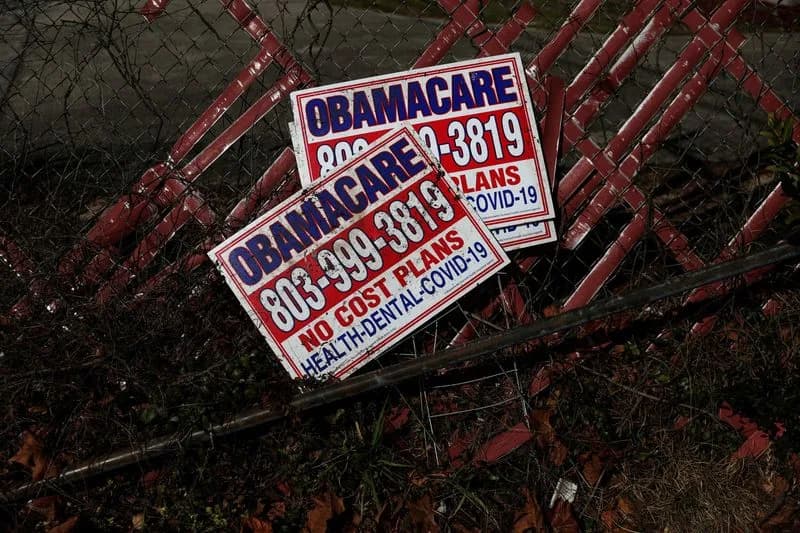
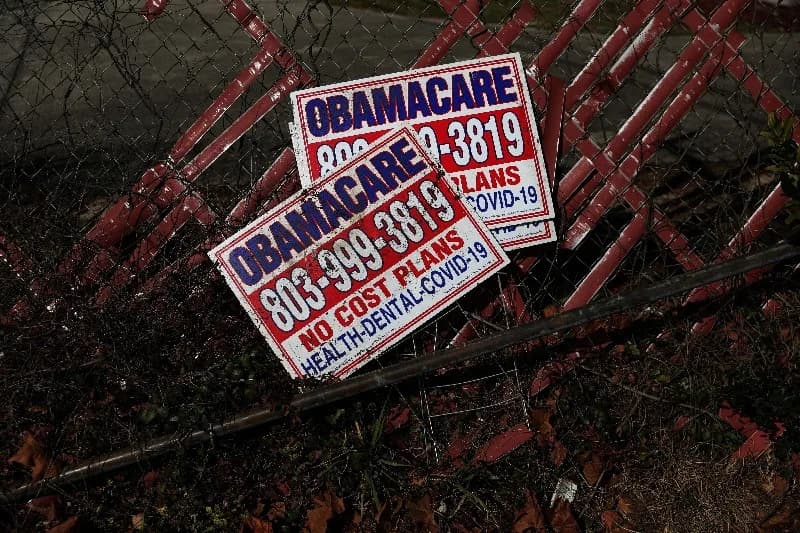
FILE PHOTO: Signs for former Obamacare health insurance plans lay next to a fence in Columbia, South Carolina, U.S., January 28, 2023. REUTERS/Shannon Stapleton/File Photo
Jan 29 (Reuters) - Enrollment in Obamacare plans for 2026 has declined by more than one million people to roughly 23 million, after many policyholders faced steep premium increases following the expiration of pandemic-era COVID-19 subsidies.
Key Details
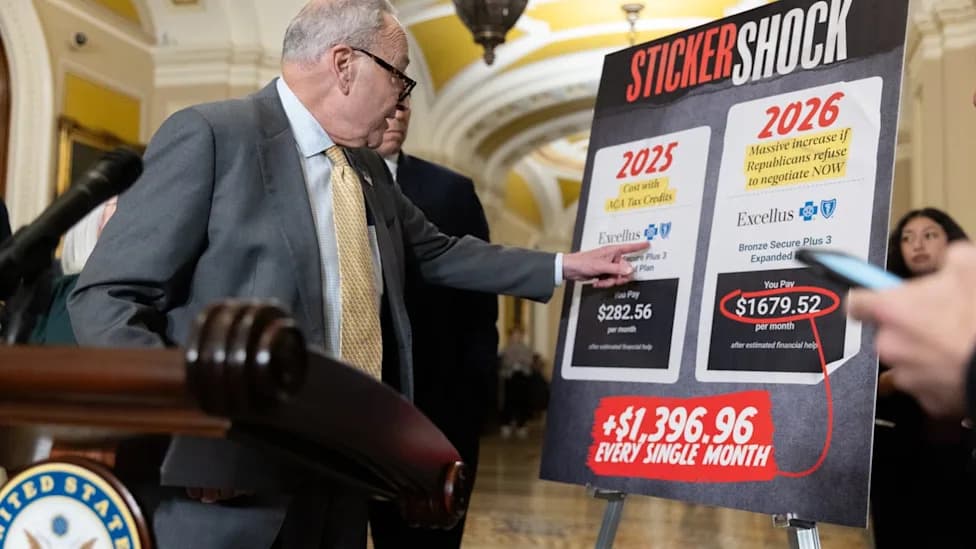
Health research group KFF estimates the average total premium cost for subsidized Marketplace enrollees will jump to $1,904 in 2026, up from $888 in 2025. By comparison, roughly 24.2 million people held these plans in 2025.
Data posted on the Centers for Medicare and Medicaid Services website show nearly 3.4 million new consumers signed up this enrollment season, while under 19.6 million were returning enrollees.
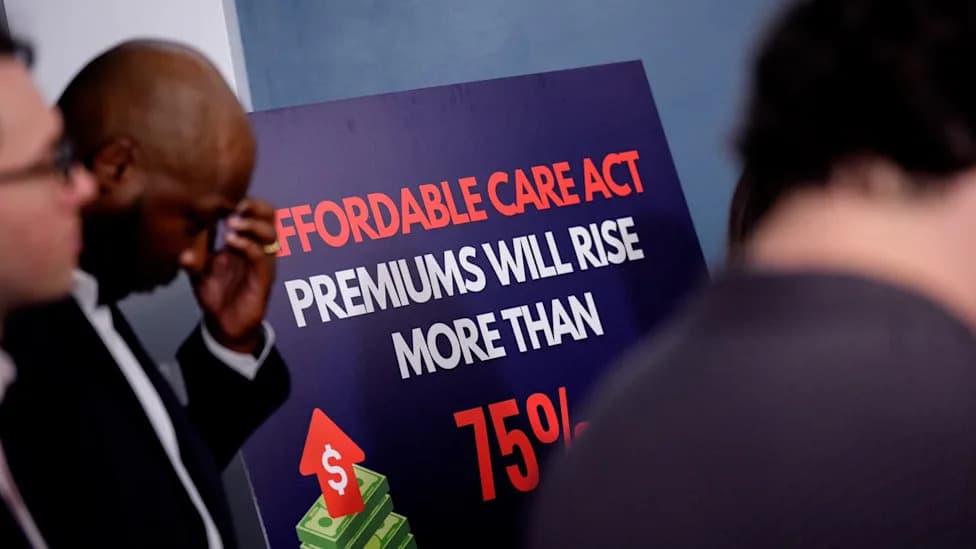
A KFF poll found that 2026 premiums were expected to more than double on average and that approximately 25% of current enrollees said they would forgo coverage if premiums doubled.
Risks of Further Declines
Analysts warned enrollment could fall further in the coming months as some people who were auto-enrolled fail to pay initial premiums and are disenrolled after the 90-day grace period. Evercore ISI analyst Elizabeth Anderson said:
“Given the 90-day grace period, which should apply to the majority of ACA members, we see potential for strong disenrollment activity during this period, leading to a lower final enrollment number.”
Enrollment through HealthCare.gov ran through Jan. 15, 2026; state-run exchanges have varying deadlines. Baird analyst Michael Ha urged caution in interpreting early totals, noting that effectuated enrollment — the number of people whose coverage is active after first payments — is expected in early April.
What This Means: The combination of rising premiums and the end of temporary subsidies is already shifting the risk profile for Marketplace enrollees. Policymakers, insurers and consumer advocates will be watching April’s effectuated figures to see how many people ultimately remain covered.
Help us improve.