The White House published a short blueprint called 'The Great Healthcare Plan' but offered no bill, timeline or detailed policy. President Trump urged Congress to enact the framework despite there being no draft legislation to pass. At a subsequent event and in a press Q&A he praised the plan's name but failed to explain who it would help, how it would work, or how it would affect insurance premiums. Observers note rising drug prices and say there is no evidence the plan would lower premiums or prescription costs.
After Unveiling 'The Great Healthcare Plan,' Trump Fails To Explain How It Would Work
The White House released a brief blueprint labeled 'The Great Healthcare Plan' but provided no bill, draft legislation, timeline, or substantive implementation details. The document consisted of only a few paragraphs on a compact website and a prerecorded video in which President Trump urged Congress to "pass this framework into law without delay," despite there being no concrete legislative text to consider.
What Was Released
The so-called plan is best described as a collection of conservative policy ideas and goals rather than a finished proposal. White House officials told The Washington Post the document is a "broad architecture," meaning congressional Republicans would be expected to draft the specific legislative language and implementation mechanics.
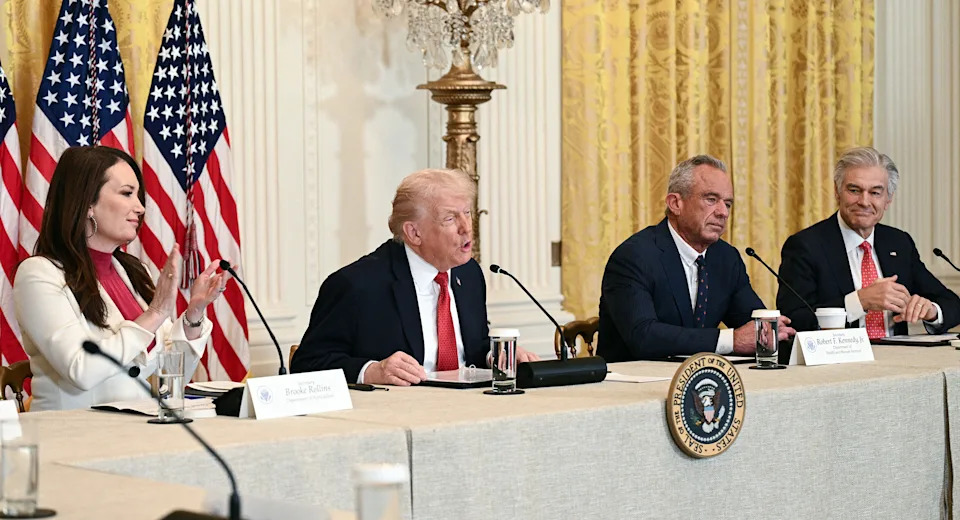
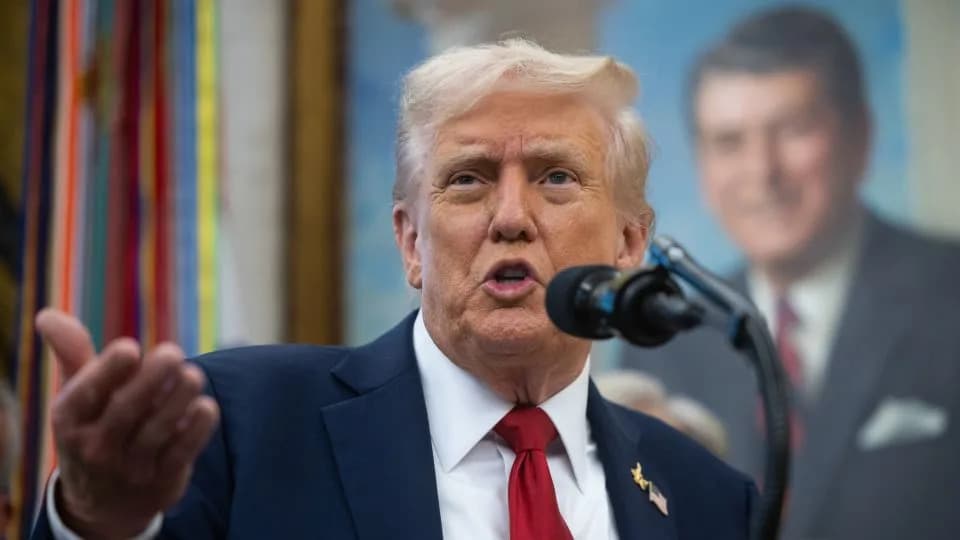
President Donald Trump speaks alongside Secretary of Agriculture Brooke Rollins, Secretary of Health and Human Services Robert F. Kennedy Jr. and Medicare and Medicaid Administrator Mehmet Oz at a roundtable discussion on rural health care investments on Jan. 16, 2026 in the East Room of the White House.(Brendan Smialowski / AFP via Getty Images)
President's Remarks And Press Exchange
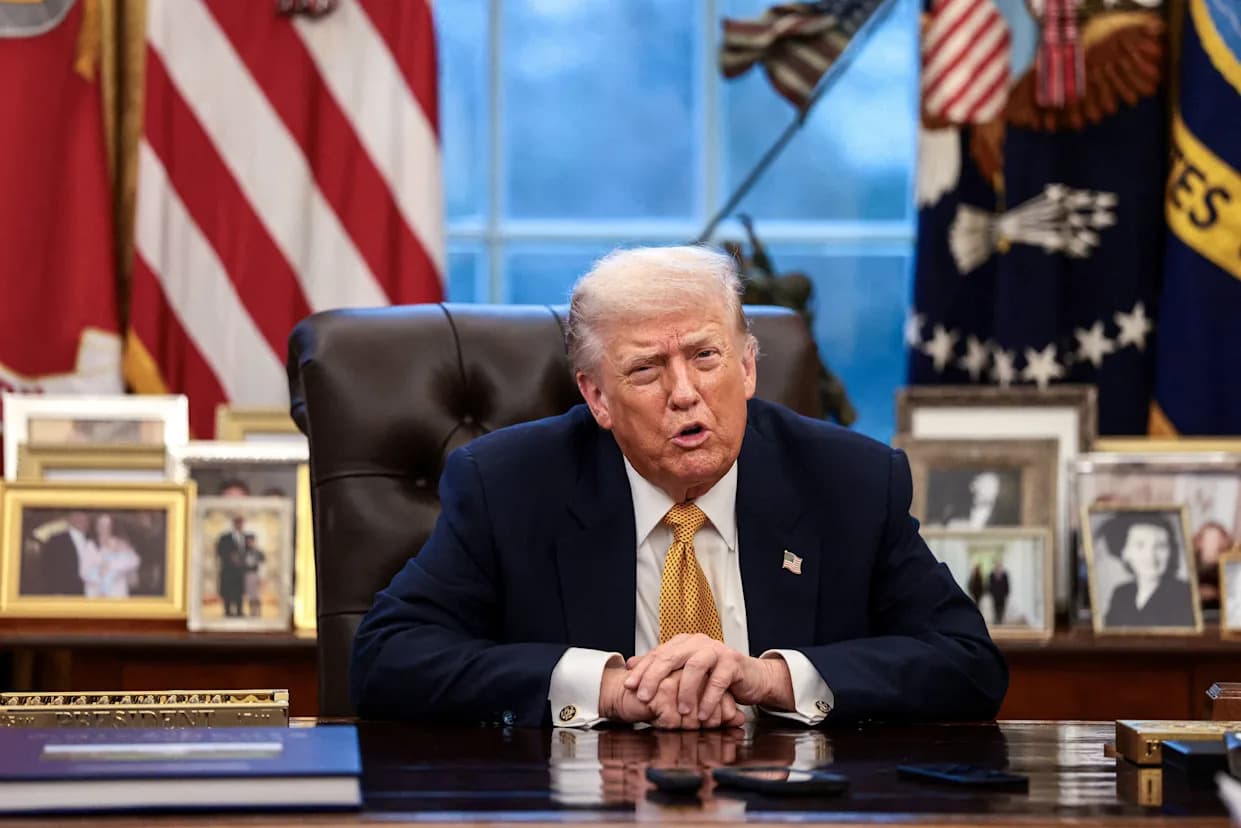
At a White House event focused on rural health care the following day, Mr. Trump repeatedly praised the plan's name and his role in labeling it, but he did not explain who would benefit, how the plan would operate, what it would cost, or why it would be an improvement over current policy.
"It is a tremendous thing. It's called the Great Healthcare Plan, and we're gonna get tremendous, uh, reductions ... medicines and prescription drugs, they're gonna come down by numbers that have never been seen before," the president said when asked how the plan would affect premiums.
That answer raised several problems: the president did not address how the plan would affect insurance premiums, and his claim about drug-price reductions conflicts with current trends showing pharmaceutical manufacturers broadly increasing prices. After formally unveiling a purported plan one day, the administration struggled to describe its benefits, costs, or mechanics the next.
Why It Matters
Without legislative text, cost estimates, an implementation timeline, or specific policy mechanisms, observers and policymakers cannot evaluate the proposal's likely impact on premiums, access to care, or drug prices. Until such details are provided, claims that the administration has produced a substantive health care plan are premature.
Help us improve.