Clashes between Ethiopian federal troops and Tigrayan forces have broken out in northern Tigray, centred on Tsemlet in western Tigray, prompting flight suspensions and growing security concerns. The region remains deeply affected by the 2020–2022 war, with humanitarian groups estimating up to 80% of people need emergency assistance. Cuts to USAID funding during the Trump administration reduced aid capacity, and although some US support has been restored, much of it has not reached devastated areas like Tigray.
Renewed Clashes in Ethiopia's Tigray Threaten Fragile Recovery as Aid Shortfalls Bite
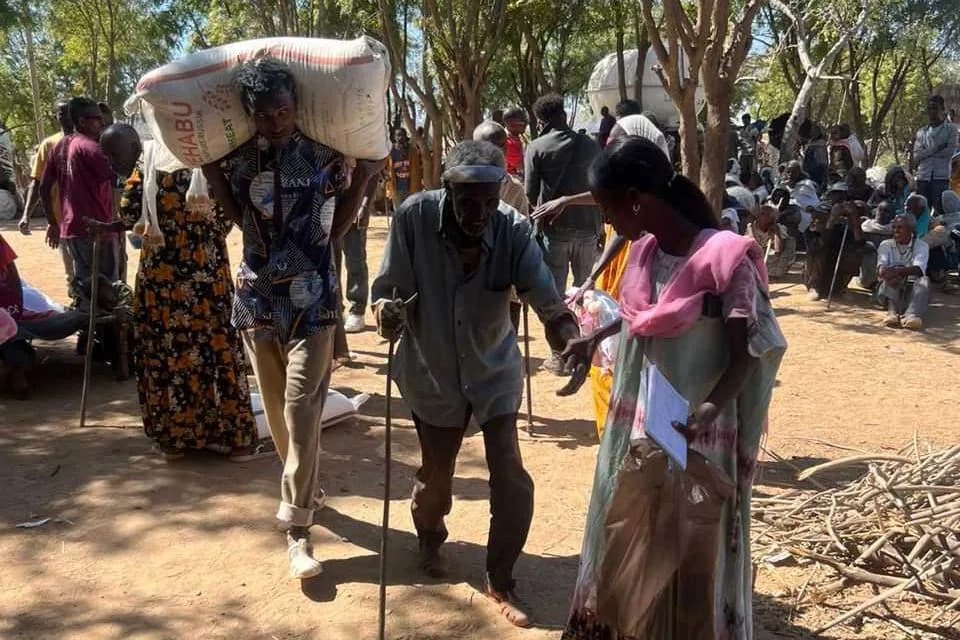
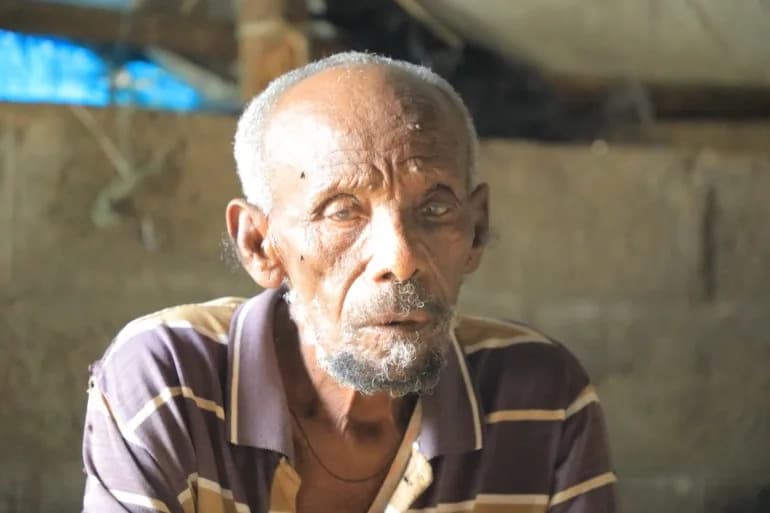
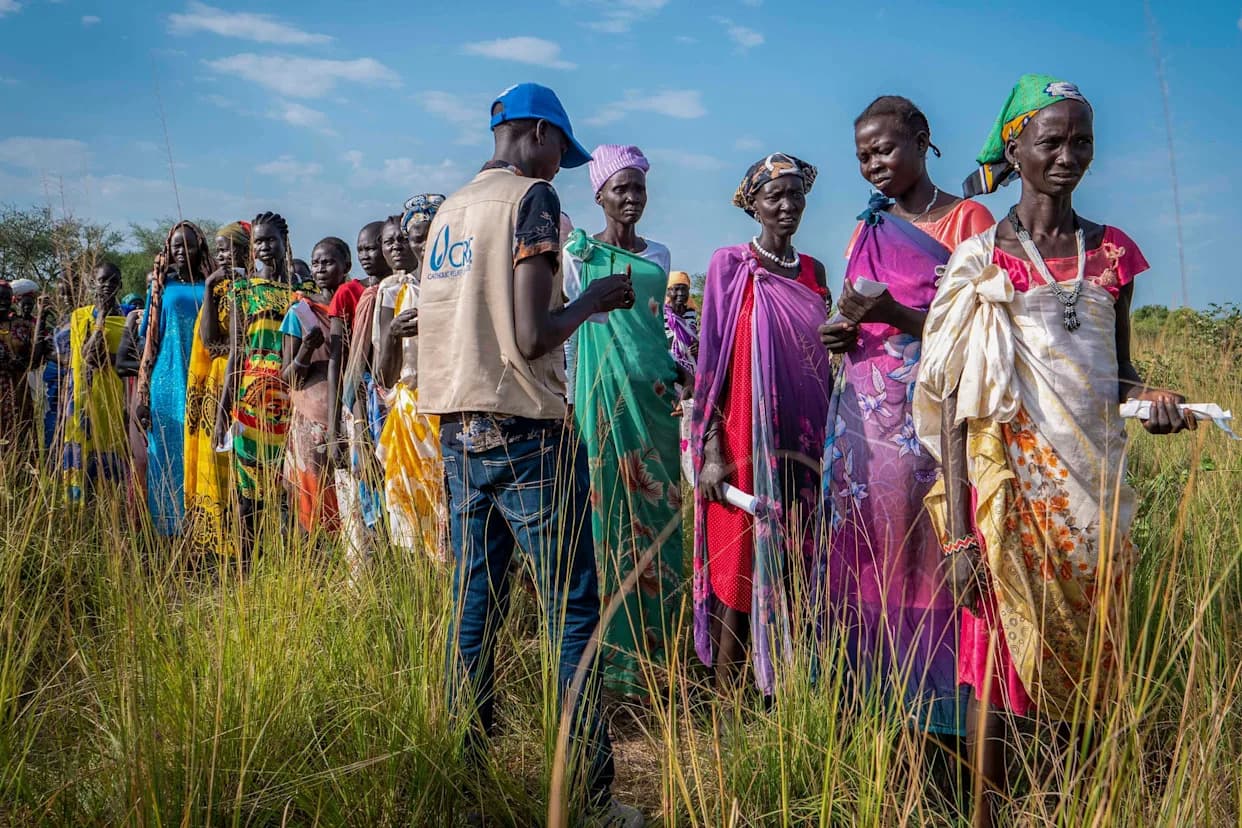
In Tigray's Hitsats, villagers wait for any delivery of humanitarian aid as the desperation grows [Samuel Getachew/Al Jazeera]
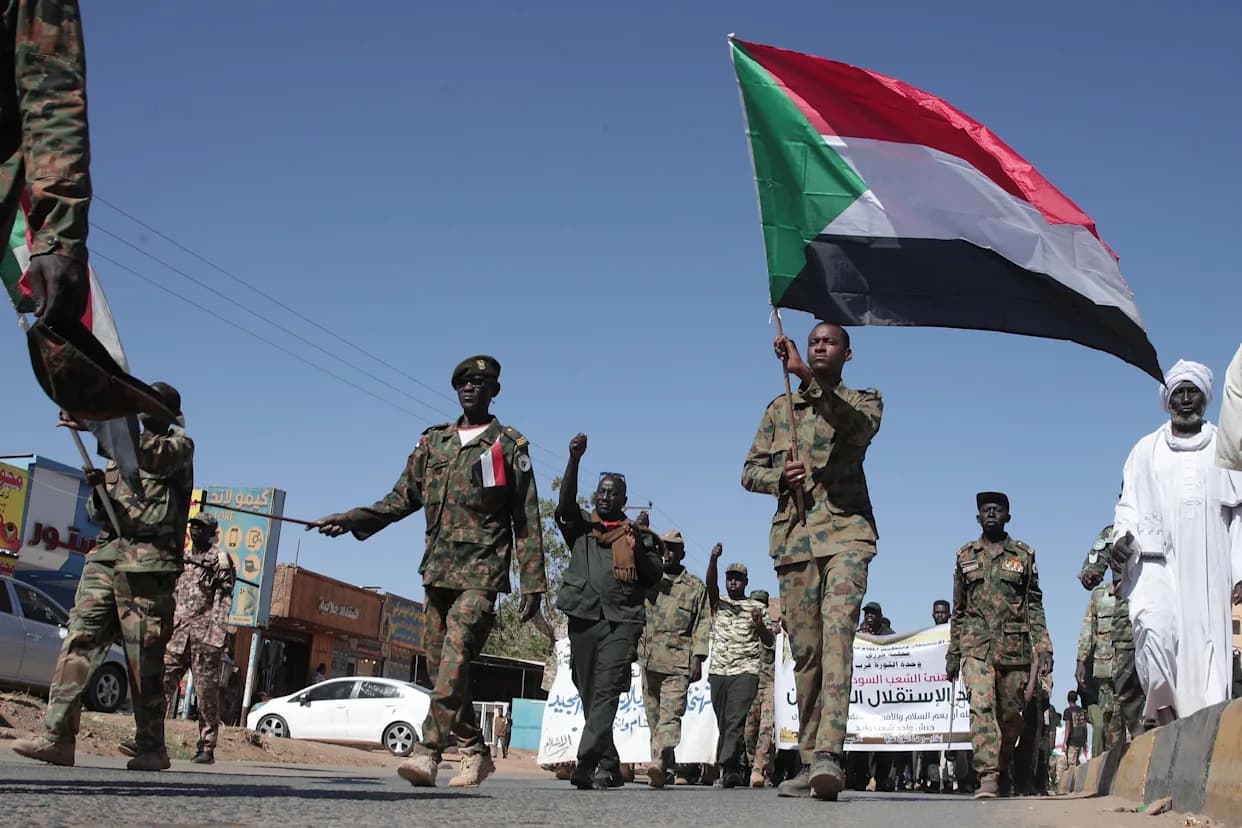
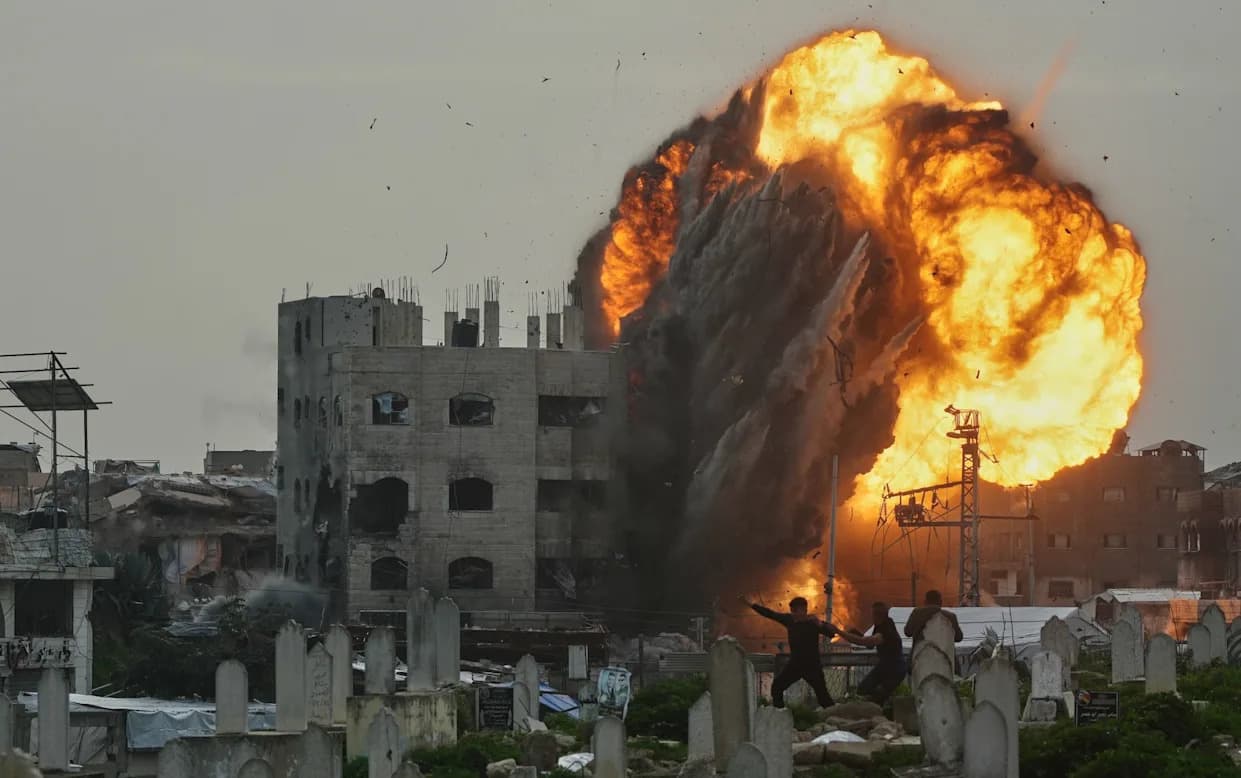
Clashes have erupted between Ethiopian federal government troops and Tigrayan forces in northern Tigray, reigniting fears for a region still recovering from the 2020–2022 war and struggling with severe cuts to international aid.
Security and diplomatic sources told AFP the latest fighting began in recent days in Tsemlet in western Tigray, an area also claimed by forces from the neighbouring Amhara region. The renewed hostilities have prompted the suspension of flights and raised concerns about a wider deterioration in security.
Humanitarian Impact
Tigray remains deeply impoverished after years of conflict: the 2020–2022 war killed thousands and displaced millions. Humanitarian organisations, including the World Food Programme (WFP), estimate that up to 80% of the population needs emergency assistance.
Many communities, such as the village of Hitsats, depend largely on humanitarian aid. Aid capacity has been weakened by reductions in funding to major donors. Policy changes during the Trump administration led to reductions in USAID activities and funding, which in turn constrained the overall pool of humanitarian resources available for Ethiopia.
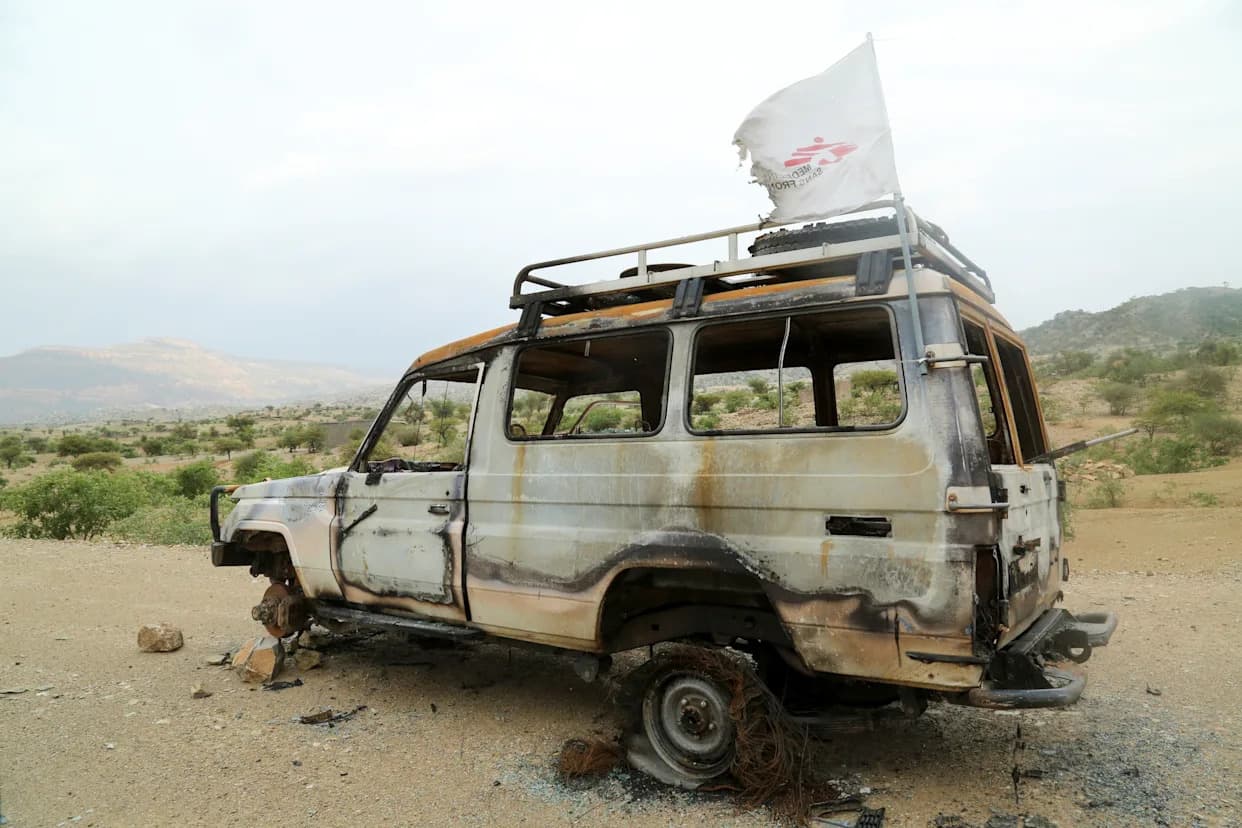
These shortfalls have increased pressure on other relief agencies and on local health and sanitation services. Joshua Eckley, Head of Mission for Doctors Without Borders in Ethiopia, warned of worsening access to basic services:
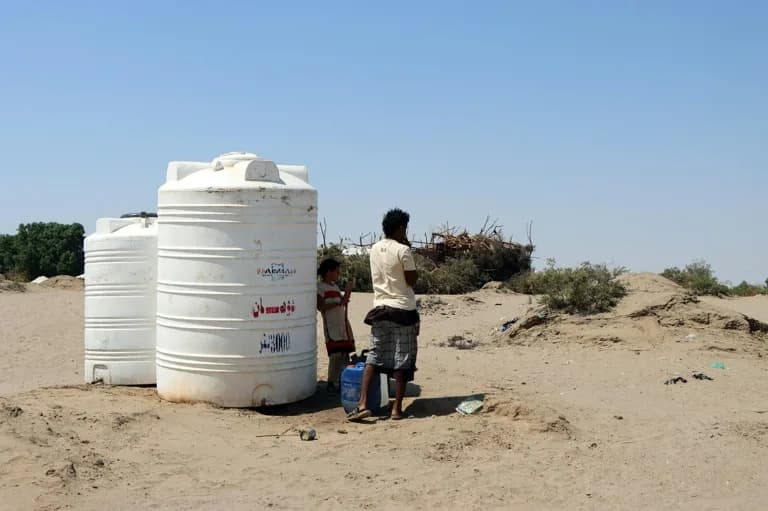
“As aid actors scale back or suspend activities in the region due to funding constraints, the most vulnerable are experiencing reduced access to medical care, water and sanitation services … while overall humanitarian needs continue to exceed the collective capacity.”
Diplomatic And Aid Response
Months after the suspension of some USAID activities in Ethiopia, the US announced the resumption of a portion of its support. However, observers and aid organisations say much of that assistance has not yet reached hard-hit areas such as Tigray, where the local economy and communities remain devastated.
With security deteriorating and humanitarian needs rising, aid agencies warn that funding gaps and limited access risk turning renewed fighting into a wider humanitarian catastrophe unless donor support and safe access improve.
Help us improve.