The Sirius Dogsled Patrol is Denmark’s elite Arctic unit that conducts long, low‑tech winter patrols across northern and eastern Greenland. Six two‑man teams, each supported by roughly a dozen dogs, travel about 30 km a day through temperatures down to –40°C, resupplying from depots spaced 7–10 days apart. Dogsleds are favoured for durability and long‑range reliability over snowmobiles. The unit performs classified military tasks, assists ships, enforces park permits, and traces its roots to World War II.
Inside Greenland’s Sirius Dogsled Patrol: The Low‑Tech Elite Guarding the Arctic
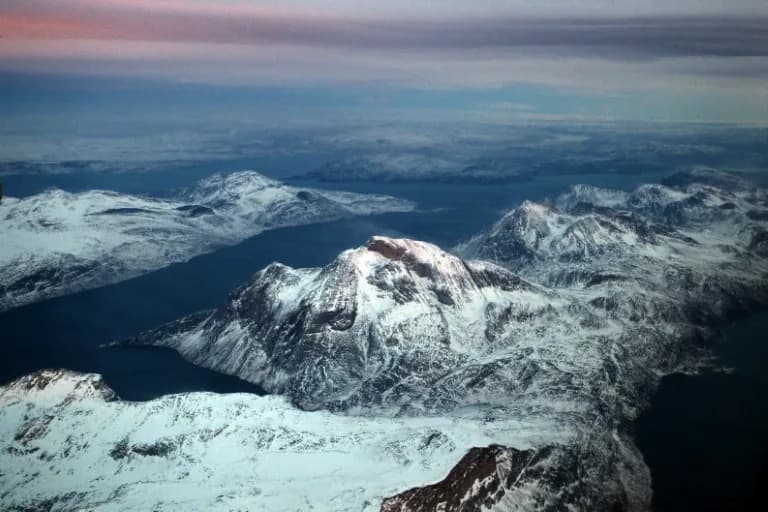
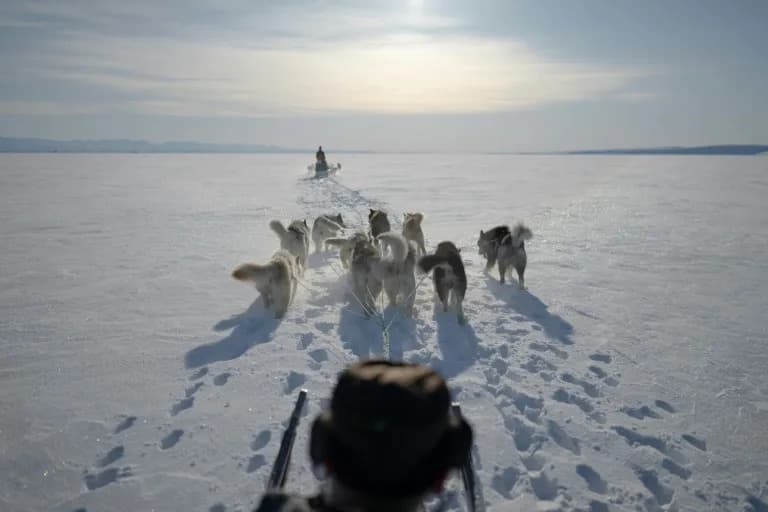
Aerial views are not helpful for security monitoring during winter when everything is white (INA FASSBENDER)(INA FASSBENDER/AFP/AFP)
Donald Trump once derided Denmark’s defence of Greenland as amounting to “two dogsleds.” In reality, the Sirius Dogsled Patrol is a tough, low‑tech elite unit that conducts prolonged winter patrols across one of the planet’s most hostile environments.
A Hard‑Won Presence In The Arctic
Denmark has invested billions in Arctic security, yet when winter blankets northern and eastern Greenland in ice, sovereignty and surveillance fall to six two‑man teams — each supported by roughly a dozen sled dogs. From January through June, when the sun returns after weeks of polar night, these teams set out on patrols that last four to five months in temperatures that can plunge to –40°C. They may go days without encountering another human being.
How They Travel
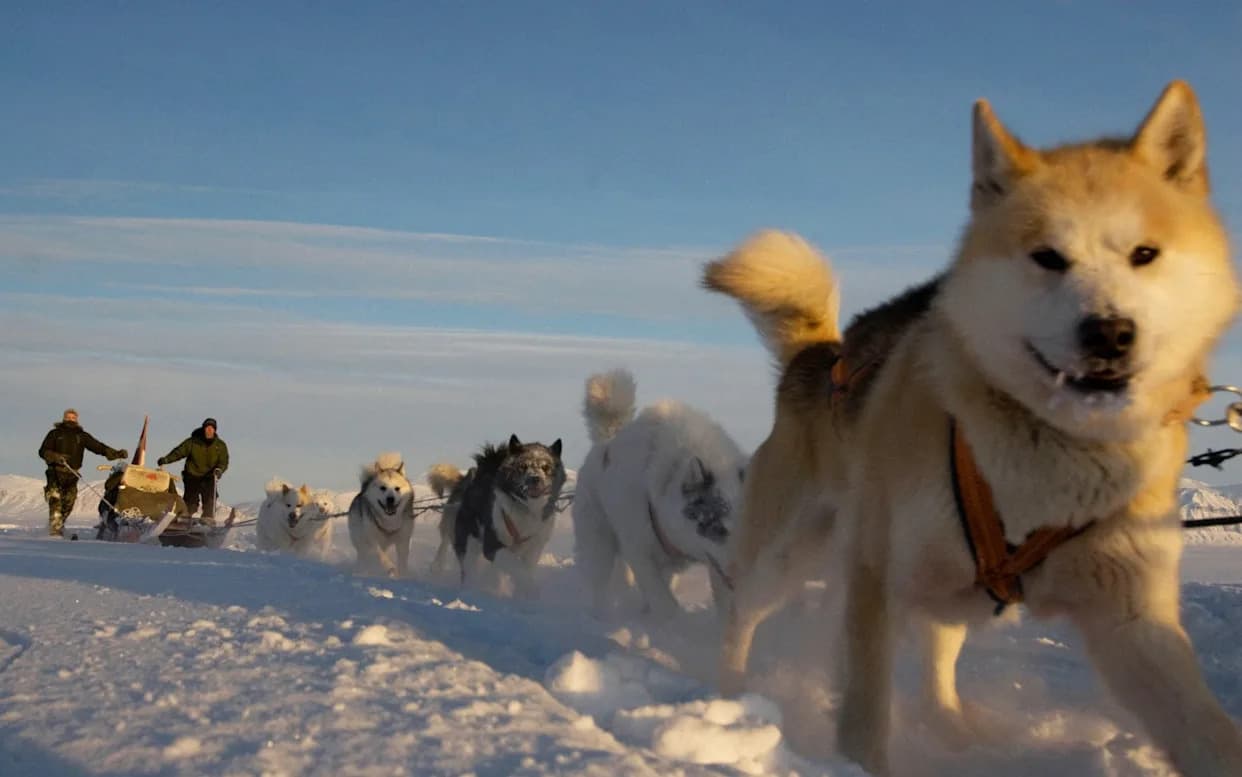
The patrols move on skis alongside their dog teams, averaging about 30 kilometres (19 miles) a day. The dogs pull sleds of roughly 500 kilograms (1,100 pounds) loaded with specially designed tents, food, fuel and equipment. Supplies are replenished from about 50 depots scattered across the region, typically 7–10 days apart.
“The reason we use a dog sled, rather than a snowmobile, is that the sled and dogs are durable. We can operate for a very, very long time over enormous distances in extremely isolated environments,” said former Sirius member Sebastian Ravn Rasmussen.
Why Dogs Over Machines
Dogsleds are chosen for reliability and resilience. In extreme cold and over long distances, snowmobiles can break down beyond the reach of rapid repair; a dog team and its sled can be repaired or adapted in the field. Patrol members acknowledge the harsh realities of survival in the Arctic — in an extreme, last‑resort emergency they are prepared to kill dogs to survive, but they stress the likelihood of that happening is very small.
Operations And Responsibilities
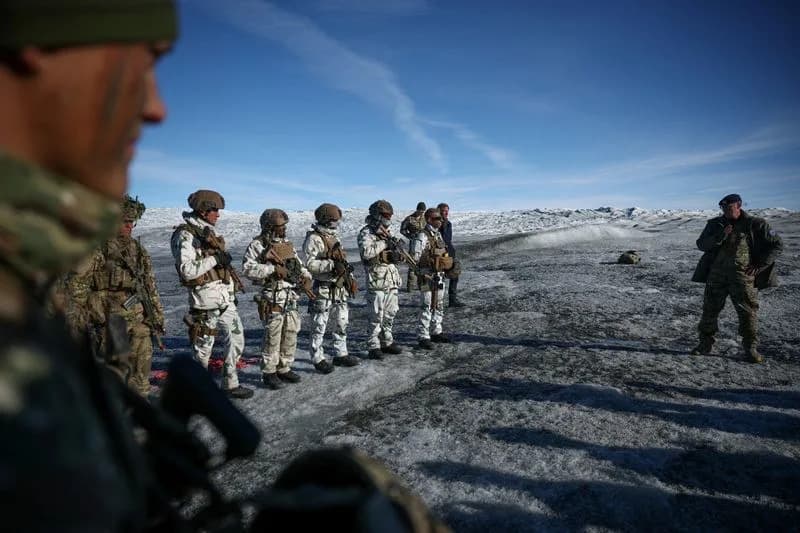
The Sirius Patrol monitors an area roughly equivalent to the combined size of France and Spain, including the vast Northeast Greenland National Park. Beyond sovereignty patrols, much of their military work is classified. Publicly reported tasks include assisting vessels in distress — notably a grounded cruise ship in 2023 — and enforcing permit requirements, such as stopping an unauthorised Russian expedition.
Life, Training And Recruitment
Applicants must first complete Denmark’s basic military training. Each year about 80–100 apply; 30–35 pass through rigorous physical and psychological testing, and ultimately only five or six are selected. Selected personnel commit to a 26‑month deployment in Greenland with no home visits. Most members are Danish, with a few Greenlanders over the years; no women have applied to date.
Roots In World War II
Dogsled patrols in eastern Greenland began during World War II, when teams discovered and helped destroy German weather stations that had supplied data to U‑boat operations. The Danish military established a permanent dogsled presence in 1950.
Duration: The full northern and eastern circuit takes the patrol about three to four years to complete.
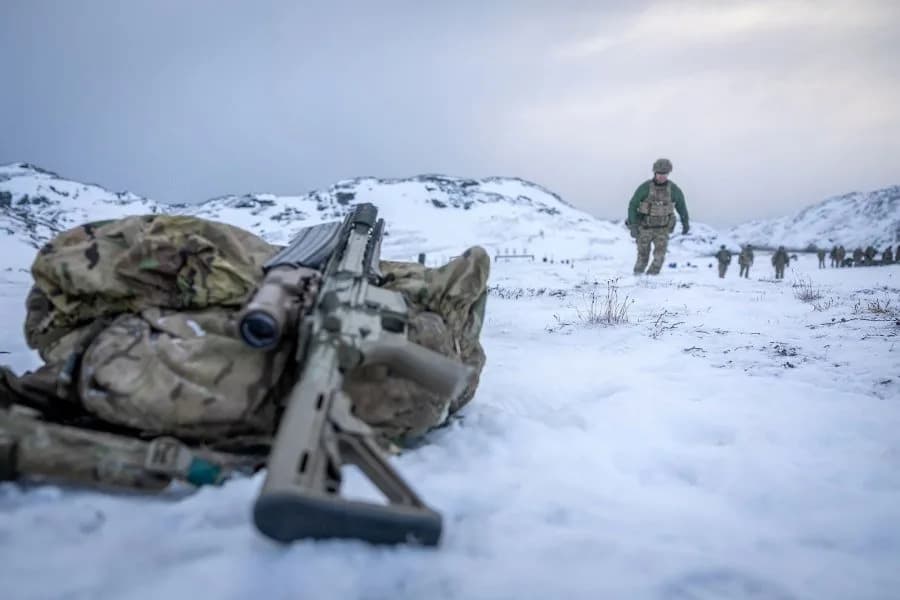
Equipment: Teams carry rifles and handguns principally for defence against polar bears or musk ox and to ensure they can cope with any emergency.
Help us improve.