The Sirius Dog Sled Patrol is Denmark’s elite Arctic reconnaissance unit, operating year-round along Greenland’s icy northern coast with dog teams and bolt-action M1917 Enfield rifles. The roughly dozen-member force is organised into six two-man teams, each supported by up to 15 Greenland dogs and capable of five-month patrols covering as much as 700 miles in temperatures down to −55°C. Re-established in 1950 after World War II origins, the unit’s primary mission is long-range reconnaissance and sovereignty patrol, complemented recently by a £4.8bn Danish defence package that adds ships and drones for broader Arctic security.
The Sirius Dog-Sled Patrol: Denmark’s Elite Arctic Recon Unit Protecting Greenland
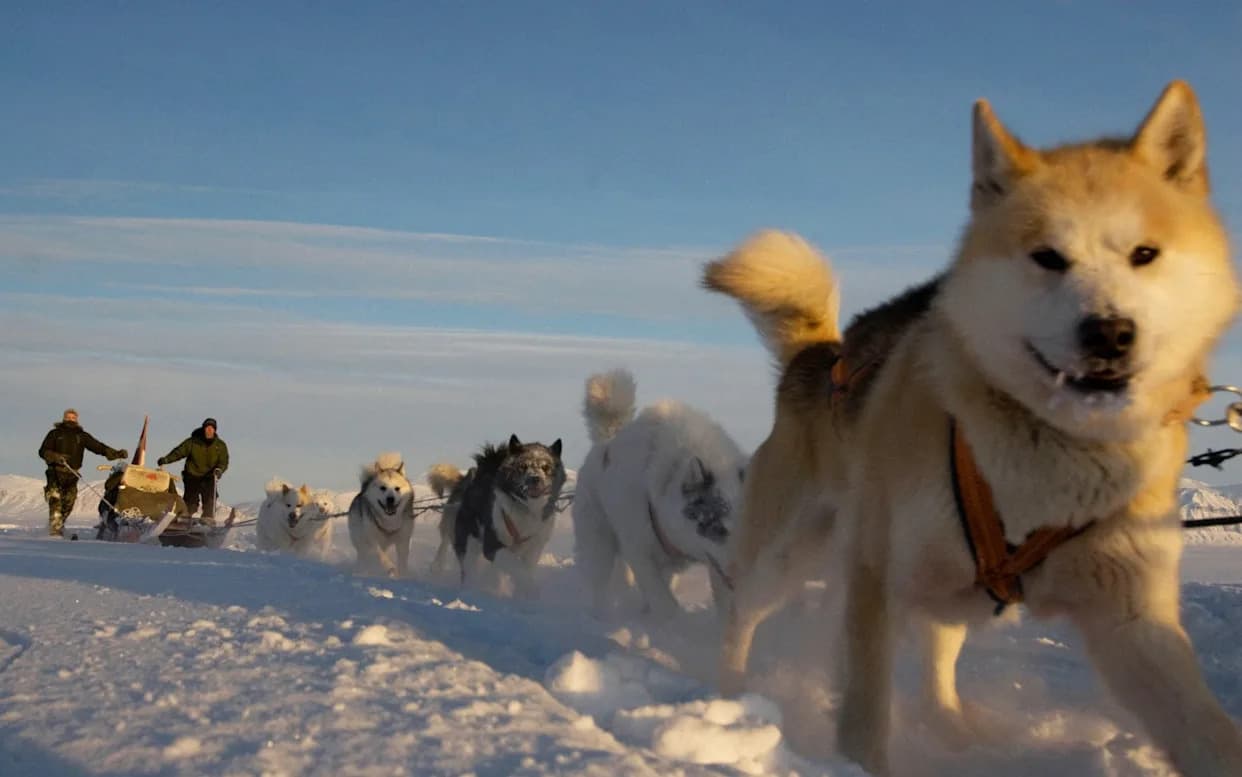
The Greenland dogs of the Sirius Dog Sled Patrol are bred and trained for extreme cold and prolonged winter darkness - Louise Murray / Alamy Stock Photo
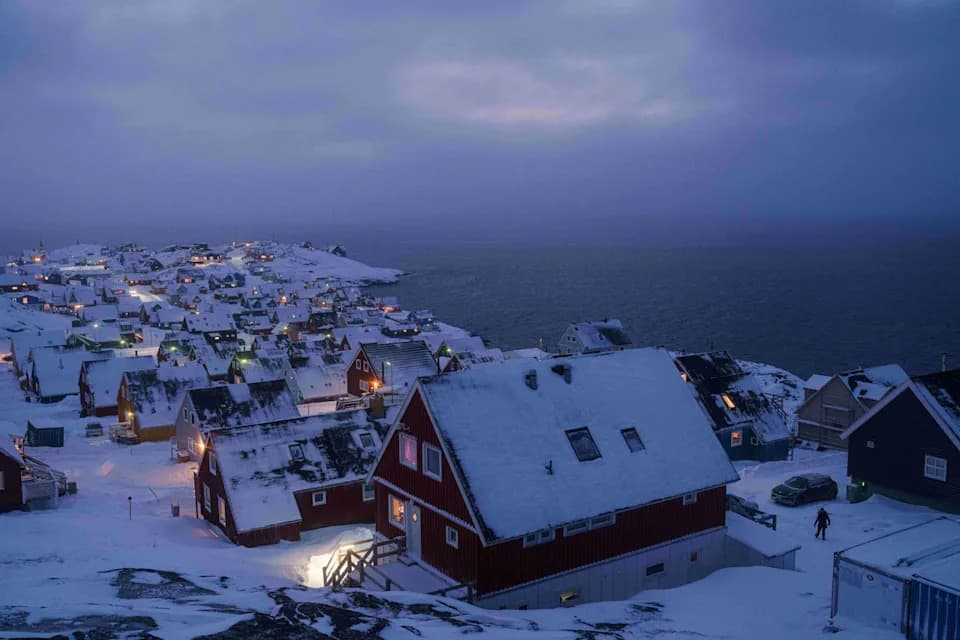
If media attention around US interest in Greenland taught anything, it was that appearances can be misleading. The Sirius Dog Sled Patrol — a roughly dozen-strong Danish unit that patrols Greenland’s frozen northern coast with teams of huskies and bolt-action rifles — is far more than a diplomatic curiosity. Its skill set, endurance and local knowledge make it uniquely suited to surveillance and presence in one of the planet’s harshest environments.
“They put an extra dog sled there last month,”President Donald Trump quipped to reporters. The two additional dog teams are only a small part of a broader £4.8bn Danish defence package announced in response to renewed geopolitical attention on Greenland; the package also includes five new patrol ships and four long-range drones.
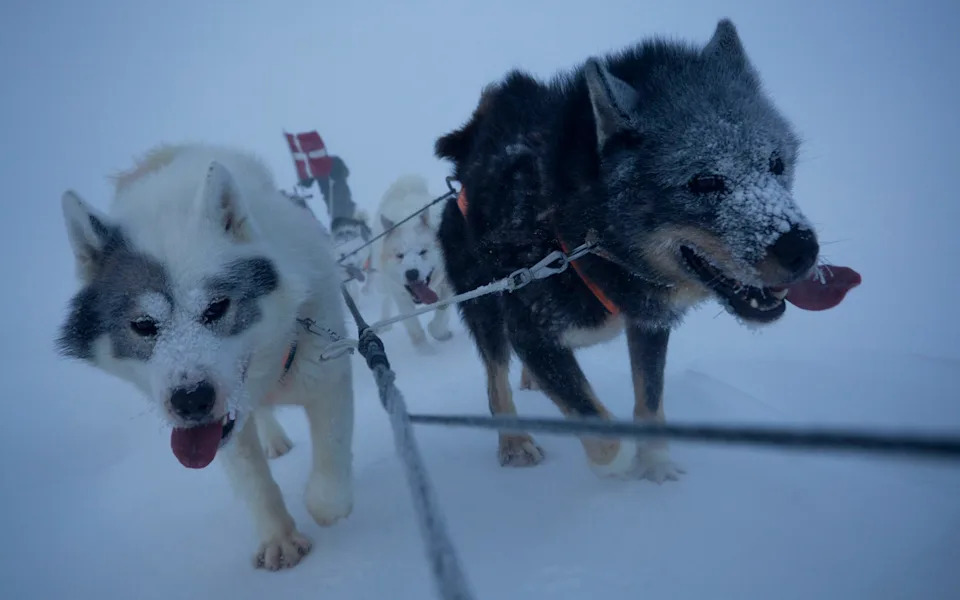
The dogs will fight like wolves among themselves if not looked after properly - Fritz Hoffmann/Redux
What the Sirius Patrol Does
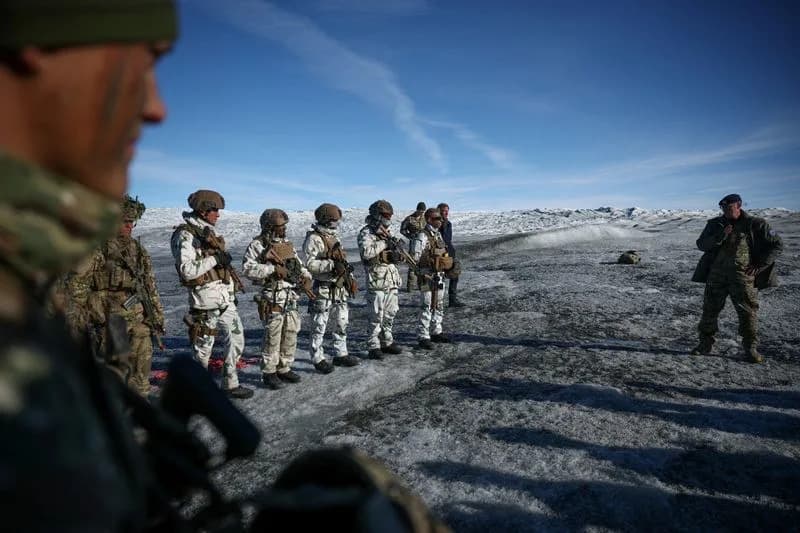
The unit operates year-round in conditions that regularly include 100mph blizzards, months of polar night and temperatures that can fall to around −55°C. Organised as six two-man teams, each patrol travels with up to 15 Greenland dogs (a regional husky type) and can remain at sea and on ice for up to five months, covering as much as 700 miles on a single mission. Typical daily travel is about 20 miles, across terrain so remote that rescue is effectively impossible in many areas.
Equipment, Skills and Selection
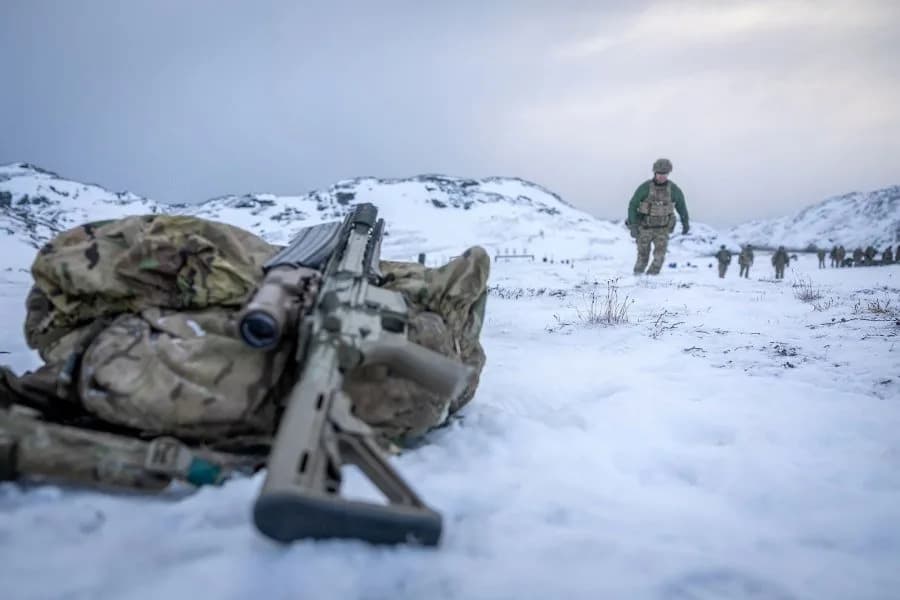
Sirius soldiers rely on time-tested kit suited to extreme cold. Their primary rifle is the bolt-action M1917 Enfield — valued for reliability in Arctic temperatures where many modern automatic weapons can fail. Beyond marksmanship, recruits learn navigation, veterinary care, hunting, survival skills and how to deter or defend against polar bears and musk oxen. Selection is rigorous: candidates must memorise coastal maps with exceptional precision, endure immersion in freezing water, and prove psychological resilience for prolonged isolation.
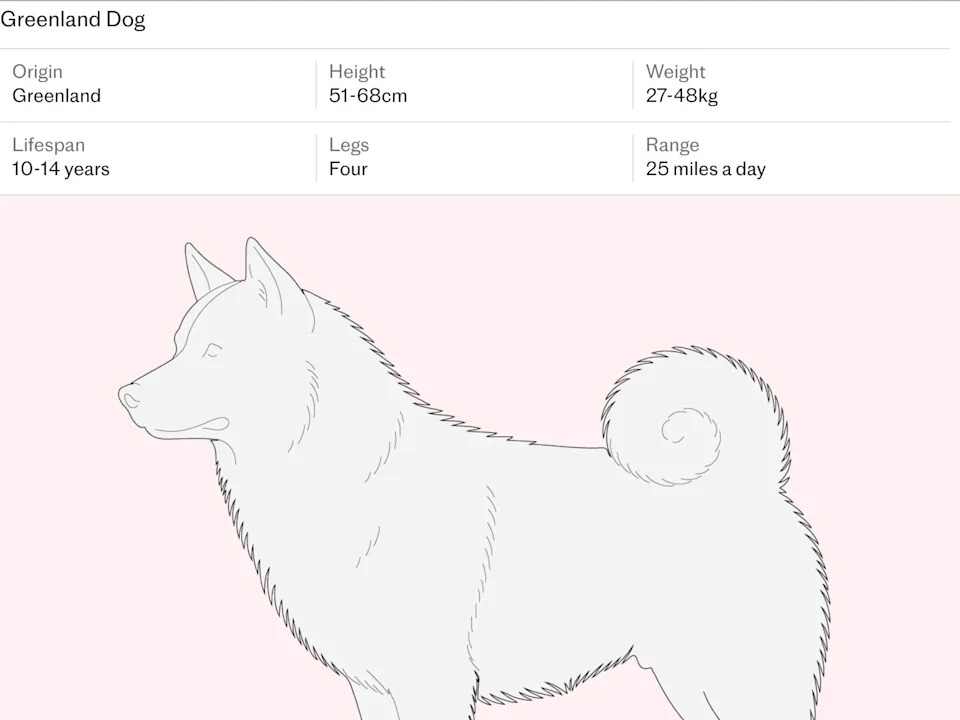
2201 Greenland
History and Role
Established in 1941 to supply weather intelligence to Allied forces, the patrol was disbanded after World War II and re-established in 1950 for Cold War reconnaissance. Though small, the unit has proven its value historically — including skirmishes with Nazi landing parties — and today it functions primarily as a long-range reconnaissance and sovereignty-enforcement force rather than a heavy-combat formation. Control of southern population centres such as Nuuk would remain decisive in any large-scale conflict over Greenland.
Life On Patrol
Life on Sirius patrols is austere. Teams live in tents or snow shelters, rely on sleds rather than vehicles, and treat their dogs as indispensable teammates. Extreme weight loss (some losing up to 30 lb per deployment) and acute cold injuries are occupational hazards. Observers who have met the teams describe them as exceptionally fit and highly adapted to their environment.
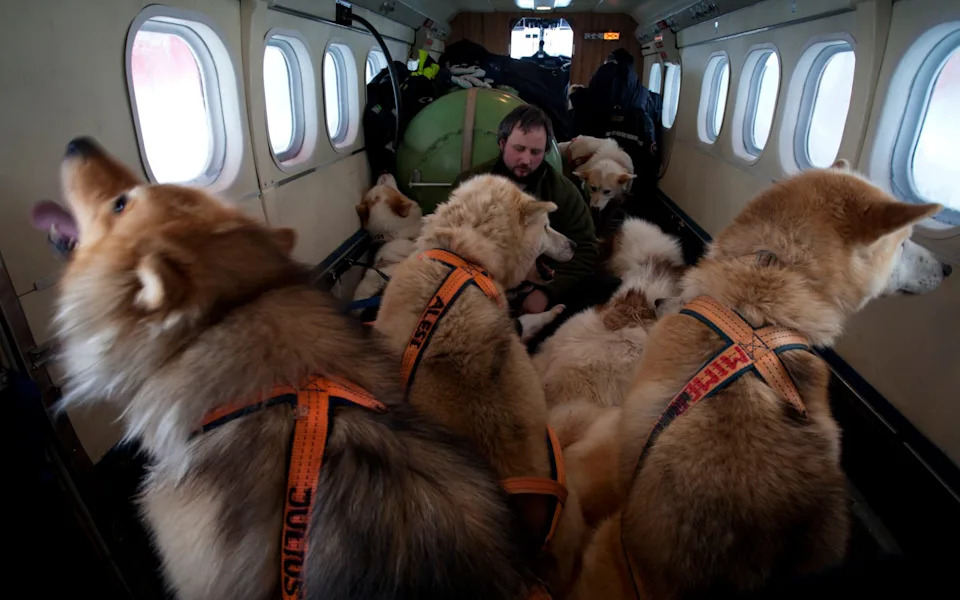
The Sirius Patrol is named after the Dog Star, the brightest point in the Arctic night sky - Fritz Hoffmann/Redux
“They are utilising a means of transport that for centuries has been adapted to the conditions up there, and we are augmenting that with drones and other facilities,”
— Torben Orting Jorgensen, former Danish rear admiral.
Strategic Takeaway
While a dog-sled unit is no match for a modern expeditionary force in a direct fight, the Sirius Patrol provides a persistent, low-signature presence in a vast Arctic frontier where satellites, aircraft and vehicles can be ineffective. That combination of local expertise, endurance and adaptable tactics gives Denmark a credible tool for surveillance, sovereignty and early warning in Greenland’s unforgiving north.
Help us improve.