Operation Underworld was a secret World War II-era collaboration between U.S. authorities and American Mafia figures to secure ports and aid Allied operations, including the 1943 invasion of Sicily. While it delivered immediate security benefits, the pact unintentionally strengthened organized-crime networks. The commutation and deportation of Charles "Lucky" Luciano in 1946 and Sicily’s post‑Fascist power vacuum helped renew transatlantic criminal ties and fuel postwar narcotics trafficking. The episode shows how wartime expediency can have lasting, unintended consequences.
Operation Underworld: How a Secret WWII Pact Helped Rebuild the Postwar American Mafia
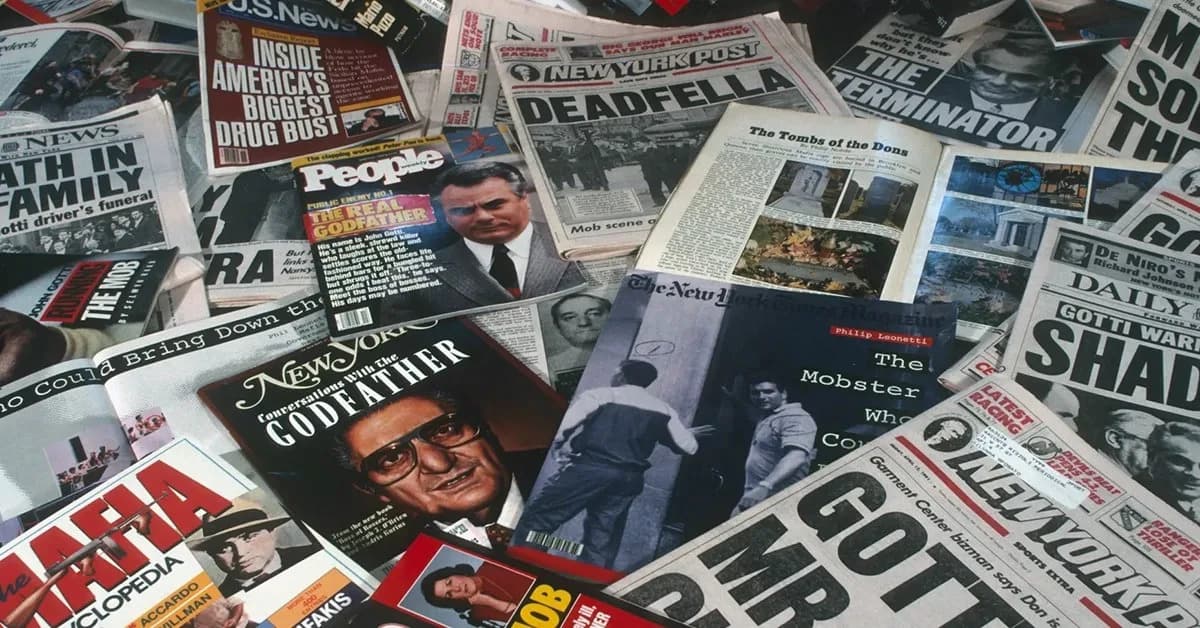
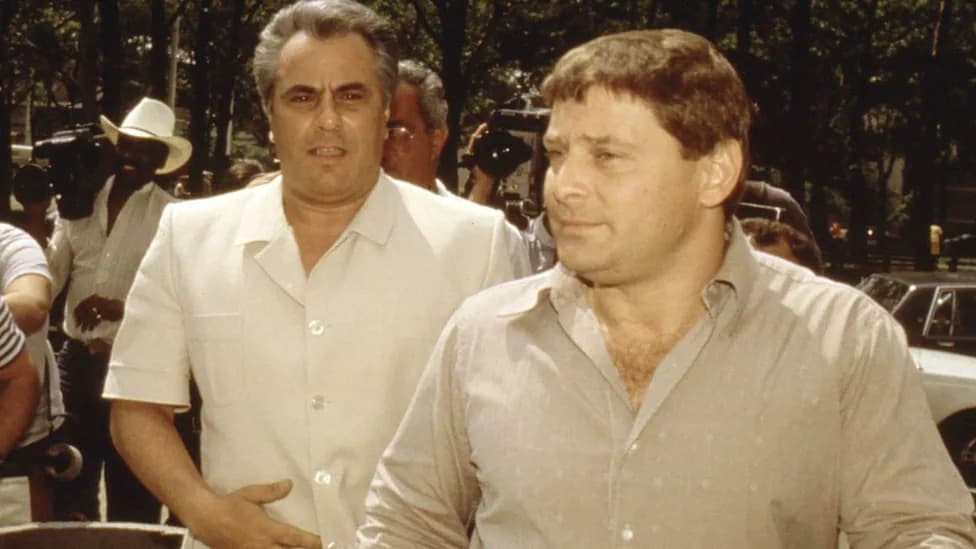
(Photo by Santi Visalli/Getty Images)
Operation Underworld was a covert wartime arrangement in which U.S. authorities cooperated with elements of the American Mafia to protect East Coast ports and support Allied operations in the Mediterranean. Faced with German U-boat attacks, threats of sabotage, and fragile supply lines in 1942–1943, federal and naval intelligence turned to unconventional local intermediaries to secure critical waterfront infrastructure.
How the Pact Worked
Working with government agents, mob lieutenants helped tighten control of docks, curtailed sabotage and strike risks, and supplied local intelligence that naval officers later said aided planning for the 1943 Allied invasion of Sicily (Operation Husky). The arrangement was pragmatic and clandestine: officials sought immediate operational results, not partnership with organized crime.
Lucky Luciano, Dewey, and the Controversy
Charles "Lucky" Luciano—incarcerated in the 1930s after a high-profile prosecution by New York prosecutor Thomas E. Dewey—was implicated by naval intelligence as a useful source of Sicilian contacts and local knowledge. After the war, Governor Dewey commuted Luciano's sentence in 1946 and Luciano was deported to Italy. From there he re-established links that later helped rebuild postwar narcotics pipelines, contributing to what became known as the French Connection.
Mussolini, Cesare Mori, and the Sicilian Context
Years before the war, Benito Mussolini had unleashed prefect Cesare Mori to suppress the Sicilian Mafia with mass arrests, property seizures, and exile. That campaign scattered many mafiosi, some of whom emigrated to the United States. When Allied forces invaded Sicily in 1943 and Fascist control collapsed, the resulting political vacuum allowed local Mafia networks—long embedded in rural and municipal life—to reassert influence as intermediaries for occupying forces and returning local power brokers.
Postwar Reconnection and Transatlantic Crime
The convergence of Sicily's post-Fascist revival and the U.S. government's wartime compromises created conditions for renewed transatlantic criminal ties. Sicilian bosses regained local authority and served as suppliers or facilitators for narcotics production, while American families possessed distribution networks and political leverage. Luciano, operating from Italy, helped reconnect routes and contacts that later underpinned international heroin trafficking in the 1950s and 1960s.
Legacy and Lessons
Operation Underworld met its immediate security goals, but it also produced long-term consequences: wartime expediency lent organized crime political capital and transnational reach.
The episode highlights a difficult truth about emergency decision-making: alliances of convenience can achieve short-term survival while creating enduring shifts in power. Repression abroad can scatter criminal networks rather than eliminate them, and instability—whether from occupation or regime collapse—can be rapidly exploited by organized crime.
Conclusion: Operation Underworld defended vital supply lines and assisted Allied campaigns, yet it also helped catalyze the postwar resurgence and internationalization of organized crime. The wartime bargains that protected a nation ultimately reshaped the underworld for decades to come.
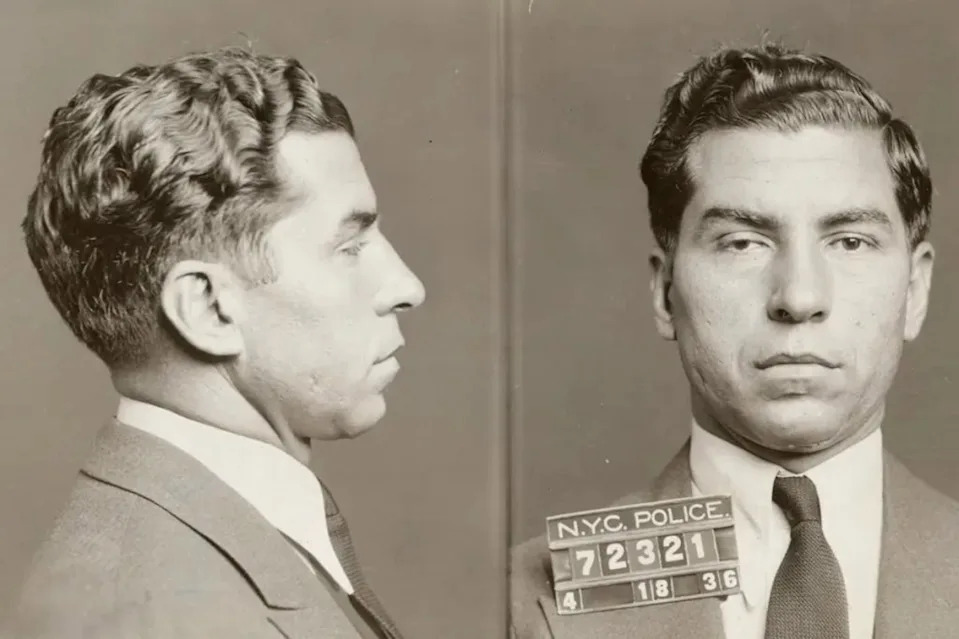
Mugshot of mobster Charles ‘Lucky’ Luciano in 1936. (New York Police Department)
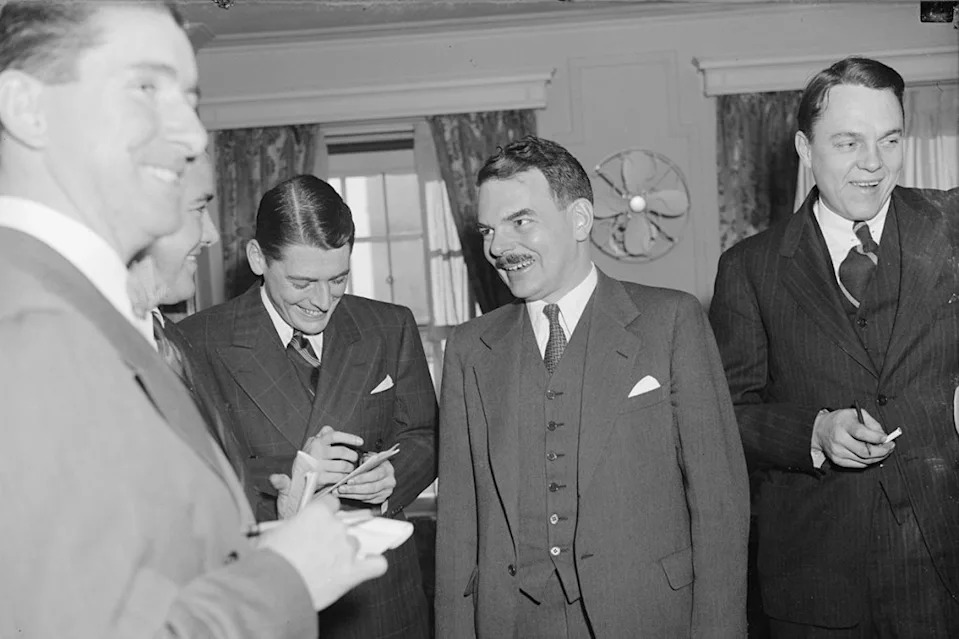
Former New York Gov. Thomas E. Dewey (middle) was no fan of organized crime. (Library of Congress)
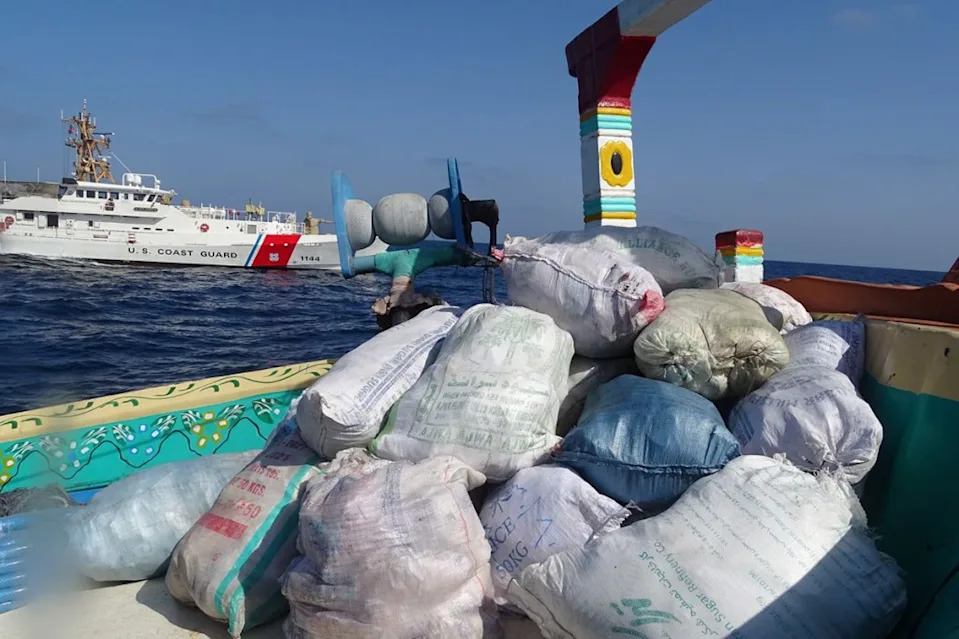
Here is what millions of dollars of heroin looks like. (U.S. Coast Guard)
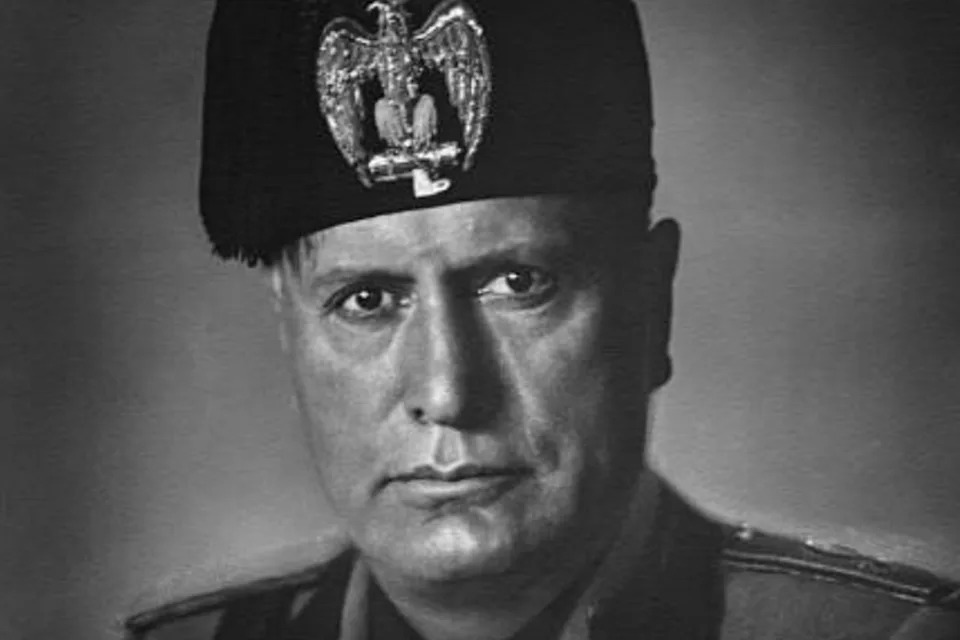
Italian dictator Benito Mussolini’s power-hungry methods could only go so far in eliminating the Mafia entirely.
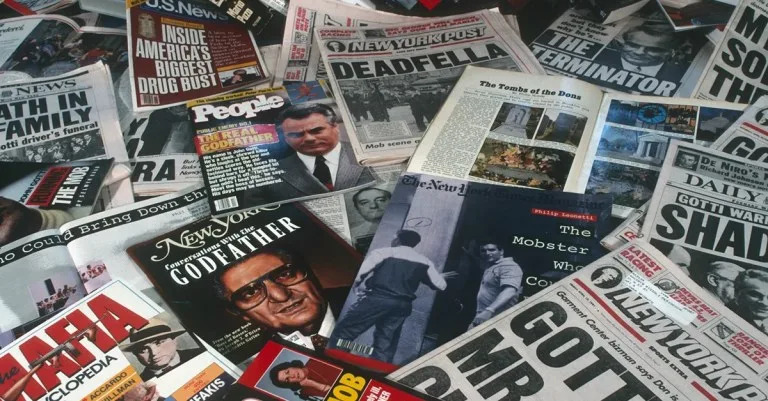
postwar mafia newspapers
salute to service award christian mccaffrey 49ers
Thomas Paine "Common Sense"
haters guide army national guard header arng
benedict arnold richmond
Help us improve.