Pete Hegseth said recent U.S. military strikes in the Caribbean have led several cartel leaders in the SOUTHCOM area to suspend narcotics operations indefinitely. He credited President Donald Trump for directing the actions and called the campaign a lifesaving deterrent. SOUTHCOM confirmed a Feb. 5 strike in the Eastern Pacific that killed two suspected "narco‑terrorists" and reported no U.S. casualties. Senator Lindsey Graham praised the operation and urged continued verification and monitoring.
U.S. Strikes in Caribbean Prompt Some Cartel Leaders To Suspend Drug Operations, Hegseth Says

Hegseth says US strikes force some cartel leaders to halt drug operations
U.S. War Secretary Pete Hegseth said Thursday that recent U.S. military strikes in the Caribbean have prompted several cartel leaders operating within the U.S. Southern Command (SOUTHCOM) area of responsibility to halt narcotics operations indefinitely.
Hegseth posted on X that "WINNING: Some top cartel drug‑traffickers in the @SOUTHCOM AOR have decided to cease all narcotics operations INDEFINITELY due to recent (highly effective) kinetic strikes in the Caribbean." He credited President Donald Trump with directing the actions and described the campaign as a lifesaving deterrent.

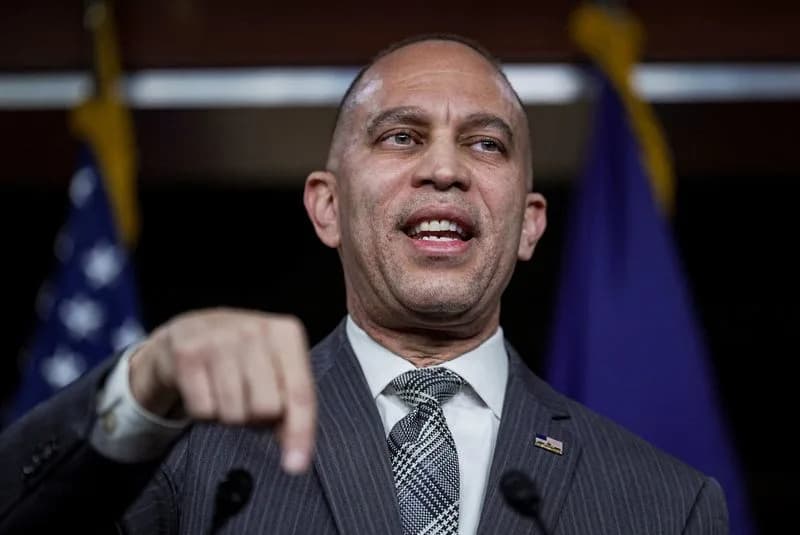
U.S. Secretary of War Pete Hegseth gives a thumbs up during a game between the Navy Midshipmen and Army West Point Black Knights at M&T Bank Stadium on Dec. 13, 2025 in Baltimore, Maryland.(Getty Images)
"This is deterrence through strength. @POTUS is SAVING American lives."
Republican Sen. Lindsey Graham of South Carolina praised the operation on X:
"Well done @SecWar and to all under your command. We must continue to verify and monitor. We can’t trust drug cartels."
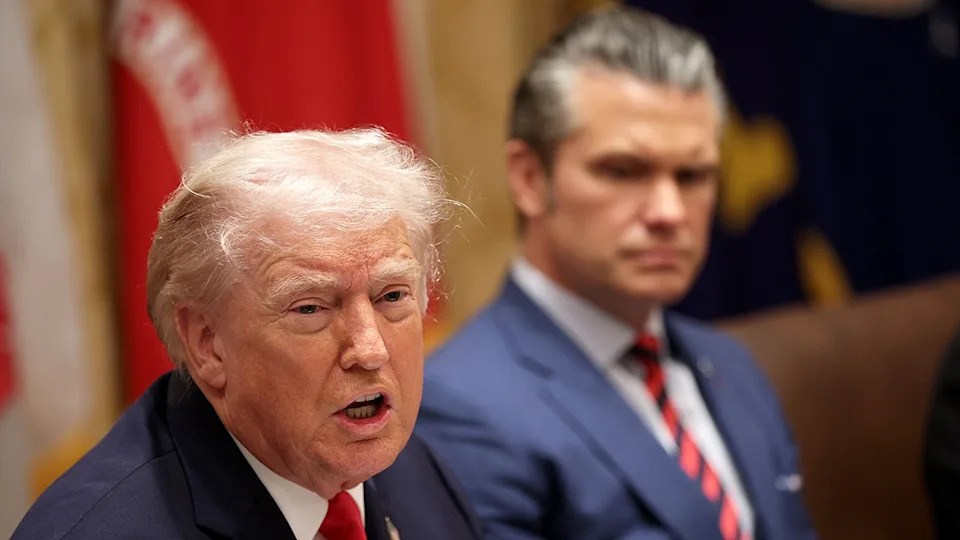
U.S. President Donald Trump speaks as U.S. Secretary of War Pete Hegseth looks on during a meeting of the Cabinet in the Cabinet Room of the White House on Jan. 29, 2026 in Washington, D.C.
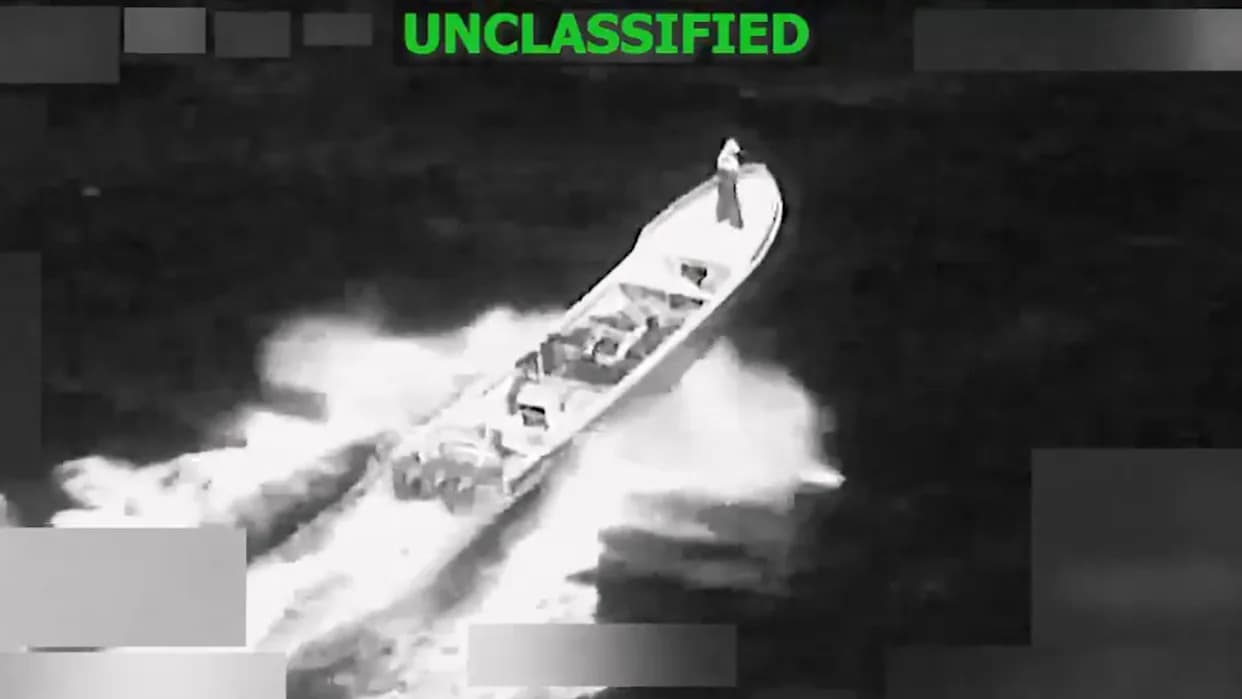
SOUTHCOM confirmed a lethal strike on Feb. 5 in the Eastern Pacific. In its post, the command said:
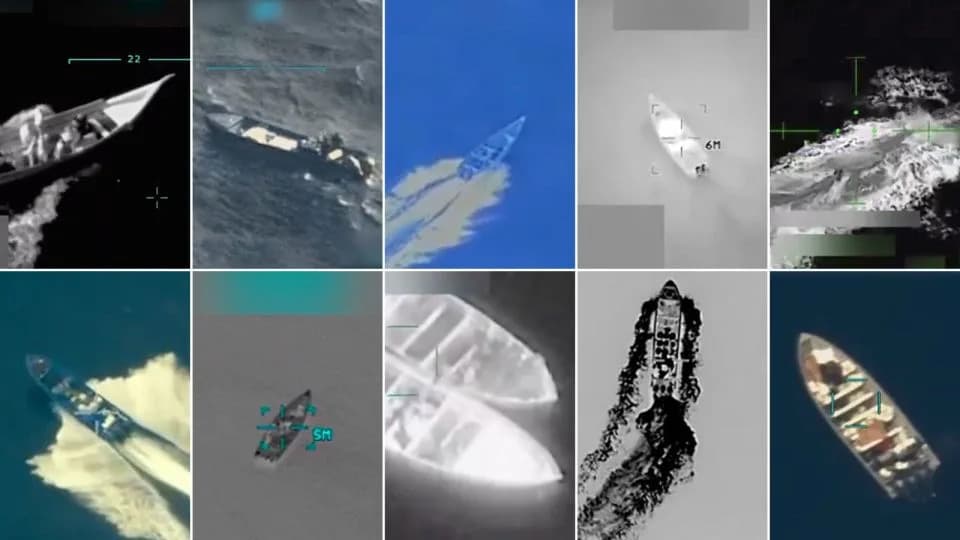
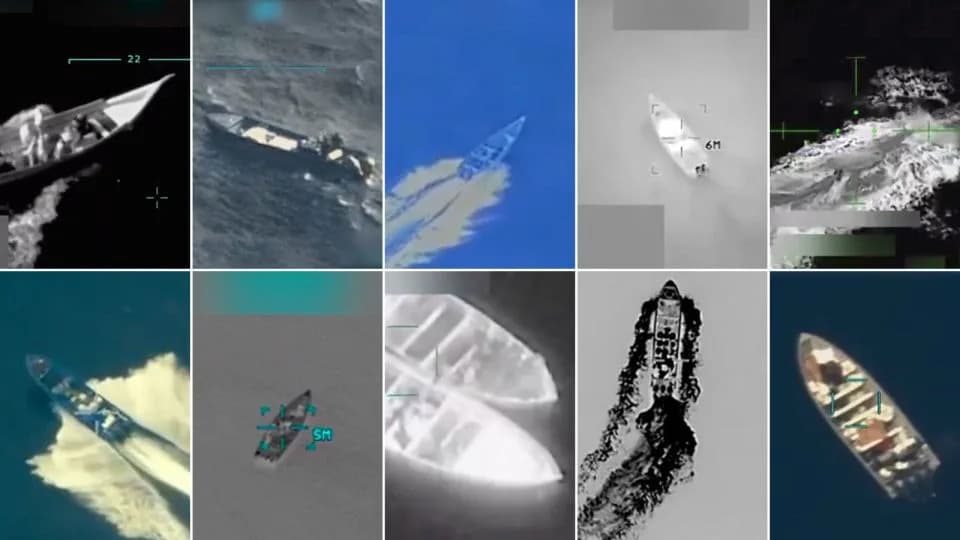
"On Feb. 5, at the direction of #SOUTHCOM Commander Gen. Francis L. Donovan, Joint Task Force Southern Spear conducted a lethal kinetic strike on a vessel operated by Designated Terrorist Organizations. Intelligence confirmed the vessel was transiting along known narco‑trafficking routes in the Eastern Pacific and was engaged in narco‑trafficking operations. Two narco‑terrorists were killed during this action. No U.S. military forces were harmed."
Administration officials say these strikes are part of a broader policy to disrupt maritime drug trafficking by targeting vessels the U.S. alleges are operated by "narco‑terrorists." Pentagon and SOUTHCOM spokespeople say the operations are intended to deter trafficking networks and protect U.S. lives and interests in the hemisphere.
Independent on-the-ground verification beyond official statements was not provided in the initial releases. Additional reporting and monitoring will be needed to assess the long-term impact of the strikes on trafficking networks.
Help us improve.