The killing of 84-year-old Vicha Ratanapakdee in 2021 has returned to national attention after a jury convicted Antoine Watson of manslaughter and assault but acquitted him of murder and elder-abuse charges. Watson, 24 (19 at the time of the attack), will face a hearing on aggravating factors before sentencing is set. The case has reignited debate over anti-Asian violence during the pandemic, with family members and community leaders calling the verdict insufficient, while defense attorneys maintain there was no evidence of racial bias.
Five Years After Vicha Ratanapakdee’s Death, Manslaughter Verdict Reignites Anger in San Francisco
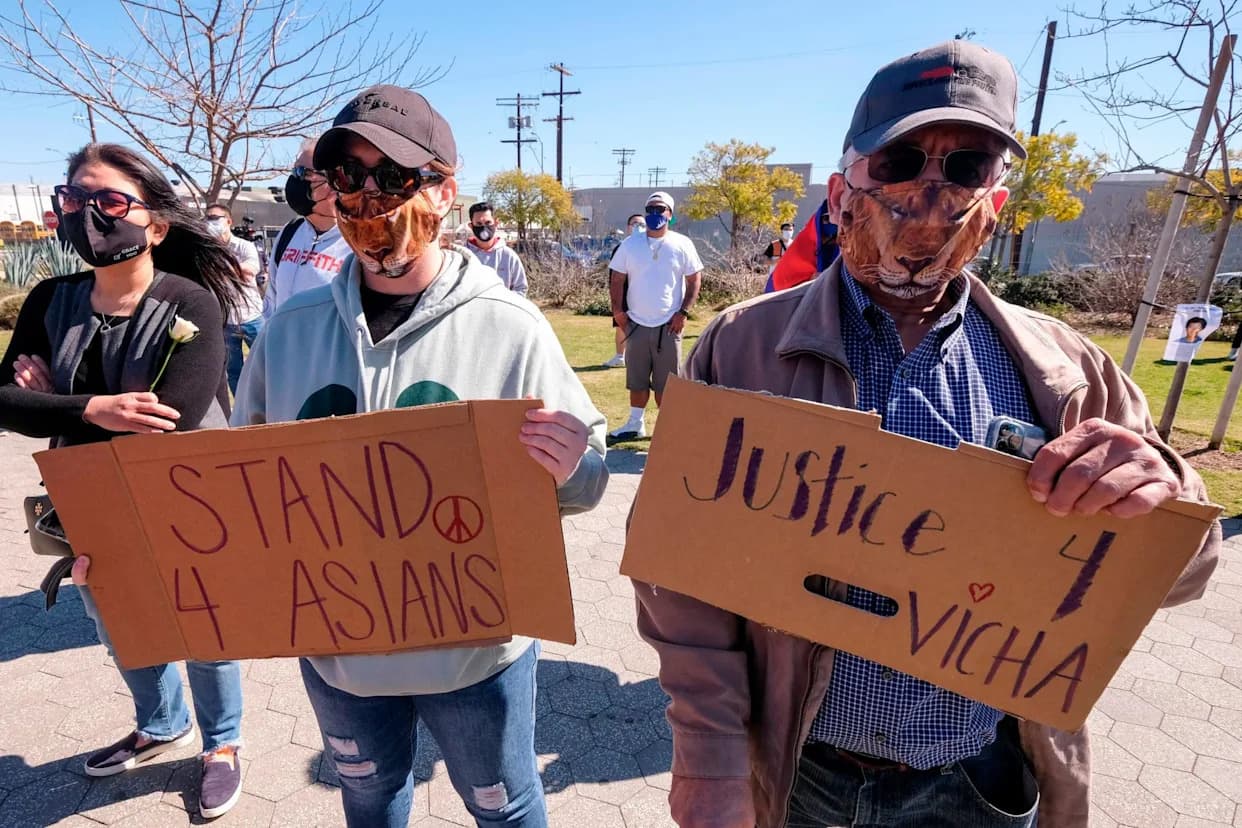
A rally to raise awareness of anti-Asian violence, near Chinatown in Los Angeles, California, on 20 February 2021.Photograph: Ringo Chiu/AFP/Getty Images(Photograph: Ringo Chiu/AFP/Getty Images)
The 2021 killing of 84-year-old Vicha Ratanapakdee in San Francisco has returned to the spotlight after a jury this month found Antoine Watson guilty of manslaughter and assault but acquitted him of murder and elder-abuse charges. Watson, 24, was 19 at the time of the attack; he will return to court for a hearing on aggravating factors before a sentencing date is set.
What Happened
Security-camera footage from the Anza Vista neighborhood showed Watson suddenly run toward Ratanapakdee, shove him to the pavement and then flee. The elderly Thai native, who lived with his wife and extended family, died in hospital two days later. The unprovoked attack shocked the city and became one of several high-profile incidents that raised alarm about violence targeting Asian American elders during the pandemic.
Legal Outcome and Next Steps
Jurors convicted Watson of manslaughter and assault but declined to convict him of murder and elder abuse. Prosecutors did not pursue a hate-crime charge, saying they lacked sufficient evidence of bias. Watson’s legal team and the public defender emphasized his youth and claimed the act was impulsive and not motivated by racial animus. A hearing on aggravating factors is scheduled to determine whether additional penalties will be recommended before sentencing.
Community Reaction
Ratanapakdee’s family and many community leaders expressed disappointment and frustration with the verdict, saying it does not match the violence captured on video or the trauma felt by Asian American elders. Supervisor Alan Wong described the killing as a turning point that helped galvanize the Stop Asian Hate movement in San Francisco. Others, including Watson’s defense, called for restorative approaches and noted his remorse and five years of incarceration since the incident.
“He was attacked while simply walking in his neighborhood. His death changed our family forever,” the family said in a statement, expressing ongoing fear for vulnerable seniors who should be able to walk outside without fear.
Wider Context
The case came amid a documented rise in anti-Asian incidents and hate crimes during the pandemic. Federal data show anti-Asian hate crimes increased 77% from 2019 to 2020 (from 158 to 279 incidents). The Center for the Study of Hate and Extremism reported a 339% increase in some measures between 2020 and 2021, and Stop AAPI Hate recorded more than 11,400 reports of harassment and abuse from March 2020 to March 2022. San Francisco police reported a 567% jump in hate-crime reports targeting Asian Americans between 2020 and 2021 (from nine to 60 reports).
Possible Sentence
Under the convictions, Watson faces maximum terms that include up to four years for assault, up to four years for manslaughter, plus potential sentence enhancements that could add additional years, according to local reporting. The aggravating-factors hearing will determine whether those enhancements apply and influence the final sentence.
Why This Matters
The verdict has reopened discussions about how the justice system addresses attacks on elders and minority communities, whether existing laws adequately account for bias or vulnerability, and how communities can pursue accountability and healing. The case continues to resonate beyond San Francisco as part of a broader conversation about public safety, racial violence, and support for older adults.
Help us improve.