The appearance of large murals depicting 23‑year‑old Iryna Zarutska — funded or promoted by high‑profile MAGA‑aligned donors — has sparked controversy. Supporters call the paintings memorials for a tragic victim; critics say the privately funded, polished portraits co‑opt grassroots memorial traditions and may be used for political messaging. The project has prompted local backlash, vandalism in some places, and sharp criticism from public‑art scholars and street‑art commentators.
MAGA‑Funded Murals of Slain Ukrainian Refugee Ignite Debate: Memorial or Political Message?
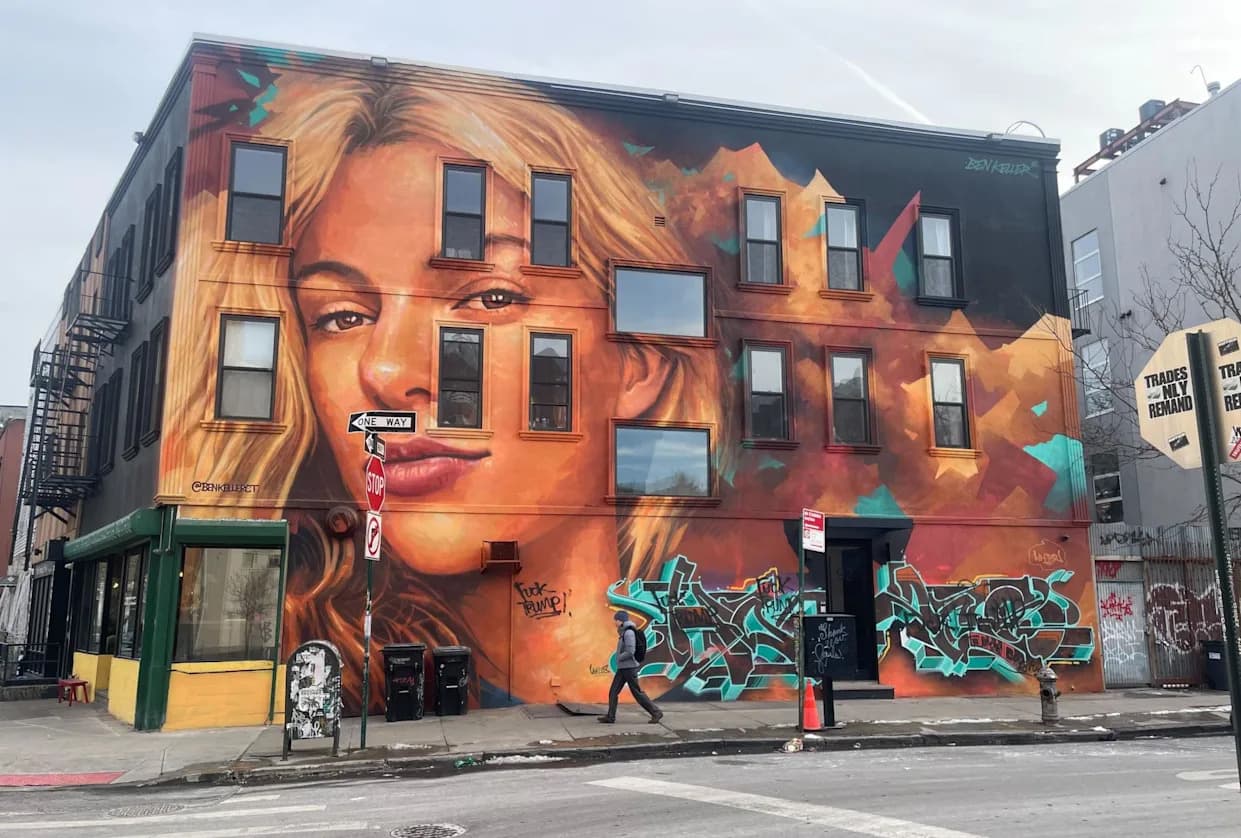
A mural memorializing Iryna Zarutska, a Ukrainian refugee who was killed last year, in Bushwick, New York.Photograph: Alaina Demopoulos(Photograph: Alaina Demopoulos)
Large, polished portraits of 23‑year‑old Ukrainian refugee Iryna Zarutska have appeared on walls across U.S. cities — from Bushwick, Brooklyn to Washington, D.C., Miami and Los Angeles — touching off a sharp debate about the line between memorialization and political messaging.
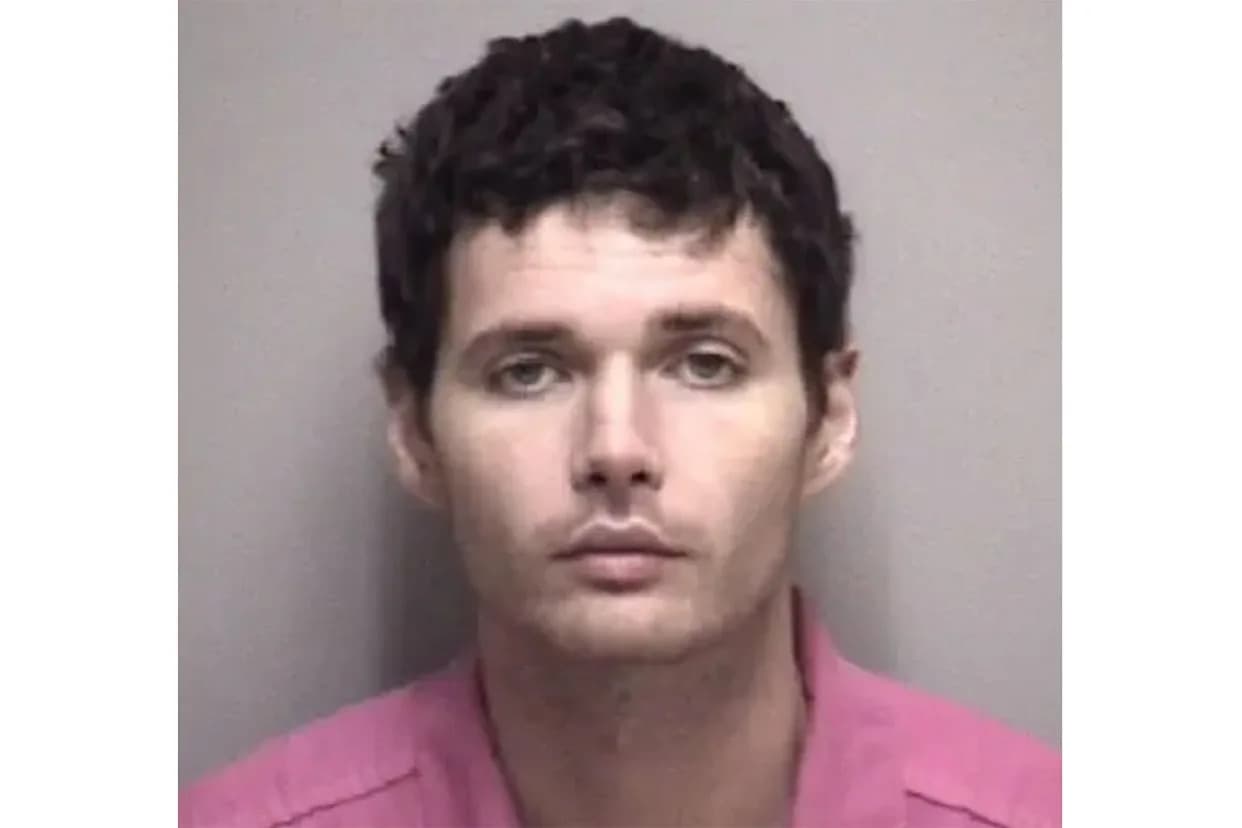
Zarutska was stabbed to death last year while riding the light rail in Charlotte, North Carolina, after finishing a shift at a local pizzeria. Surveillance video of the attack, which shows Zarutska looking at her phone when she was attacked from behind, circulated widely online. The suspect, Decarlos Brown Jr., had a long criminal record and documented mental‑health struggles; reports say he had previously spent five years in prison for armed robbery and faced multiple arrests.
Who Is Funding The Murals?
The murals drew renewed attention after Eoghan McCabe, CEO of customer‑service platform Intercom and a vocal Trump supporter, announced a program to fund murals of Zarutska. Elon Musk replied on X that he would contribute, and McCabe's team and media reports have cited large pledges — including claims of $1 million from Musk and $500,000 from McCabe — alongside smaller donors. A GiveSendGo crowdfunding page tied to the project raised more than $104,000; the platform is known for hosting fundraisers for conservative causes.
Art, Intentions And Reactions
Artists involved vary: Connecticut muralist Ben Keller, who has painted portraits of high‑profile tech figures, created the Bushwick mural in collaboration with a local artist known as @hoacs, while other artists — including a Pensacola painter who works as 'Rod Man' — say they painted tributes independently and out of compassion. Organizers describe the works as memorials intended to honor Zarutska.
But the project has provoked backlash. Local residents and some street‑art critics question placing these commissioned, polished portraits in neighborhoods where they have no organic connection. Graffiti and messages opposing the political figures associated with the funding have already appeared on at least one wall.
Stefano Bloch, a public‑art scholar, called the murals a 'hijacking of the moral aesthetic' of grassroots memorials and described the effort as 'top‑down' mural making that risks sanitizing genuine street‑level tribute.
Concerns About 'Weaponized' Memory
Critics say the project turns a personal tragedy into a broader political symbol. RJ Rushmore, a curator and commentator on street art, argued that the portraits amount to 'marking territory' and risk 'weaponizing the memory of a person who was a human being.' Supporters counter that the murals raise awareness for an innocent victim and memorialize a life cut short.
Observers also note an aesthetic shift: many of the commissioned portraits favor airbrushed, glamour‑style realism rather than the rougher, community‑rooted memorials that historically emerge organically after local tragedies, such as many of the tributes painted following George Floyd's death.
What’s Missing From The Murals
Some critics say the commissioned images flatten Zarutska's life to a single, stylized face — leaving out details reported about her background, food she cooked from family recipes, her plans to become a veterinary technician, and the everyday hopes she held. For these observers, reducing her story to an aestheticized portrait risks erasing context and purposefully reframing the incident for political consumption.
Whether seen as tribute or tactic, the murals have become a flashpoint in debates about public memory, private funding and who gets to claim public space.
Help us improve.