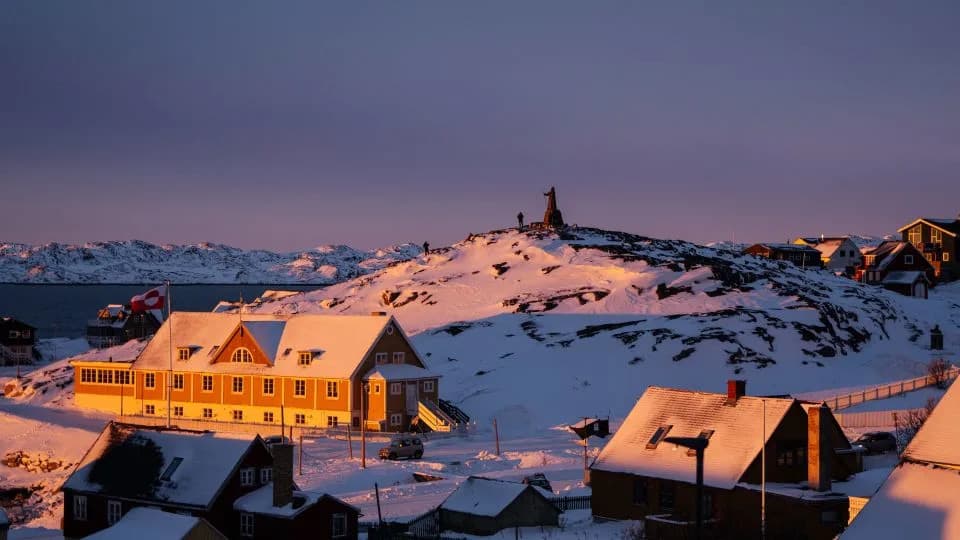
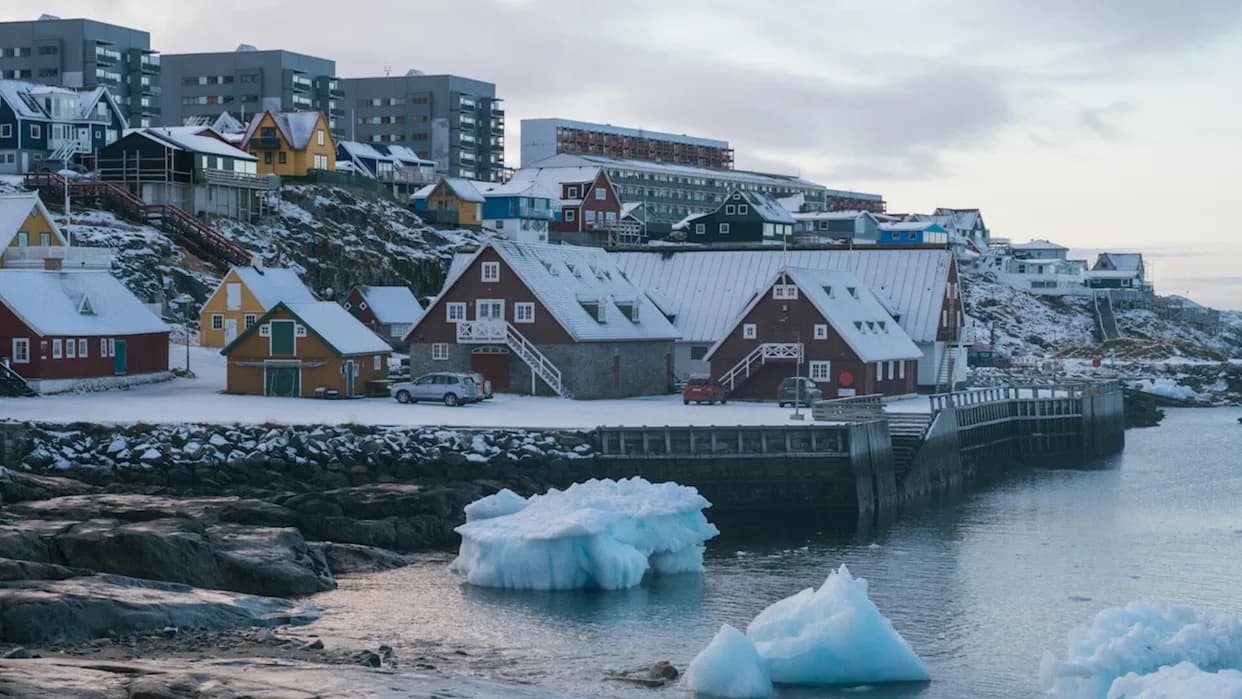
The Trump administration announced a verbal framework with Denmark on Greenland that, based on available descriptions, largely echoes rights already contained in the 1951 U.S.-Denmark defense agreement. Reported elements include talks to update the pact, potential missile-defense installations, limits on Chinese and Russian activity, a larger NATO role and unclear proposals on mineral access. No formal document was available immediately, and critics argue the confrontational approach risked damaging trust with allies for limited gains.
Trump’s Greenland 'Framework' Largely Mirrors 1951 U.S.-Denmark Security Pact — What’s New?
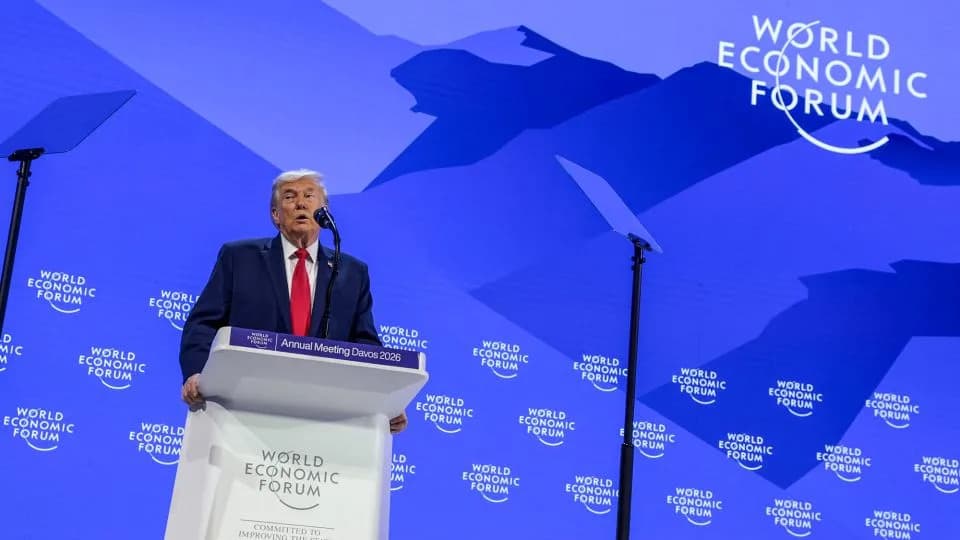
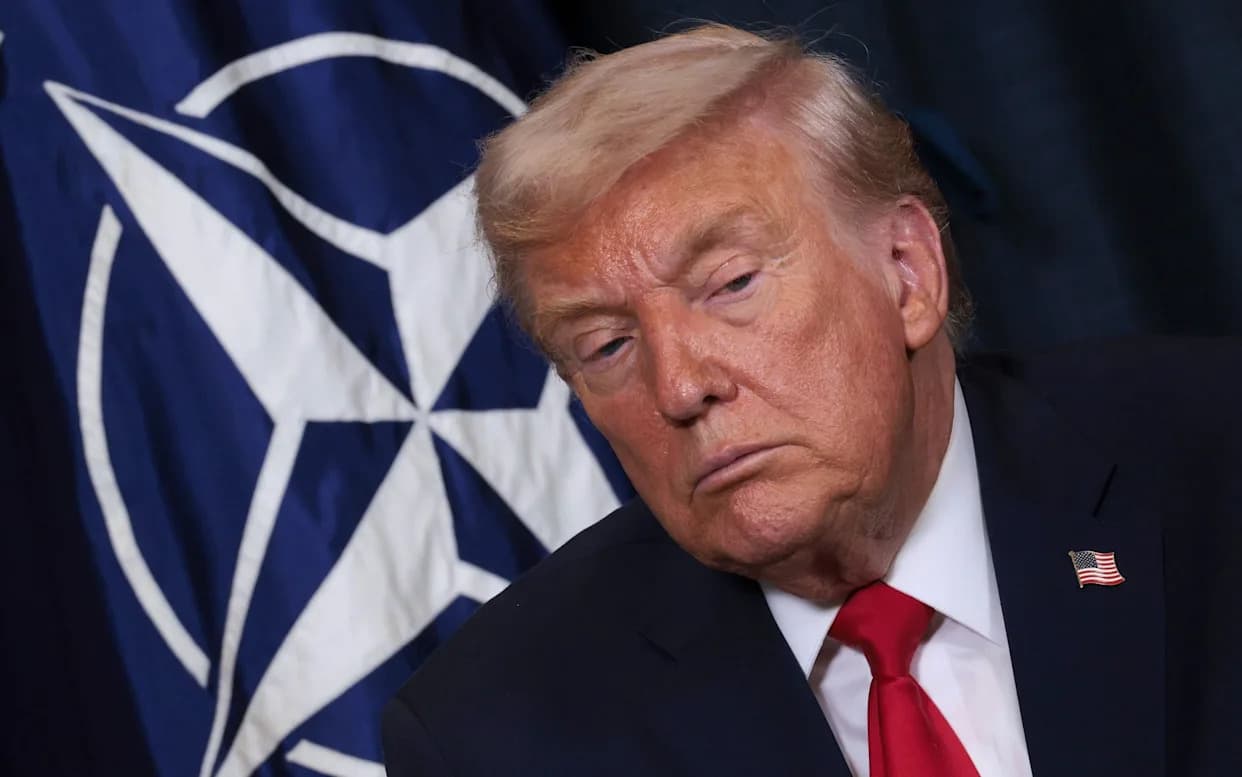
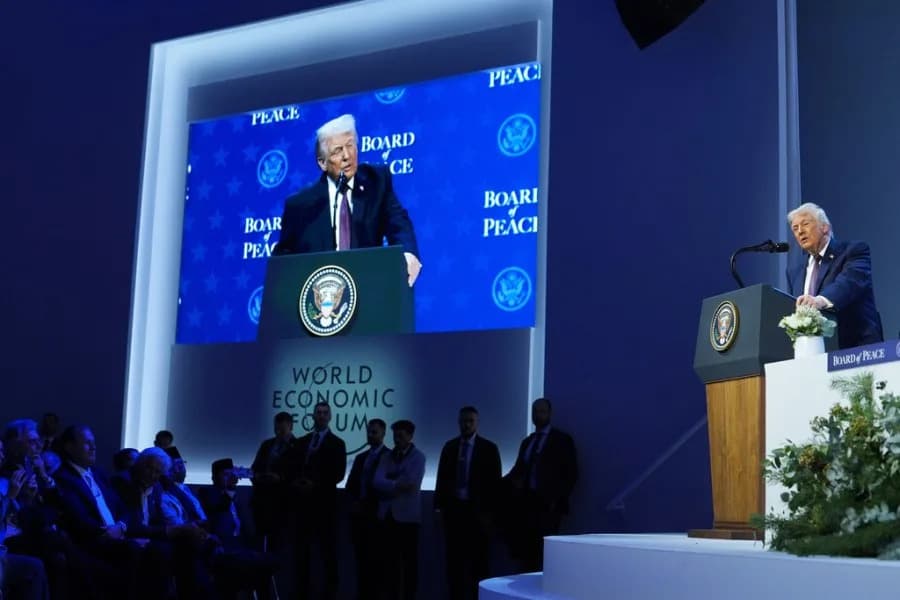
President Donald Trump speaks during the 56th annual World Economic Forum in Davos, Switzerland, on Wednesday. - Jonathan Ernst/Reuters
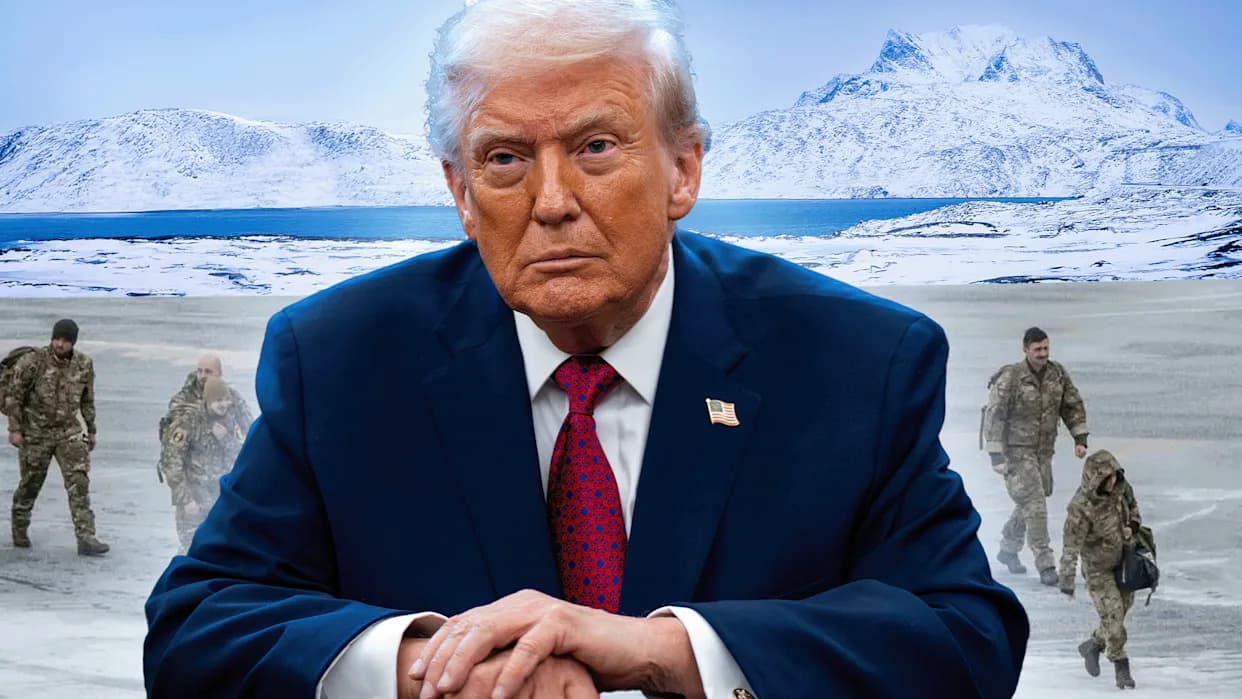
President Donald Trump announced a verbal "framework" for a future Greenland agreement that, based on available descriptions, appears to reiterate many rights already granted to the United States under a long-standing 1951 security pact with Denmark. Officials have released few specifics, and news outlets reported that no formal text of the new arrangement existed immediately after the announcement.
What Was Announced
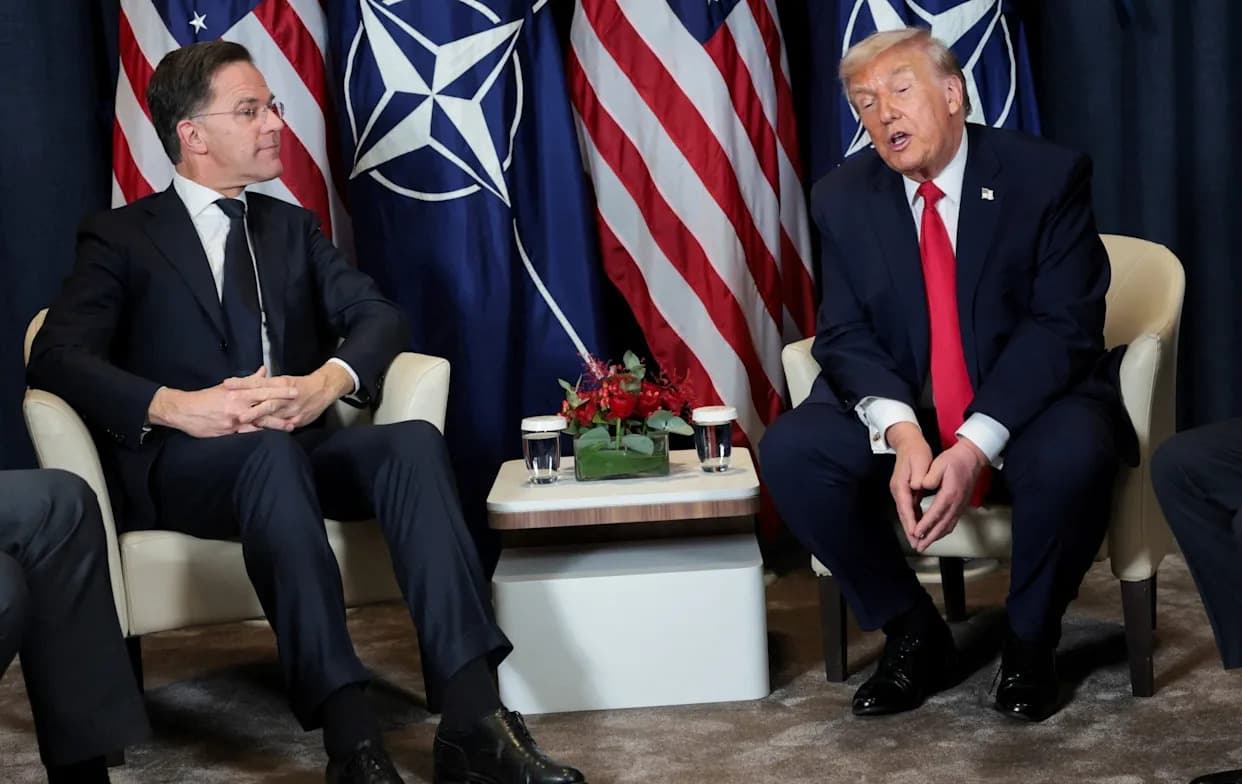
Mr. Trump called the understanding "a long-term deal," even describing it as "infinite" and "a deal that's forever." When asked whether the framework met his earlier insistence on "owning" Greenland, he paused and sidestepped the question. Dutch Prime Minister Mark Rutte — who raised the matter publicly with Mr. Trump — referred reporters back to the president's statement, offering no further detail.
How This Overlaps With The 1951 Agreement
The 1951 U.S.-Denmark defense agreement, with later updates including changes in 2004, already grants the United States broad authority to establish and operate defense areas in Greenland. Those provisions include the ability to station personnel, maintain and improve installations, operate post offices and commissaries, control movement of ships and aircraft within defense zones, and exercise exclusive jurisdiction over U.S. defense areas.
Given that foundation, many of the elements Mr. Trump described — such as long-term U.S. military presence and extensive access for defense purposes — are not entirely new on paper.
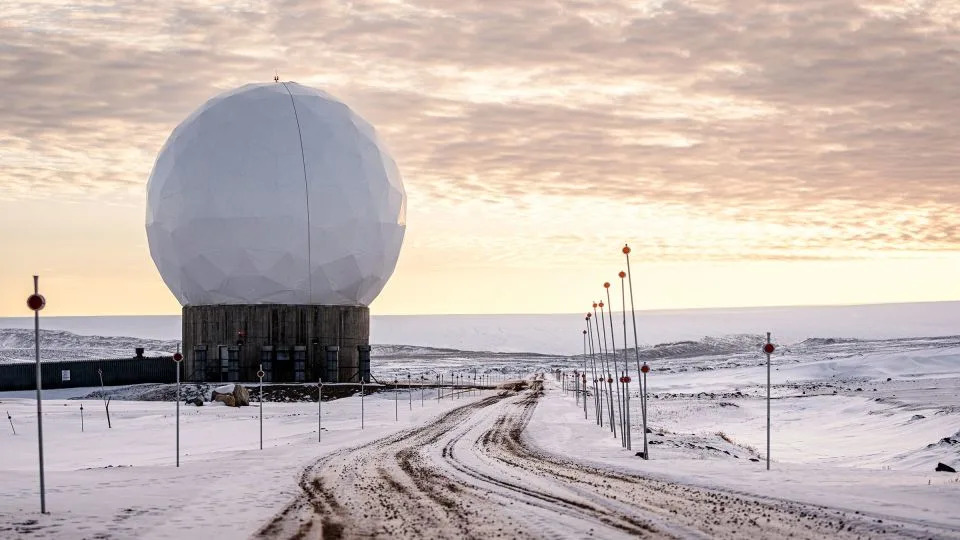
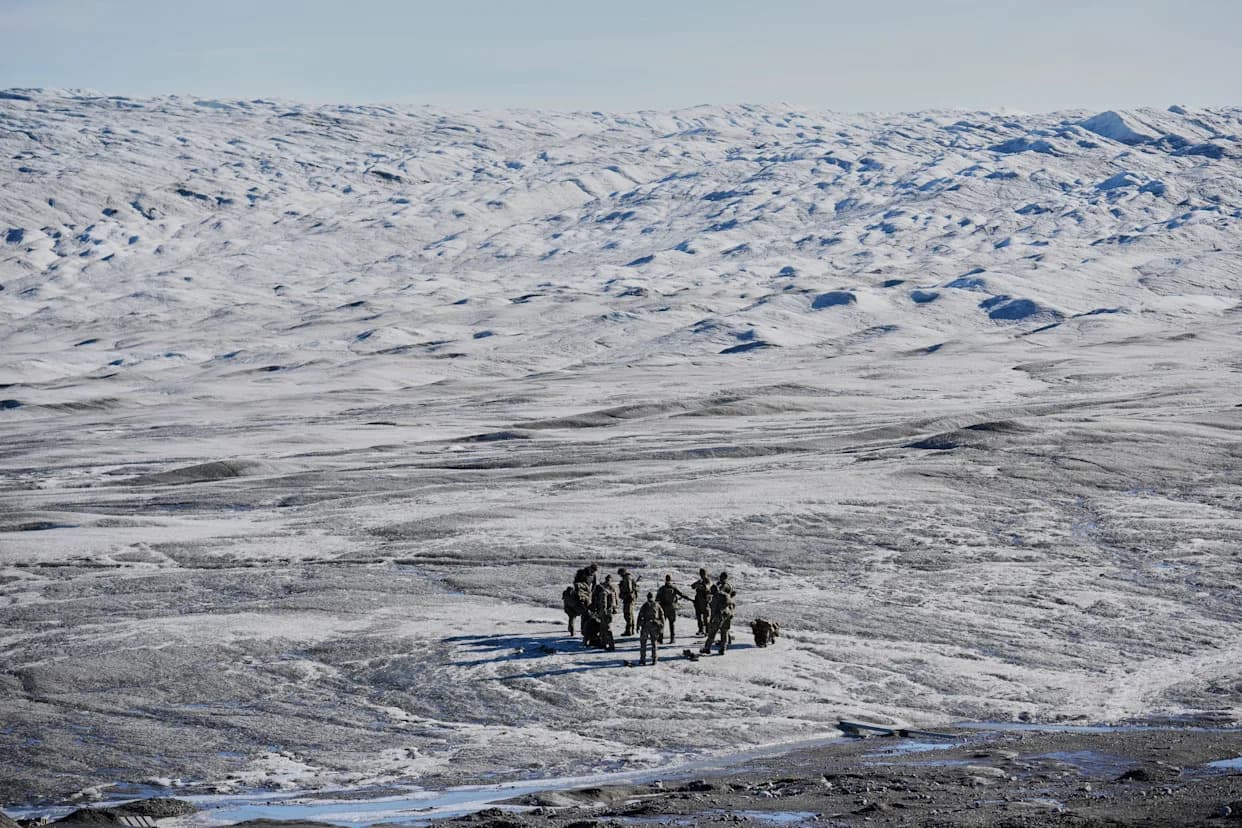
The Pituffik Space Base, formerly Thule Air Base, in northern Greenland on October 4, 2023. - Thomas Traasdahl/AFP/Getty Images
Reported Elements Of The New Framework
- Talks to update or clarify the 1951 pact.
- Possible permission for missile-defense-style installations, including a proposal Mr. Trump called a "Golden Dome" system.
- Suggested provisions to bar Chinese and Russian military activity on Greenland, according to allied spokespeople.
- A potentially enhanced NATO role in Greenland's security arrangements.
- Unclear or mixed signals about expanded U.S. access to Greenland's mineral resources.
Responses And Context
Greenlandic and Danish officials had already signaled openness to strengthened security cooperation before this episode. Greenlandic Foreign Minister Vivian Motzfeldt said Greenland was committed to pursuing the "right path" and deepening cooperation, and Danish and Nordic officials noted that the 1951 pact "offers opportunities for increased security cooperation."
Senate Republican leader Mitch McConnell questioned the need for dramatic measures, arguing that Greenland had already been willing to grant many of the things the administration sought. Critics say the administration's confrontational public posture — including talk of purchase and threats of tariffs — risked straining transatlantic relationships for limited gains.
"Anything less than that is unacceptable," the president wrote on social media when he previously insisted on ownership; he later suggested ownership was "psychologically needed for success."
Next Steps
CNN reported that a formal document could be drafted by a U.S.-Denmark-Greenland working group as soon as the following week. Until a written agreement is produced and published, many questions about scope, legal authority, mineral access and specific prohibitions on third-party powers remain open.
Why It Matters
At stake are not only concrete security arrangements in the Arctic but also the tone and trust of U.S. relations with NATO allies. If the final changes are modest, the episode's most consequential legacy could be diplomatic: a fraying of confidence that may prompt partners to reconsider some aspects of cooperation with Washington.
Help us improve.