The Miami Beach Police Department drew national scrutiny after detectives visited Raquel Pacheco on January 12 to ask about a Facebook comment accusing Mayor Steven Meiner of urging violence against Palestinians. Pacheco refused to speak without a lawyer, and the Foundation for Individual Rights and Expression condemned the visit as a First Amendment overreach. Police chief Wayne Jones called the encounter a voluntary safety check; critics say such doorstep visits risk chilling protected political speech.
Viral Video Shows Miami Beach Detectives Question Resident Over Facebook Post; Free-Speech Groups Condemn Visit
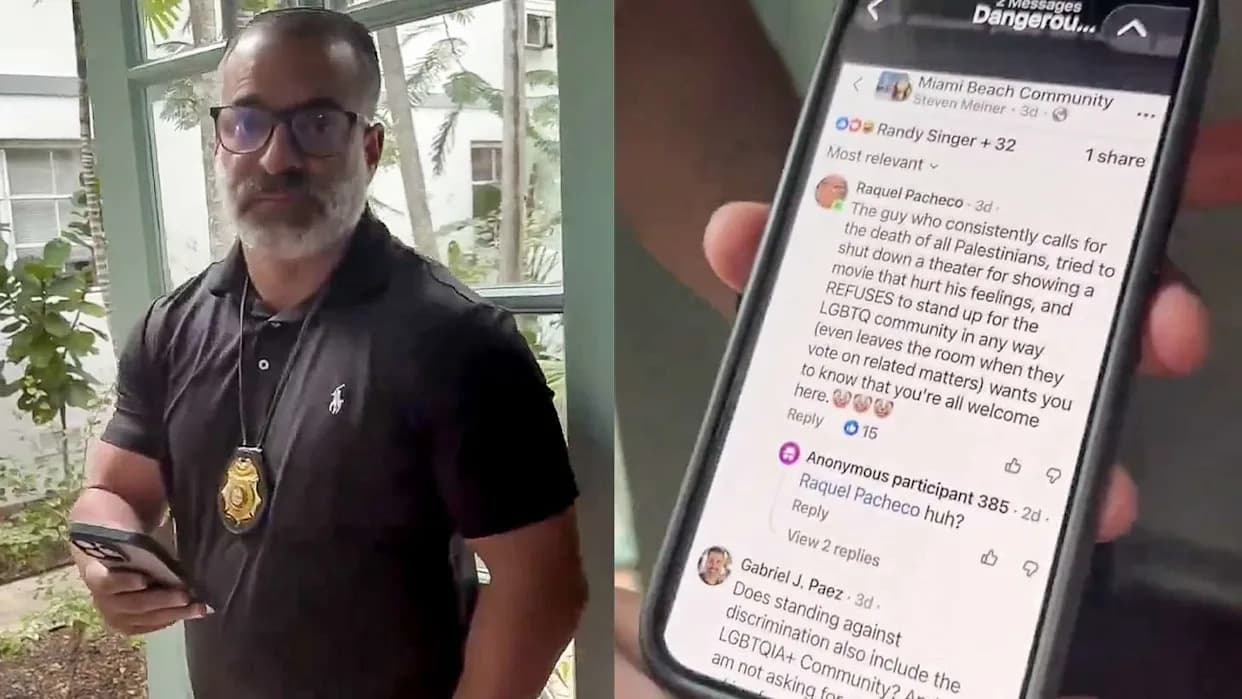
Video Shows Miami Beach Detectives Questioning Woman Over Facebook Post Criticizing Mayor
A police visit to a Miami Beach resident over a Facebook comment criticizing the mayor has become a national story, prompting rebukes from free-speech advocates and renewed scrutiny of law-enforcement responses to heated online rhetoric.
What Happened
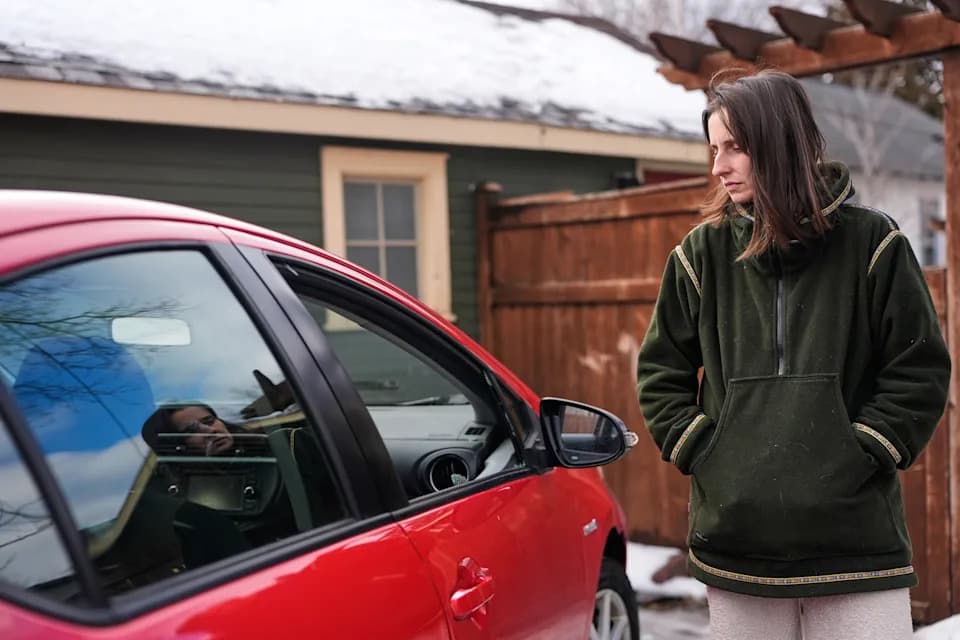
On January 12, two detectives from the Miami Beach Police Department visited the home of Raquel Pacheco after a Facebook comment under a post by Mayor Steven Meiner alleged he "consistently calls for the death of all Palestinians." Video recorded by Pacheco and later shared widely online shows the detectives asking whether she had posted the remark and warning it could "incite somebody to do something radical." Pacheco declined to answer questions without a lawyer.
"This is freedom of speech, this is America, right? I'm a veteran," Pacheco told officers on camera. One detective replied, "And I agree with you 100 percent. We're just trying to see if it's you, because if we're not talking to the right person, we want to go see who the right person is."
Official Responses
Miami Beach Police Chief Wayne Jones defended the encounter as a brief, voluntary safety check intended to ensure there was no immediate threat to the mayor or the community. In a statement, Jones said he directed detectives to have a short conversation after seeing what he described as "inflammatory, potentially inciteful false remarks made by a resident." He also emphasized that no elected official directed the investigation.
However, The Miami Herald reported that Mayor Meiner's office initially flagged Pacheco's comment to the police department. The sequence of events has prompted critics to question whether the visit exceeded normal police duties and risked chilling protected political speech.
Free-Speech Concerns
The Foundation for Individual Rights and Expression (FIRE) sent a letter to Chief Jones condemning the visit. Aaron Terr, FIRE's director of public advocacy, wrote that the detectives' purpose appeared to be to pressure Pacheco to stop engaging in protected political expression and called the outreach "a blatant overreach" that offends the First Amendment.
Legal Context
Legal experts note that the constitutional standard for punishing speech is high. Under the Supreme Court's Brandenburg v. Ohio test, the government must show that speech was intended to and likely to produce imminent lawless action. Pacheco's post contained no explicit call to action or immediate imperative language typically associated with classic examples of incitement.
Background And Related Incidents
The episode follows previous controversies involving Mayor Meiner and free-speech debates tied to the Israel-Hamas conflict. Last year, Meiner moved to terminate a theater lease over an Oscar-winning documentary about the conflict but withdrew the effort after national criticism. South Florida law enforcement has also faced scrutiny for public accusations against groups and social-media commenters that critics say stretched the claim of "incitement." For example, Hendry County officials last year publicly criticized online posts by an environmental group despite no clear criminal probe.
Why This Matters
Civil-liberties advocates warn that surprise police visits or public denunciations aimed at speakers can chill public debate, especially when the speech is political. FIRE argues that using the authority of law enforcement to signal official disapproval of lawful expression undermines public trust and threatens First Amendment freedoms.
Source: Reason.com (original post)
Help us improve.