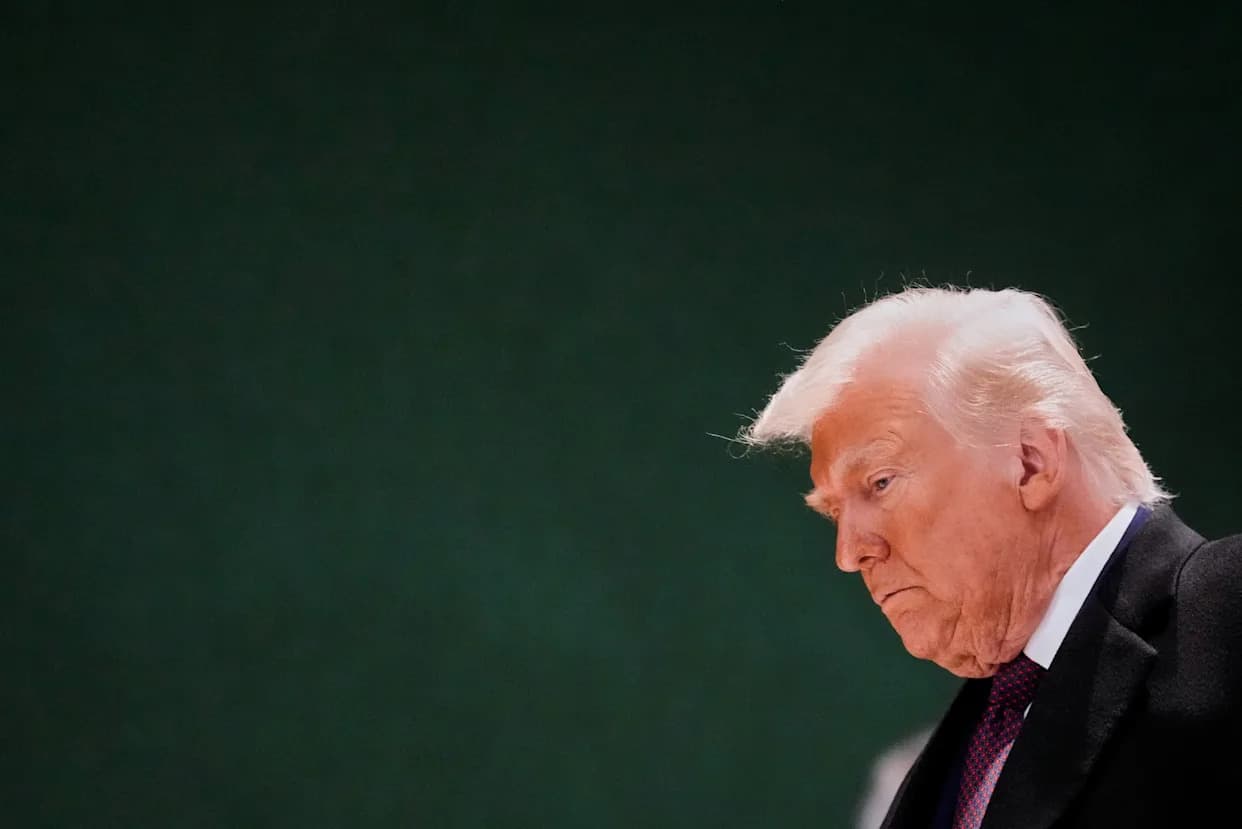
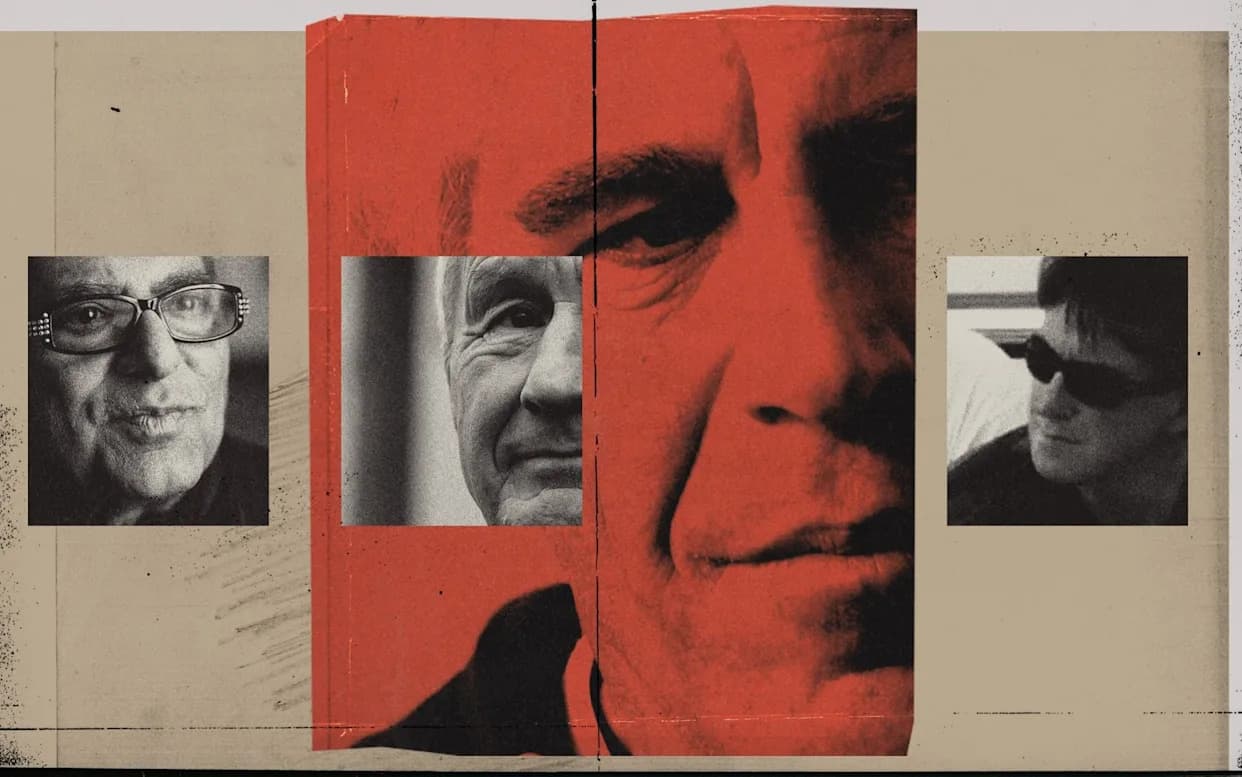
The article notes a CNN poll showing 58% of Americans view Donald Trump’s first year of his second term as a failure and places that result in the context of the so‑called “fifth‑year curse.” It summarizes a Miller Center report and historical examples — from FDR to Nixon, Reagan, Clinton, and George W. Bush — that illustrate how Year Five often brings crises and stalled agendas. The author argues that hubris and weakened political constraints help explain the pattern and suggests Trump’s fifth year may be unusually severe.
58% Say Trump’s Return Year Was A Failure — Is He Victim Of The ‘Fifth‑Year Curse’?
A new national CNN poll found that 58% of Americans view the first year of Donald Trump’s second term as a failure. As the anniversary of his second inauguration prompts reflection, critics point to a year marked by scandals, aggressive power plays, and strains on institutions.
What Is the “Fifth‑Year Curse”?
The University of Virginia’s Miller Center and the Center for Presidential Transition described a recurring pattern in a 2020 report: while a president’s fifth year should be a symbolic fresh start, it is often marred by political infighting, major crises, and failed legislative agendas. Analysts at Politico and elsewhere have documented similar tendencies, suggesting Year Five frequently poses acute challenges to presidencies.
Notable Historical Examples
- Franklin D. Roosevelt: Scaled back New Deal spending and pursued court‑packing in his fifth year.
- Richard Nixon: Watergate erupted in Year Five; he resigned in Year Six.
- Ronald Reagan: The Iran‑Contra scandal surfaced during his fifth year.
- Bill Clinton: The relationship with Monica Lewinsky began in his fifth year.
- George W. Bush: His push to privatize Social Security occurred in Year Five, contributing to opposition gains the following year.
Why Year Five Trips Up Presidents
Scholars propose several explanations — from re‑election fatigue to renewed opposition and legislative gridlock. A common theme is hubris: by Year Five, presidents may feel less accountable to voters and more confident in their authority, which can reduce political restraints and increase the risk of overreach or miscalculation.
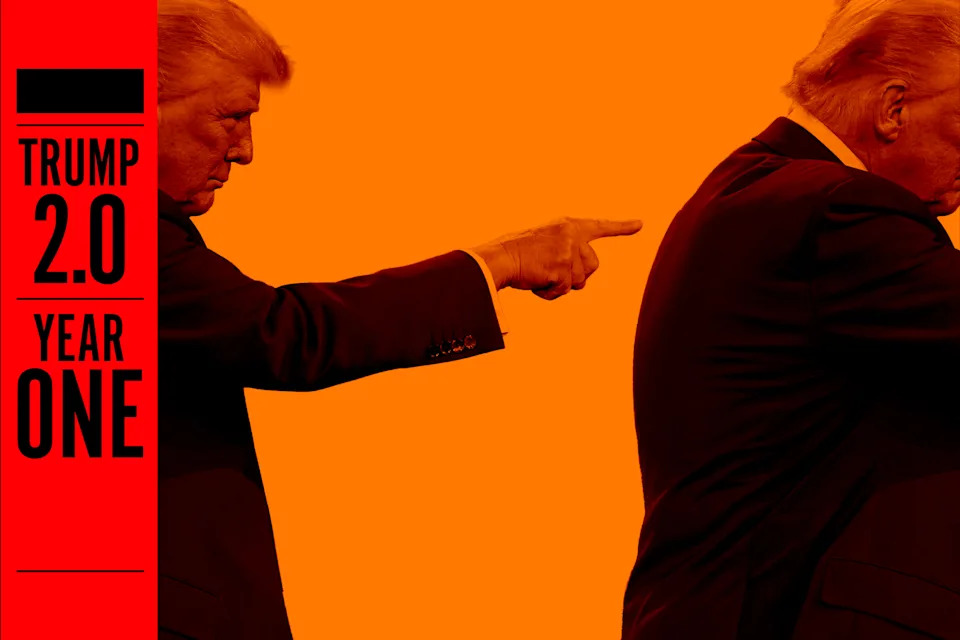
An illustration of Trump pointing at his own back, as the image wraps around the border(Ben King / MS NOW; Kent Nishimura / Bloomberg via Getty Images)
How This Applies to Trump
Critics argue that President Trump’s fifth year amplified the classic dynamics: surrounded by loyalists, encouraged by partisan allies in Congress, and operating with reduced electoral pressure, he pursued actions that opponents say stretched legal and institutional norms. The combination of polling data and historical comparison leads some observers to call his return year one of the most tumultuous on record.
Whether framed as a metaphorical “curse” or a predictable political cycle, Year Five has repeatedly proved pivotal — and the current data suggest it has had significant consequences for this presidency.
This article updates earlier related coverage.
Help us improve.