Many U.S. restaurant chains are rolling out smaller, protein‑forward menu items as GLP‑1 weight‑loss drugs change appetite and food preferences. Chains including Olive Garden, Chipotle, Shake Shack, Subway and Smoothie King now offer lighter portions or high‑protein snacks. Industry leaders and dietitians link the trend to rising GLP‑1 use and updated protein guidance, but experts caution that higher protein alone isn’t always the healthiest choice.
Smaller Portions, More Protein: How GLP‑1 Drugs Are Reshaping Chain Restaurant Menus
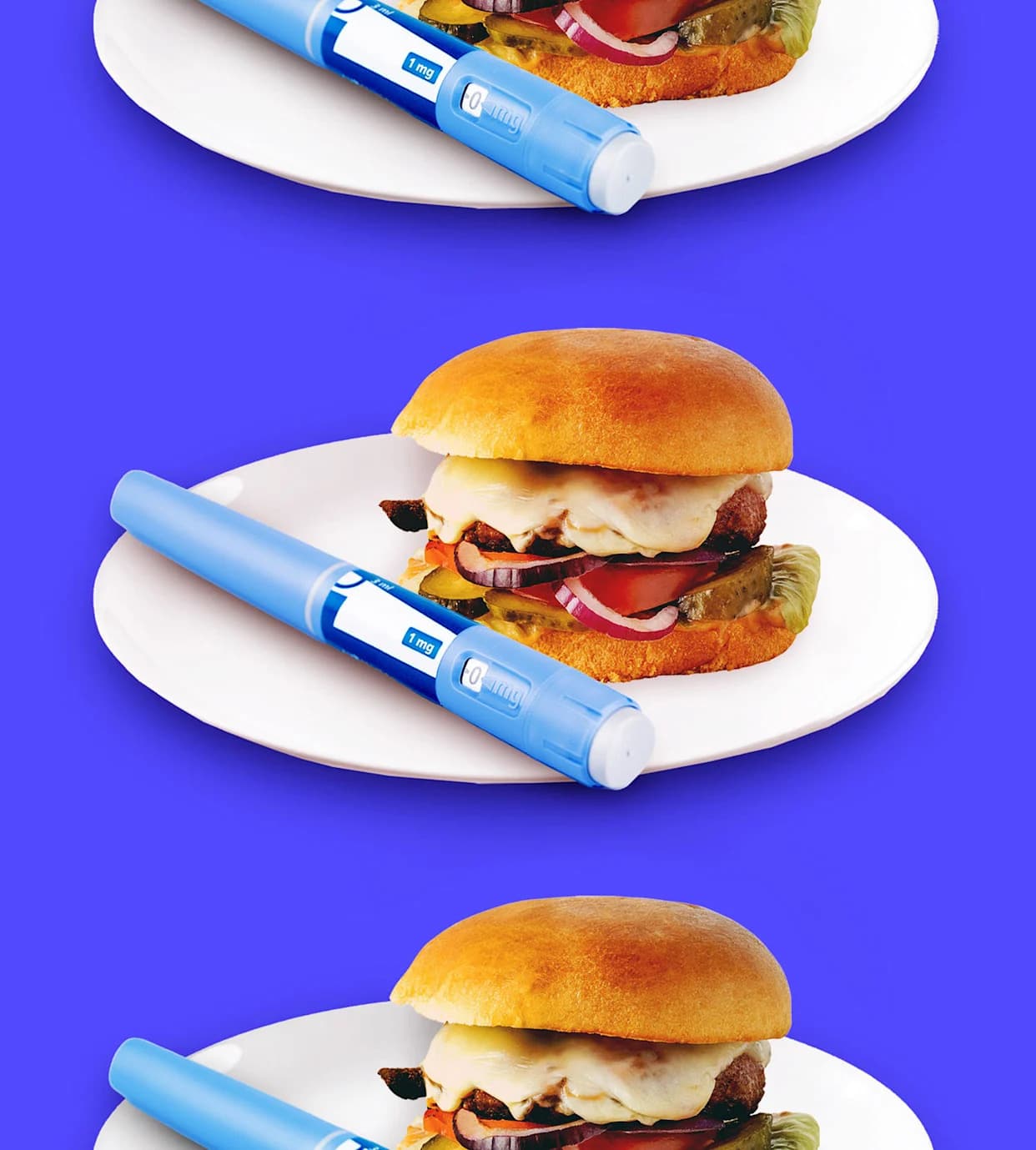
Justine Goode / NBC News; Getty Images(Justine Goode)
National restaurant chains are quietly redesigning menus to offer smaller portions and more protein as appetite-suppressing GLP‑1 medications change what many diners want to eat. These adjustments — from high‑protein cups to scaled‑down entrées — appeal both to customers taking the drugs and to a wider audience focused on nutrition and convenience.
What Chains Are Doing
Smoothie King was an early mover, launching a GLP‑1–friendly menu in 2024 that highlights smoothies high in protein and fiber with zero grams of added sugar. Since then, several major U.S. chains have introduced similar options:
- Olive Garden added a “lighter portion” section with seven scaled‑down dishes at lower prices.
- Chipotle introduced a “High Protein” menu that includes a cup of cubed chicken with about 32 grams of protein — priced roughly like a latte.
- Shake Shack’s “Good Fit Menu” offers lettuce‑wrapped versions of its smash burgers.
- Subway rolled out “Protein Pockets,” compact snack wraps delivering more than 20 grams of protein and now available in roughly 96% of U.S. stores.
Why Menus Are Shifting
GLP‑1 medications such as Wegovy, Zepbound and others — originally developed for diabetes and increasingly used for weight loss — blunt appetite and slow digestion. People taking these drugs often eat smaller amounts and prioritize nutrient‑dense, protein‑rich foods to preserve muscle mass and stay satiated. Restaurants are responding to that demand while also targeting non‑users who want higher‑protein, lower‑calorie choices.
“People on GLP‑1s are prioritizing protein because it’s the macronutrient that they need to preserve muscle mass,” said Jenna Werner, a registered dietitian. She added that restaurants are "utilizing this weight‑loss cultural movement to hop on that train."
Industry Reaction and Context
Pharmaceutical makers have been contacted for comment: Novo Nordisk declined to comment, while Eli Lilly said it supports steps that make healthy living easier and that flexible portion sizes can help diners, including those managing conditions like obesity and diabetes.
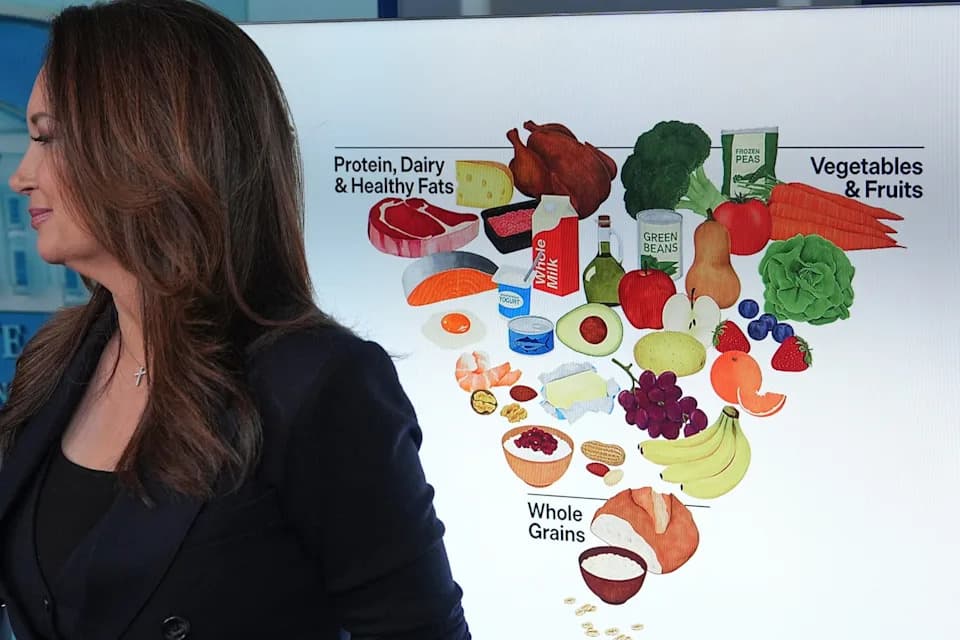
The trend is reinforced by new nutrition guidance: recently updated U.S. recommendations suggest a higher protein intake range (about 1.2–1.6 grams per kilogram of body weight for many adults), up from the long‑standing 0.8 g/kg benchmark. Public interest and access to these medications have also surged — a Kaiser Family Foundation poll found 12% of adults reported taking a GLP‑1 drug as of November, a share that doubled since May.
Nutritionists’ Caution
Experts welcome expanded menu choices but urge caution. Werner warns that more protein is not automatically healthier: balanced meals need carbohydrates, fats and micronutrients in addition to protein, and not everyone requires large protein portions in a single sitting.
For example, despite being marketed as GLP‑1 friendly, Smoothie King’s 20‑ounce Gladiator GLP‑1 Vanilla smoothie contains more calories, sodium and cholesterol than a Krispy Kreme glazed donut, according to The Associated Press — a reminder that “healthy” varies by item and by person.
The Takeaway
Restaurant menus are evolving to reflect changing appetites and nutritional priorities: smaller portions, higher protein and more flexible choices are becoming mainstream. While these options can help people on GLP‑1s and others eat more intentionally, consumers should read nutrition information and choose balanced meals that meet their individual needs.
Help us improve.