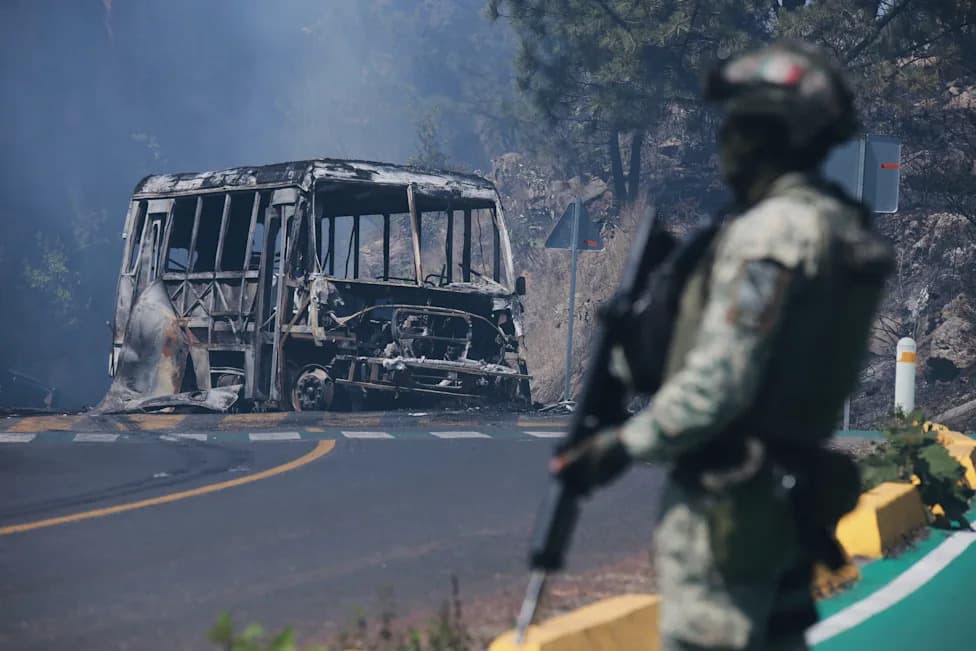
U.S. officials warn that Margarita Island, a Venezuelan resort, has evolved into a strategic Hezbollah base in the Western Hemisphere, supported by Iran and protected by elements of the Maduro government. Testimony to the U.S. Senate alleges Hezbollah operates businesses, smuggling and drug networks, and training camps on the island, and that more than 10,400 passports were issued to people from Lebanon, Syria and Iran between 2010 and 2019. DOJ filings have also alleged weapons transfers and recruitment tied to Venezuelan officials. Officials say precise intelligence and better use of opposition sources are critical to counter the threat.
Hezbollah’s Growing Foothold on Margarita Island: U.S. Officials Warn of a Strategic Base

Hezbollah terrorists are taking part in cross-border raids, part of a large-scale military exercise, in Aaramta, bordering Israel, on May 21, 2023.
From a distance, Margarita Island looks like a Caribbean resort: palm-lined beaches, duty-free stores and seaside towns just off Venezuela’s northeastern coast. U.S. officials, however, say the island has increasingly served as a strategic outpost for Hezbollah in the Western Hemisphere, with Iran deepening ties and elements of the Nicolás Maduro government providing protection.
Why Margarita Matters
Officials and analysts point to Margarita’s geography and limited law-enforcement presence as factors that make it attractive to illicit actors. The island sits near key maritime routes and is close to Trinidad and Tobago and Grenada. That location, combined with duty-free status and maritime links to Colombia, creates opportunities for smuggling, drug trafficking and other illicit revenue-generation schemes.
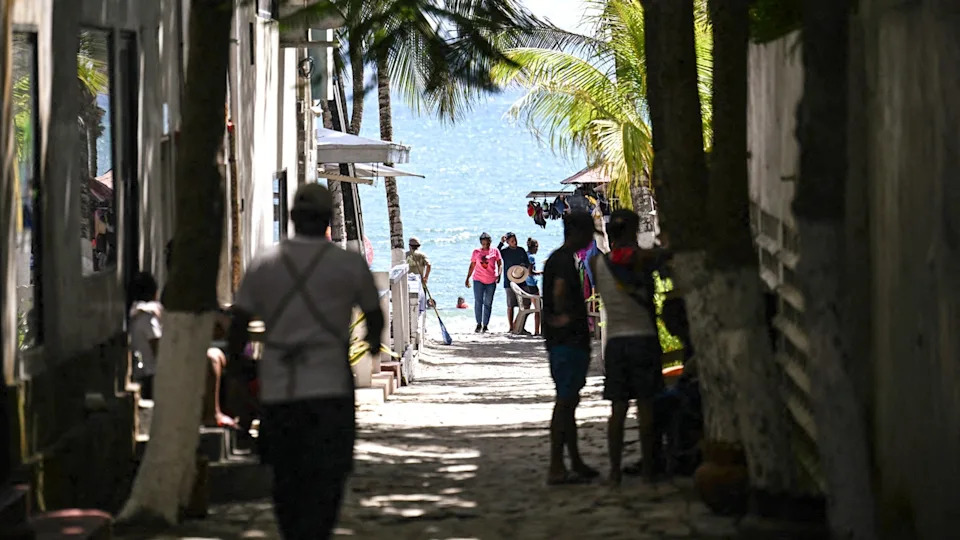
People walk on main island at El Yaque Beach in Margarita Island, Nueva Esparta State, Venezuela
What U.S. Officials Say
Marshall Billingslea, former U.S. Treasury assistant secretary for Terrorist Financing and Financial Crimes, has described Margarita Island as "a center of gravity" for Hezbollah activity in the Western Hemisphere. In written testimony to the Senate Caucus on International Narcotics Control (Oct. 21), Billingslea traced Hezbollah’s presence in Venezuela back more than two decades and argued that the group’s footprint expanded significantly under Nicolás Maduro.
Reported Activities
According to U.S. officials and testimony, Hezbollah is alleged to be involved in a broad range of activities on the island, including operating businesses, running smuggling and drug-trafficking networks, and maintaining training sites. Officials say the group has exploited the island’s duty-free status and cross-border maritime access to generate revenue.
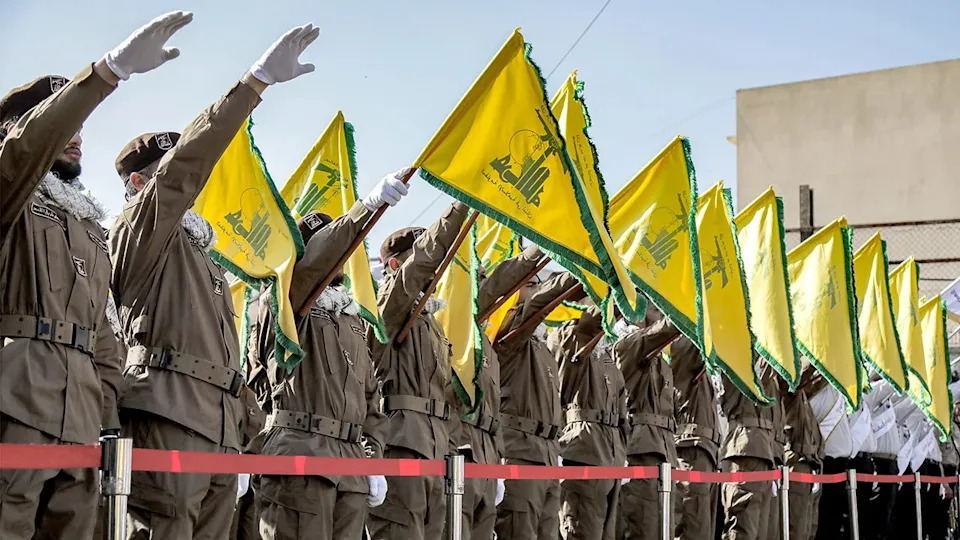
Hezbollah members salute and raise the group's yellow flags during the funeral of their fallen comrades Ismail Baz and Mohamad Hussein Shohury, who were killed in an Israeli strike on their vehicles, in Shehabiya in south Lebanon on April 17, 2024.
State Assistance and Passport Issuance
Billingslea’s testimony also alleges that Venezuelan state actors aided Hezbollah’s integration into the country. He specifically cited former official Tareck El Aissami, saying that while overseeing passport and naturalization functions, El Aissami facilitated passports and citizenship documents for operatives and large numbers of people from Lebanon, Syria and Iran. The testimony states that Venezuelan authorities issued more than 10,400 passports to individuals from those countries between 2010 and 2019.
DOJ Allegations and Weapons Transfers
Separately, a May 27, 2020, Department of Justice filing alleged that Diosdado Cabello directed lawmaker Adel El Zabayar to travel to the Middle East to obtain weapons and recruit members of Hezbollah and Hamas for training at clandestine camps inside Venezuela. The filing also described a reported weapons delivery at a hangar controlled by the Maduro government at the country’s main international airport.
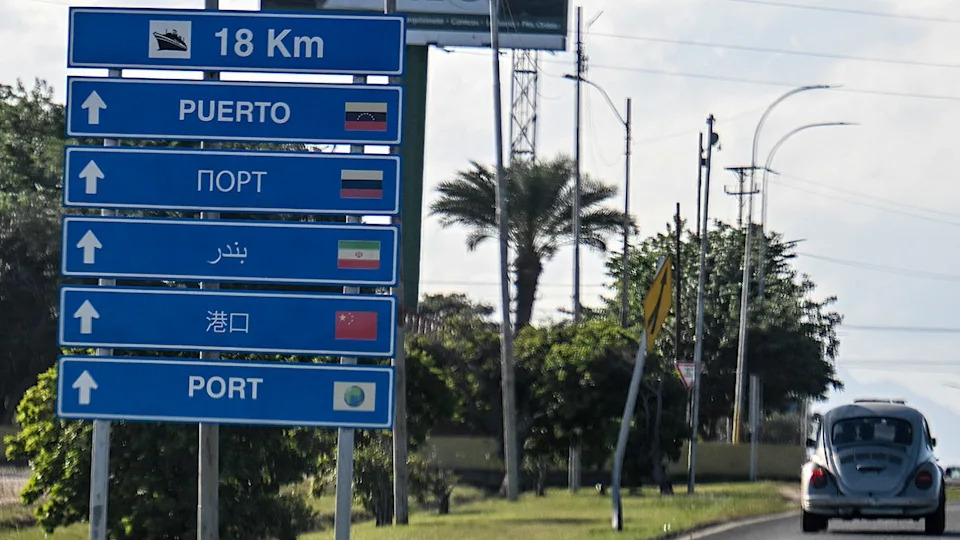
A multilingual road sign is pictured in Margarita Island, Nueva Esparta State, Venezuela, on Nov. 26, 2024. Margarita, Venezuela's main island, is a Caribbean paradise in decline after years of devaluations, inflation, a pandemic and the collapse of public services.
Regional Dynamics and Iran’s Role
Recent developments in the Middle East have heightened Margarita’s strategic importance, U.S. officials say. Billingslea argued that Israeli strikes against Hezbollah’s infrastructure in Lebanon, including damage to financial networks, have pushed the group to rely more on overseas revenue—making Latin American sources more important. U.S. officials also allege an expanding Iranian footprint in Venezuela tied to exchanges of drones and weapons for precious metals such as gold.
Policy Implications and Intelligence Needs
U.S. officials say countering a group embedded in local populations requires highly precise intelligence and close cooperation with local sources. Billingslea suggested that Venezuelan opposition networks may hold valuable information that could be better leveraged. He also said the United States has positioned forces in the Caribbean but emphasized the need for accurate intelligence to avoid collateral harm.
Note: This article summarizes allegations and testimony reported by U.S. officials and does not include responses from the Venezuelan government, Hezbollah, Iran or other named parties. Some claims are based on testimony and legal filings; independent verification may vary by claim.
Help us improve.