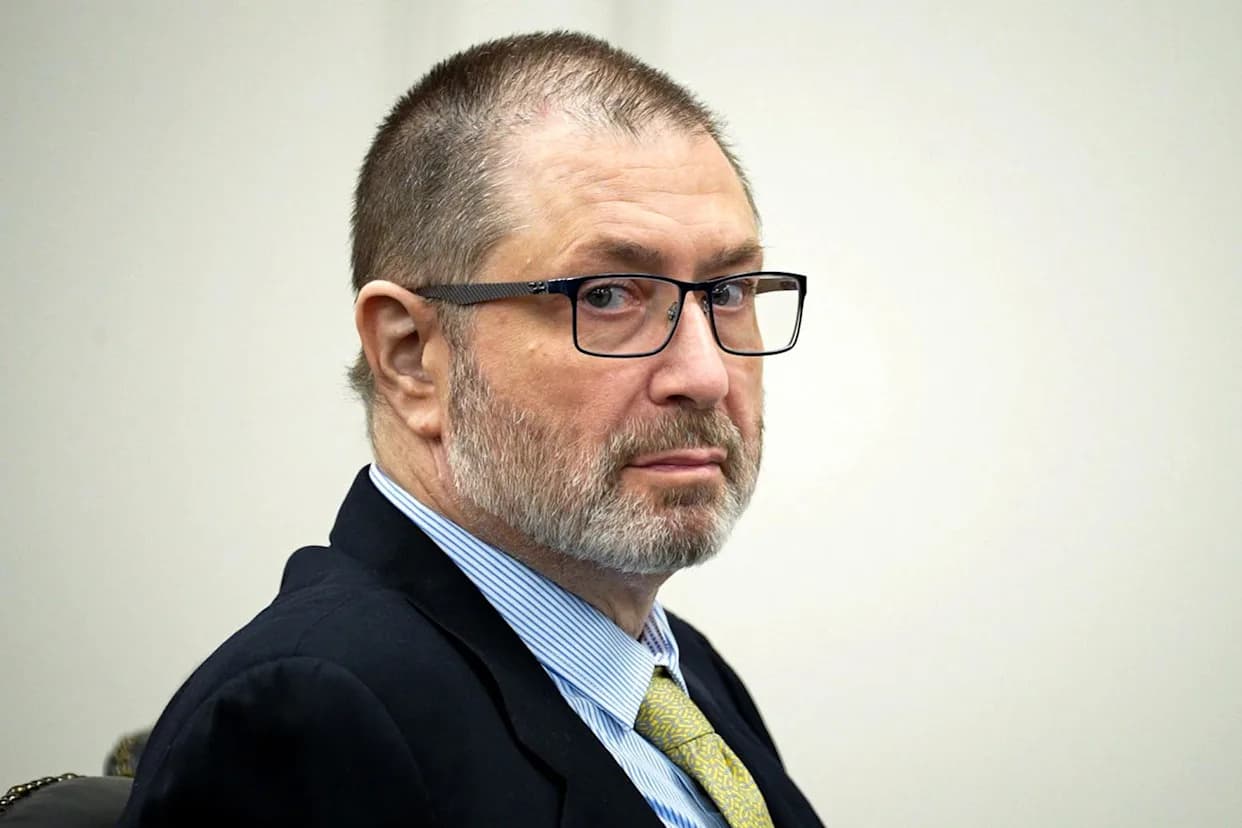
Ted Maher, convicted in the 1999 Monaco penthouse fire that killed billionaire Edmond Safra, has since been tied to additional criminal schemes that experts say reveal a pattern of staged crises and deception. After a 2002 arson conviction and about eight years in prison, Maher returned to the U.S., adopted a new identity, and in 2025 was convicted in New Mexico of soliciting his estranged wife’s murder. Former FBI agent Jason Pack and other observers argue Maher’s later conduct undermines claims that his Monaco confession was coerced and demonstrates escalation rather than rehabilitation.
From Monaco Inferno to Murder-for-Hire: Ted Maher’s Decades-Long Pattern of Deception
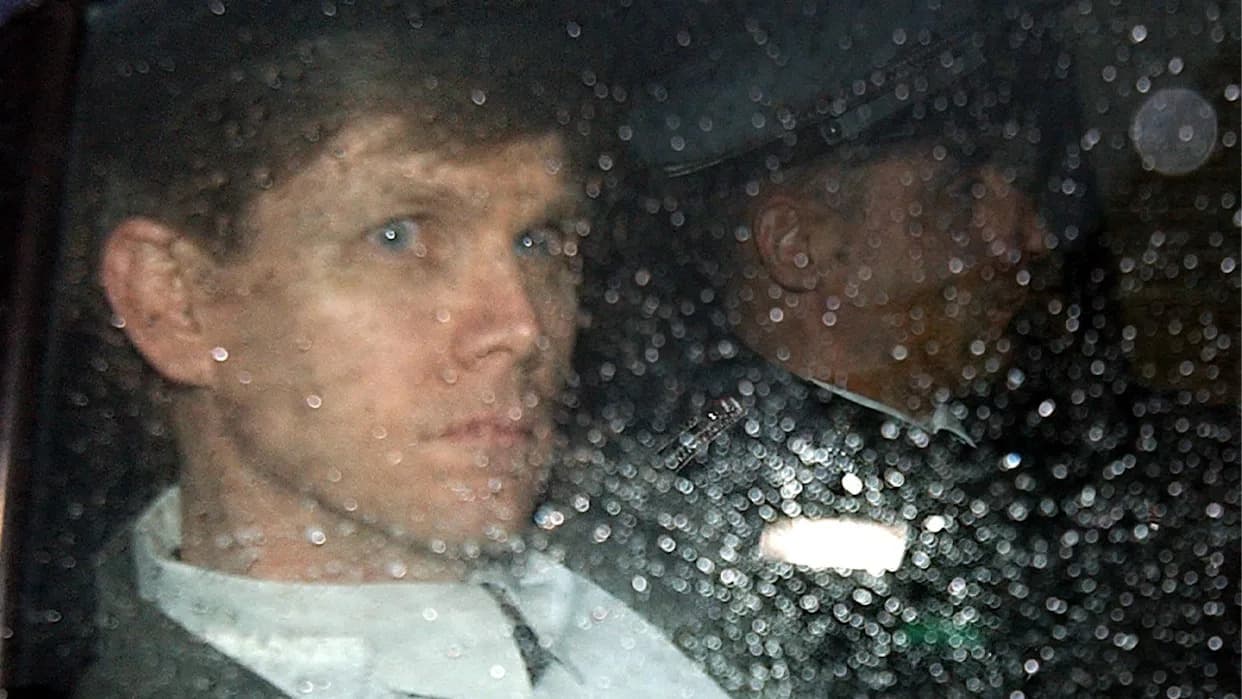
American jailed for billionaire’s Monaco death, plot to kill wife exposed in long con, expert says
Ted Maher, the private nurse convicted in connection with the 1999 Monaco penthouse fire that killed billionaire banker Edmond Safra and another caregiver, has since been linked to further crimes that experts say reveal a consistent pattern of staged crises and deception.
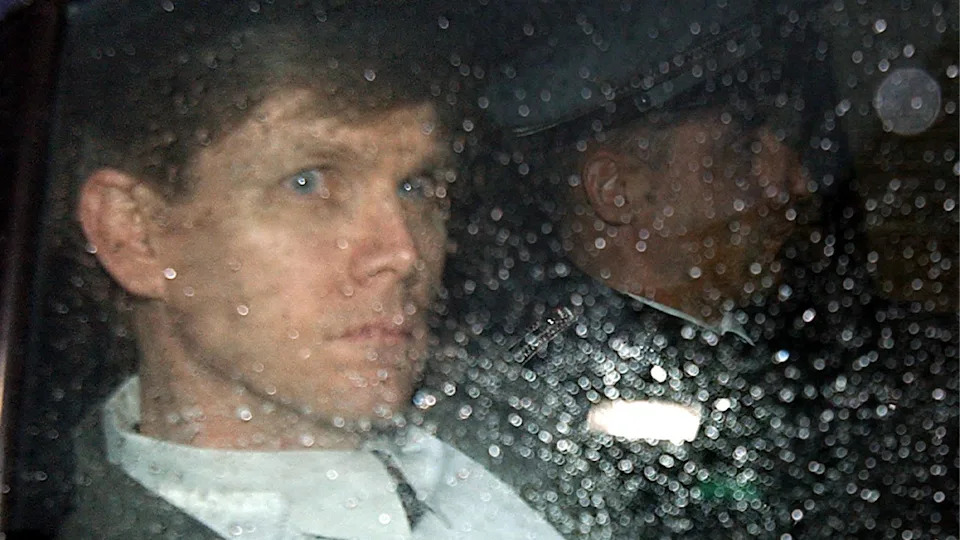
U.S. nurse Ted Maher arrives in a police car at the court in Monaco on Nov. 21, 2002, to attend his trial on charges that he started the 1999 arson attack that killed billionaire banker Edmond Safra.
What Happened In Monaco
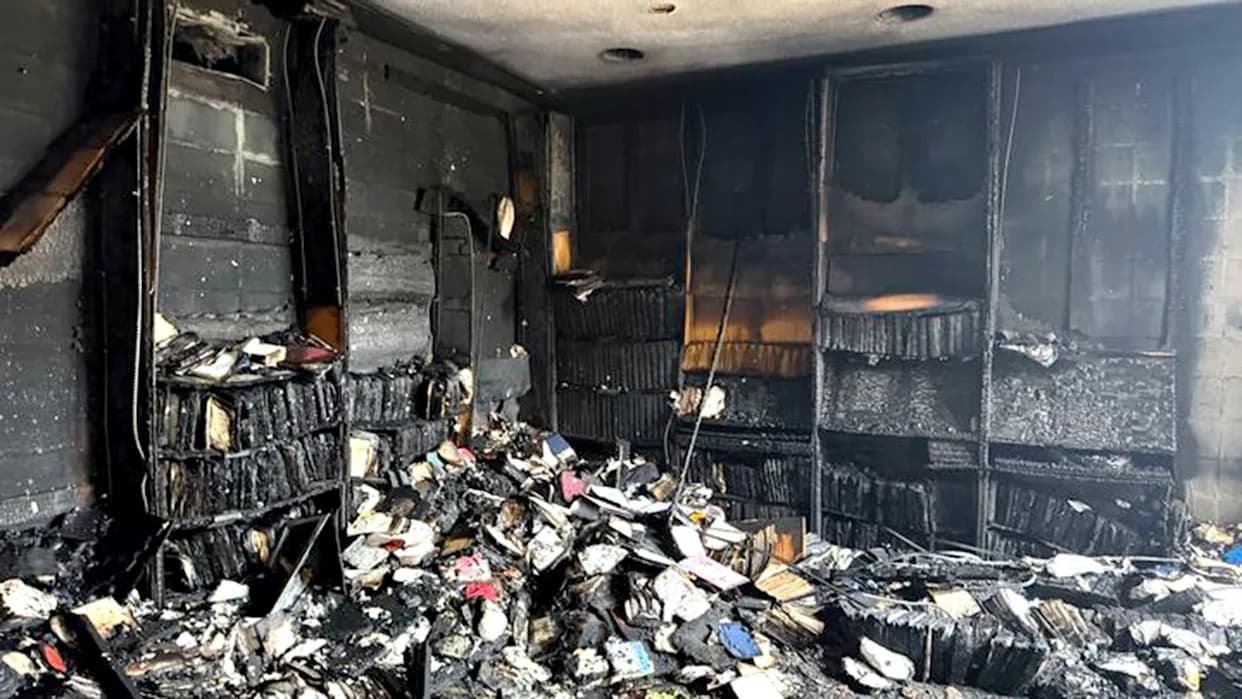
In the early hours of Dec. 3, 1999, a fire broke out inside Safra's heavily secured Monaco penthouse. Safra and nurse Vivian Torrente died of smoke inhalation after locking themselves in a bathroom described as a safe room. Maher, who survived, first told authorities that two hooded intruders armed with knives had forced their way into the apartment. Monaco officials later said that account could not be corroborated.
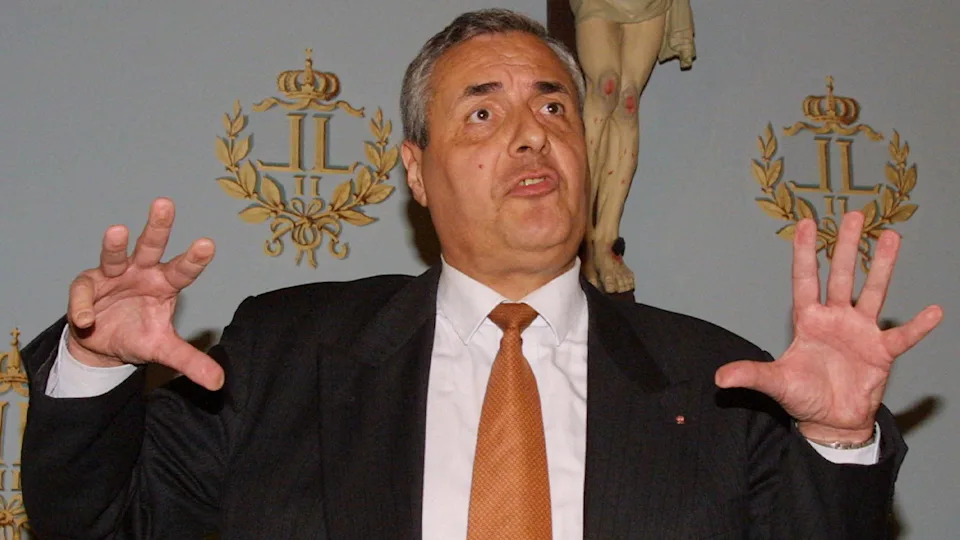
Public Prosecutor Daniel Serdet spoke to journalists on Jan. 22, 2003, at the Palace of Justice in Monaco, following the escape of Ted Maher and his Italian cellmate, Luigi Ciardelli. Maher, the American nurse sentenced to 10 years in prison for starting the fire that killed Lebanese banker Edmond Safra and his nurse, was apprehended alone a few hours after his escape.
After several days of inconsistent statements, Monaco prosecutors said Maher admitted to igniting a wastepaper basket and starting the blaze. He reportedly told investigators he had not intended to kill anyone and that he fabricated the intruder story to attract attention and stage a rescue to win his employer’s approval.
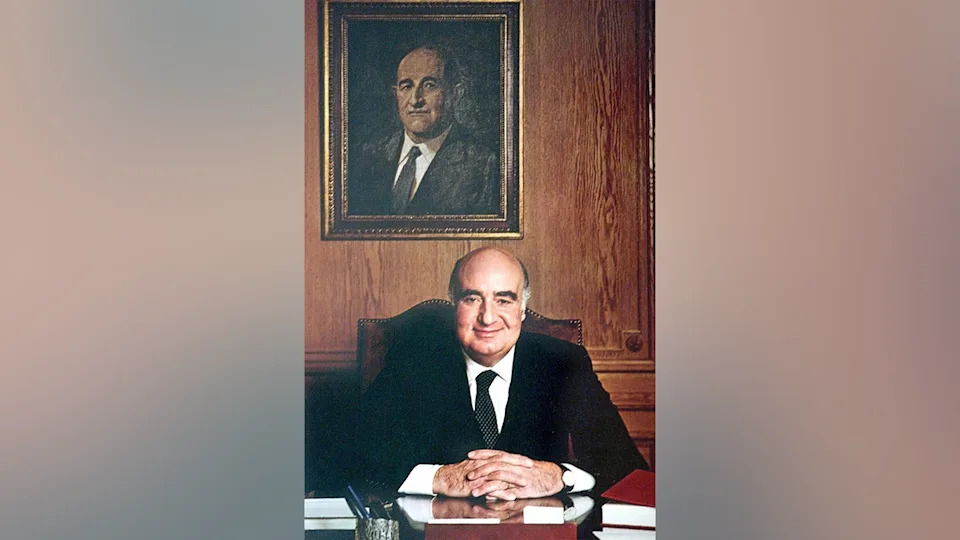
Portrait of Lebanese-born Brazilian banker and financier Edmond Safra as he sits behind his desk in the 1990s. The painting on the wall shows his father, Jacob Safra.
Legal Outcomes And Later Crimes
Maher was convicted in 2002 of arson causing death and sentenced to 10 years in prison; he served roughly eight years. After returning to the United States, he assumed a new name and later faced additional criminal charges. In 2025 he was convicted in New Mexico of soliciting the murder of his estranged wife in a plot prosecutors say involved staging her death as a fentanyl overdose.
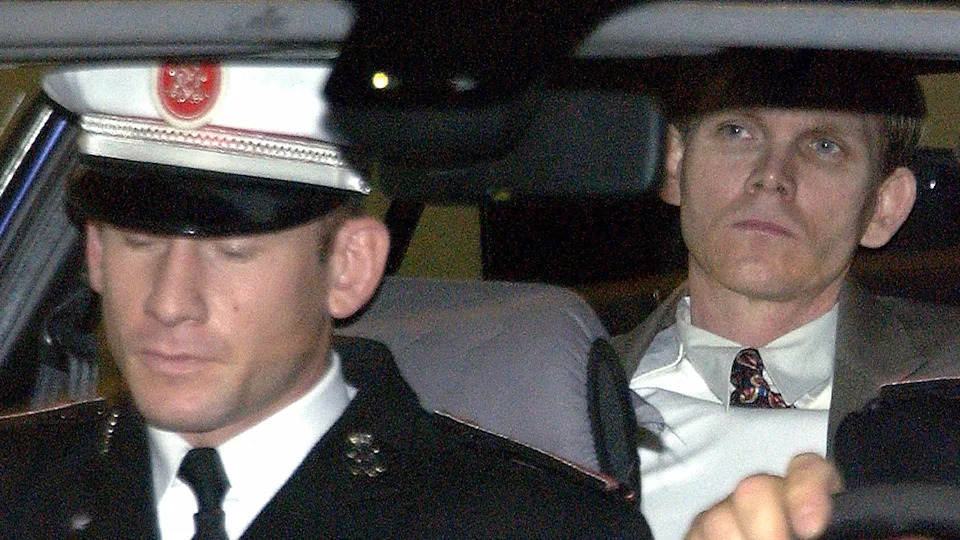
Ted Maher, a former U.S. soldier, arrives at the courthouse of Monaco on Nov. 21, 2002, for the start of his trial in the 1999 arson attack that killed billionaire banker Edmond Safra.
"You don’t go from 'misunderstood hero' to 'murder-for-hire' by accident," said former FBI special agent Jason Pack, who points to Maher’s decades of conduct as evidence of a persistent modus operandi.
Why Experts Say The Pattern Matters
Criminologists and law-enforcement observers say Maher’s behavior fits a recognizable profile: individuals who manufacture emergencies to seize control, seek admiration, or gain materially, and who persist in deception even after exposure. Maher’s claimed military background, repeated reinvention of identity, and the progression from a staged rescue to a later alleged murder-for-hire plot are cited as signs of escalation rather than rehabilitation.
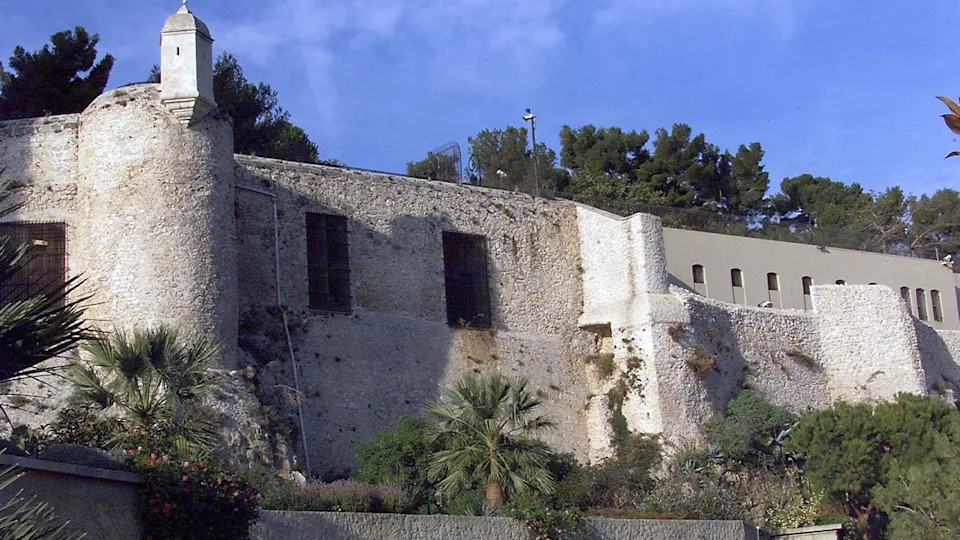
General view taken Dec. 8, 1999, of the prison of Monaco where the American nurse of late billionaire banker Edmond Safra, Ted Maher, was detained after he was charged with arson causing death. Maher, who had been employed by Safra for five months, had told investigators he had fabricated a story in which armed intruders stabbed him and then set fire to the banker's penthouse.
Public Interest And Renewed Scrutiny
The case has continued to attract attention, renewed recently by the Netflix documentary "Murder in Monaco," which revisits the night of the fire and Maher’s long-running claims of coercion and innocence. Prosecutors and some investigators contend, however, that Maher’s subsequent convictions and conduct provide the clearest window into his character and motivations.
Maher is currently incarcerated in New Mexico and has reportedly been treated for late-stage throat cancer. While questions about the specifics of the Monaco night persist, prosecutors and experts argue the broader arc of Maher’s criminal history offers a compelling narrative of sustained deception.
Timeline (Key Dates)
1999: Fire at Edmond Safra’s Monaco penthouse; Safra and nurse Vivian Torrente die.
2002: Maher convicted of arson causing death; sentenced to 10 years.
~2010s: Maher released after serving roughly eight years and returns to the U.S.; changes name.
2025: Convicted in New Mexico of soliciting the murder of his estranged wife.
Help us improve.