
DHS Is Reportedly Narrowing Raid Tactics: Facing legal scrutiny and declining public approval, DHS appears to be shifting from broad, high-visibility sweeps to more targeted arrests of individuals with serious convictions. The change follows high-profile operations led by Gregory Bovino and a contentious Dec. 11 House hearing for Secretary Kristi Noem. Officials say enforcement will continue, but operations may be less indiscriminate and more focused.
DHS Scales Back High-Profile Raids After Polls Show Public Backlash

Tom Williams / CQ Roll Call
The Department of Homeland Security has quietly signaled a shift in its immigration-enforcement approach, moving from sweeping, high-visibility raids to more narrowly targeted arrests, according to multiple reports citing current and former DHS officials.
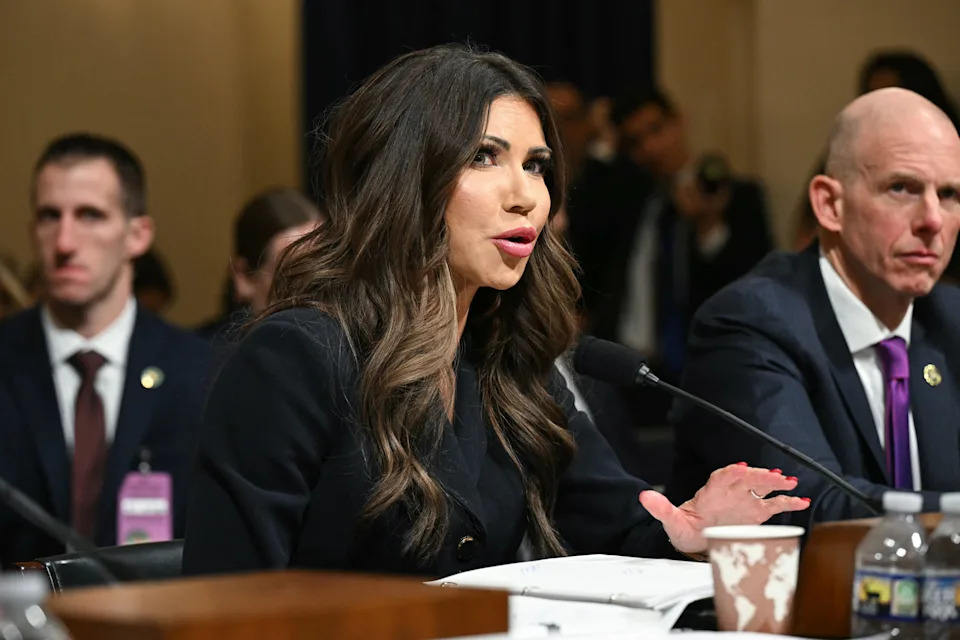
Homeland Security Secretary Kristi Noem testifies at the uncomfortable House Homeland Security Committee hearing that preceded a reported policy change. / SAUL LOEB / AFP via Getty Images
What Officials Say Changed
NewsNation and other outlets report that agents will increasingly be directed to pursue specific individuals—particularly undocumented immigrants with prior convictions for serious crimes—rather than participating in large, area-wide "sweep" operations. The change is described as an internal operational emphasis rather than a formal public policy announcement.
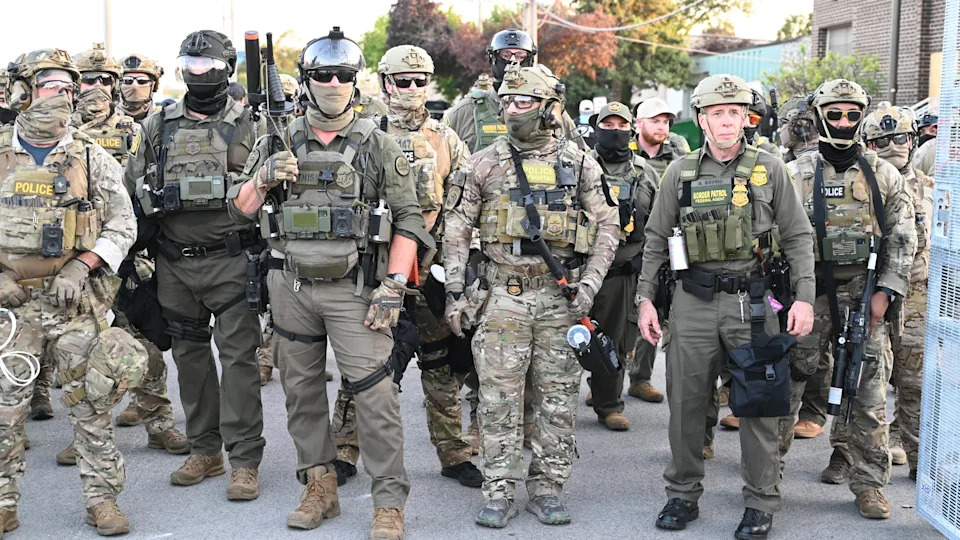
Border Patrol Chief Gregory Bovino of the El Centro Sector stands amid a protest outside an ICE facility in Broadview in late September. / Jacek Boczarski/Anadolu via Getty Images
Why The Shift
The reported adjustment follows intense public scrutiny after a series of widely publicized raids produced viral confrontations, legal challenges, and critical media coverage. Polling in recent months has also shown declining public approval for the administration's handling of immigration, which officials say factored into the decision to narrow tactics.
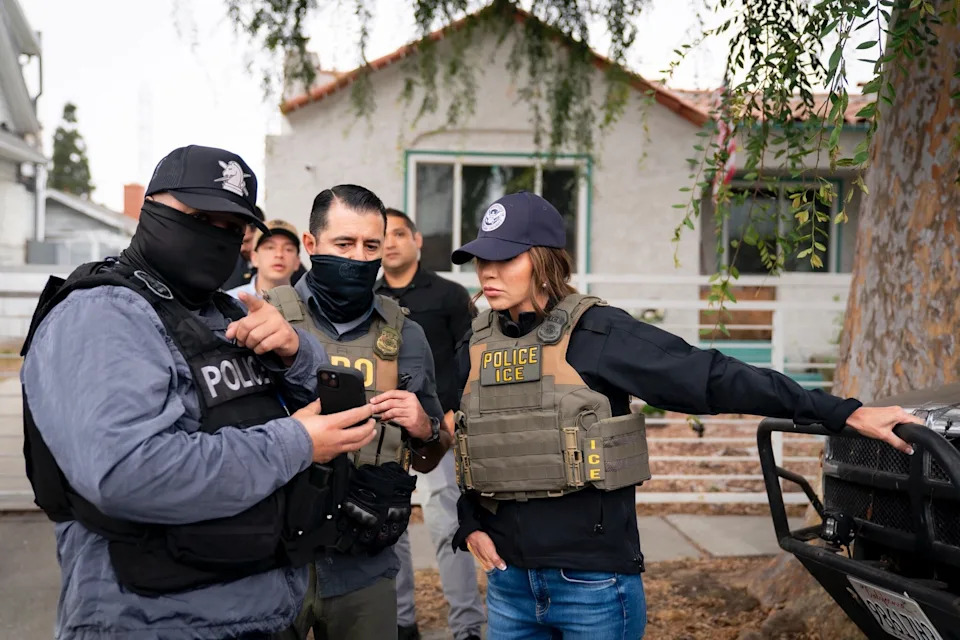
Noem's love for dolling up for the cameras on ICE raids has earned her the nickname “ICE Barbie.” / Homeland Security/Handout/Getty Images
Notable Incidents And Legal Scrutiny
Critics point to operations led by Border Patrol official Gregory Bovino—nicknamed in some media accounts for his camera-friendly deployments—as emblematic of the previous approach. In Chicago’s "Operation Midway Blitz," U.S. District Judge Sara L. Ellis questioned the government’s narrative after reviewing bodycam footage and found fault with heavy-handed tactics, including use of crowd-control measures that reportedly impacted bystanders and journalists. Other incidents, such as a contentious arrest in Evanston and staged photo opportunities at tourist sites, prompted public rebukes and legal complaints.
Public Reaction And Polling
Polling cited by reporters showed waning support: an AP-NORC poll in early December put approval of the president’s handling of immigration at 38 percent (down from 49 percent in March). A PRRI survey found approval in border states dropping from 42 percent to 33 percent, and YouGov reported a majority disapproving of ICE’s performance.
Official Response
A DHS spokesperson told The Daily Beast: "We have always been going after the worst of the worst first. There are no operational changes to announce."
News outlets stress that enforcement will continue—operations such as New Orleans’ "Catahoula Crunch" have reportedly produced hundreds of arrests—but that future actions are expected to appear more targeted and less indiscriminate.


