
President Trump faced several notable rebukes in one day, signaling limits to his influence. Indiana’s GOP-controlled state senate rejected a Trump-backed congressional map (21 of 40 Republicans voted no), weakening a mid-decade redistricting push. Federal grand juries declined to re-indict Letitia James, a Navy report undercut efforts to punish Sen. Mark Kelly, and 20 House Republicans voted to reverse an executive order on collective bargaining. A proposed U.S. attorney nominee also faces the Senate’s blue-slip barrier.
A Day That Checked Trump’s Reach: Lawmakers, Juries and Rules Push Back

US President Donald Trump walks on the South Lawn of the White House after arriving on Marine One in Washington, DC, on Tuesday. - Graeme Sloan/Bloomberg/Getty Images
The Indiana state Senate’s decision to reject a congressional map backed by President Donald Trump was the most visible example of a broader pattern on Thursday: multiple institutions and Republican colleagues pushing back against the president’s efforts to bend politics and government to his will.
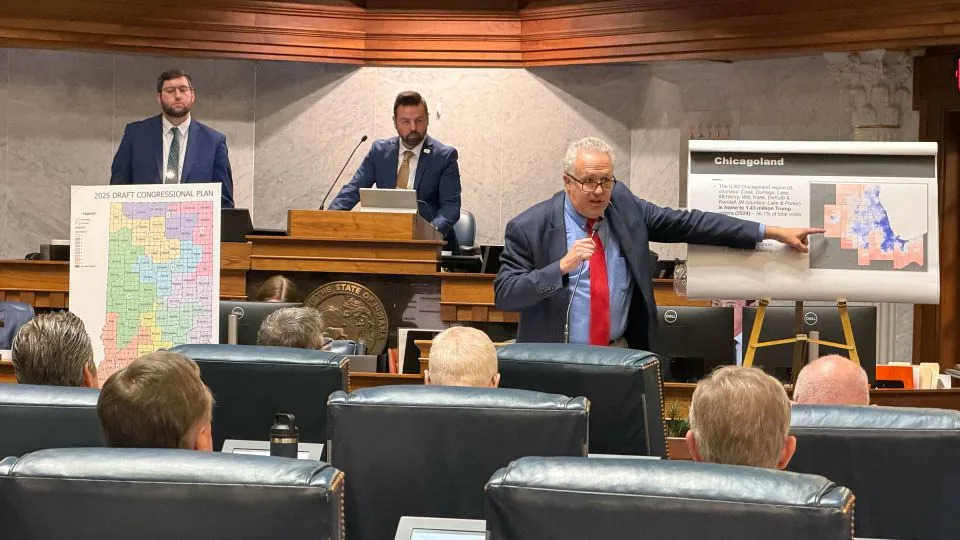
Indiana state Sen. Mike Gaskill, who sponsored the bill to redraw Indiana’s congressional map, points to a graphic while speaking at the Indiana State Capitol in Indianapolis on Thursday. - Eric Bradner/CNN
Indiana: Republican Senators Say No
After months of pressure from Trump and his allies, including public threats of primary challenges, 21 of 40 Republican state senators voted against the proposed map. Lawmakers reported receiving physical threats, though law enforcement has not attributed those threats to any particular group or campaign. The vote not only rebuked the president but also likely weakened a mid-decade redistricting strategy that aimed to create two additional GOP-favored districts in Indiana.
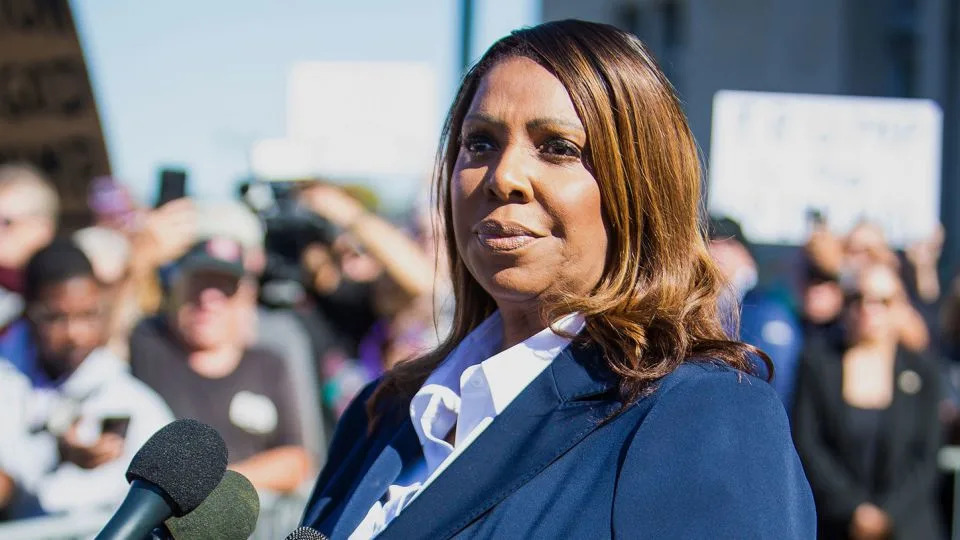
New York Attorney General Letitia James speaks after pleading not guilty outside the United States District Court on Friday, October 24, in Norfolk, Virginia. - John Clark/AP/File
Legal Setbacks: Grand Juries and Retribution Cases
The Justice Department failed for a second time to obtain a re-indictment of New York Attorney General Letitia James after a judge dismissed the initial charge on procedural grounds. Grand juries declining to return indictments is rare; two rejections in the same matter underscore doubts about the strength of the case. A separate grand jury previously declined to indict former FBI Director James Comey in an initial probe — another sign that the criminal-justice process is not simply following political pressure.
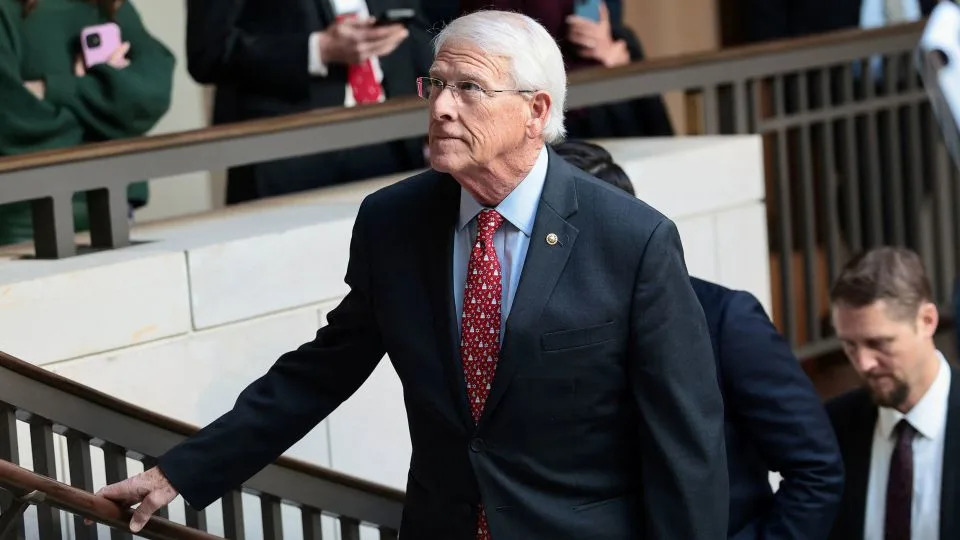
Sen. Roger Wicker, chairman of the Senate Armed Services Committee, departs after attending a classified briefing, - Evelyn Hockstein/Reuters
Military, Congress and the Blue-Slip Barrier
President Trump also accused several Democrats — including Sen. Mark Kelly of Arizona — of potentially seditious conduct for warning service members about illegal orders. But a Navy report produced at the request of Defense Secretary Pete Hegseth did not support punishment, and Senate Armed Services Committee Chair Roger Wicker said the military should not pursue sanctions.

Senate Majority Leader John Thune holds a press conference following the GOP weekly policy lunch on Capitol Hill on Tuesday. - Annabelle Gordon/Reuters
In Congress, 20 House Republicans voted to overturn an executive order that stripped federal workers of collective bargaining rights — an unusually direct rebuke of a presidential action. And when Trump moved to nominate Lindsey Halligan, a lawyer who had been disqualified from participation in related matters, for a U.S. attorney post, the Senate’s long-standing "blue slip" custom presented a major obstacle: Virginia’s two Democratic senators are unlikely to approve the nomination, and several Senate Republicans publicly defended the blue-slip practice.
Takeaway: Across state legislatures, the justice system and the Senate’s confirmations process, Thursday illustrated growing institutional resistance to moves that rely on raw presidential pressure rather than broad political consensus.
Whether these episodes represent a permanent limitation on Trump’s influence or simply a temporary setback, they collectively demonstrate that party loyalty and institutional norms can — and did — blunt his immediate aims on multiple fronts.


