The U.S. action in Venezuela redirected public and media scrutiny away from several domestic controversies. Karen Budd-Falen, the Interior Department’s No. 3 official, is under scrutiny after her family sold water rights tied to a Nevada lithium mine that the department later fast-tracked. At the same time, DOJ delays on Epstein files, HHS vaccine-schedule changes announced without clear data, and politically sensitive anniversaries have all been overshadowed, reducing immediate oversight.
How A Surprise Venezuela Crisis Shifted Scrutiny Away From A Top Interior Official’s Profitable Lithium Deal

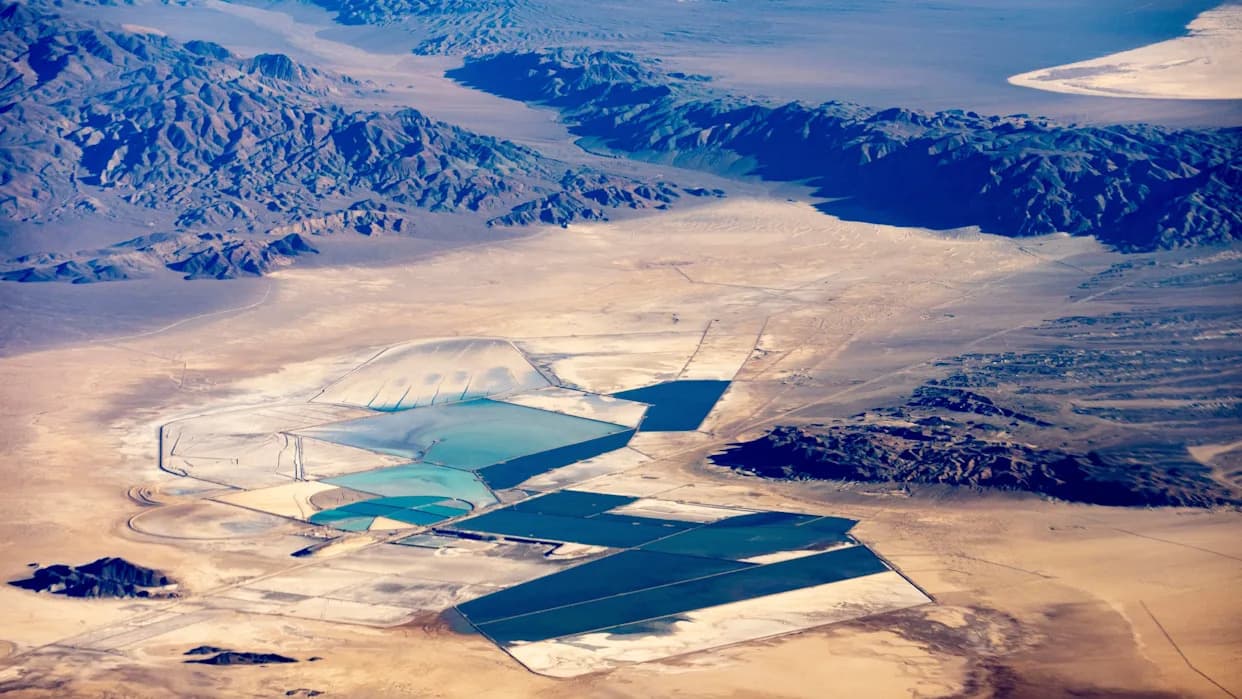
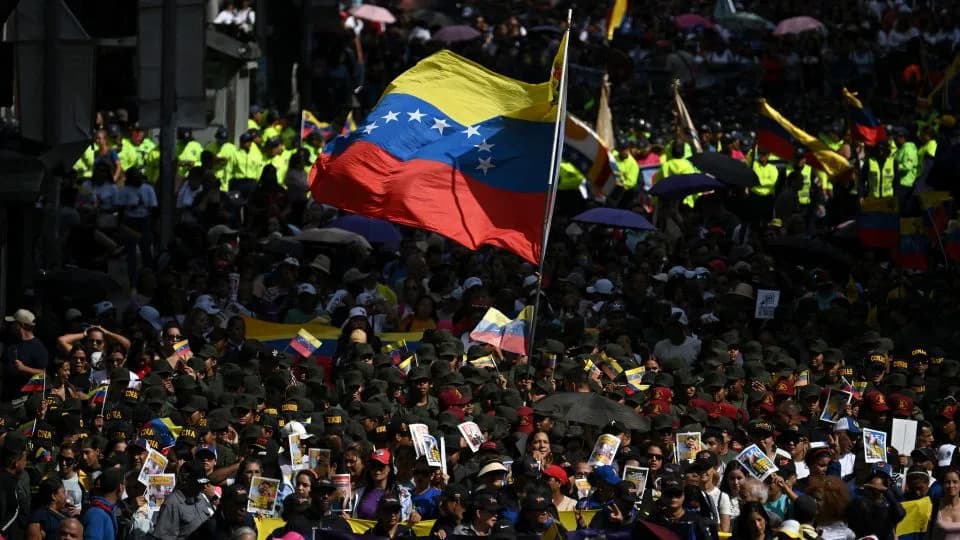
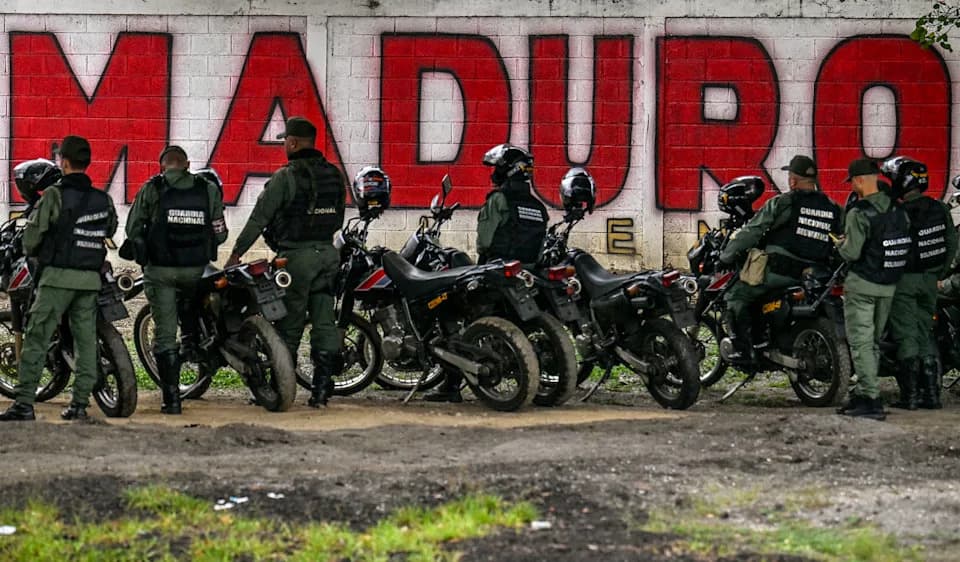
Recent reporting suggests that a sudden international development — a U.S. military action in Venezuela — diverted attention from several high-profile controversies at home, most notably a potentially lucrative connection between a senior Interior Department official and a fast-tracked lithium mine in Nevada.
Karen Budd-Falen and the Nevada Water Rights Sale
Karen Budd-Falen, the Interior Department’s No. 3 official who also served during President Trump’s first term, and her family are at the center of reporting about a Nevada ranch water-rights sale. In 2018, Budd-Falen’s husband sold the ranch’s water rights to a lithium developer for $3.5 million. That sale was reportedly contingent on Interior Department approval of the proposed mine.
According to investigative accounts first published by High Country News and reporters at Public Domain on Substack, Budd-Falen met with company executives in the Interior Department cafeteria in 2019. The mine later received departmental approval and was placed on an accelerated track that allowed it to proceed with reduced environmental review. The New York Times later amplified these reports, noting the appearance of a connection between the meeting and the agency decision.
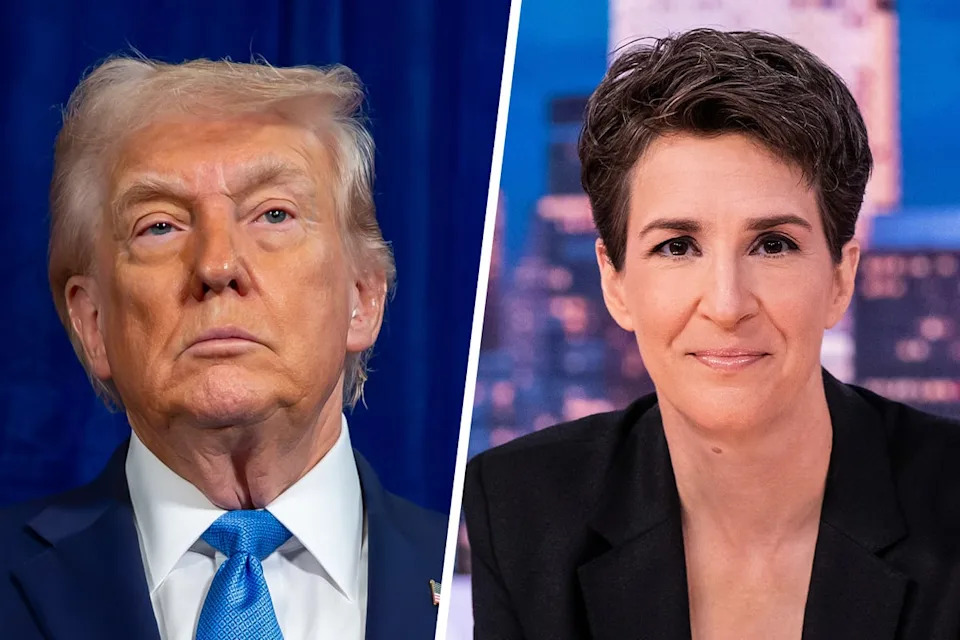
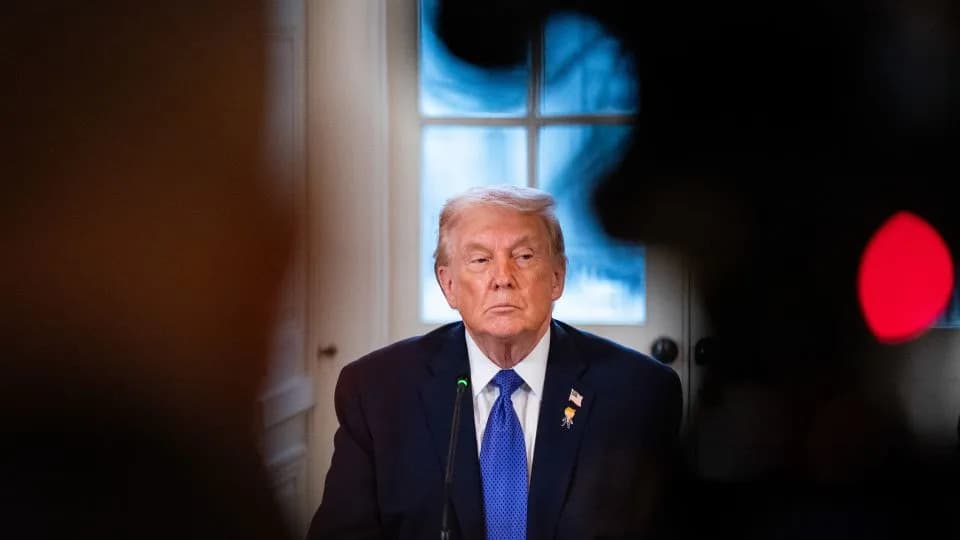
President Donald Trump; Rachel Maddow.(Nicole Combeau / Bloomberg via Getty Images; MS NOW)
Budd-Falen’s husband told The New York Times that the cafeteria meeting was social and unrelated to any Interior action; the company made a similar statement, saying the meeting did not involve Budd-Falen in an official capacity. The reporting, however, raised questions about whether the official’s position and family financial interests presented an ethics concern.
Other Controversies Dimmed by the Breaking News Cycle
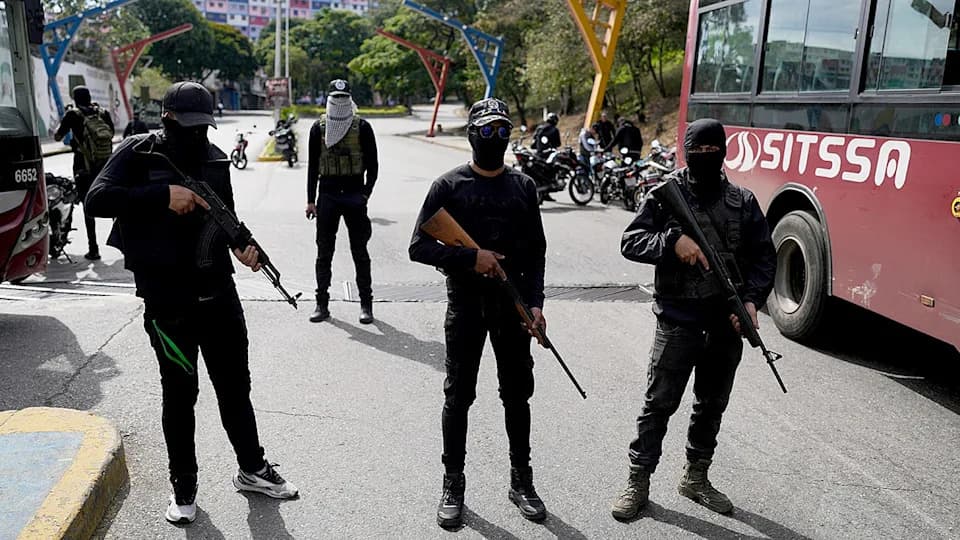
Observers noted that the sudden U.S. action in Venezuela shifted media and public attention away from this story just as it was gaining traction. Several other developments similarly benefited from the distraction:
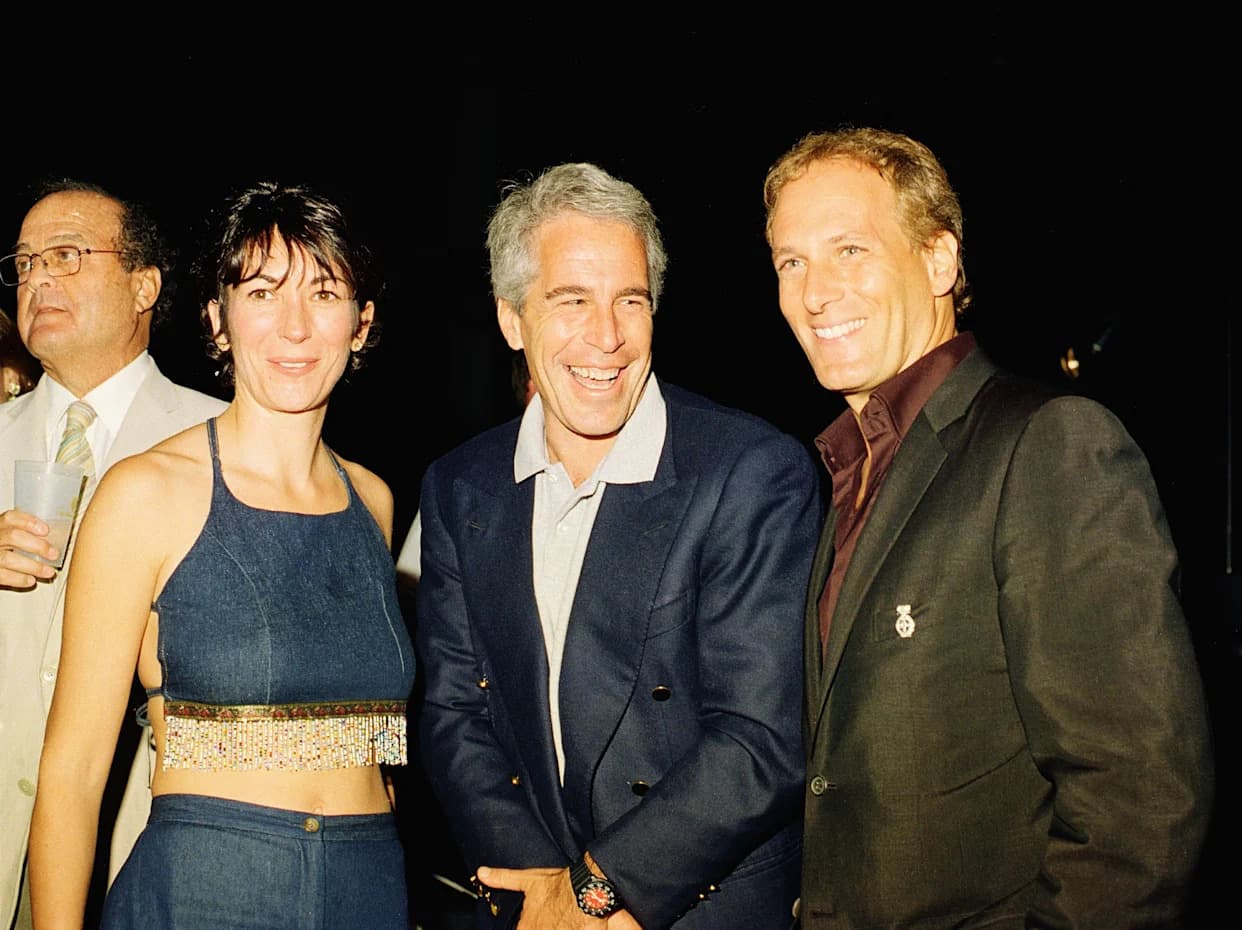
- Epstein Documents Delay: The Justice Department was legally required to release more than 5 million documents from the Jeffrey Epstein investigation by Dec. 19 but released only portions. On Dec. 23 it published an email indicating flight records showed Donald Trump had flown on Epstein’s plane more times than previously reported — a detail that could be material to investigations involving Ghislaine Maxwell. The DOJ says it still must process millions of additional pages.
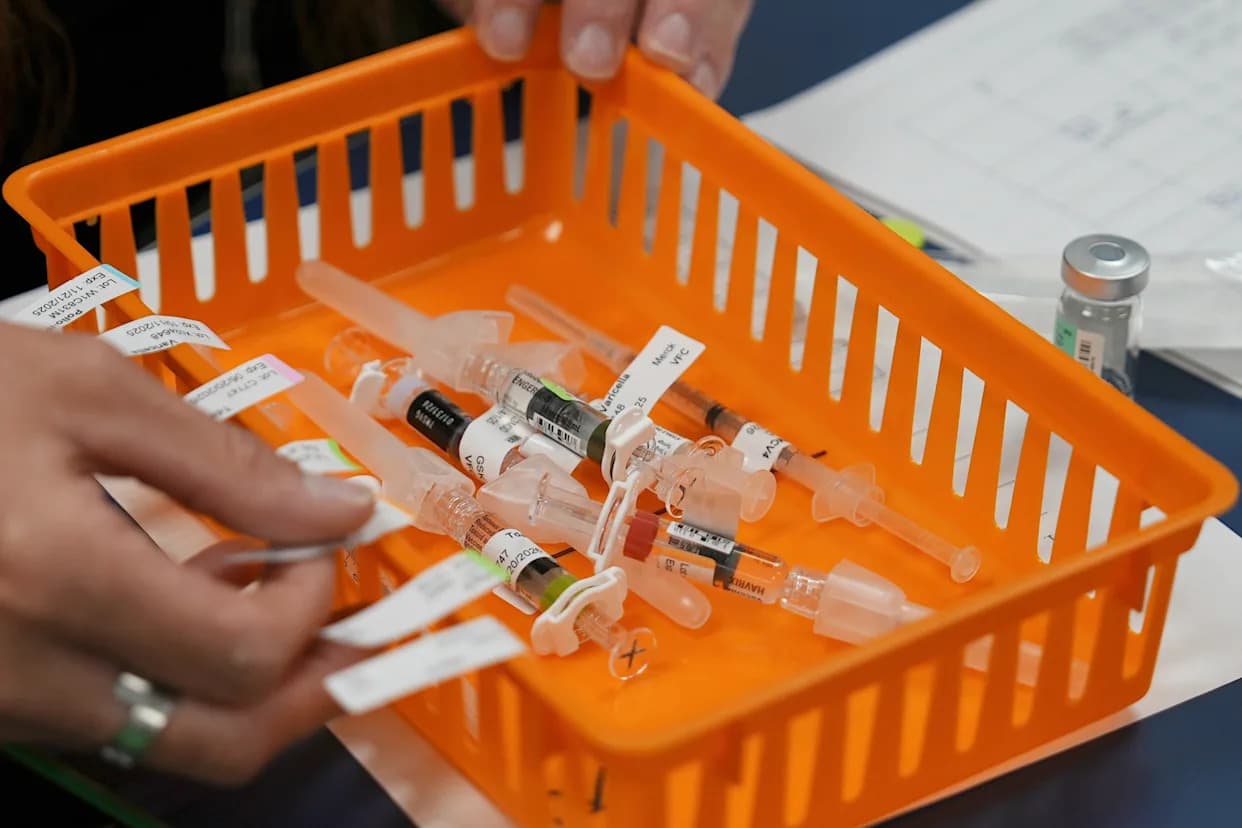
- HHS Vaccine Schedule Change: The Department of Health and Human Services announced changes to the childhood vaccine schedule via anonymous calls to reporters and without presenting public supporting data. Critics say releasing such controversial health-policy shifts on busy news days reduces scrutiny.
- Other Political Flashpoints: The period also included anniversaries and controversies — from a Southern California water-release decision that wasted over a billion gallons after a wildfire, to the five-year anniversary of the Jan. 6 attack on the U.S. Capitol and questions about commemorations for officers who defended Congress.
What This Means
Journalists and accountability advocates argue that major breaking events can change the news environment in ways that mute oversight of significant domestic matters. Whether the Venezuela action was intended or accidental in its effect on coverage, the result — reduced immediate scrutiny of the Interior Department approvals, delayed DOJ disclosures, and other controversial actions — has left unanswered questions about conflicts of interest and transparency.
Reporting contributions credited to Allison Detzel; initial investigations by High Country News and Public Domain, with subsequent coverage by The New York Times.
Help us improve.