Matthew Strausser is the senior biologist who manages wildlife across 1,620 acres at NASA’s Johnson Space Center, where 169 species are recorded. He balances on-site conservation — including a captive-breeding enclosure for the critically endangered Attwater’s prairie chicken — with practical tasks like relocating fawns, preventing bird-window collisions and removing pests. His control of tawny crazy ants, which threatened electrical systems, earned him a Silver Snoopy Award in 2018. The center’s landscape includes remnants of the Texas coastal prairie, of which less than 5% remains.
The Biologist Who Keeps Deer, Snakes — and Space Hardware — Safe at NASA’s Johnson Space Center
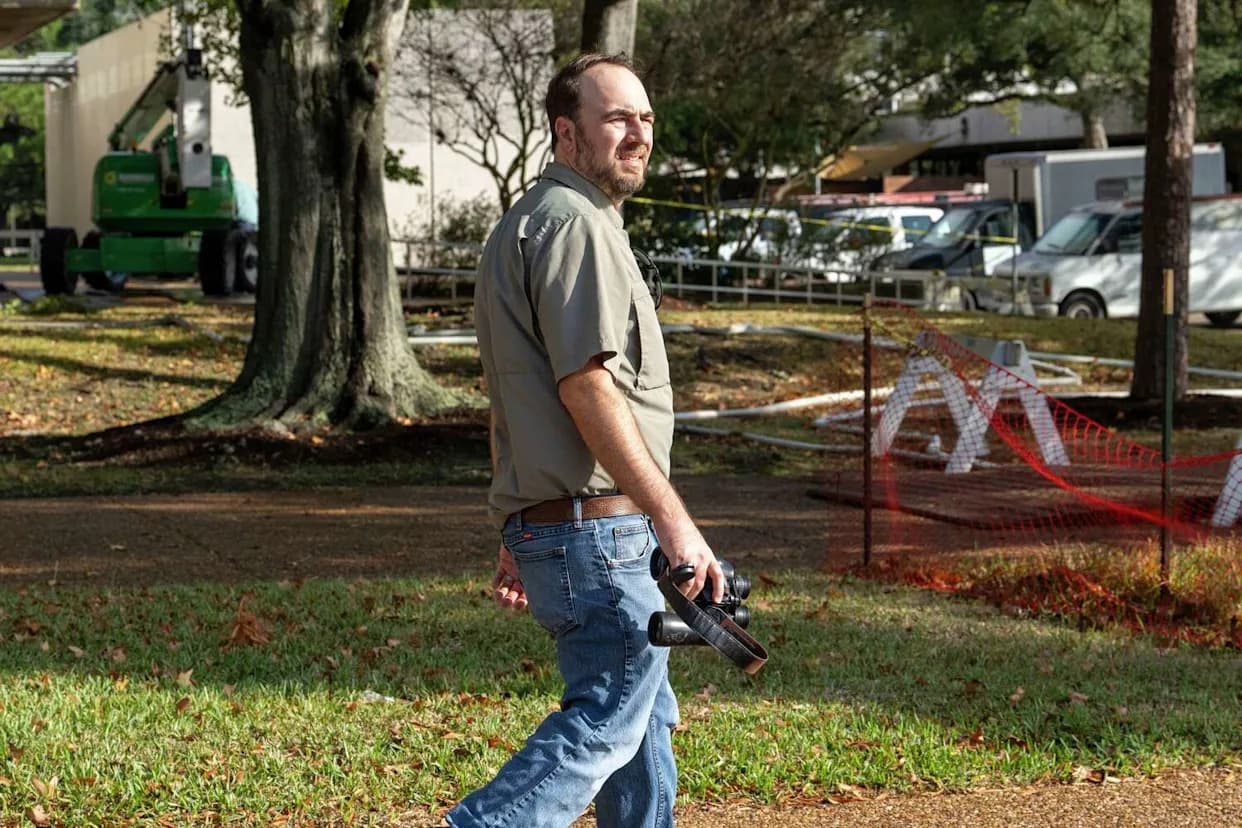
Matthew Strausser, the NASA Johnson Space Center's senior biologist for wildlife management, scans the grounds for wildlife at the center in Houston, Thursday, Dec 18, 2025. (Kirk Sides/Houston Chronicle)
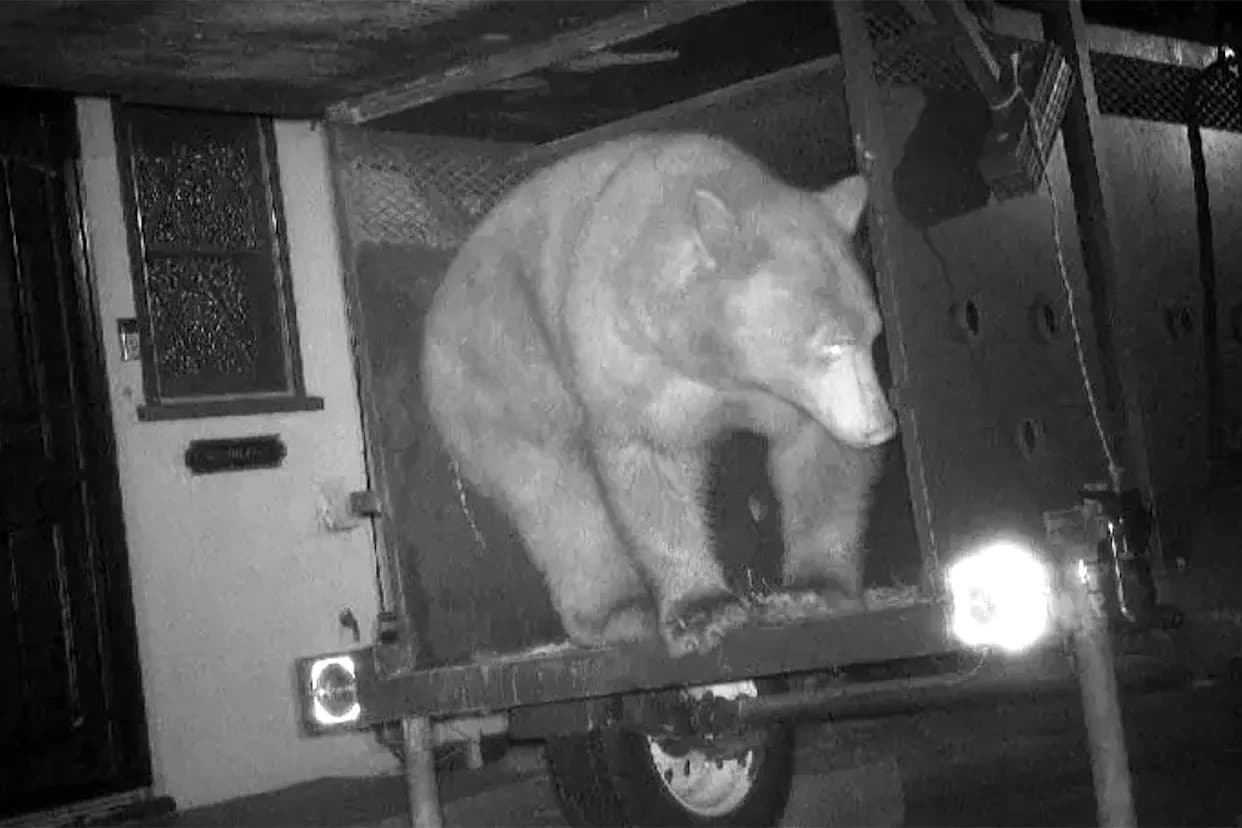
Matthew Strausser, senior biologist for wildlife management at NASA's Johnson Space Center, spends his days balancing wildlife conservation with the demands of a major space complex. From coaxing a Texas rat snake out of a T-38 training jet to corralling skunks that set off alarms, Strausser’s work runs the gamut from routine to extraordinary.
Land, Wildlife and History
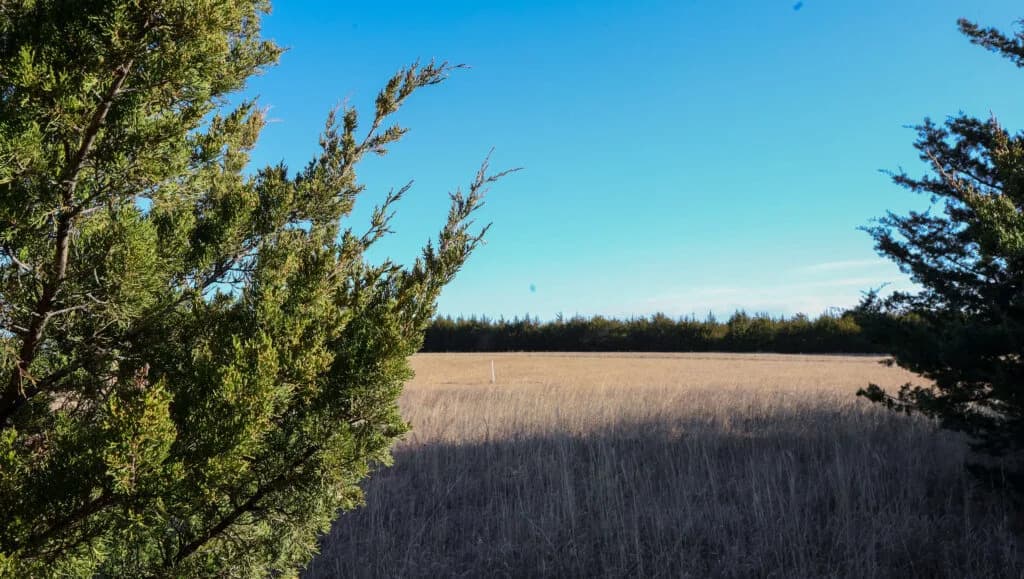
The Johnson Space Center campus covers 1,620 largely undeveloped acres that include mission control, astronaut training facilities and a preserved Saturn V rocket. That landscape supports 169 recorded species of mammals, birds, amphibians and reptiles and contains fragments of the rapidly shrinking Texas coastal prairie — an ecosystem of which less than 5% remains across Texas and Louisiana.
Conservation In Action
Habitat loss has hit one species especially hard: the Attwater’s prairie chicken. Once numbering around a million across Texas and Louisiana, the birds now total roughly 260 in the wild and about 160 in human care. The Houston Zoo has managed a captive-breeding program since 1994 and began working with NASA in 2005. Today, 35 of these birds are kept in an on-site enclosure at Johnson Space Center; some are held for breeding and others are released to refuges near Eagle Lake or to private conservation lands in Goliad.
Everyday Wildlife Management
Strausser’s responsibilities shift with the seasons. In spring he relocates young animals that wander into hazardous areas — "Like people, the teenagers are the problem," he says — and in summer he moves fawns from roadways, under cars and out of buildings after mothers hide them for long stretches. In the fall he dims or modifies exterior lighting and adds window treatments (shades, perforated vinyl and visual markers) to reduce collisions by migratory birds. Each winter he conducts the center’s annual deer census; this year the count reached 268 deer.
Pests, Predators and Public Safety
The property also supports bobcats, coyotes, migratory birds and three venomous snakes (copperheads, coral snakes and water moccasins). Not all species are welcome: tawny crazy ants, an invasive insect attracted to electrical circuits, were shorting critical systems — even a sewage lift station — before Strausser led control efforts. His work on that infestation earned him NASA’s Silver Snoopy Award in 2018, an honor given to fewer than 1% of employees each year.
"We always have interesting and bizarre circumstances," Strausser says. His job, he adds, "does not have a typical day."
Strausser’s role highlights how thoughtful wildlife management can protect both biodiversity and vital infrastructure at a world-class research campus. His combination of field skills, habitat stewardship and collaboration with partners like the Houston Zoo helps keep the Johnson Space Center operational — and the animals that live there safer.
Help us improve.