Retired FBI agent Séamus McElearney describes how careful intelligence work and psychological strategy, not threats, convinced Anthony Capo — a violent DeCavalcante soldier — to cooperate in 1999. A proactive witness secretly recorded roughly 300 conversations over two years, guiding investigators into the family’s Brooklyn faction. Capo’s decision to flip triggered unprecedented cooperation that led to 71 convictions, 11 murders solved and the effective dismantling of the DeCavalcante crime family. McElearney cautions that while the mafia is weakened, it can rebuild if left unmonitored.
“Mind Chess,” Not Intimidation: How the FBI Flipped a ‘Real Sopranos’ Soldier and Brought Down the DeCavalcante Family
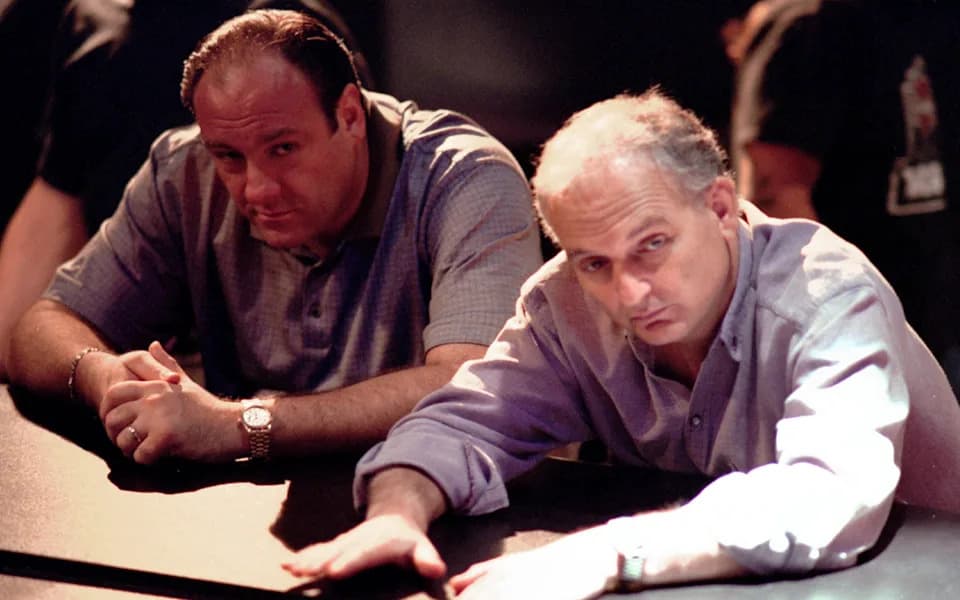
The Sopranos, HBO's hit series about a modern-day mob boss caught between responsibilities to his family and his "family." Pictured: series star James Gandolfini and David Chase, the show's creator.
The FBI pursued the so-called “Real Sopranos” for years without breaking the organization — until a single arrest in 1999 set off a chain reaction that ultimately dismantled the crew.
Inside The Investigation
Behind the HBO drama was a real criminal network operating across New Jersey and New York: the DeCavalcante crime family. Retired FBI agent Séamus McElearney, author of Flipping Capo: How the FBI Dismantled the Real Sopranos, says the bureau finally penetrated the family from within by flipping a violent soldier whose cooperation triggered a cascade of informants.
McElearney, who joined the FBI in 1998 and was assigned to Squad C-10 of the New York Organized Crime Branch, says the case essentially began in 1998 when two separate events converged: a World Trade Center robbery and the murder of a DeCavalcante associate in Brooklyn. The robbery’s mastermind later contacted the FBI and became a rare "proactive witness," secretly recording mob conversations that led agents into the family’s Brooklyn faction.
"When you have a proactive witness, the most important thing is trying to keep him safe," McElearney said. "You have to have him think to the criminals that he’s still not cooperating with the government."
Over roughly two years, that witness made about 300 consensual recordings, quietly revealing how the real-life Sopranos operated. McElearney stresses that maintaining the witness’s cover was vital: "You have to keep up the facade that he is a criminal himself. If that cover blows, people get killed."
The Arrest That Changed Everything
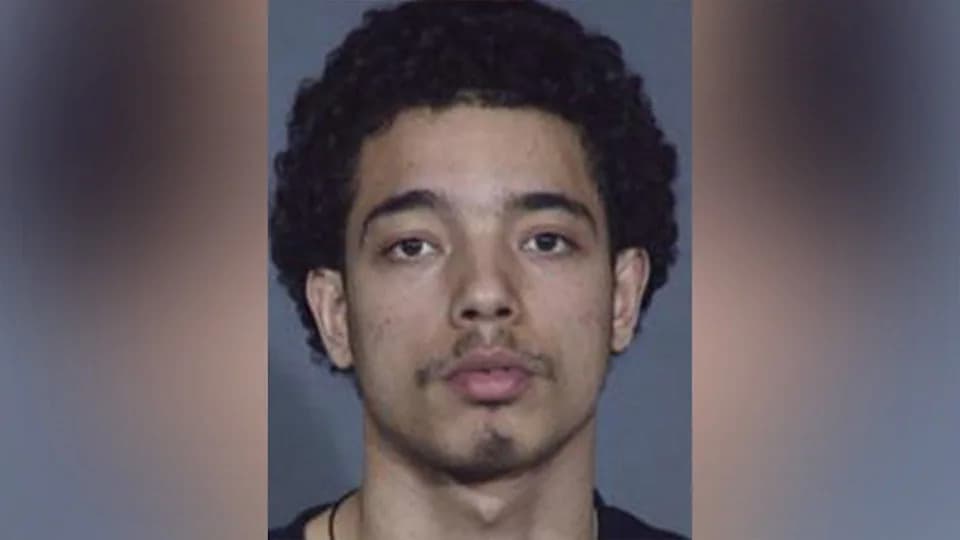
The probe reached a turning point in December 1999, when McElearney led the arrest of Anthony Capo, a feared DeCavalcante soldier known for violence and hostility toward law enforcement. Historical accounts link Capo to the 1989 murder of Fred Weiss — a hit tied to New York mob leadership — and to internal killings that reflected the family’s growing paranoia.
Rather than rely on threats, McElearney says he used what he calls "mind chess": meticulous preparation, respect and calm candor. He studied Capo’s background, health and family details, and during the arrest took small steps to ensure Capo’s safety — even bringing orange juice and chocolate to prevent a diabetic episode. McElearney recalled saying, "Don’t say anything. Just listen. This isn’t a question. This is a statement." A week later, Capo’s lawyer called to say Capo wanted to cooperate.
Capo became the first "made" member in the DeCavalcante family’s century-long history to turn informant — a profound break with mafia tradition that set off unprecedented cooperation from within the organization.
Consequences And Cultural Echoes
The cooperation produced extraordinary results: investigators secured 71 convictions, solved 11 murders and put seven cases before federal juries, effectively dismantling the DeCavalcante family’s structure. Prosecutors were able to place the family’s structure on the witness stand, from street-level associates to leadership.
As HBO’s The Sopranos debuted, the real-world probe intersected with pop culture. Agents captured mobsters on tape debating which real figures corresponded to characters on the show — recordings McElearney called "priceless" at trial. But the tapes also captured darker material, including a chilling account of a shooter describing the execution of Joseph Conigliaro, who was shot multiple times and drove himself to a hospital.
The investigation also uncovered threats against Capo’s children and law-enforcement officers, underscoring how personal the stakes had become.
Aftermath And A Lasting Warning
McElearney later led work on the Colombo family and contributed to what the FBI described as its largest mafia takedown. Over his career he helped convict 10 mafia bosses and resolve more than 30 homicides. In 2013 he was invited to the White House and recognized by the president for his work against organized crime.
Today he warns the mafia remains weakened but not gone: "They’ve been around for 125 years. If you don’t keep an eye on them, they’re going to rebuild." His blunt message to those inside the criminal world: at some point you’ll have to choose between your real family and their family — and eventually you’ll get caught.
Help us improve.