
Edmond Safra, a prominent private banker, died of smoke inhalation in his Monaco penthouse on Dec. 3, 1999. His nurse, Ted Maher, was convicted in Monaco of staging a fake break‑in and starting the fire that jurors found caused the deaths; he was sentenced to 10 years and released after roughly eight. Maher later recanted his confession, returned to the U.S., faced additional criminal charges and — under the name Jon Green — received a reported nine‑year sentence for murder‑for‑hire in 2025. The Netflix documentary Murder in Monaco revisits the case and the unresolved questions it left behind.
Murder in Monaco: How a Nurse’s Alleged Hoax Led to Edmond Safra’s Death — What We Know

Agence France Presse/Getty; VANINA LUCCHESI/AFP via GettyEdmond Safra ; Ted Maher
Edmond Safra, a Lebanese‑Brazilian private banker and billionaire, died of smoke inhalation in his Monaco penthouse on Dec. 3, 1999. The circumstances of his death — and the role of his nurse, Ted Maher — remain the subject of controversy and renewed public interest thanks to the Netflix documentary Murder in Monaco.
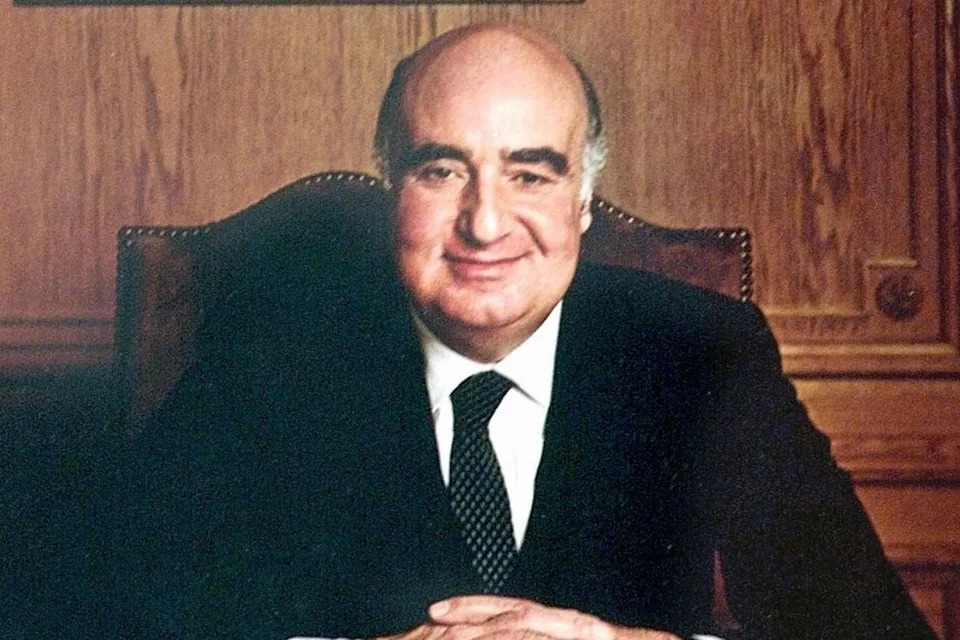
Agence France Presse/GettyPortrait of Lebanese-born Brazilian banker and financier Edmond Safra
Background: A Private Banker Under Guard
Born in Beirut in 1932 into a banking family, Safra built a global private‑banking empire — founding institutions such as the Trade Development Bank and Republic National Bank of New York — and earned a reputation as one of the world’s most influential private bankers. In later life he suffered from Parkinson’s disease and relied on a team of private nurses. His Monaco penthouse featured advanced security measures, bulletproof glass and a professional security detail.
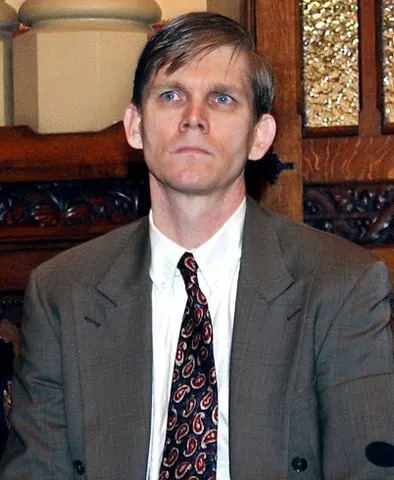
PASCAL GUYOT/AFP via GettyTed Maher in a Monaco court on Nov. 28, 2002
Ted Maher: From Special Forces Medic to Private Nurse
Ted Maher, born in 1958, served as a Special Forces medic before training as a nurse and working in neonatal intensive care. A chance gesture — returning a lost camera to a family connected to the Safras — led to his hiring on Safra’s private medical team in 1999. Maher split his time between New York and Monaco and earned a substantial salary for the role.
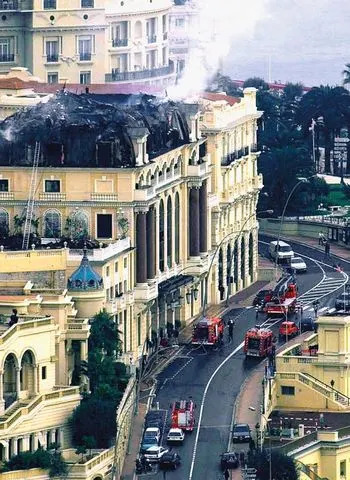
AP Photo/Lionel CironneauFirefighters putting out a fire at the apartment building of banker Edmond Safra in Monte Carlo, Monaco on Dec. 3, 1999
The Night of the Fire
According to Maher’s account and later reporting, he was attacked in the nursing station by two masked intruders, suffered wounds and then helped Safra and fellow nurse Vivian Torrente retreat to a bathroom that served as a panic room. Maher has said he lit a small fire in a wastebasket to trigger the alarm and went to summon help; the blaze reportedly spread quickly in the sealed, highly secured apartment. Confusion, miscommunications and difficulties gaining access to the penthouse meant rescuers did not reach Safra and Torrente in time. Both died of smoke inhalation.
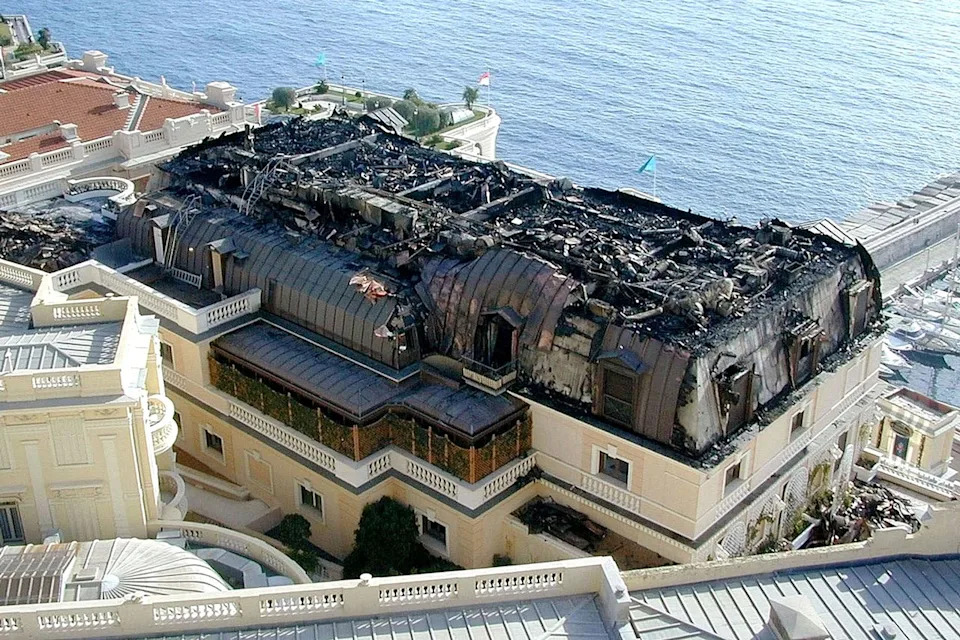
AP PhotoThe charred penthouse of banker Edmond Safra on Dec. 3, 1999 in Monte Carlo, Monaco
Investigation, Confession and Trial
Monaco investigators concluded there had been no external intruders and alleged that Maher staged the break‑in, inflicted wounds on himself and started the fire to create a rescue scenario. Maher was arrested, spent about three years in pretrial detention, and — according to reporting — signed a French‑language confession while in custody. He later described the document as coerced.
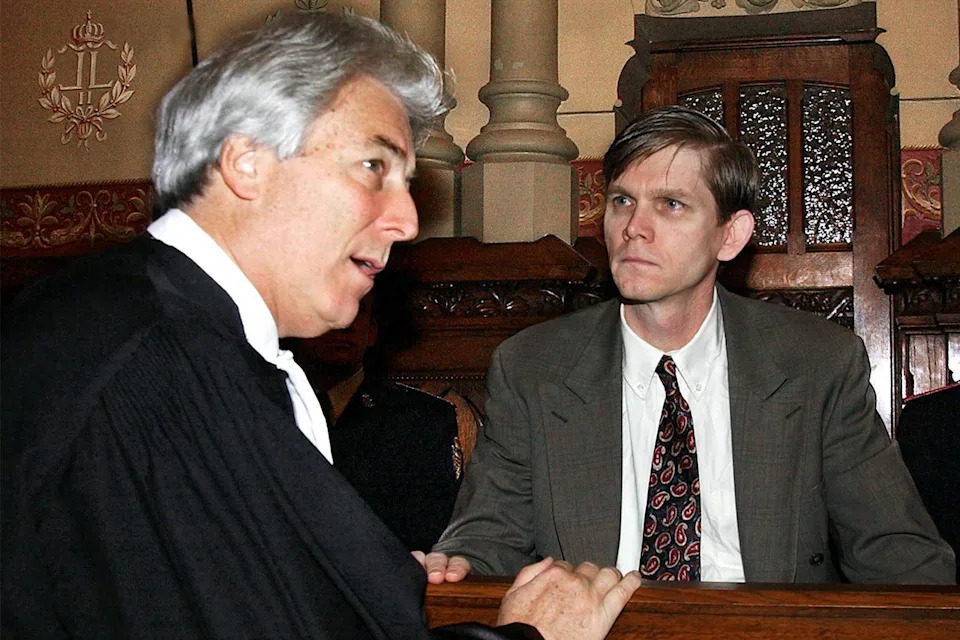
PASCAL GUYOT/AFP via GettyMichael Griffith and Ted Maher in Monaco on Nov. 28, 2002
At trial in 2002, Maher admitted the incident was a "terrible accident" but his defense argued he never intended to kill. A Monegasque court convicted him of arson causing death and sentenced him to 10 years in prison. He served roughly eight years and was released in 2007.
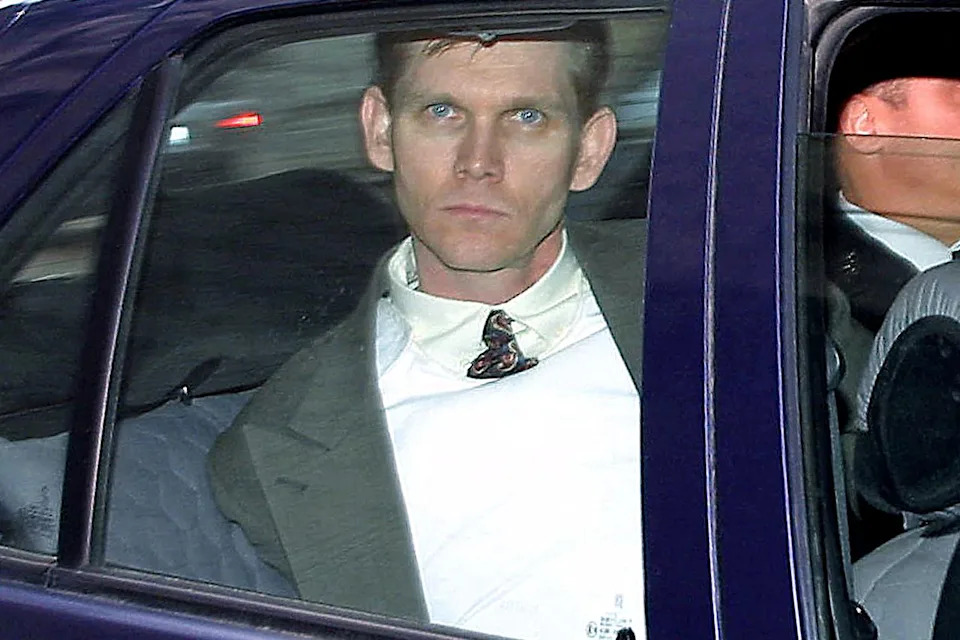
VANINA LUCCHESI/AFP via GettyTed Maher going to a Monaco court for his trial on Dec. 2, 2002
Aftermath: Recantation and Later Crimes
After his release, Maher returned to the U.S., recanted his confession and spent years trying to clear his name. His personal and legal troubles continued: his first marriage ended, his nursing license was revoked in Texas in 2013, and he later changed his name to Jon Green. He faced multiple criminal charges in the U.S., including forgery convictions reported in 2023.
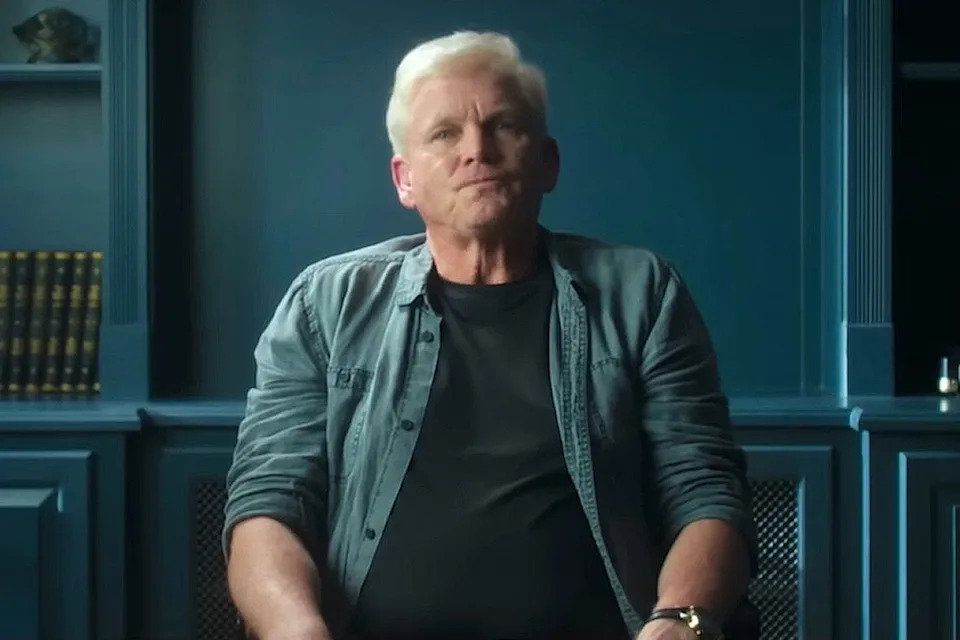
NetflixTed Maher in 'Murder in Monaco'
Regional reporting subsequently indicated that while incarcerated he allegedly attempted to arrange the murder of a former partner by poisoning; in July 2025 he was reported sentenced to nine years for murder‑for‑hire. Media reports also stated he was being treated for late‑stage throat cancer while held at the Central New Mexico Correctional Facility. Details of these later prosecutions come from U.S. court records and regional news accounts.
Why the Case Still Resonates
The Safra case raises enduring questions about wealth and security, the reliability of confessions obtained under duress, and how quickly a carefully guarded environment can fail in a crisis. The Netflix documentary revisits conflicting accounts, forensic evidence, courtroom testimony and the long legal aftermath. While Maher was convicted in Monaco, his later recantations and subsequent convictions in the U.S. have kept public interest alive and the debate unresolved for many observers.
What Is Clear
Officially, two people died in the 1999 blaze: Edmond Safra and nurse Vivian Torrente. A Monegasque court found Ted Maher legally responsible for arson causing death. Subsequent statements, appeals and media investigations have produced competing narratives about motive and coercion, but the judicial record in Monaco remains a conviction.
Note: This account synthesizes reporting from Dateline, NBC, The New York Times, Vanity Fair, CNN, People, the New York Post and regional outlets that have covered the case and its later developments.


