
Key takeaways: The multi‑week suppression hearing in Luigi Mangione’s case has focused on whether the Altoona backpack search was lawful and whether he was properly read his Miranda rights. Body‑cam footage shows Mangione used a fake name and ID at a McDonald’s; a later search of his backpack produced a 3D‑printed firearm, a loaded magazine, a silencer and a journal. A disputed 11‑minute gap in body‑camera footage and late disclosures by corrections officers give the defense material to challenge credibility.
What We Learned at Luigi Mangione’s Pre‑Trial Hearing: Fake ID, Backpack Evidence and an 11‑Minute Bodycam Gap

Luigi Mangione appears with his attorney Karen Friedman Agnifilo for an evidence hearing in Manhattan Criminal Court on December 12, 2025. - Christian Monterrosa/Pool/Getty Images
For two weeks, a rotating roster of police officers has described in detail what happened after Luigi Mangione was stopped in Altoona, Pennsylvania, days after the fatal shooting of UnitedHealthcare CEO Brian Thompson. The multi‑week suppression hearing in Manhattan has centered on two legal questions that could shape the upcoming murder trial: whether officers lawfully searched Mangione’s backpack and whether he was properly read his Miranda rights.
Why This Hearing Matters
If the judge rules for the defense, prosecutors could be barred from presenting critical evidence recovered from the backpack — including a 3D‑printed firearm, a loaded magazine, a silencer and a handwritten journal — as well as some of Mangione’s statements. Mangione has pleaded not guilty to nine counts, including second‑degree murder; no trial date has been set.
What Testimony Has Revealed
Officers played body‑worn camera footage showing the McDonald’s stop in Altoona, during which Mangione gave a false name, 'Mark Rosario,' and presented a New Jersey ID bearing that name. When officers quickly determined the ID was fake, Mangione acknowledged his real identity and told an officer, 'I clearly shouldn’t have.' Prosecutors say the same ID was used by the shooting suspect to check into a New York hostel.
Several officers testified that presenting a false name and fraudulent ID constituted a crime under Pennsylvania law. That, they said, supported arresting Mangione on state charges and conducting a 'search incident to arrest' of his person and belongings. Officers performed a preliminary search at the restaurant and later transported the backpack to the Altoona police station, where further items were recovered.
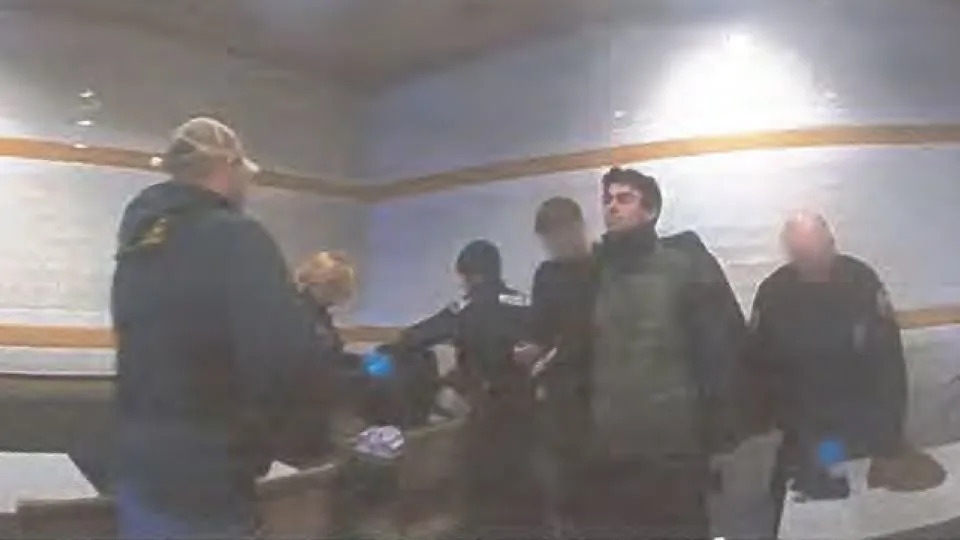
A still from bodycam footage of police searching Luigi Mangione’s backpack. - Supreme Court of the State of New York
Debate Over A Search Warrant
Body‑cam audio captured officers debating whether to obtain a search warrant after the McDonald’s encounter but before taking the backpack to the station. Some officers urged getting a warrant because of the severity of the case; others maintained the search incident to arrest was lawful. The defense contends the more detailed search at the station was unlawful because a warrant was not obtained until later that night, and then only to transfer property to the NYPD.
Miranda Timing In Dispute
Officers read Mangione his Miranda warnings about 20 minutes after initial questioning began, according to the footage. The defense argues many of Mangione’s statements — from the restaurant through his extradition to New York 10 days later — should be suppressed because they were elicited before he was in custody for interrogation. Prosecutors counter that the warnings were given at the appropriate time.
Late‑Reported Jailhouse Remarks
Corrections officers testified that Mangione told one of them about a backpack containing a 3D‑printed gun and discussed health‑care topics with another. Both officers said they did not report those conversations until prosecutors questioned them months later. Those late disclosures may be challenged for credibility at trial if admitted.
The 11‑Minute Bodycam Gap
A central point for the defense is an 11‑minute interval when Officer Christy Wasser testified she turned off her body camera while transporting Mangione’s backpack from the McDonald’s to the police station. Officers say they conducted a cursory search at the restaurant and placed the items in a brown McDonald’s bag and the backpack; when the backpack was opened at the station, the firearm and silencer were found. Wasser denied conducting any additional search during the camera‑off period and said her first discovery of the weapon occurred in the station intake area.
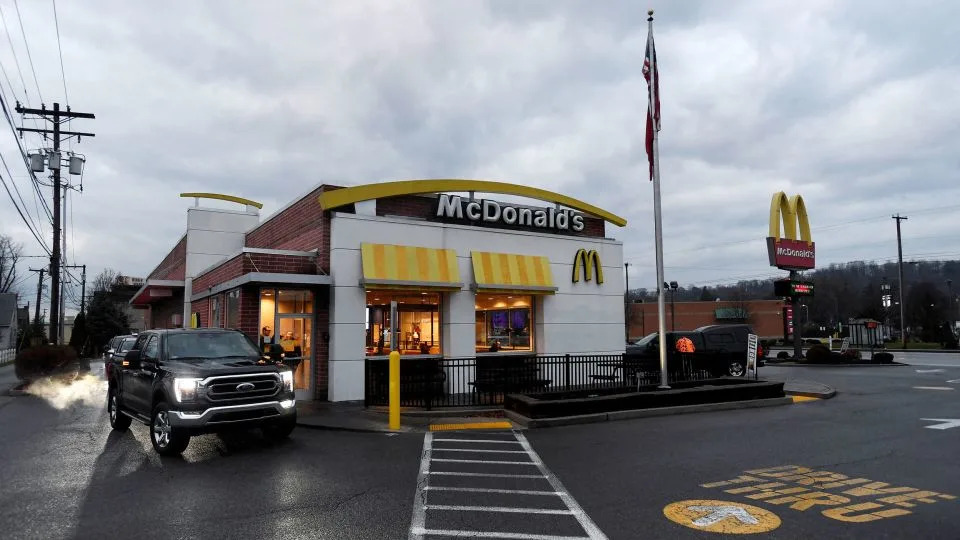
Luigi Mangione was found at this McDonald's restaurant in Altoona, Pennsylvania, on December 10, 2024. - Matthew Hatcher/Reuters
Defense attorneys have repeatedly pressed Wasser about the unrecorded interval, and legal analysts note that even an otherwise by‑the‑book procedure can leave jurors uneasy when video is missing.
Unusually Long Hearing
Suppression hearings typically last a morning or a day; Mangione’s has extended into a third week with more than a dozen witnesses. Legal commentators say the length and breadth of testimony signal that prosecutors are treating the hearing seriously and want a thorough record given the case’s high profile and potential legal pitfalls.
What comes next: The judge will decide whether key physical evidence and statements are admissible. Even if the defense loses the suppression motion, testimony from many officers gives the defense material to challenge credibility at trial.
CNN’s Kara Scannell contributed reporting to this article.


