The Department of Homeland Security drew criticism after a New Year’s Eve post on X used an image resembling Hiroshi Nagai’s work with the caption "America after 100 million deportations." Nagai said the image was used without permission. The incident follows prior controversies in which DHS used a Thomas Kinkade painting and popular songs by Olivia Rodrigo and Sabrina Carpenter in immigration-related posts—prompting accusations of unauthorized use and ethical concerns over government messaging.
DHS Accused of Using Hiroshi Nagai’s Artwork Without Permission in Controversial Deportation Post
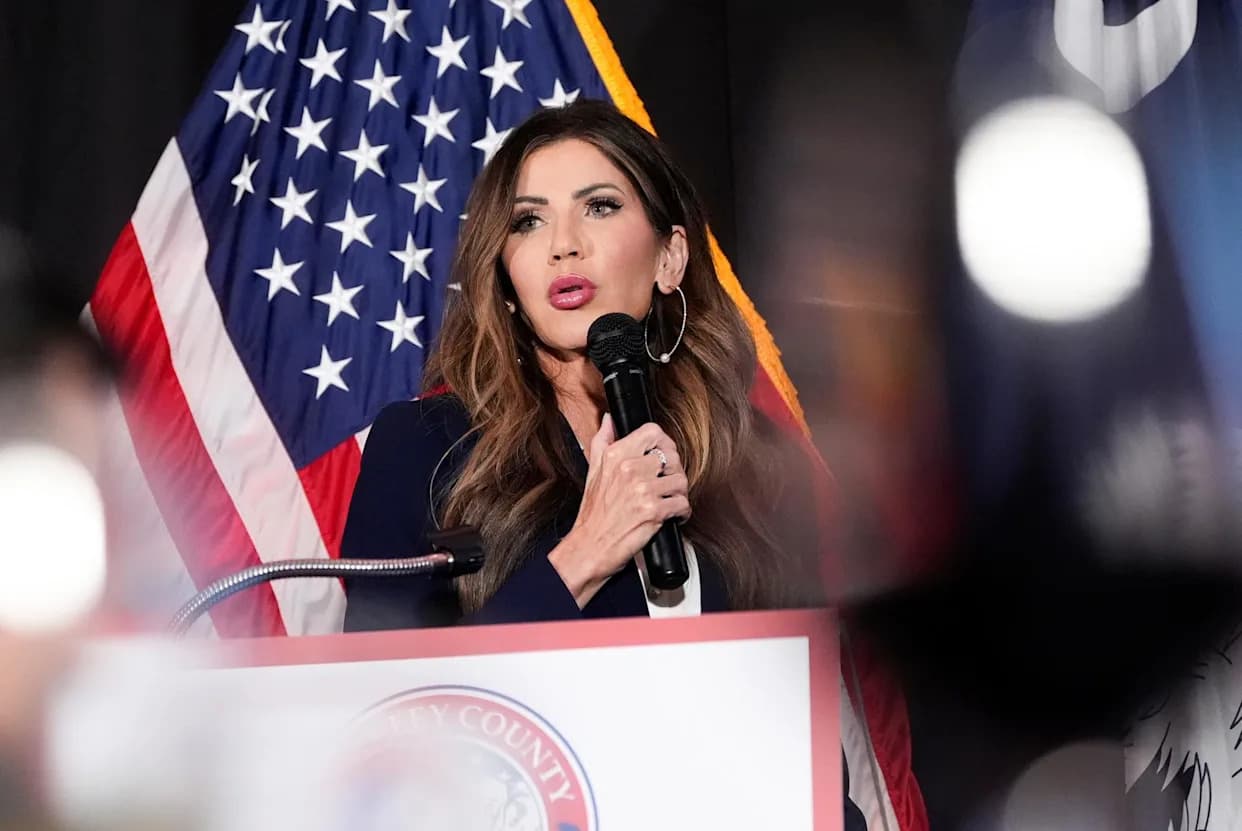
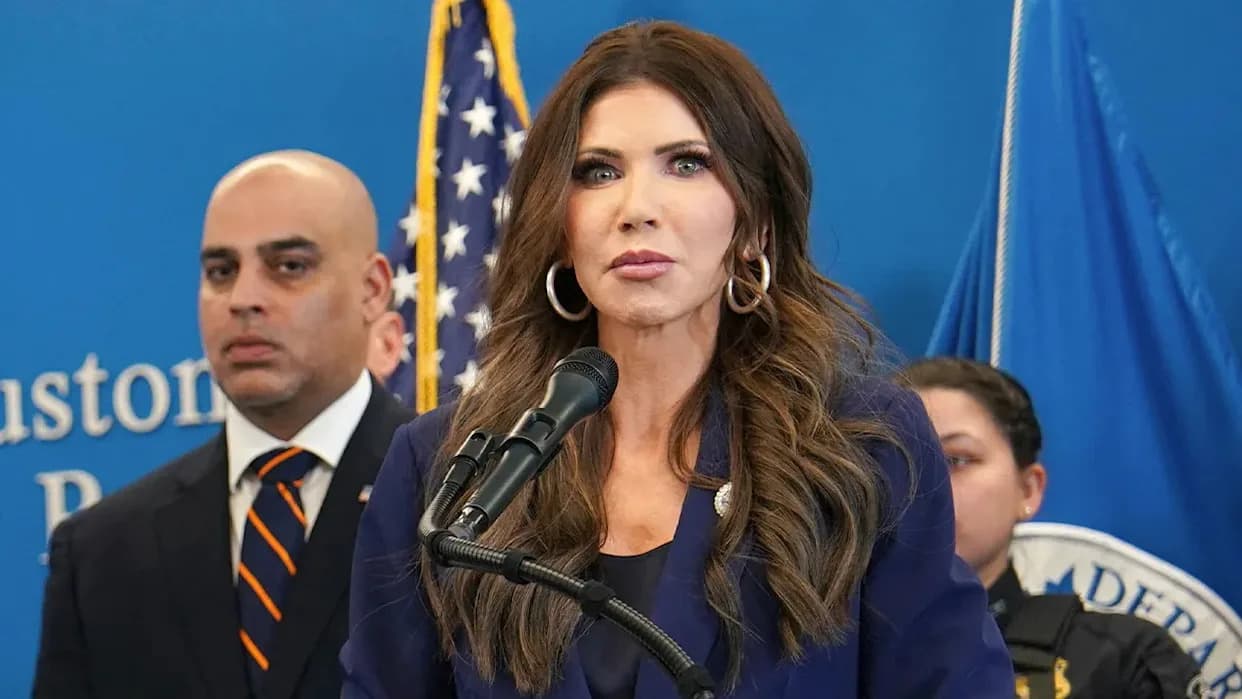
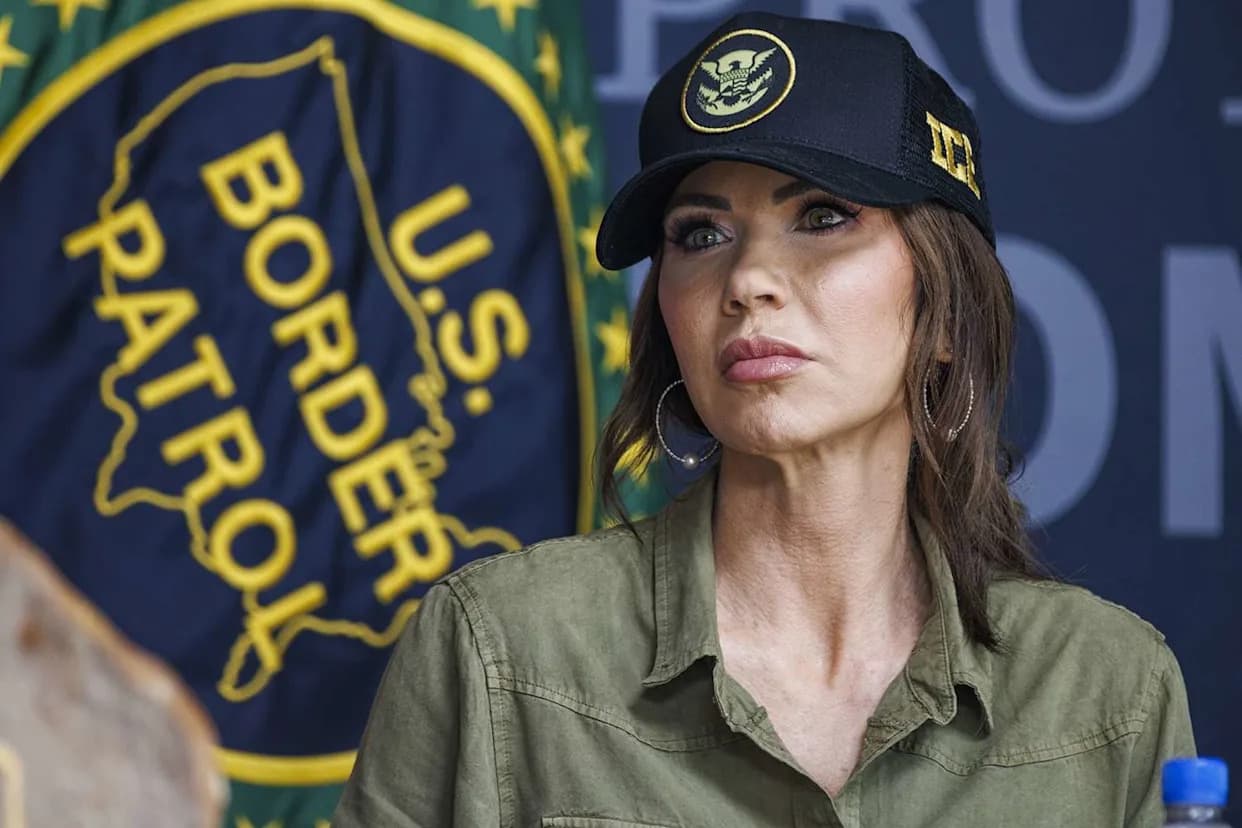
Homeland security secretary Kristi Noem speaks in North Charleston, South Carolina, in November 2025.Photograph: Alex Brandon/Pool via Getty Images
The US Department of Homeland Security faces renewed criticism after a New Year’s Eve post on X (formerly Twitter) used an image resembling the work of Japanese artist Hiroshi Nagai to promote deportation policy.
The image showed an empty, pristine beach lined with palm trees and a vintage car, overlaid with the words: America after 100 million deportations. A separate caption read: The peace of a nation no longer besieged by the third world.
Hiroshi Nagai, the 78-year-old graphic designer known for his 1950s-Americana–inspired city-pop and dreamscape illustrations, replied on X:
“This image is being used without permission from the US Department of Homeland Security. What should I do about this?”
Official Responses
A DHS spokesperson defended the post in a statement to The Guardian:
“DHS will continue using every tool at its disposal to keep the American people informed as our agents work to Make America Safe Again.”
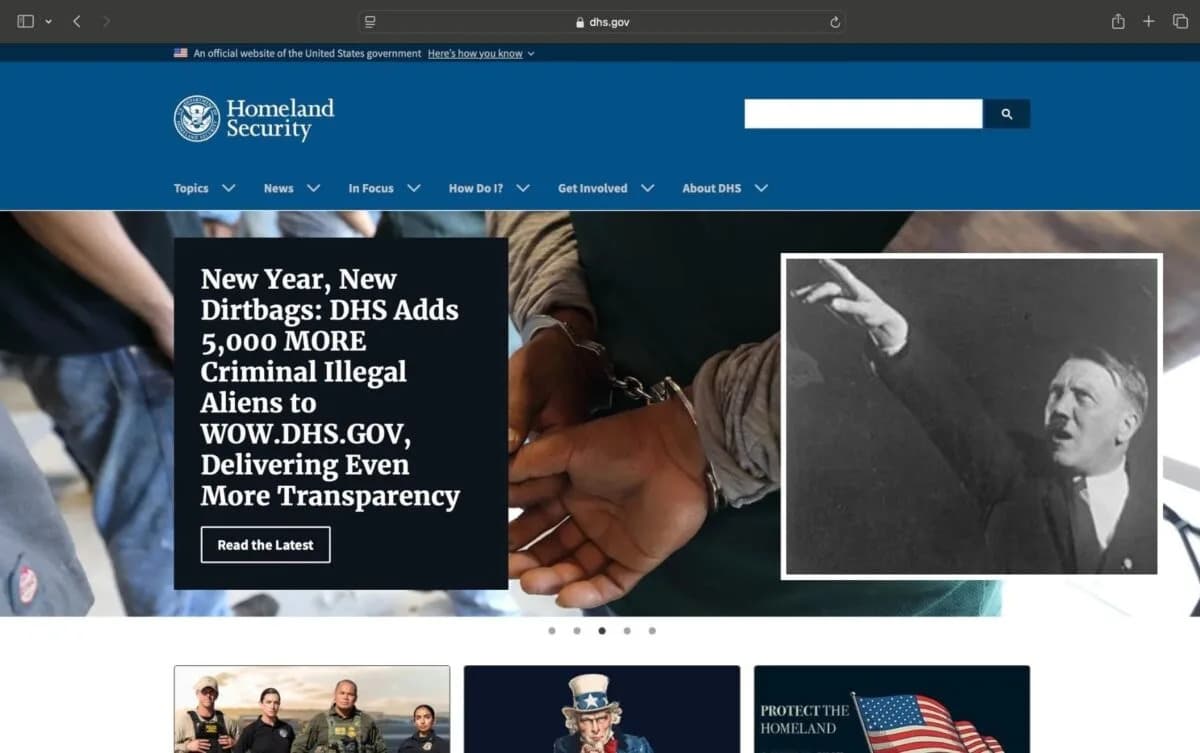
Critics say this incident continues a pattern of the department sharing artists’ work and popular music in immigration-related posts without consent. Last July, DHS posted a painting by the late American artist Thomas Kinkade with the caption Protect the homeland; the Kinkade Family Foundation called the use unauthorized and requested removal.
Artists and Musicians Push Back
Musicians have also objected to federal use of their songs in immigration messaging. Olivia Rodrigo publicly condemned a White House video that featured her song "all-american bitch," writing:
“Don’t ever use my songs to promote your racist, hateful propaganda.”The administration responded by urging gratitude for federal officers. A separate incident involved Sabrina Carpenter, who criticized a now-deleted video that paired her song "Juno" with footage of immigration raids.
These disputes raise legal and ethical questions about government use of copyrighted material, and about the optics of pairing cultural works with controversial public-policy messaging.
Context
The Nagai episode comes amid broader debate over immigration enforcement and public messaging. It also comes alongside reports that ICE plans a substantial recruitment media campaign, reportedly budgeted at around $100 million.
What Happens Next: Rights holders can pursue takedown requests under platform policies and, if warranted, legal remedies for unauthorized use. The public backlash could push agencies to adopt stricter review processes before posting copyrighted material.
Help us improve.