
Scientists warn that a suite of environmental signals — from near year‑round wildfires and stronger hurricanes to melting glaciers and ocean acidification — point to accelerating climate disruption. These changes threaten biodiversity, food security, coastal communities, and human health. Urgent collective action on emission cuts, conservation, pollution reduction, and climate adaptation is needed to reduce cascading risks.
Scientists Warn: Nature Is Sending Alarming Signals — Climate Disruption Is Escalating
09:36 PM, 12/10/2025

Shutterstock
Scientists and observers warn that Earth is sending increasingly urgent signals through extreme weather, shifting ecosystems, and accelerating environmental decline. These changes — from year-round wildfires to receding glaciers and dying reefs — carry cascading impacts for biodiversity, human health, food security, and coastal communities.
Wildfires: A Near Year‑Round Threat
Wildfires are no longer strictly seasonal in many regions. Prolonged droughts and higher temperatures have increased both the frequency and intensity of fires, especially in places such as California and Australia. Agencies like the National Interagency Fire Center link climate-driven drying and heat to longer fire seasons, greater CO2 emissions, and greater loss of homes, ecosystems, and species.
Erratic Weather and Agricultural Disruption
Weather patterns are becoming less predictable — one day may feel like summer, the next like winter. Polar vortex intrusions, unexpected frosts, and unseasonal heatwaves disrupt planting cycles, reduce yields, and threaten food security. These shifts can drive displacement and increase vulnerability in communities that lack resources to adapt.
Melting Glaciers and Rising Seas
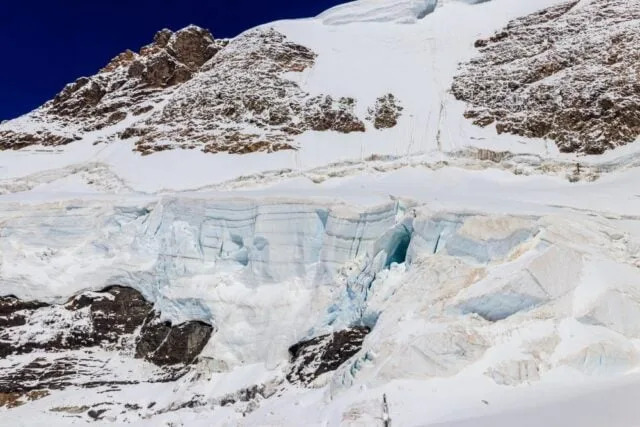
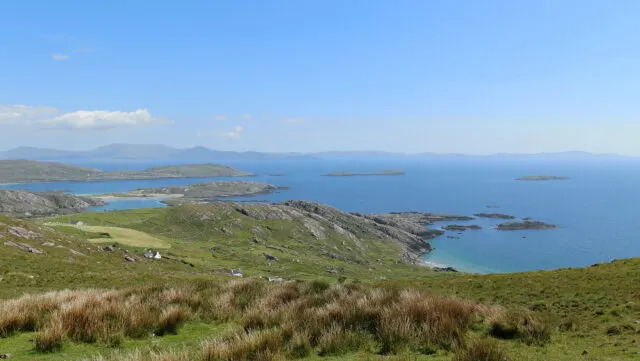
Glaciers worldwide are retreating rapidly. The World Glacier Monitoring Service and other research bodies attribute this loss to warming temperatures; melting ice contributes to sea-level rise, undermines freshwater supplies for millions, and alters regional climate systems. Coastal cities face increased flooding and saltwater intrusion into aquifers.
Oceans Under Pressure: Acidification and Bleaching
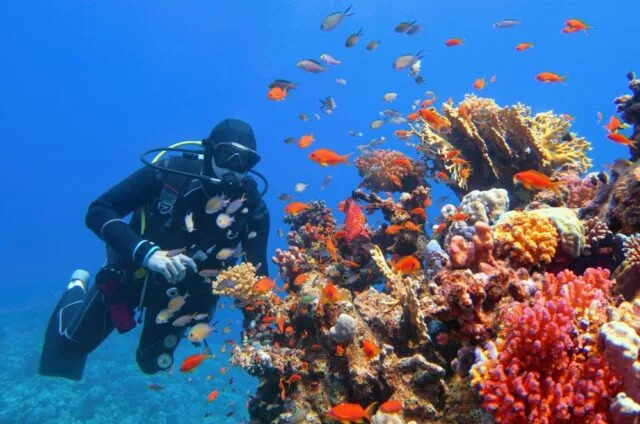
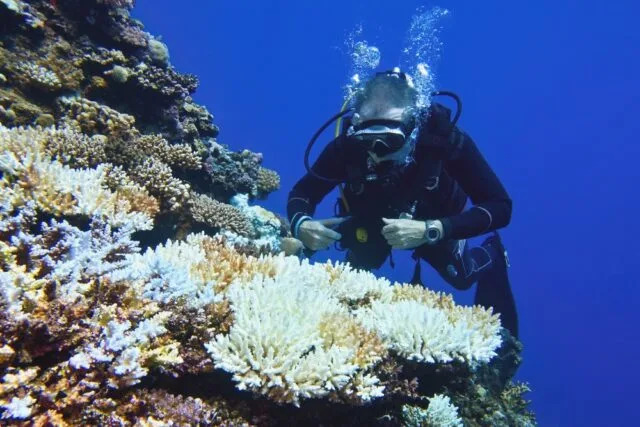
As oceans absorb more CO2, their chemistry changes. Ocean acidification weakens shells and skeletons of corals, shellfish, and many plankton species. At the same time, warming waters cause coral bleaching, stripping reefs of the algae that provide color and nutrients. Reef decline reduces fisheries, coastal protection, and livelihoods for millions of people.
Pollinators and Wildlife on the Decline
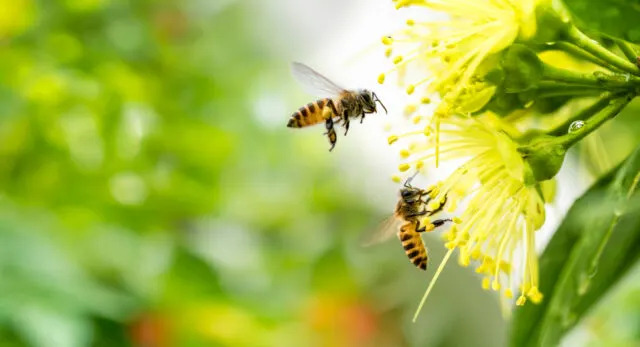
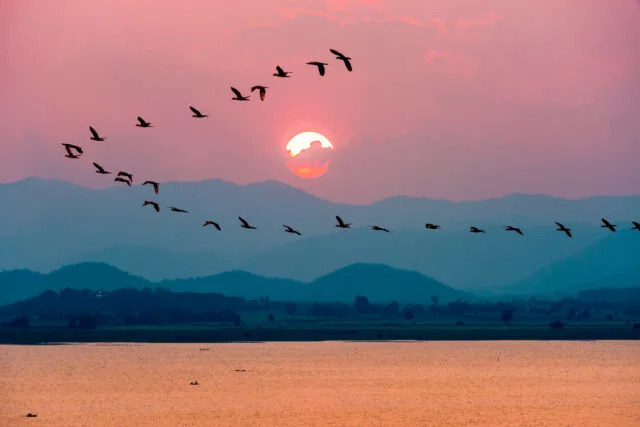
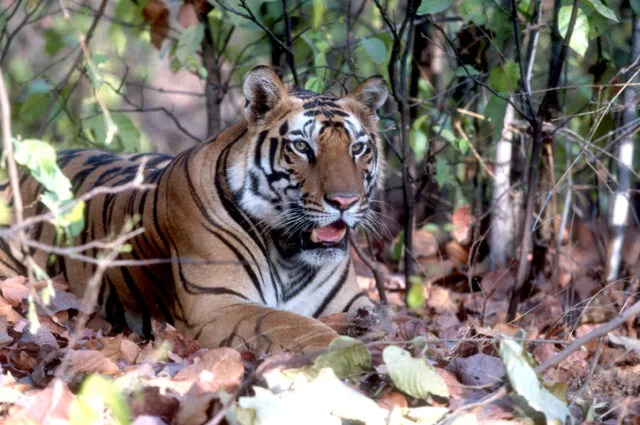
Bees and other pollinators are shrinking in number due to habitat loss, pesticides, disease, and climate stress. The U.S. Geological Survey and other studies show pollinator declines threaten fruit, vegetable, and nut production. Shifts in migration and breeding patterns among birds and other wildlife further illustrate how disrupted climate cues destabilize ecosystems.
Stronger Storms and Societal Impacts
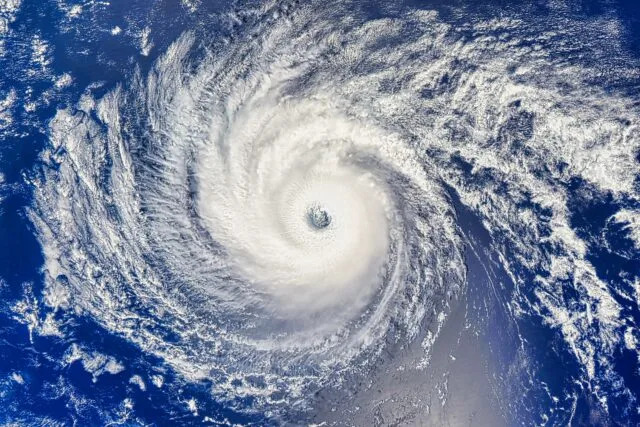
Warmer ocean temperatures are linked to more intense tropical storms and hurricanes — with higher wind speeds and heavier rainfall. The National Oceanic and Atmospheric Administration (NOAA) documents trends toward stronger storms that cause widespread damage to infrastructure, economies, and human lives, often outpacing recovery capacity.
Deforestation, Plastic Pollution, and Extinction
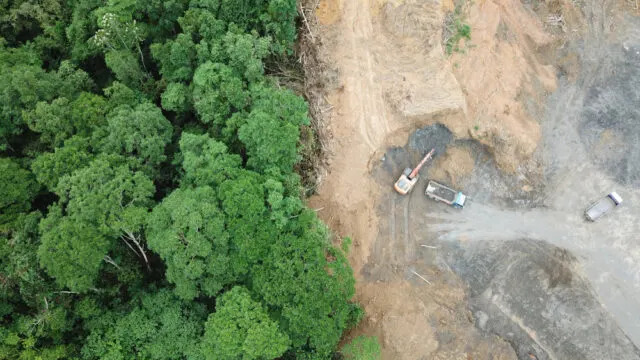
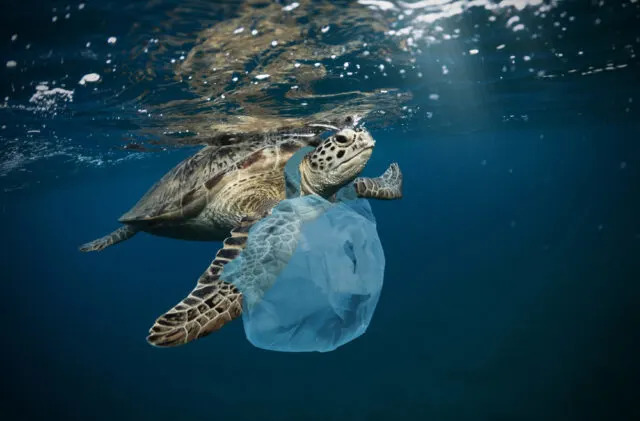
Deforestation for agriculture, logging, and urban expansion removes vital carbon sinks and fragments habitats, increasing the risk of zoonotic disease and biodiversity loss. Plastic pollution persists for centuries, accumulating in oceans and entering food chains as microplastics. Current extinction rates are far above natural background levels — estimates suggest rates up to about 1,000 times higher — undermining ecosystem services humanity depends on.
Algal Blooms and Dead Zones
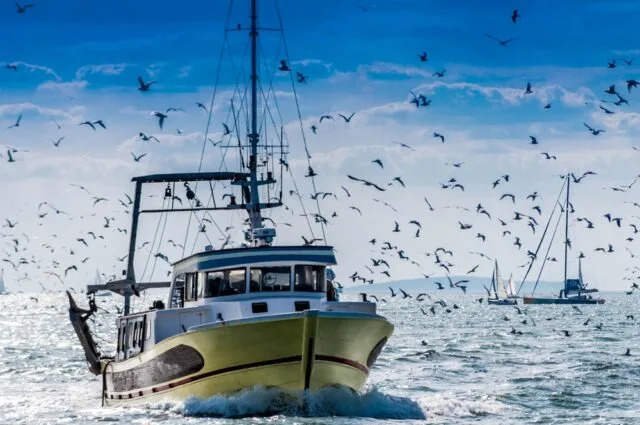
Warmer waters and nutrient runoff from agriculture fuel harmful algal blooms. These events produce toxins, close beaches, harm fisheries, and — as blooms decay — create oxygen-starved dead zones where few organisms can survive. Managing runoff and restoring watersheds are key to reducing these outbreaks.
These trends are interconnected: one change often amplifies others. Scientists urge collective efforts in mitigation, adaptation, and conservation to reduce risks and protect both nature and human communities.
What can be done? Immediate actions include cutting greenhouse gas emissions, protecting and restoring forests and coastal ecosystems, reducing plastic waste, improving agricultural practices to limit runoff, and investing in resilient infrastructure and conservation programs that support pollinators and fisheries.

iStock
Shutterstock
Shutterstock
Shutterstock
Shutterstock
Shutterstock
Shutterstock
Shutterstock
Shutterstock
iStock
iStock
Shutterstock
Similar Articles

Underwater ‘Storms’ Are Eating the Doomsday Glacier — Short‑Lived Eddies May Accelerate Sea‑Level Rise
The study in Nature Geosciences finds fast‑changing submesoscale eddies — “underwater storms” up to ~6 miles wide — intensify...

How Climate Change Is Reshaping Everyday Life — Rising Costs, Health Risks and What to Expect
Climate change — driven mainly by burning coal, oil and gas — is already reshaping everyday life. It raises food and energy c...

Bloomberg TikTok Chart Debunks Climate Myths — 78% Of Land Hit Record Heat In The 21st Century
Bloomberg Opinion posted a TikTok using NASA data that shows 78% of land has hit record-high temperatures in the 21st century...

Shark Diversity Is Collapsing — Scientists Warn of a Future of 'Survival of the Blandest'
The Stanford-led study shows global shark biodiversity is declining, with the most vulnerable species being those with unusua...

Scientists Warn Safeguards Fall Short After Sharp Rise In California Whale Entanglements
NOAA recorded 95 whale entanglements off California in 2024, up from 64 in 2023. Experts link the increase to budget and staf...

Glaciers' Hidden Heartbeat: NASA Study Finds Seasonal 'Pulse' That Intensifies With Warming
NASA JPL researchers Chad Greene and Alex Gardner used 2014–2022 optical and radar satellite data to show that glaciers world...

Amazon Is Shifting Toward a 'Hypertropical' Climate — Mass Tree Losses Could Follow
The Amazon is trending toward a "hypertropical" climate not seen for millions of years, with models projecting roughly 150 ho...

A Wetter, Greener Sahara Could Reshape Global Weather — And Supercharge Hurricane Seasons
New University of Illinois Chicago research finds the Sahara could receive up to 75% more rainfall by 2100, a shift driven by...

UNEP Warns: $8 Trillion a Year Needed to Avoid Climate, Biodiversity and Economic Collapse
The United Nations Environment Programme’s Seventh Global Environment Outlook urges a decisive global policy shift to avoid c...

Marine Species Are Racing Poleward — Climate Change Is Rewriting Ocean Ecosystems
Researchers at the University of the Sunshine Coast report that marine species are shifting poleward at an average of 59 km p...

The Insect Decline Threatening Global Food Supplies — How We Can Stop It
The "windshield test" — fewer insects splattered on car windshields — reflects steep declines in flying insects and pollinato...

Federal Cuts Endanger US Climate Adaptation Science Centers — What’s at Stake for Water, Wildlands and Communities
The U.S. Geological Survey’s nine Climate Adaptation Science Centers provide regionally tailored research and tools that help...

Amazon Floodplain Lakes Reached 41.0 °C in 2023 Drought, Killing Hundreds of Dolphins and Thousands of Fish
During the 2023 Amazon drought, floodplain lakes heated to as high as 41.0 °C (105.8 °F) , killing hundreds of dolphins and t...

New Study Finds Common Crop Sprays Change Bee and Fish Behavior — Wider Ecological Risk
A UFZ study shows that common herbicides and insecticides can change the behaviour of bees and fish, with bees foraging less ...

New Sponge Study Suggests 1.5°C Climate Threshold May Already Be Past — But Experts Urge Caution
A University of Western Australia team used Sr/Ca ratios in long-lived Caribbean sclerosponges to reconstruct sea temperature...