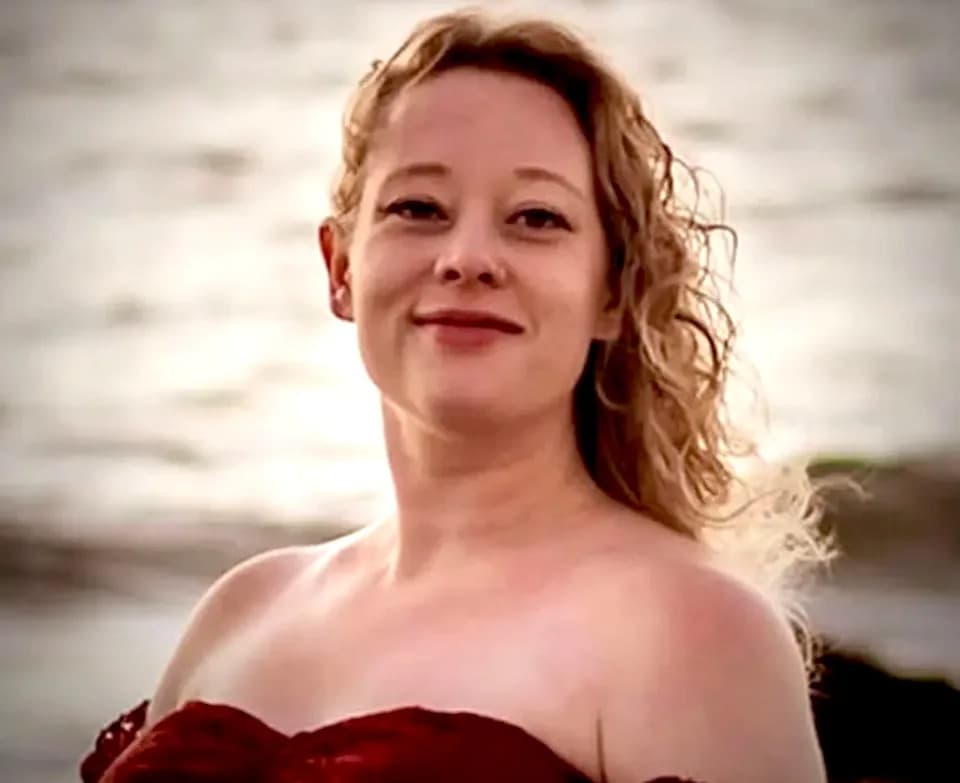
Brigitte Bardot, who died aged 91, was a defining French screen star who later devoted herself to animal welfare while making repeated, controversial political remarks that led to multiple hate-speech convictions. She publicly supported Marine Le Pen and lamented what she called the "Islamisation" of France, though she insisted her primary concern was animal suffering. Bardot's death prompted tributes to her cultural impact and renewed debate over a complicated legacy.
Brigitte Bardot: Film Icon, Animal Rights Activist and Contested Political Figure
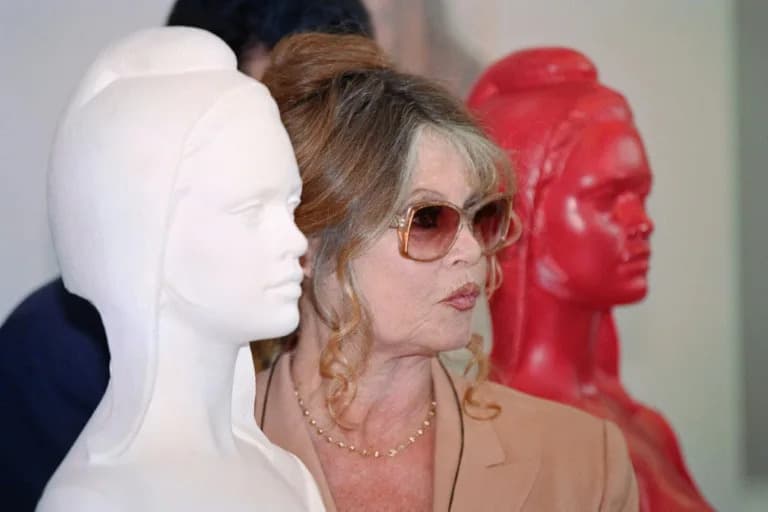
Bardot inspired a representation of the French republic by artist Alain Aslan (Vincent AMALVY)(Vincent AMALVY/AFP/AFP)
Brigitte Bardot, the Paris-born actress whose screen presence helped define an era of French cinema, died on Sunday at the age of 91. Her legacy is complex: she left movies to become a tireless campaigner for animal welfare, yet in later decades she repeatedly provoked outrage and legal sanctions for inflammatory remarks about immigration and Islam.
Celebrity Activism and a Singular Focus on Animals
Bardot appeared in roughly 50 films before retiring from acting to concentrate on animal rights. She founded the Brigitte Bardot Foundation to advocate for animal protection and often criticized French presidents for doing too little on the issue. Bardot also cultivated a symbolic association with France — in the 1960s she posed for a Marianne statue by artist Alain Aslan, a connection later invoked by politicians paying tribute after her death.
Controversy, Convictions and Political Alignment
Despite insisting she did not promote racism — writing in her 2018 memoir Larmes de Combat that she had never asked anyone to be racist — Bardot was convicted several times for hate speech. Many of those legal rulings stemmed from comments she made in the late 1990s and 2000s that critics said conflated violent extremists with ordinary Muslim communities.
In 1997 she wrote that the ritual slaughter of sheep for Eid al-Adha would "stain the soil of France," adding that "One day we'll be slaughtered too," a line widely criticized for appearing to conflate ordinary Muslims with violent actors.
Context fed the controversy: France had recently seen violence linked to Islamist militants, including the 1996 murder of monks in Algeria. Bardot later told Le Monde in 2018 that some of her objections had been misunderstood and that she had been urging the stunning of animals before slaughter to limit suffering.
Politically, Bardot did not remain neutral. She publicly supported Marine Le Pen’s presidential campaigns in 2012 and 2017, praising Le Pen as "the Joan of Arc of the 21st century" and offering strikingly blunt endorsements that endeared her to the far-right. Her fourth husband, Bernard d'Ormale, served as an adviser to Jean-Marie Le Pen, and Bardot was quoted in right-wing debates over issues such as burkinis and national identity.
Broader Remarks and Public Reaction
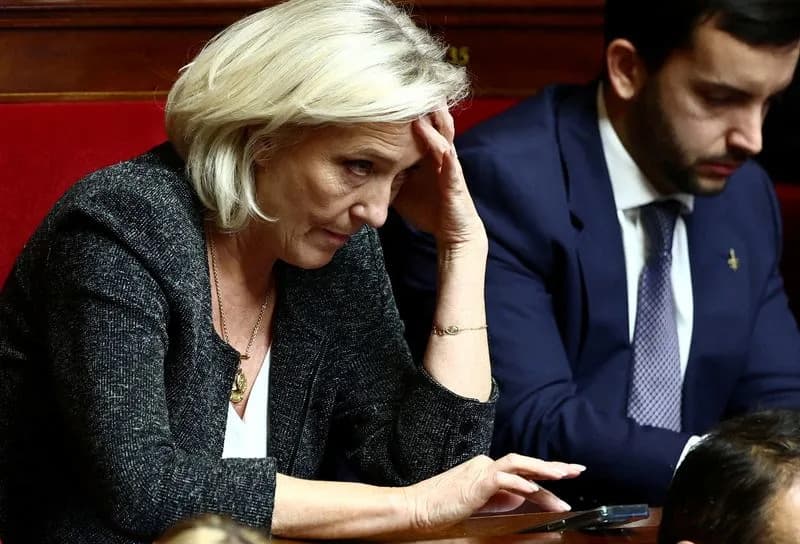
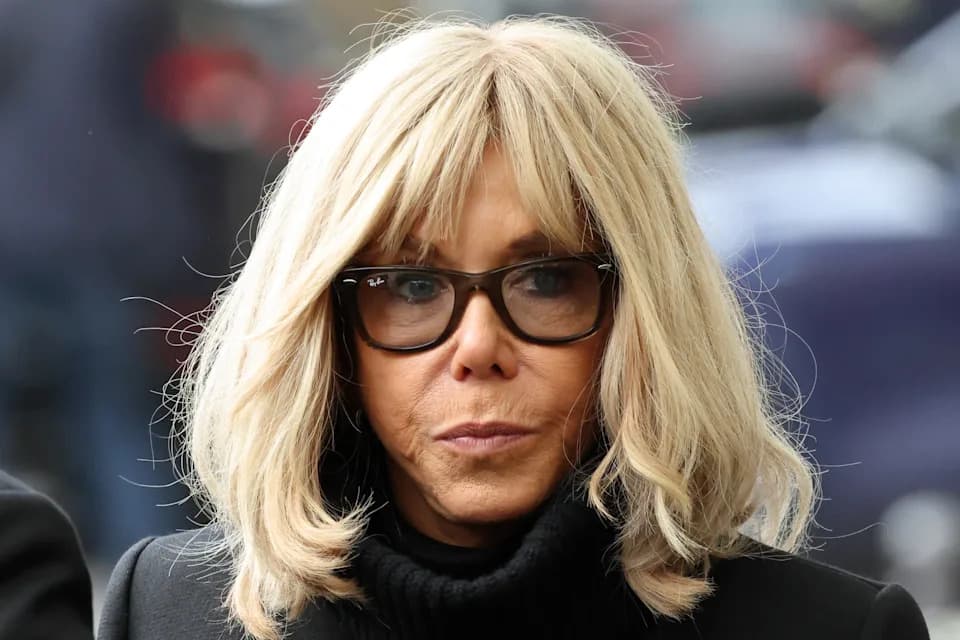
Beyond Islam-related statements, Bardot expressed criticism of movements such as #MeToo and made derogatory remarks about gay and transgender people, further complicating her public image. After her death, figures across France responded: Marine Le Pen praised Bardot's unapologetic persona, Jordan Bardella called her an "ardent patriot," and President Emmanuel Macron paid tribute to her cultural status, referring to her as "the face that became Marianne," while omitting reference to her legal troubles.
How History May Remember Her
Bardot’s life combined cinematic stardom and passionate animal advocacy with remarks that brought repeated legal rebukes and deep public division. Whatever view one takes of her politics, her cultural imprint is enduring: a screen icon who spent her later years lobbying for animals — and who, by her own choice and by public reaction, remained a deeply polarizing figure.
Help us improve.