
Anti-immigrant rhetoric and tougher migration policies have grown across the U.K. and Europe as right-wing parties gain ground and mainstream parties shift right to compete. Hate crimes and large demonstrations against asylum-seekers have risen, and social media and international political signals — including comments from U.S. President Donald Trump — have amplified divisive messages. Human rights advocates warn that concessions to the far right risk producing ever-more-extreme demands and fueling social fragmentation.
Anti-Immigrant Rhetoric And Harsher Migration Policies Surge Across Europe

FILE - Protesters wave a Union Flag during a demonstration in Orpington near London, Friday, Aug. 22, 2025 as the dilemma of how to house asylum-seekers in Britain got more challenging for the government after a landmark court ruling this week motivated opponents to fight hotels used as accommodation. (AP Photo/Alberto Pezzali, File)(ASSOCIATED PRESS)
In the past year, anti-immigrant rhetoric and policies have sharpened across the U.K. and wider Europe. Tens of thousands marched in London chanting "send them home," senior politicians and lawmakers have used divisive language about race, and several mainstream parties have shifted toward tougher migration measures as right-wing parties gain traction.
Europe Is Experiencing Growing Division
Immigration has risen in parts of Europe over the last decade, in part because millions of asylum-seekers have fled conflicts in Africa, the Middle East and Ukraine. Experts note, however, that asylum-seekers remain a small portion of total migration. Growing hostility toward diversity reflects a mix of causes: stagnant wages and economic uncertainty since the 2008 financial crisis, the appeal of charismatic nationalist leaders, and the polarizing effects of social media.
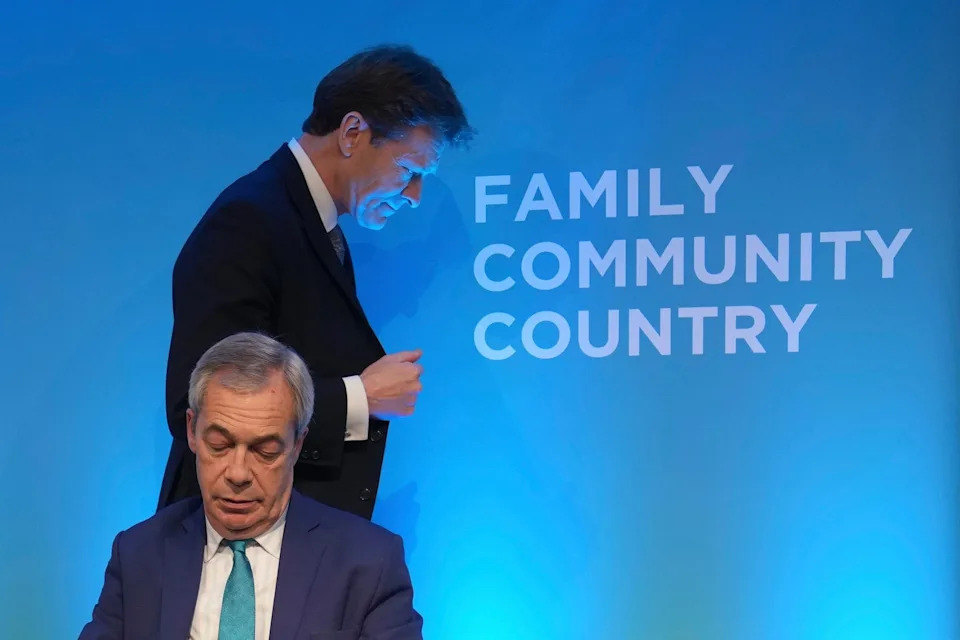
FILE - Reform UK leader Nigel Farage, front, and deputy leader Richard Tice attend a news conference on the economy and renewable energy, in London, Wednesday, Feb. 12, 2025. (AP Photo/Kin Cheung, File)(ASSOCIATED PRESS)
Bobby Duffy, director of the Policy Unit at King’s College London, warned of "a frightening increase in the sense of national division and decline," which can push voters toward political extremes. The trend, he said, deepened after the financial crisis, through the Brexit debate and during the COVID-19 pandemic.
Social platforms — notably X — have amplified divisive content. Observers say the platform's algorithms and some high-profile endorsements have boosted far-right messages across borders.
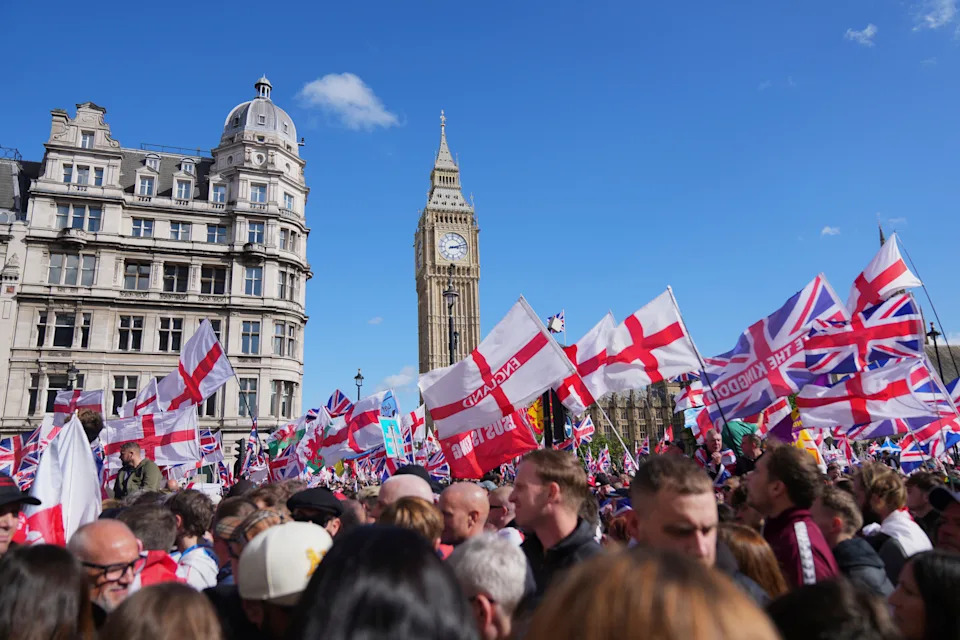
FILE - People demonstrate during the Tommy Robinson-led Unite the Kingdom march and rally, in London, Saturday Sept. 13, 2025. (AP Photo/Joanna Chan, File)(ASSOCIATED PRESS)
Racist Rhetoric And Hate Crimes Are Rising
Hardline anti-immigrant language has moved from the fringes into mainstream debate. In Britain, a Reform UK lawmaker complained that advertisements were "full of Black people, full of Asian people," and a Conservative spokesman said he "didn’t see another white face" in a part of Birmingham — remarks that drew criticism but did not force resignations.
Those targeted by this rhetoric report more threats and abuse. Black British lawmaker Dawn Butler says online vitriol against her has "increased drastically, and has escalated into death threats." Official data show police in England and Wales recorded more than 115,000 hate crimes in the year to March 2025, a 2% rise on the previous 12 months.
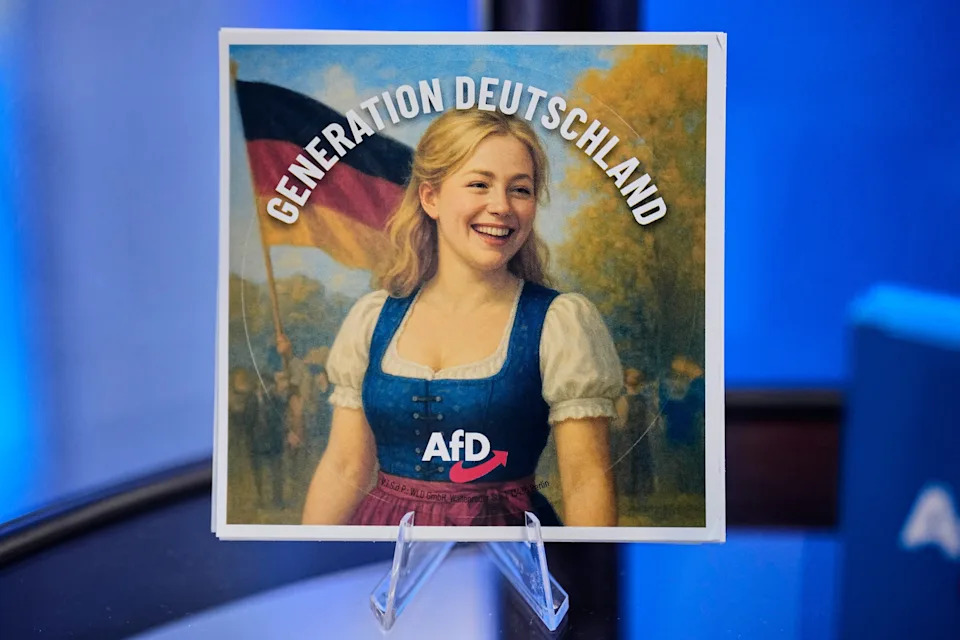
FILE - Stickers are offered at the re-founding of the AfD youth organization in Giessen, Germany, early Saturday, Nov. 29, 2025. (AP Photo/Martin Meissner, File)(ASSOCIATED PRESS)
Violence and unrest have followed misinformation and inflammatory claims. In July 2024, anti-immigrant and anti-Muslim violence flared in Britain after three girls were killed at a Taylor Swift–themed class, amid online falsehoods misidentifying the U.K.-born attacker as a migrant. In Ireland and the Netherlands, proposals to open asylum centers prompted street protests, sometimes turning violent.
Mainstream Parties Move Right To Outflank The Far Right
Right-wing parties that favor mass deportations and portray immigration as a threat to national identity — including Reform UK, Germany’s Alliance for Germany, and France’s National Rally — are polling strongly in several countries. In response, many mainstream parties have adopted tougher policies to outflank these challengers.
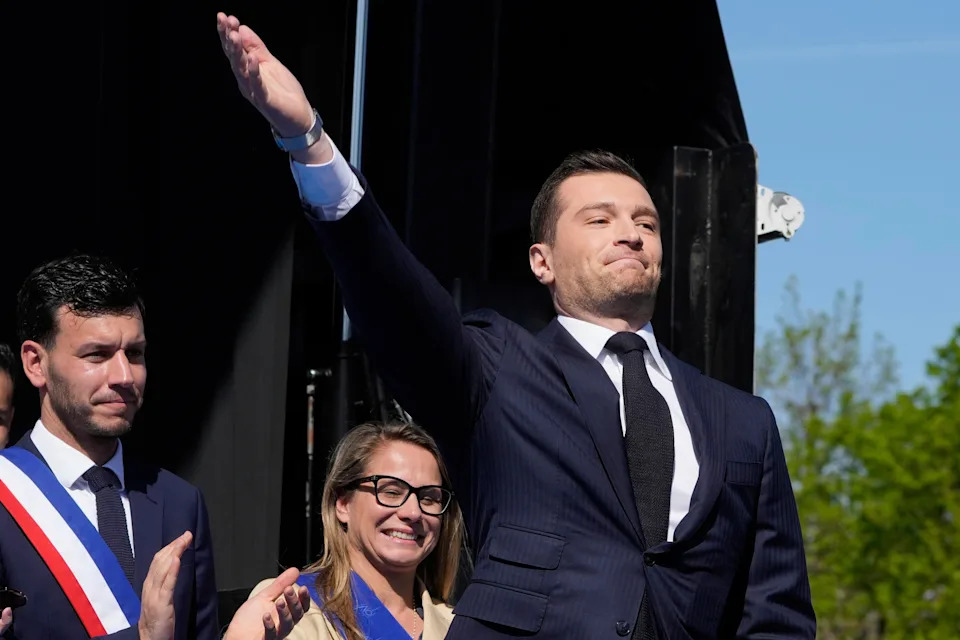
FILE - The leader of France's National Rally (RN) Jordan Bardella arrives as he attends at the French far-right party national rally near the parliament in support of Marine Le Pen in Paris, Sunday, April 6, 2025. (AP Photo/Michel Euler, File)(ASSOCIATED PRESS)
Reform UK says it would strip permanent-resident status from some immigrants even after decades in the U.K.; the Conservatives have proposed removing British citizenship from dual nationals convicted of crimes. Britain’s Labour government has tightened settlement rules and pointed to Denmark — which has reduced asylum applications after imposing short-term residence rules — as a model.
International Echoes And Political Signals
Observers say U.S. President Donald Trump’s blunt rhetoric — including a recent remark labeling Somali immigrants as "garbage" — and the U.S. national security strategy framing Europe as vulnerable to "economic decline" and "civilizational erasure" have helped legitimize and embolden far-right sentiments in Europe. National Rally leader Jordan Bardella said he largely agreed with concerns that mass immigration is "shaking the balance of European countries."
"For every inch yielded, there’s going to be another inch demanded," said Michael O’Flaherty, Council of Europe human rights commissioner, warning that concessions to anti-immigrant forces can produce ever-more-extreme demands.
Calls For Calmer, Responsible Rhetoric
Many commentators and human rights advocates urge politicians to avoid rhetoric that stokes division. Critics have also accused centrist leaders of echoing far-right language: British Prime Minister Keir Starmer drew criticism for saying Britain risked becoming an "island of strangers," language he later regretted, while Germany’s Chancellor Friedrich Merz faced backlash for comments about the country’s "Stadtbild" — a complaint some said implied people who "don’t look German" did not belong.
Merz later stressed the economic need for immigration, noting that sectors such as health care would struggle without migrant workers. Analysts say responsible political language matters, but they caution that the perception that divisiveness yields political gains has taken hold.
Associated Press writers Mike Corder in The Hague, John Leicester in Paris, Suman Naishadham in Madrid, Sam McNeil in Brussels and Kirsten Grieshaber in Berlin contributed to this report.


