The US carried out surprise strikes in Sokoto state, northwest Nigeria, but Washington and Abuja gave differing accounts about the targets and results. Nigerian officials later identified ISIS-linked fighters, Lakurawa militants and "bandit" gangs among those targeted, though casualties and exact affiliations remain unconfirmed. Former President Trump claimed credit and said he delayed the strikes to coincide with Christmas; damage to nearby villages from falling debris was reported. Analysts question why the northwest was struck and point to lingering doubts about munitions and intent.
Confusion and Diplomatic Fallout After US Strikes on Militants in Northwest Nigeria

Offa was one of the areas hit by what the information minister said were debris from the strikes (Abiodun Jamiu)(Abiodun Jamiu/AFP/AFP)
Immediately after surprise US strikes targeting militants in northwest Nigeria, Washington and Abuja offered differing accounts of what was hit, leaving uncertainty over which armed groups — if any — were struck and who suffered casualties.
Official Accounts Differ
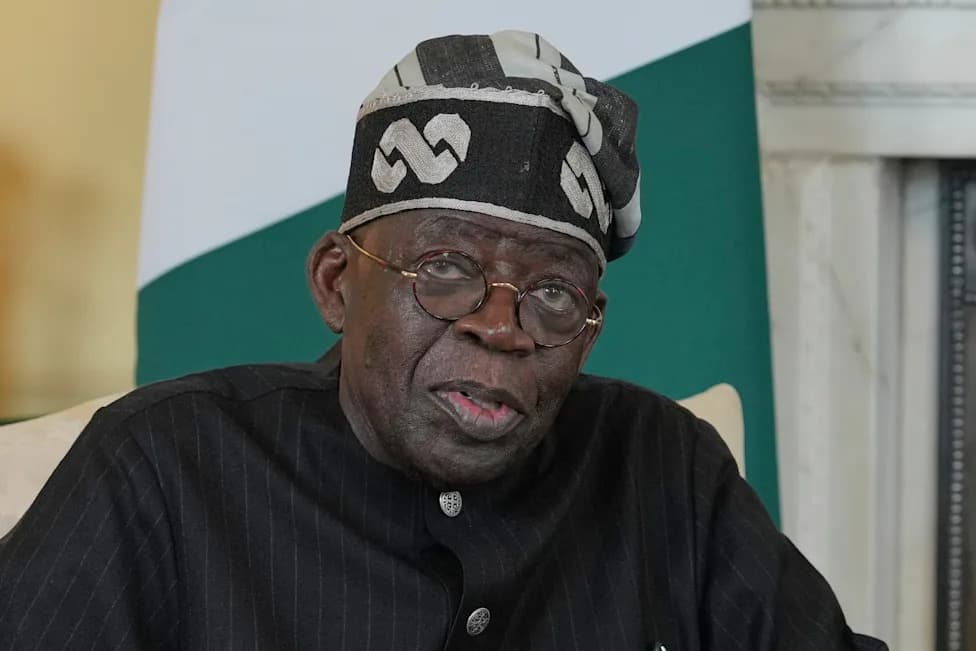
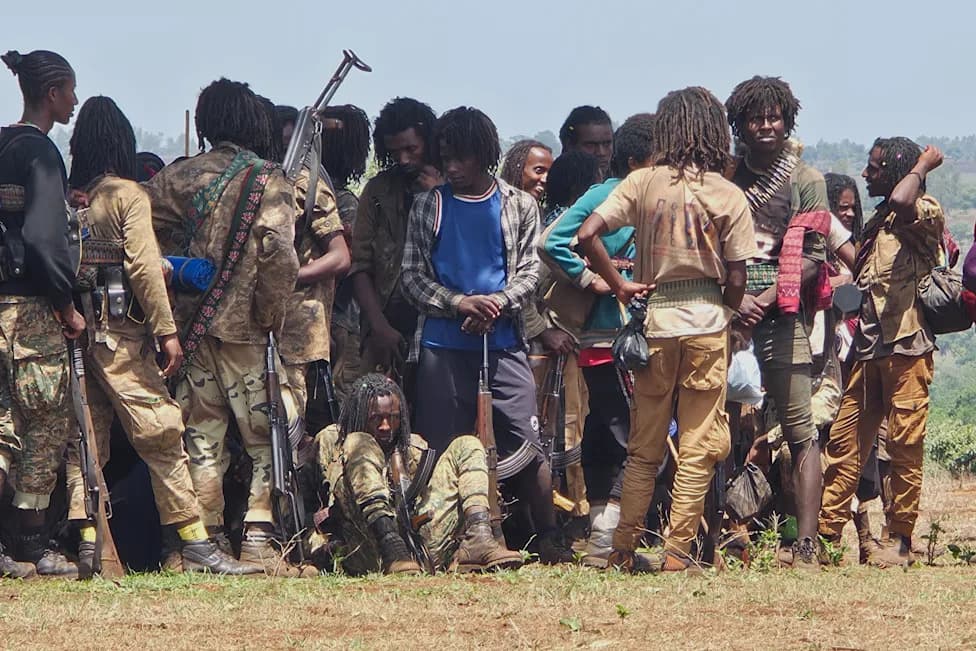
Nigerian Information Minister Mohammed Idris said the strikes "targeted ISIS elements attempting to penetrate Nigeria from the Sahel corridor," while President Bola Tinubu's spokesman, Daniel Bwala, later told AFP the operation hit Islamic State-linked fighters who were allegedly coordinating with the Lakurawa jihadist group and local "bandit" gangs. Bwala said all three groupings were targeted and that there were casualties, but he did not specify victims' identities or affiliations.
"Twenty-four hours after the bombing, neither Nigeria nor its so-called 'international partners' can provide clear, verifiable information about what was actually struck,"
— Omoyele Sowore, activist and former presidential candidate
Trump's Role and The Timing
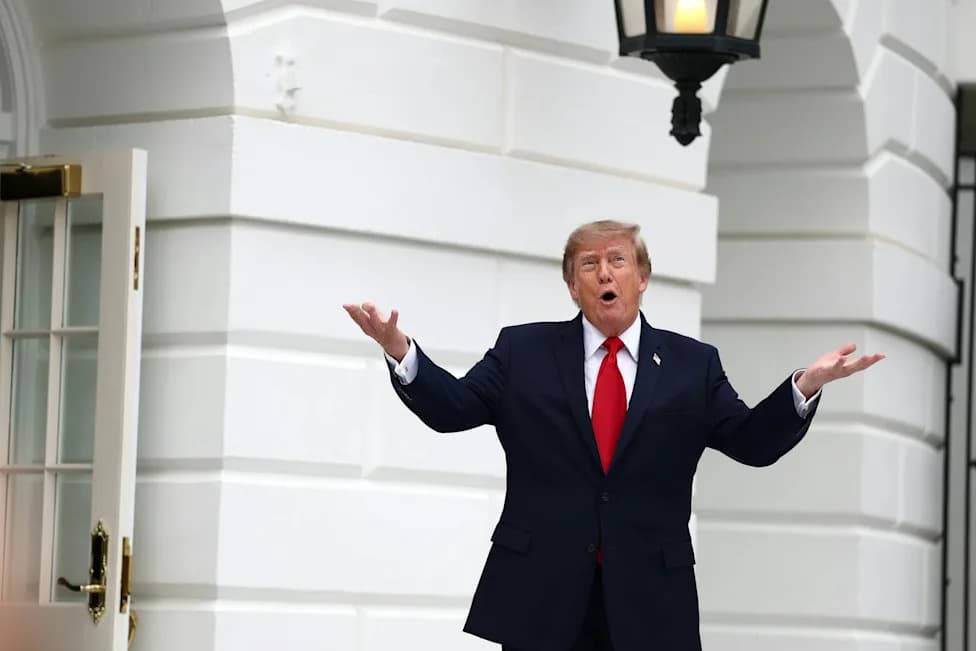
Former US President Donald Trump publicly took credit for the strikes and told Politico he had delayed the operation to "give a Christmas present," comments that stirred concern in Nigeria about sovereignty and the symbolic framing of the attack. Nigerian officials insist the strikes were a joint operation, saying President Tinubu gave approval and that Nigeria provided intelligence. Nigeria's foreign minister, Yusuf Tuggar, said a joint statement had been agreed with the US but that Washington released its own statement first.
Damage, Munitions And Delivery Dispute
Officials reported damage to villages outside the strike sites caused by falling debris. AFP images from Offa in neighbouring Kwara state showed collapsed buildings and scattered belongings, and residents in Jabo town, Sokoto state, described surprise from explosions they said were caused by debris.
Accounts of the weapons and platforms used vary. The US military released video appearing to show a naval vessel launching missiles; Idris said strikes were "launched from maritime platforms domiciled in the Gulf of Guinea." He also stated that "a total of 16 GPS-guided precision munitions were deployed using MQ-9 Reaper" drones. Which of these descriptions — or what combination — accurately reflects the attack remains unclear.
Why The Northwest?
Analysts questioned the choice of Sokoto in the northwest because Nigeria's most active jihadist insurgency is concentrated in the northeast. Some researchers suggest links between parts of Lakurawa — the principal jihadist group active in Sokoto state — and Islamic State Sahel Province (ISSP), but other analysts dispute those connections.
Concerns And Next Steps
Critics argue the lack of clear, verifiable details, the disputed diplomatic communications, and the reported decision to time the strike for Christmas feed perceptions that the operation prioritized symbolism over clear tactical results. Both Washington and Abuja have said further strikes remain possible as they continue to pursue IS-linked networks in the region.
Help us improve.