A Russian lieutenant general, Fanil Sarvarov, was killed when an explosive device detonated under his car in Moscow. Investigators said one line of inquiry points to Ukrainian intelligence but are pursuing multiple leads and have not publicly confirmed responsibility. The killing is the third high-ranking military death in roughly a year, following the Dec. 17, 2024 scooter bomb that killed Lt. Gen. Igor Kirillov and an April car bombing that killed Lt. Gen. Yaroslav Moskalik.
Russian Lieutenant General Killed by Car Bomb in Moscow; Ukraine Named as One Lead by Investigators

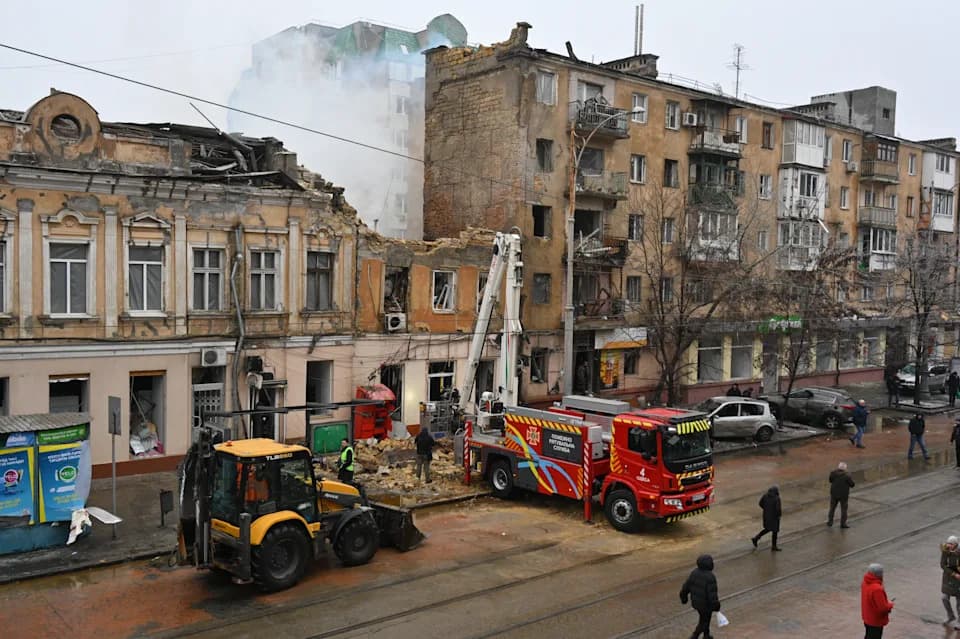
This image taken from video provided by Investigative Committee of Moscow on Monday, Dec. 22, 2025, shows the scene where Lt. Gen. Fanil Sarvarov, head of the Operational Training Directorate of the Russian Armed Forces General Staff, was killed by an explosive device placed under his car in Moscow. (Investigative Committee of Moscow via AP)(ASSOCIATED PRESS)
A senior Russian officer, Lt. Gen. Fanil Sarvarov, died Monday after an explosive device detonated beneath his car in Moscow, Russian authorities said. The Investigative Committee—Russia’s top criminal probe agency—said investigators are pursuing multiple lines of inquiry, including a possible link to Ukrainian intelligence.
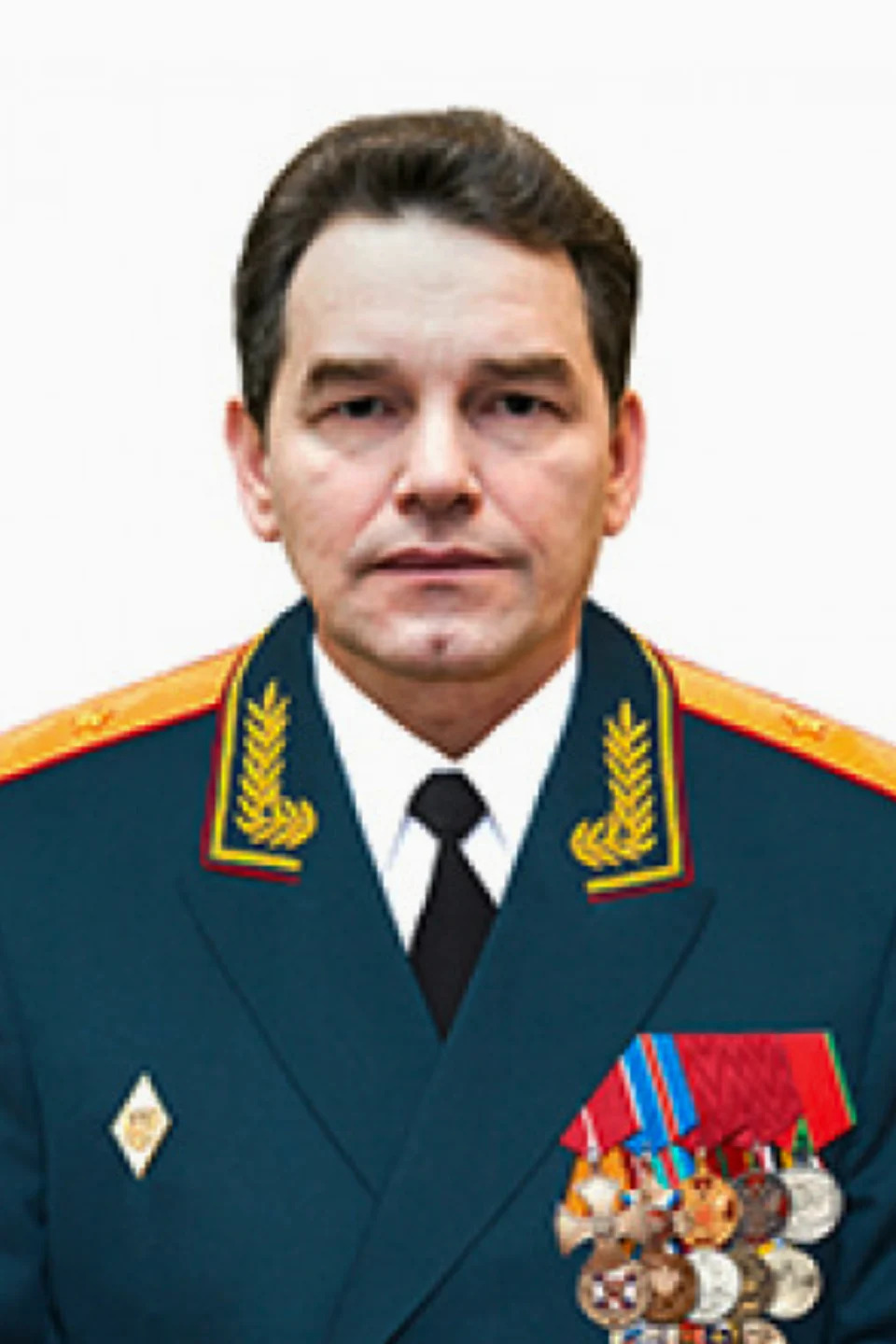
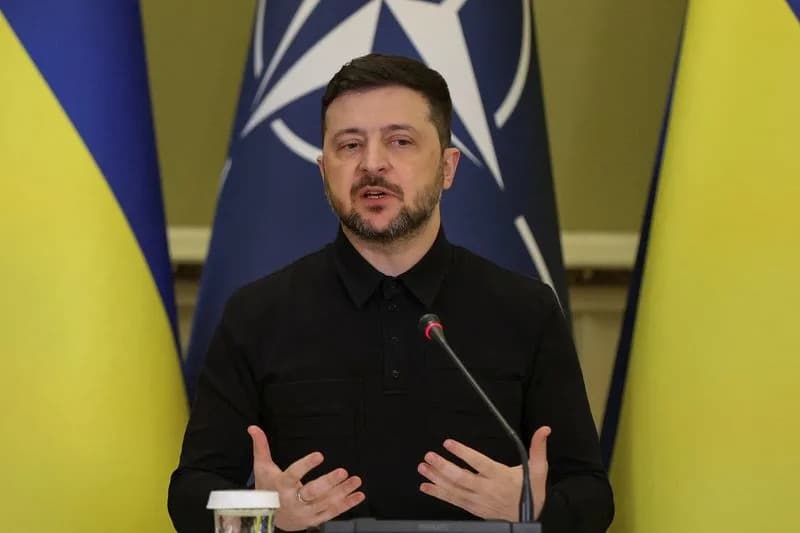
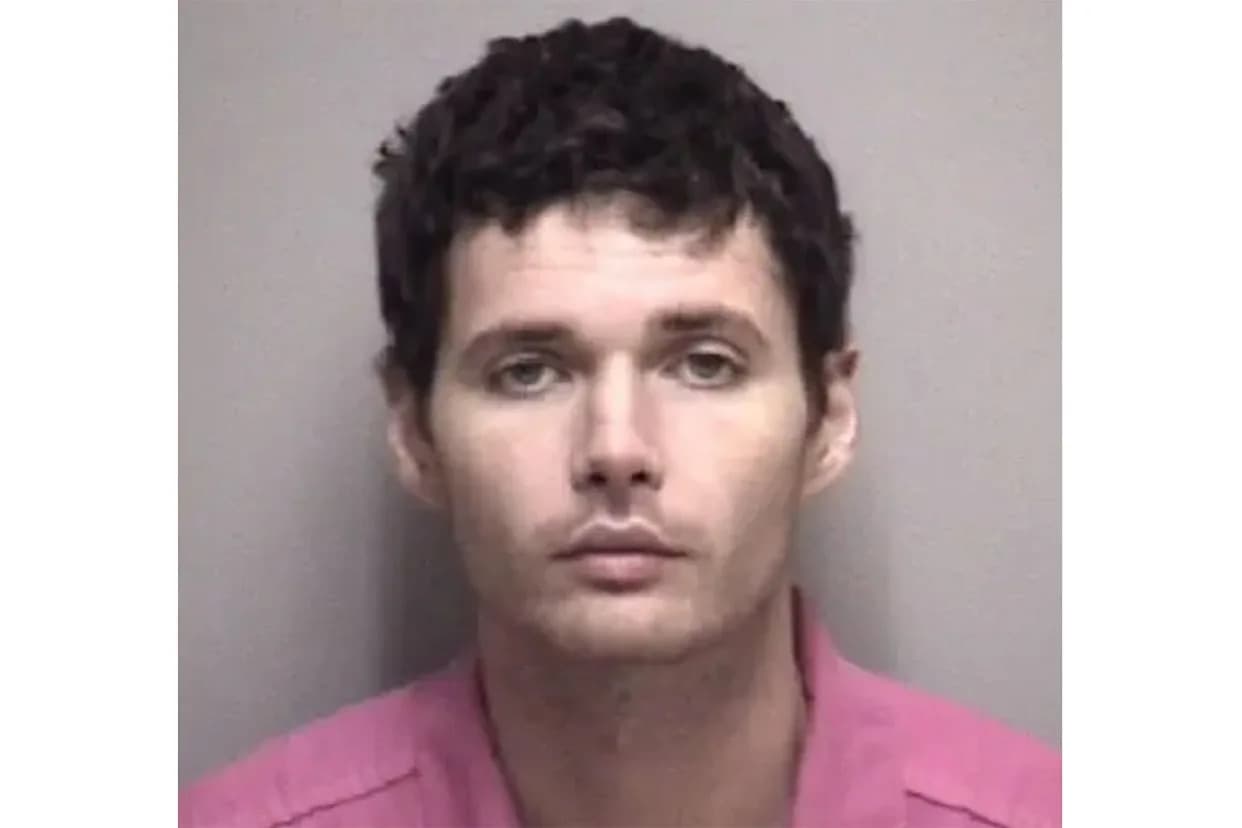
This undated image provided by Russian Defense Ministry Press Service on Monday, Dec. 22, 2025, shows Lt. Gen. Fanil Sarvarov, head of the Operational Training Directorate of the Russian Armed Forces General Staff, who was killed Monday morning after an explosive device detonated under his car in southern Moscow. (Russian Defense Ministry Press Service via AP)(ASSOCIATED PRESS)
Who Was Killed
Lt. Gen. Fanil Sarvarov led the Operational Training Directorate within the General Staff of the Russian Armed Forces. The Defense Ministry said Sarvarov had combat experience in Chechnya and served in Russia’s campaign in Syria.
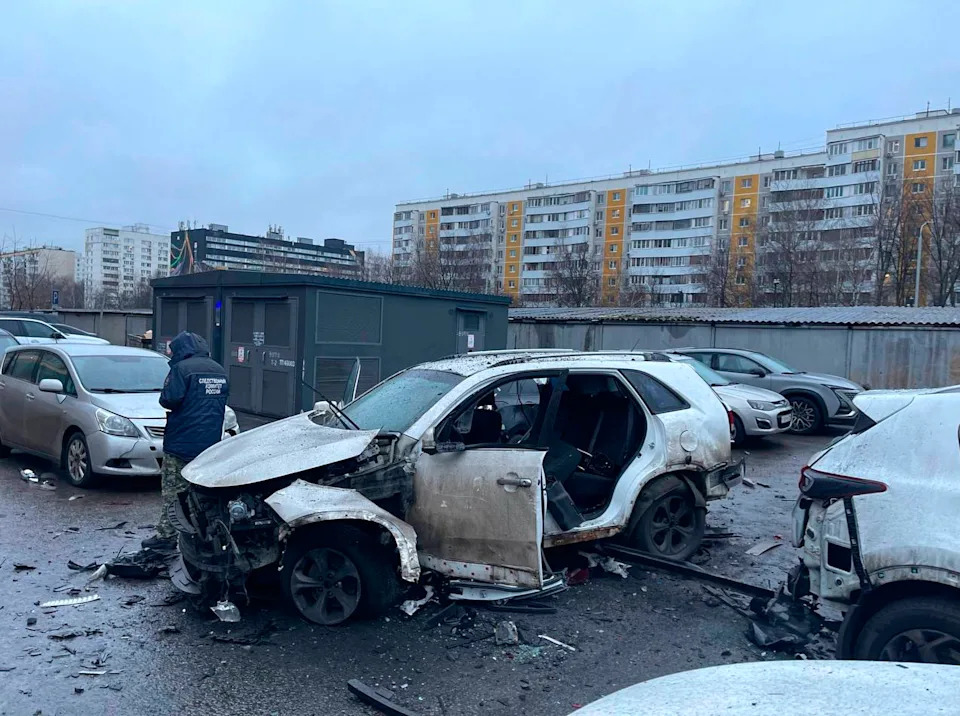
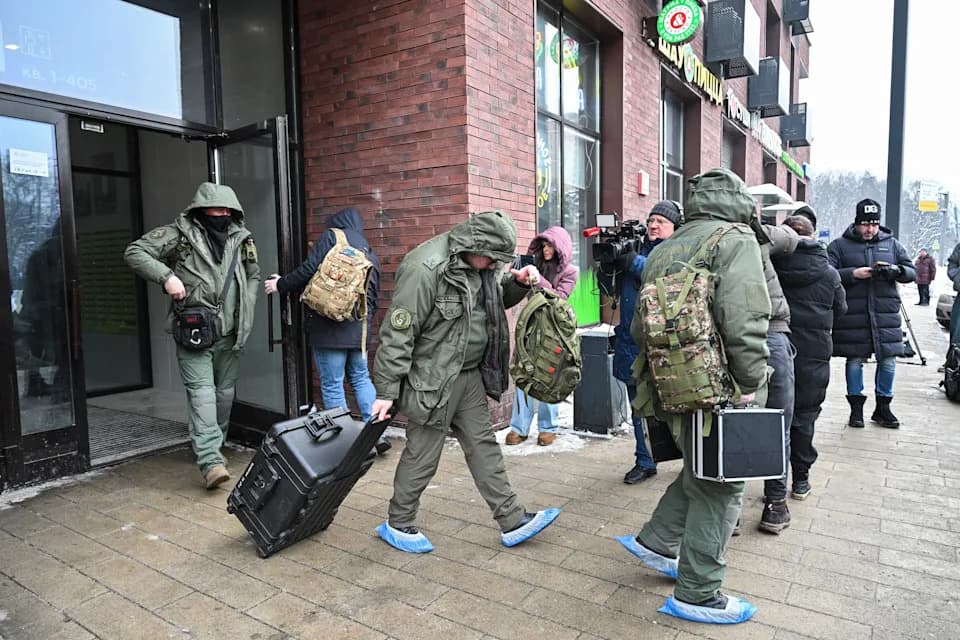
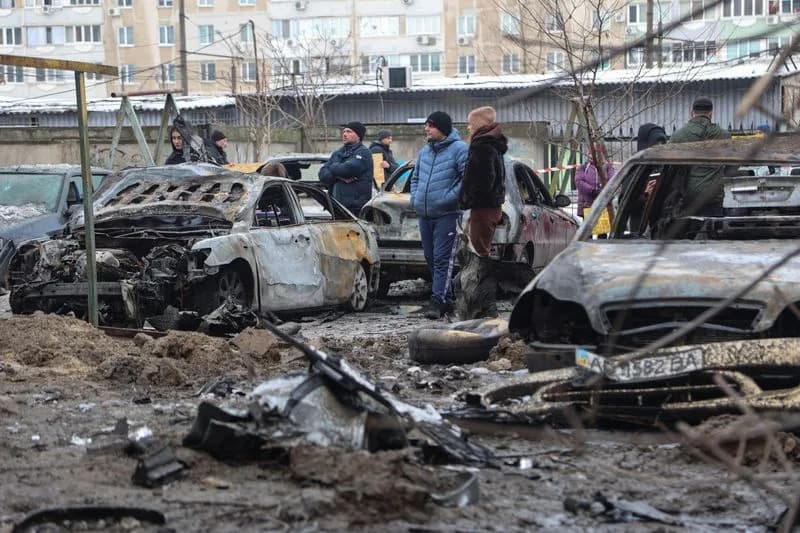
This photo provided by Investigative Committee of Moscow on Monday, Dec. 22, 2025, shows an investigator working at the scene where Lt. Gen. Fanil Sarvarov, head of the Operational Training Directorate of the Russian Armed Forces General Staff, was killed by an explosive device placed under his car in Moscow. (Investigative Committee of Moscow via AP)(ASSOCIATED PRESS)
Official Response
Svetlana Petrenko, the Investigative Committee spokesperson, said the probe includes several hypotheses and explicitly named Ukrainian intelligence as one possible orchestrator. Kremlin spokesman Dmitry Peskov said President Vladimir Putin was informed immediately.
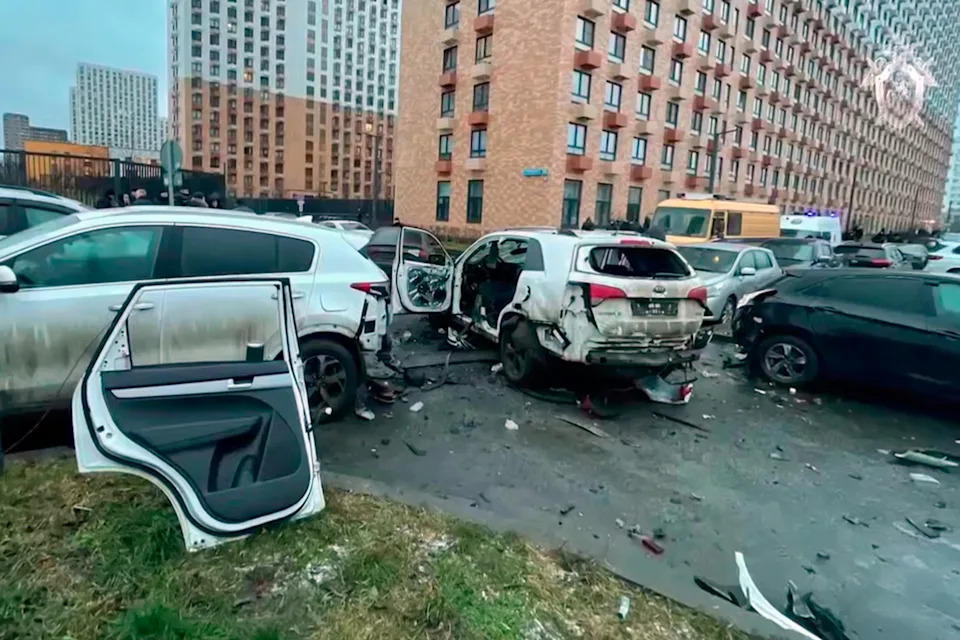
This image taken from video provided by Investigative Committee of Moscow on Monday, Dec. 22, 2025, shows the scene where Lt. Gen. Fanil Sarvarov, head of the Operational Training Directorate of the Russian Armed Forces General Staff, was killed by an explosive device placed under his car in Moscow. (Investigative Committee of Moscow via AP)(ASSOCIATED PRESS)
Context And Previous Attacks
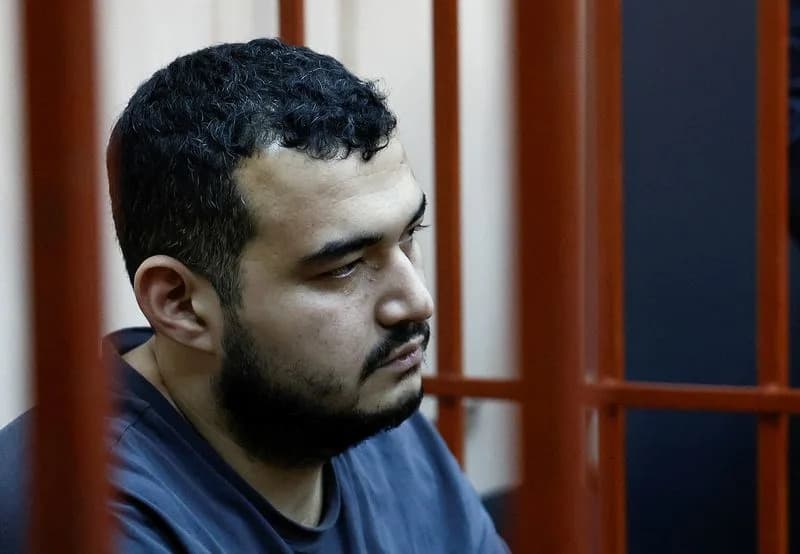
Russian officials pointed to two earlier high-profile killings of senior officers over the past year. On Dec. 17, 2024, Lt. Gen. Igor Kirillov, head of the military’s nuclear, biological and chemical protection forces, was killed by a bomb concealed on an electric scooter outside his apartment; Ukraine’s security service (SBU) later claimed responsibility, and an Uzbek national was arrested and charged in connection with the attack. In April, Lt. Gen. Yaroslav Moskalik, a deputy head of the General Staff’s main operational department, was killed by an explosive placed in his parked car; a suspect was detained in that case.

Policemen secure the area near the scene where Lt. Gen. Fanil Sarvarov, head of the Operational Training Directorate of the Russian Armed Forces General Staff, was killed by an explosive device placed under his car in Moscow, Monday, Dec. 22, 2025. (AP Photo)(ASSOCIATED PRESS)
Note on Attribution
At present, the claim that Ukraine was behind the latest attack comes from Russian authorities as a line of inquiry; independent confirmation of responsibility or motive has not been publicly established.
What Happens Next
Investigators have said they will follow multiple leads as they examine forensic evidence, surveillance footage and possible links to previous attacks. The case is likely to heighten tensions between Moscow and Kyiv and to prompt further security reviews within Russia’s military and domestic agencies.
Help us improve.