The eastern DRC continues to see civilians maimed by renewed fighting after the M23 offensive. David Muhire, 25, lost his right arm and leg when an explosive detonated while he grazed cattle near Bwiza in North Kivu. ICRC-supported centres have treated over 800 weapon- and mine-injury patients this year, with more than 400 at Goma's Shirika la Umoja centre, which produces prosthetics despite chronic shortages. Staff report that roughly 80% of current amputations are from bullet wounds—an increase that underscores the conflict's escalating humanitarian toll.
Eastern DR Congo Amputees Face Life-Altering Toll After M23 Offensive

A patient tests her new prosthesis at the Shirika la Umoja centre in Goma (Jospin Mwisha)(Jospin Mwisha/AFP/AFP)
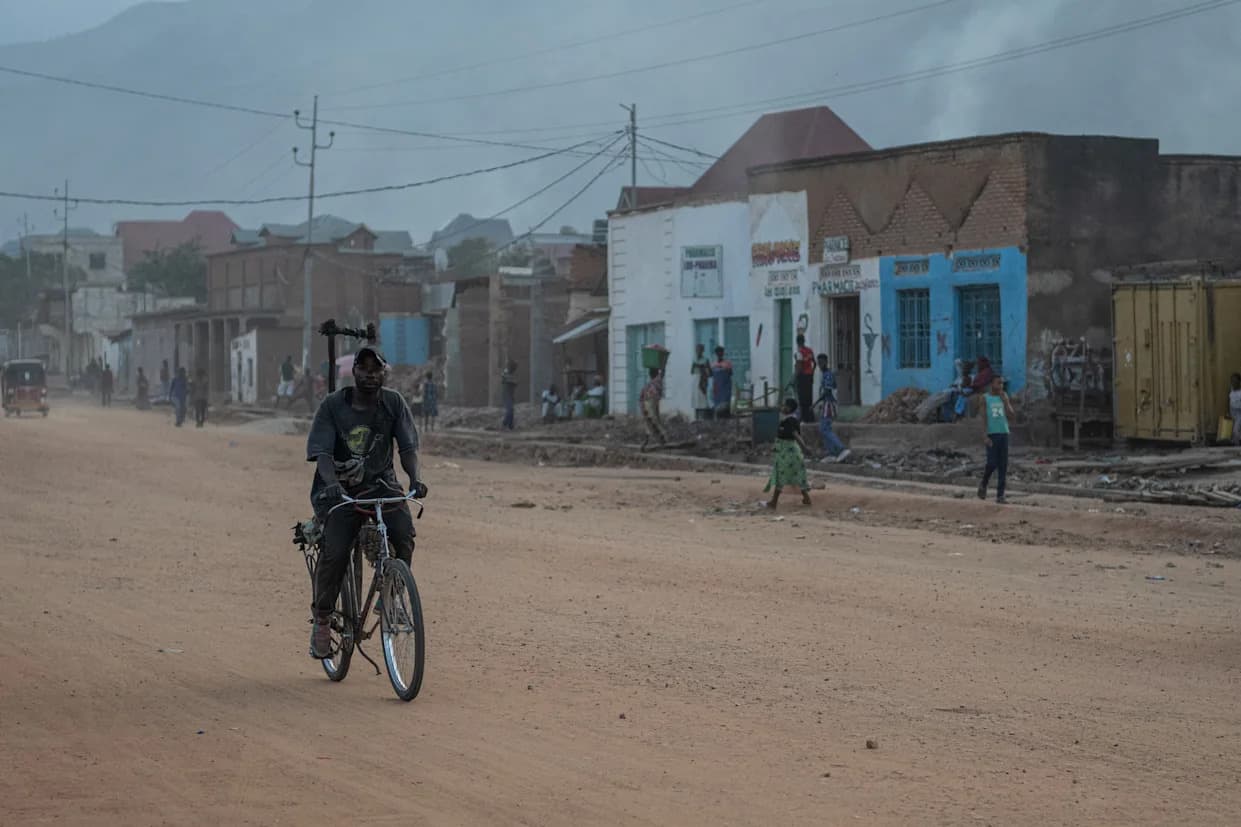
They survived the blasts and gunfire, but many in eastern Democratic Republic of Congo now bear permanent physical scars after the M23 rebel offensive that swept through cities such as Goma nearly a year ago.
David Muhire, 25, lies on a woven rug at the Shirika la Umoja rehabilitation centre in Goma as a caregiver straps weights to his thigh to rebuild strength. Muhire lost his right arm and right leg when an explosive device detonated while he was grazing cattle near Bwiza in Rutshuru territory, North Kivu province. The blast also killed a fellow farmer.
A Surge In Severe Injuries
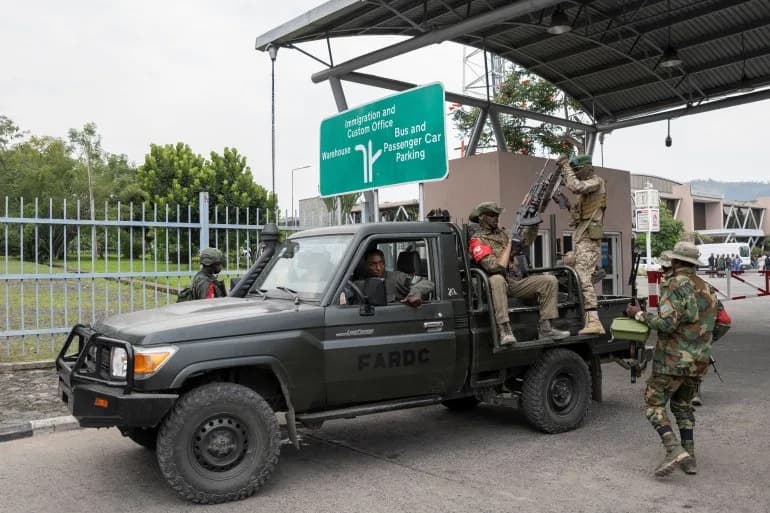
The Rwanda-backed M23, one of several armed groups operating in the mineral-rich east, has intensified violence that stretches back decades and is partly rooted in the fallout from the 1994 Rwanda genocide. Earlier this year the group launched a rapid offensive that captured key provincial capitals and pushed into outlying villages, leaving thousands dead and many more wounded.
Despite a US-brokered peace agreement signed in Washington on December 4, clashes have continued: days after the deal, M23 advanced toward the strategic border city of Uvira on the frontier with Burundi.
Rehabilitation Under Strain
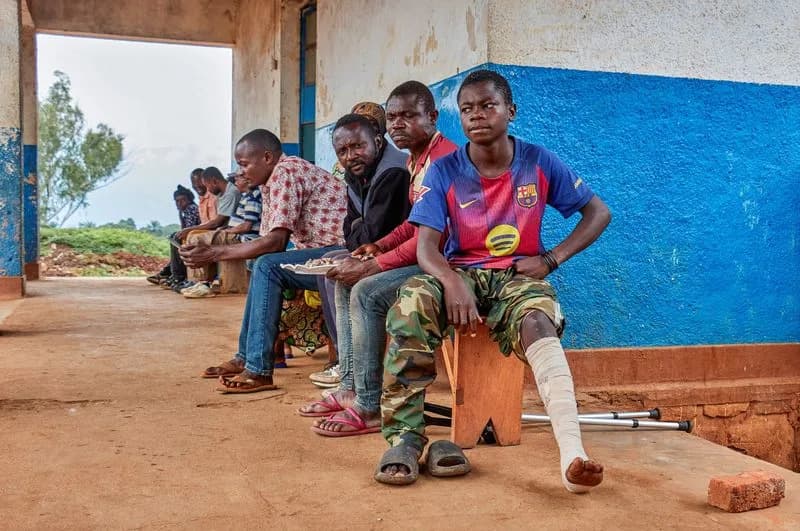
Centers supported by the International Committee of the Red Cross (ICRC) in the eastern DRC have treated more than 800 people this year for wounds from weapons, mines or unexploded ordnance. More than 400 of them have been admitted to the Shirika la Umoja centre in Goma, which specialises in care and prosthetics for amputees.
"We will be receiving prosthetics and we hope to resume a normal life soon," Muhire said as he underwent treatment.
The Shirika la Umoja facility—established around 60 years ago by a Belgian Catholic association—has an on-site workshop that produces prostheses, splints and braces. Technicians reconstruct hands, feet and whole limbs using metal bars, pins and molded plastic components. Plastic sheets are softened in an oven, shaped to fit and then cooled to form sockets and braces.
However, the centre frequently lacks the materials and qualified technicians it needs. Each fresh wave of fighting sends new patients to its doors: according to administrator Sylvain Syahana, roughly 80% of the centre's current patients undergo amputation as a result of bullet wounds, compared with about half two decades ago.
Long-Term Consequences
Therapists and prosthetists say that beyond immediate medical care, patients require long-term support—physical rehabilitation, durable prosthetics, psychological care and livelihoods assistance—to rebuild their lives. Children and adults alike are shown pedalling adapted bicycles, learning to walk with plastic legs or relearning everyday movements.
As the conflict endures, humanitarian workers warn that the scale and severity of injuries will continue to rise unless violence subsides and rehabilitation services receive sustained resources and staffing.
Help us improve.