The Justice Department's partial release of Jeffrey Epstein files includes a 1996 FBI complaint that Maria Farmer's attorney says confirms an early report by Farmer. The document alleges Epstein stole photos of underage girls and threatened the complainant, and it is stamped September 3, 1996. Survivors say the DOJ's online 'Epstein Library' is hard to navigate and many have been unable to find records that validate their reports. Advocates are pressing for clearer disclosure about what investigators did after early complaints were filed.
Partial DOJ Release Confirms 1996 Epstein Complaint by Maria Farmer — Survivors Frustrated by Gaps

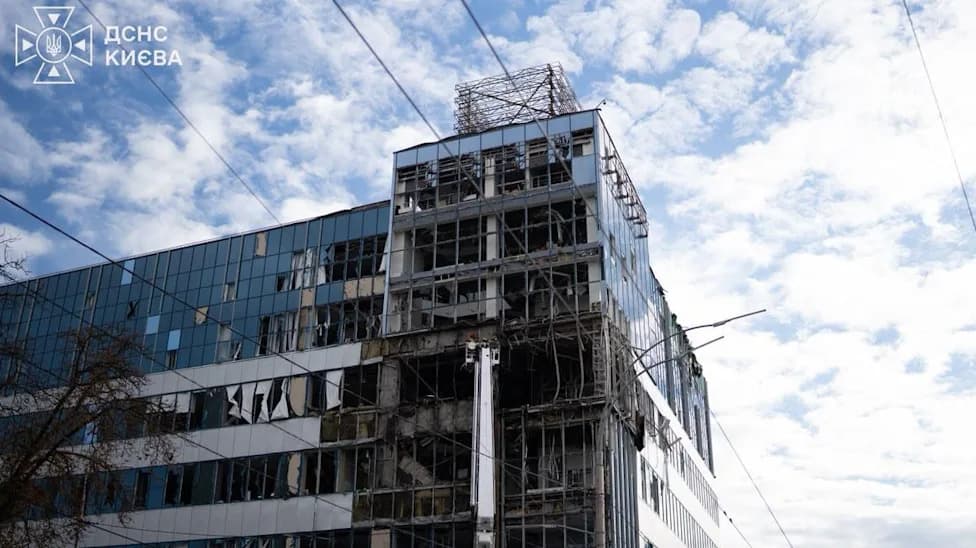
Epstein abuse survivor Annie Farmer holds up a photo of her younger self with her sister Maria Farmer during a news conference with lawmakers on the Epstein Files Transparency Act outside the U.S. Capitol on November 18, 2025. - Heather Diehl/Getty Images
Editor’s Note: This story contains graphic and disturbing descriptions of sexual violence.
The Justice Department's partial release of files related to Jeffrey Epstein has produced a significant validation for survivor Maria Farmer and her sister, Annie: an FBI record from 1996 describes a criminal complaint that Maria Farmer's attorney says was filed by her client decades ago.
Although the complainant's name is redacted in the released document, Jennifer Freeman, the lawyer for Maria Farmer, told CNN that the record refers to her client. The document's 'facts of complaint' section says the woman, who identified herself as a professional artist, had taken photographs of her underage sisters for her personal artwork.
Epstein stole the photos and negatives and is believed to have sold the pictures to potential buyers. Epstein at one time requested [redacted] to take pictures of young girls at swimming pools. Epstein is now threatening [redacted] that if she tells anyone about the photos he will burn her house down.
The release was stamped September 3, 1996, and underscores that Epstein was on law enforcement's radar years before the federal and state prosecutions in New York and Florida.
Hours after the files went public, however, many survivors expressed frustration. Several people close to victims told CNN they struggled to use the Justice Department's online 'Epstein Library' to find records about their own allegations. Survivors said the archive's search tools were difficult to navigate, and that many could not locate corroborating documents, statements or communications they expected to find.
Epstein survivor Jess Michaels said she spent hours trying to find her victim impact statement and records of her communications after calling the FBI tip line. 'I can't find any of those,' she told CNN. 'Is this the best that the government can do? Even an act of Congress isn't getting us justice.'
Freeman said Maria Farmer's original complaint was one of the key documents she planned to locate when the files were released. She said she still seeks clarity about what investigators did after the complaint was filed and why decisive action apparently was not taken. 'Why didn't they act to stop this?' Freeman asked in an email to CNN.
It remains unclear from the released files what steps, if any, law enforcement took in response to the 1996 complaint. CNN has contacted the FBI for comment.
In a statement from Maria Farmer's law firm, the accuser said the FBI had 'failed' her and other victims over the years. Annie Farmer, who has said she was 16 when Epstein and his associate Ghislaine Maxwell abused her, described seeing the document 'in writing' as powerful and painful. Annie Farmer was the fourth and final accuser to testify at Maxwell's sex-trafficking trial.
The partial release has renewed calls from survivors and advocates for clearer, more accessible disclosures that allow victims to find and confirm records related to their cases and to understand what, if any, investigative steps were taken after early complaints were filed.
Help us improve.