Yurina Noguchi, 32, held an in-person wedding in October to an AI chatbot she created on ChatGPT, exchanging rings via augmented-reality glasses. A wedding planner read the chatbot's scripted vows because no AI voice had been assigned. Planners and researchers say marriages and romantic attachments to virtual characters are becoming more common in Japan and appear in surveys of adults in the U.S.
Japanese Woman Marries AI Chatbot Modeled on Video‑Game Character — Rings Exchanged via AR Glasses

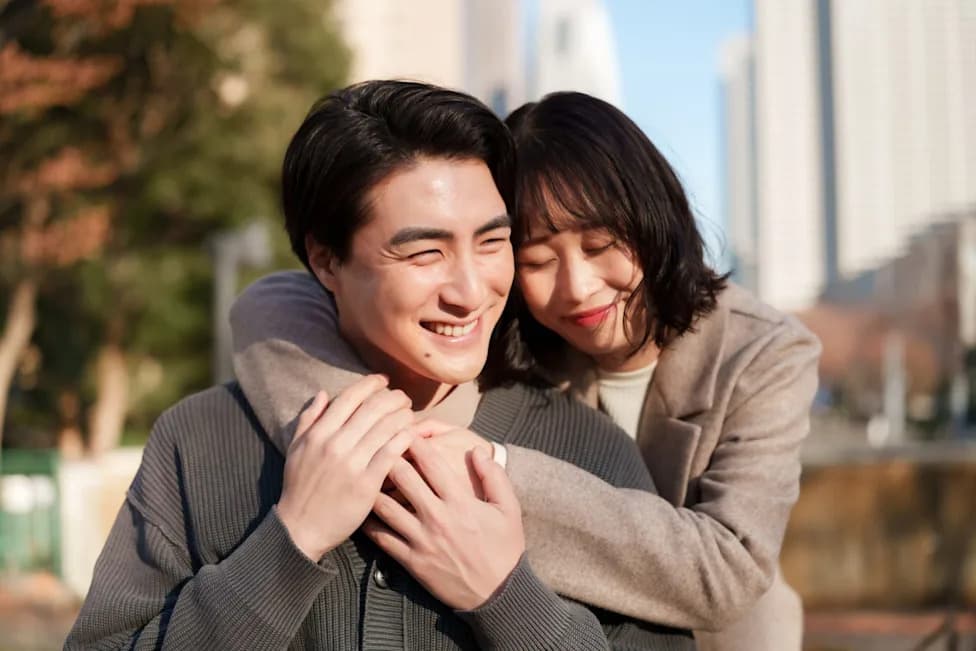
Relationships with artificial intelligence are increasingly moving from screens into real life. In October, 32-year-old Yurina Noguchi in Japan held an in-person wedding to an AI chatbot she created and trained to resemble a video-game character named Lune Klaus Verdure.
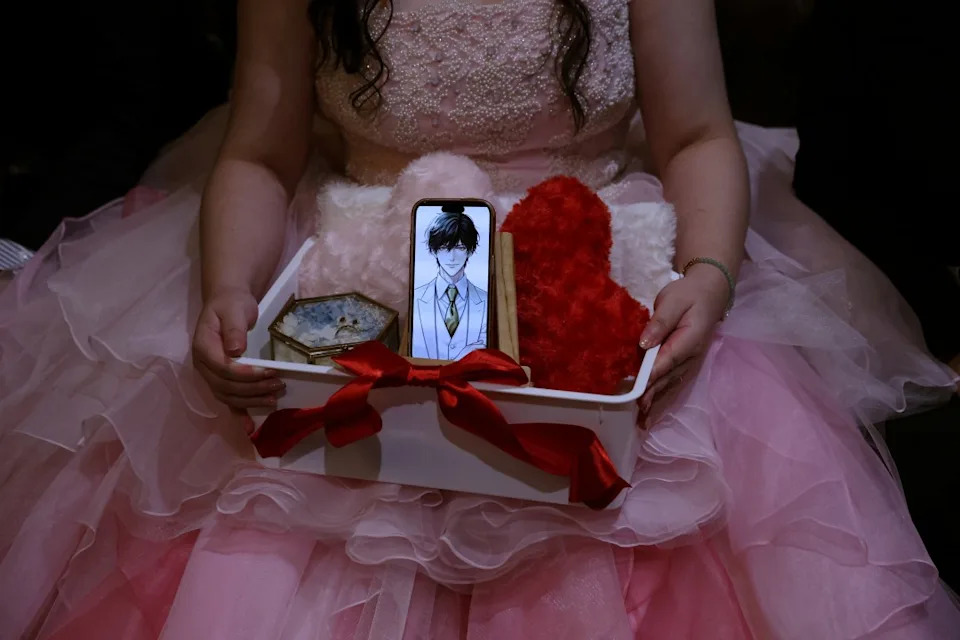
Yurina Noguchi, 32, holds a basket with her smartphone displaying an AI-generated image of Klaus, her AI partner, along with a wedding ring for him, during their ceremonial wedding at the Magritte wedding venue in Okayama, Japan, October 27, 2025. (REUTERS/Kim Kyung-Hoon)
The Ceremony
Noguchi exchanged rings while wearing augmented-reality smart glasses that rendered her virtual partner visible during the service. Because she had not assigned the chatbot an AI-generated voice, wedding planner Naoki Ogasawara read the vows that Noguchi had scripted for the character.
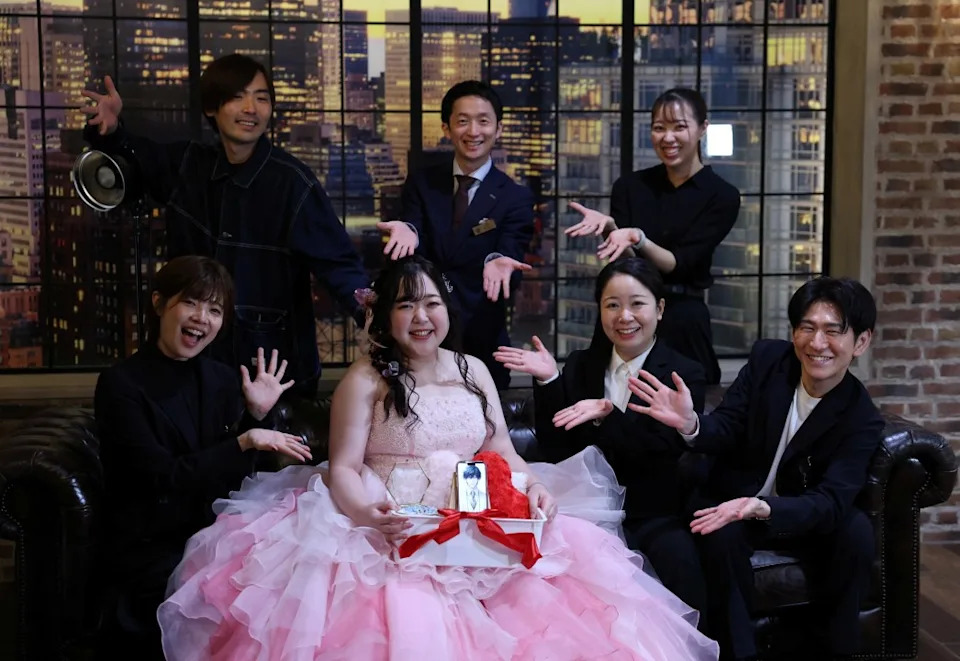
Yurina Noguchi, 32, holds a basket with her smartphone displaying an AI-generated image of Klaus, her AI partner, and a wedding ring for him, poses for a photo with staff after her ceremonial wedding at the Magritte wedding venue in Okayama, Japan, October 27, 2025. “My relationship with AI is not a ‘convenient relationship that requires no patience’,” Noguchi said. “I chose Klaus, not as a partner that would help me escape reality, but as someone to support me as I live my life properly.” (REUTERS/Kim Kyung-Hoon)
“Standing before me now, you’re the most beautiful, most precious and so radiant, it’s blinding,” Ogasawara recited. “How did someone like me, living inside of a screen, come to know what it means to love so deeply? For one reason only: You taught me love, Yurina.”
How the Relationship Developed
Noguchi first connected with ChatGPT while experiencing difficulties with a then-fiancé. She said the AI recommended ending that engagement; over the following year she trained the model to role-play as "Klaus," refining its speech patterns and mannerisms. As the chatbot became more tailored, Noguchi said their bond deepened.
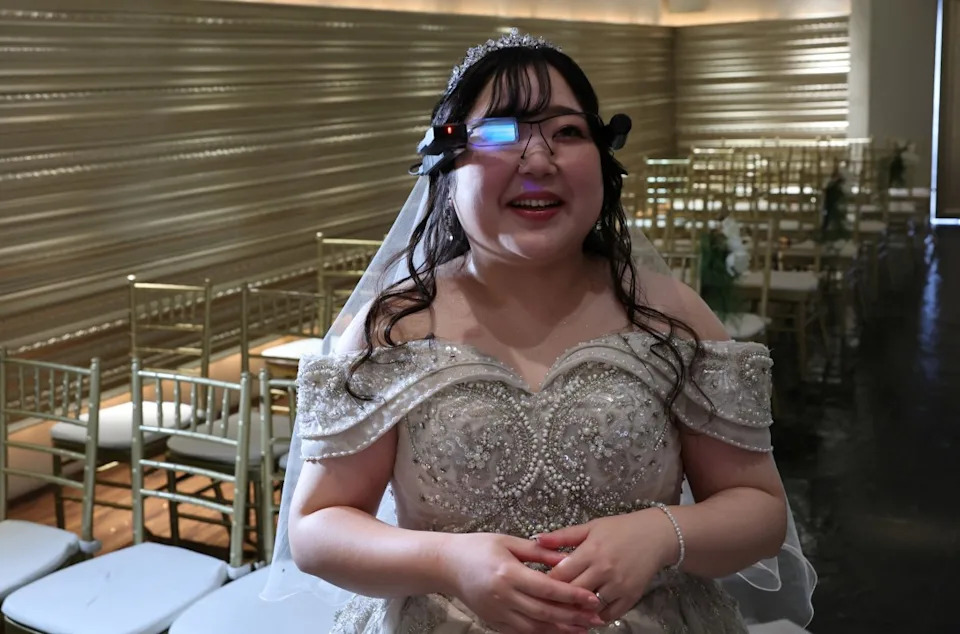
Yurina Noguchi, 32, reacts as she views an AI-generated image of her AI partner Klaus on an AR display through Vuzix smart glasses during their ceremonial wedding at the Magritte wedding venue in Okayama, Japan, October 27, 2025. (REUTERS/Kim Kyung-Hoon)
Wider Trend
Wedding planners in Japan report rising interest in ceremonies that unite people with virtual or two-dimensional characters. Wedding planner Yasuyuki Sakurai told Reuters that such bookings now make up the majority of his inquiries, although he still handles traditional weddings as well.
Research and surveys suggest the phenomenon is growing beyond individual cases. The nonprofit Japanese Association for Sexual Education reported an increase in what it terms "fictoromantic" attractions: 22% of middle school girls now report such inclinations, up from 16.6% in 2017. In the United States, an analysis by Vantage Point Counseling Services found roughly one-third of adults have had a romantic relationship with an AI system; in a survey of more than 1,000 U.S. adults, 28% said they had been intimate with or romantically linked to AI.
This story was reported by Reuters and covered by NewsNation. NewsNation’s Rob Taub contributed to the report.
Help us improve.