The author, a resident of East Palestine, recounts the 149-car hazardous-materials derailment that forced evacuations and left lasting harm. Train derailments occur about three times daily, and many effective safety measures have been weakened under industry pressure. The piece urges Congress to pass a strong Railway Safety Act, mandate modern braking systems, support close-call reporting and replace unsafe tank cars to prevent future disasters.
Without Rail Reform, Your Town Could Be the Next East Palestine — What Must Change Now

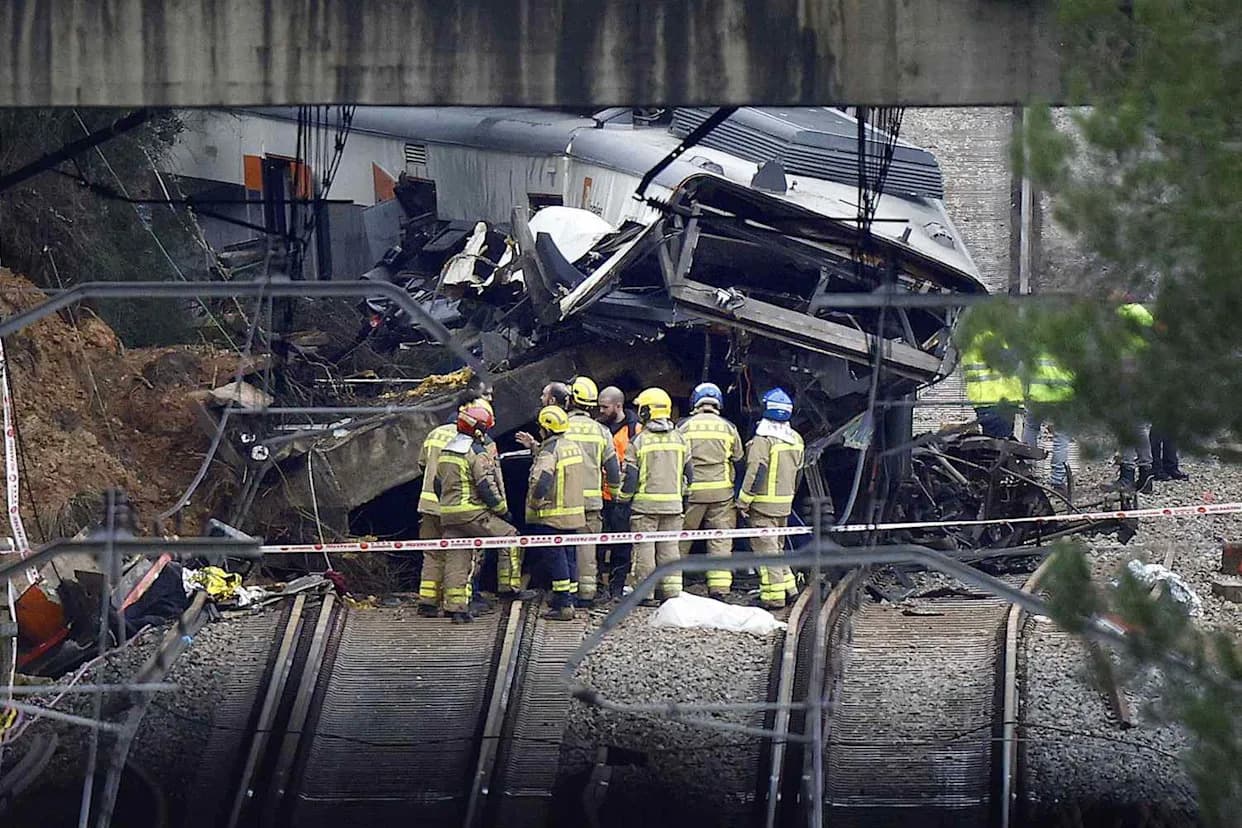
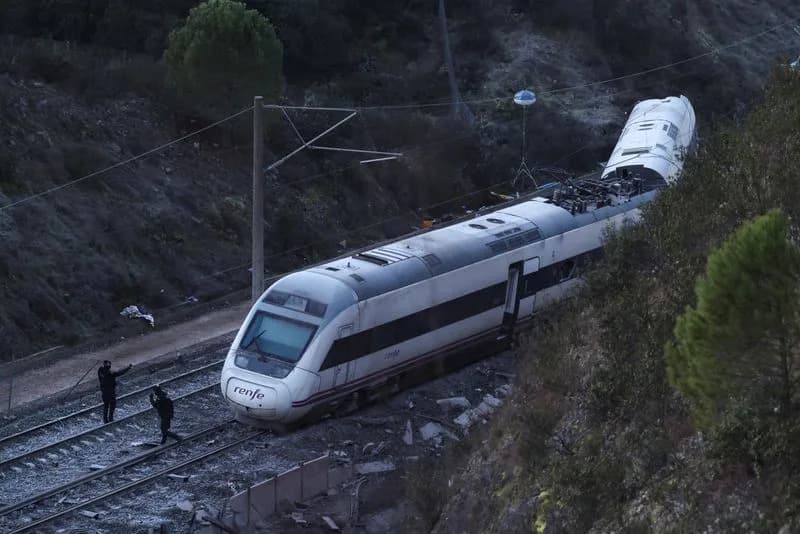
Three years ago, on a quiet night in East Palestine, Ohio, a 149-car freight train pulled by three locomotives and loaded with toxic chemicals derailed. The derailment forced families to evacuate as children and adults coughed and vomited for hours. The physical, emotional and economic wounds remain — and so does the fear that another community could suffer the same fate.
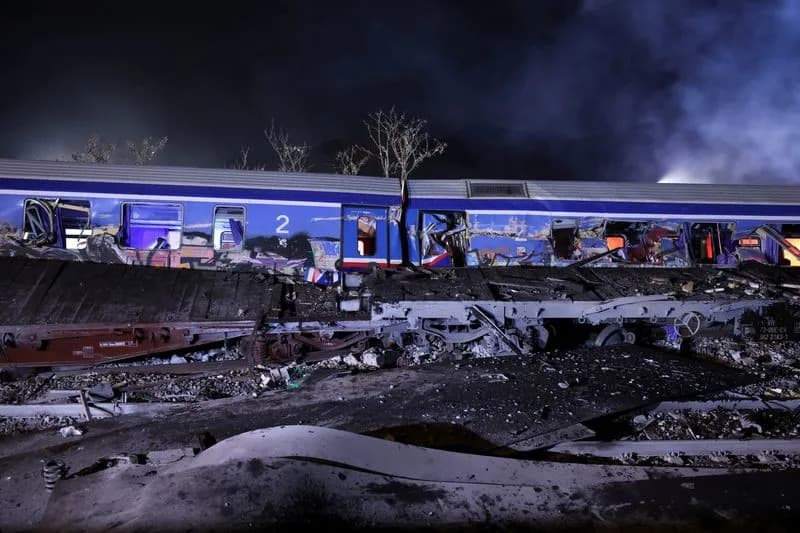
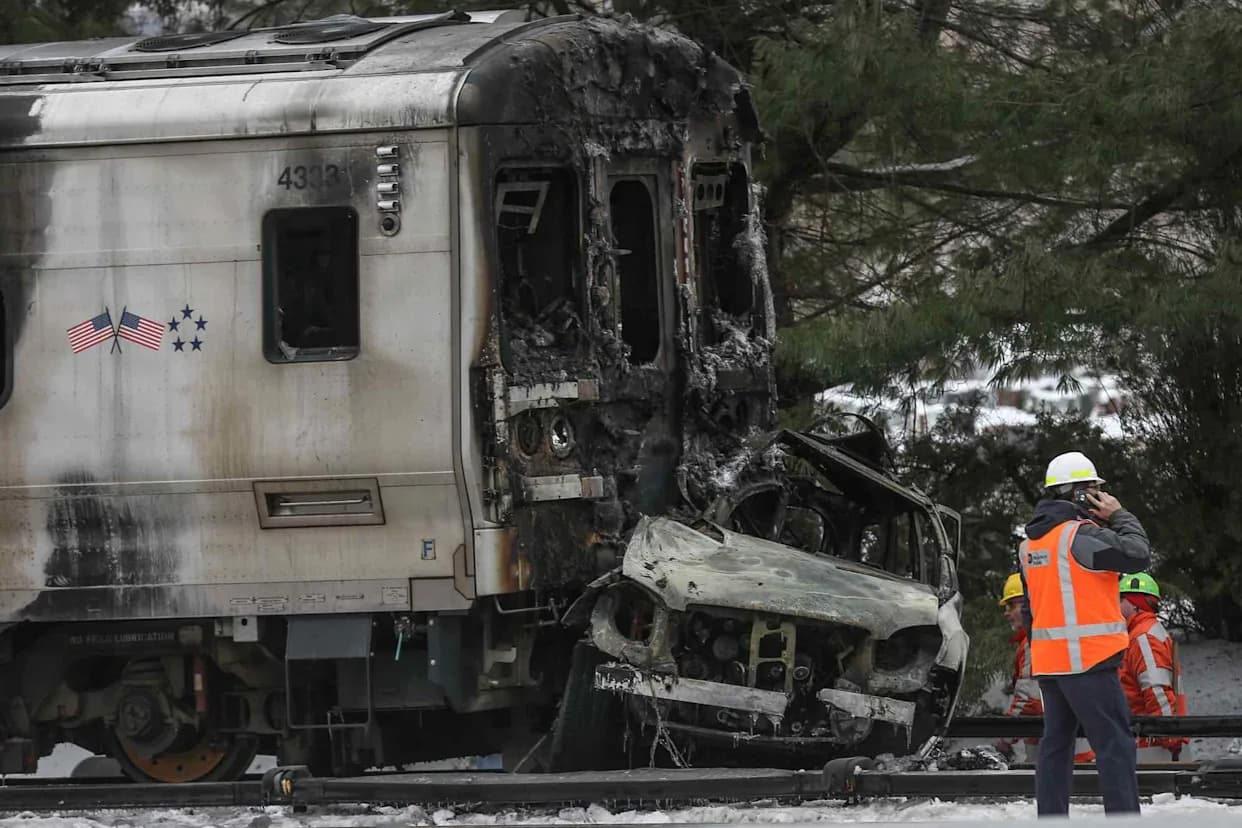
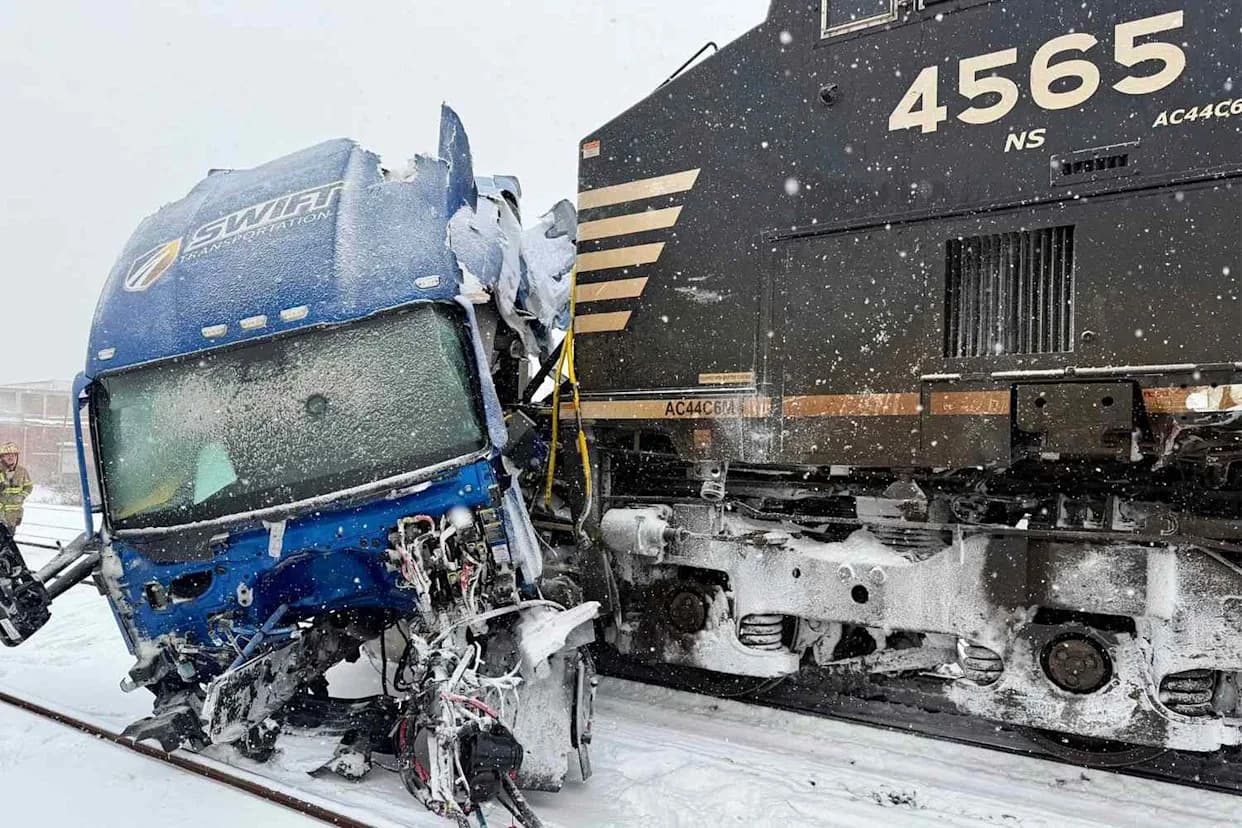
The truth is stark: train derailments occur on average three times a day. Many of the safety systems that could prevent catastrophic releases are proven, available and affordable — yet they remain inconsistently used or have been rolled back under industry pressure. That gap between available technology and current practice is what keeps communities at risk.
What Went Wrong — And What Could Have Prevented It
After the East Palestine derailment, public hearings and proposals followed. The Railway Safety Act of 2023 proposed commonsense measures: two-person crews, improved electronic monitoring, modern braking technology, more inspections, tougher penalties and clearer hazardous-materials notifications. Initially, rail carriers made some commitments, and Norfolk Southern implemented several safety changes.
But many promises unraveled. Apart from Norfolk Southern, several Class I railroads backed away from close-call reporting programs, lobbied to reduce crew sizes even as trains grew longer, and resisted mandates for modern braking systems.
One key missing element is widespread adoption of electronically controlled pneumatic (ECP) brakes, which stop trains more quickly and evenly than antiquated systems that date back to the 19th century. ECP brakes and other modern safety technologies were once required but were weakened or repealed under industry pressure — leaving incentives misaligned and risk elevated.
Practical Steps That Would Reduce Risk
Alongside urgent federal legislation, several practical actions can materially reduce the danger railroads pose to nearby communities:
- Pass Strong Federal Law: Approve a comprehensive Railway Safety Act modeled on the 2023 proposal without delay.
- Mandate Modern Brakes: Require electronically controlled pneumatic (ECP) brakes or equivalent modern systems on trains carrying hazardous materials.
- Support Close-Call Reporting: Require confidential close-call reporting programs like those used in aviation to surface hazards before they cause disasters.
- Equip First Responders: Encourage and fund use of AskRail so emergency crews get real-time hazardous cargo data when responding to incidents.
- Retire Unsafe Tank Cars: Replace vulnerable DOT-111 and CPC-1232 tank cars — models that have ruptured in previous derailments — with safer designs.
- Increase Transparency and Enforcement: Strengthen inspections, notification rules and penalties so safety standards are actually followed.
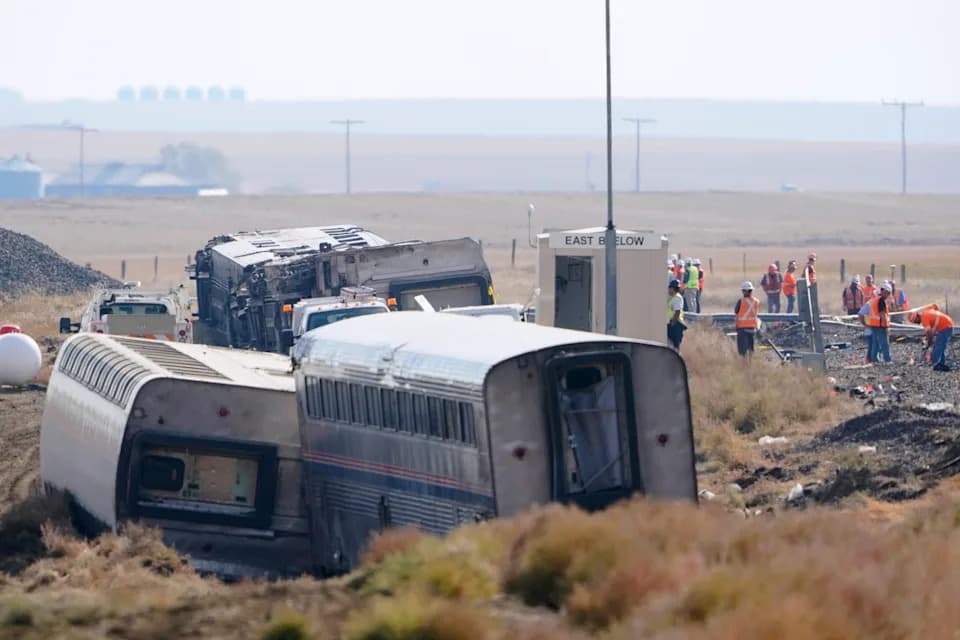
History shows the consequences of inaction. In Lac-Mégantic, Quebec, in 2013, a runaway train with outdated tank cars and a one-person crew led to an explosion that killed 47 people. Thousands of similarly vulnerable tank cars remain in service across the United States.
A Local Issue With National Reach
Rail lines touch communities across the country. The National League of Cities reports that roughly 12,000 of the nation’s ~19,000 municipalities are served by railroads, and more than 80 million Americans live near Class I rail lines. This is not just an East Palestine problem — it could be your town next.
Congress must act now to pass robust rail safety reform. Combined with transparent practices, upgraded equipment and better emergency response tools, the reforms would significantly reduce the risk of another chemical release and protect public health, property and the environment.
Jess Conard is the founder of Rail Watch, a community rail safety service based in East Palestine, Ohio.
Help us improve.