Summary: President Trump announced a blockade of "sanctioned oil tankers" to and from Venezuela and touted a major naval buildup in the Caribbean, framing the move as an attempt to recover oil and other assets. Experts say Venezuela’s past nationalizations do not equate to theft and that expropriation claims are handled through international arbitration. Analysts also question the timing: the U.S. has high domestic oil output, prices are relatively low, and long-term demand may be leveling as clean energy rises.
Trump’s Blockade of Venezuelan Oil Tankers Raises Neocolonial Concerns

Trump’s open bid for oil from Venezuela reeks of neocolonialism
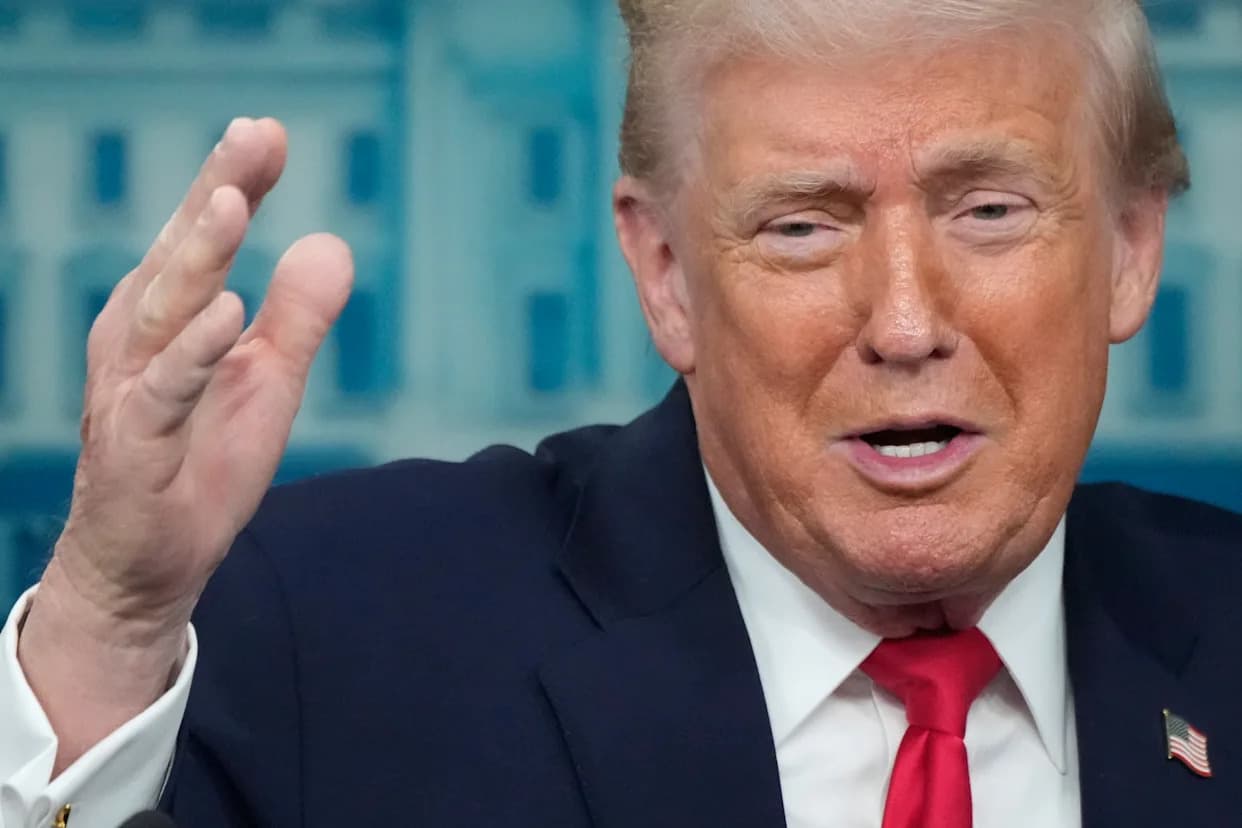
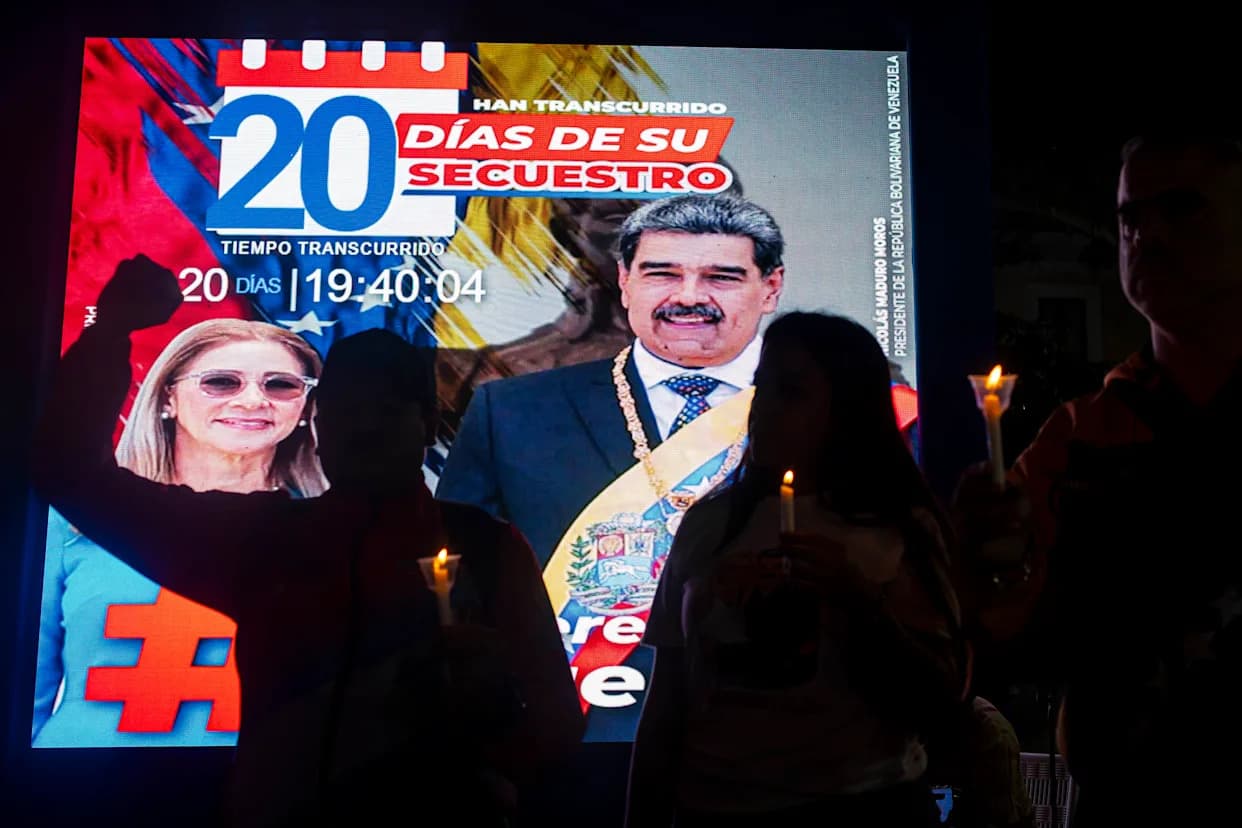
President Donald Trump escalated pressure on Venezuela by announcing a blockade of all "sanctioned oil tankers" entering and leaving the country and highlighting an expanded U.S. naval presence in the Caribbean. His public comments framed the campaign as an effort to reclaim oil, land and other assets he said were "stolen," prompting critics to label the rhetoric neocolonial.
What Trump Said
"Venezuela is completely surrounded by the largest Armada ever assembled in the History of South America," Trump posted on Truth Social, and added that pressure would continue until "they return to the United States of America all of the Oil, Land, and other Assets that they previously stole from us." He later told reporters: "We had a lot of oil there. As you know, they threw our companies out. And we want it back."
Historical Context
The likely reference is to Venezuela's long-running nationalization of its oil industry beginning in the 1970s and accelerating under successive governments, culminating in the creation and constitutional entrenchment of the state oil company Petróleos de Venezuela, S.A. (PDVSA). Western firms were converted into minority partners or were bought out as Caracas asserted control over its natural resources.
Legal and Expert Views
Experts note that nationalization and expropriation disputes are handled through international arbitration; they reject the simple claim that Venezuela "stole" U.S. oil. As David Goldwyn of Goldwyn Global Strategies told The Washington Post, "Venezuela’s natural resources never belonged to the United States," and while expropriation claims have been litigated, there is no legal basis for calling the oil U.S. property.
Global Comparisons
State takeovers of resource industries were common in the 20th century: Mexico nationalized oil in 1938, and Saudi Arabia progressively limited foreign company control in the 1970s–80s. These moves reflected sovereign efforts to retain greater shares of revenue from domestic resources.
Timing and Strategic Questions
Analysts have questioned the strategic rationale for pressing to secure Venezuelan oil. The United States currently has large domestic oil production, global prices are lower than in recent years, and long-term demand may plateau as clean-energy investment grows. Karthik Sankaran of the Quincy Institute has argued that, even ignoring ethical concerns, these market realities weaken any pragmatic case for risking conflict to seize Venezuelan oil.
Why Critics Call It Neocolonial
Critics say Trump's framing mixes national-security language with an explicit economic entitlement to another country's resources. That combination — asserting a right to another nation’s natural assets and using military pressure to pursue them — echoes historical patterns associated with neocolonial intervention.
Implications
The public rhetoric raises legal, diplomatic and ethical questions about the use of military and economic pressure to influence resource control. International arbitration and diplomatic channels remain the recognized routes for resolving expropriation disputes; unilateral blockades and the suggestion of reclaiming resources by force risk escalating tensions and undermining international norms.
Sources: reporting from The New York Times and The Washington Post, and commentary from geoeconomics analysts and policy researchers.
Help us improve.