Purdue University's monthly survey of roughly 1,200 people finds about 14% of respondents experienced food insecurity on average from January through October, up from 12.5% last year. The study defines food insecurity as being unable to afford balanced meals or skipping meals for financial reasons. Drivers include higher grocery costs, lingering inflation and reduced SNAP access, while the USDA estimates 30–40% of food is wasted. Purdue says it will keep monitoring trends after the USDA canceled its annual Household Food Security survey.
Purdue Study: U.S. Food Insecurity Rises to About 14% — Who’s Most at Risk

New research from Purdue University's Center for Food Demand Analysis and Sustainability finds that food insecurity in the United States increased this year compared with last year, reinforcing concerns about household finances and access to food.
Study Details
Researchers conducted monthly interviews with roughly 1,200 people from January through October. On average, about 14% of respondents were experiencing food insecurity at any given time during that period, up from 12.5% the year prior.
How Food Insecurity Is Defined
Food insecurity in the study refers to any household member being unable to afford balanced meals, eating less than normal, or skipping meals for financial reasons.
What's Driving the Increase?
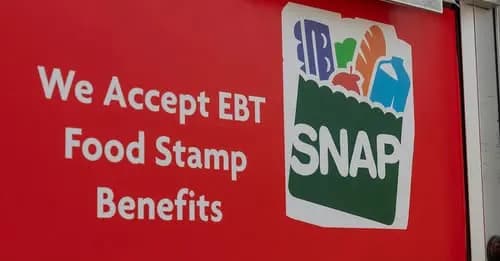
Several factors are cited as contributors: higher grocery costs, lingering inflation that keeps prices elevated relative to pre-pandemic levels, and reduced access to some Supplemental Nutrition Assistance Program (SNAP) benefits for certain households. These pressures make it harder for households that were already close to the margin to cover food expenses.
Food Waste and Systemic Strain
At the same time, the U.S. Department of Agriculture estimates that roughly 30%–40% of the nation's food supply is wasted. That disconnect — rising food insecurity amid high levels of food loss — highlights inefficiencies and potential areas for policy and community intervention.
Data Gaps and Ongoing Monitoring
In September, the USDA announced it was canceling its annual Household Food Security survey, calling it "redundant, costly, politicized and extraneous," according to reporting. Baylor University economist Craig Gundersen has noted that the USDA survey has long been viewed as a gold standard for food security measurement. Purdue researchers say they will continue tracking trends to help inform policymakers and the public.
What Households Can Do
Households looking to stretch food budgets and reduce waste can consider practical steps: plan meals, buy in-season or discounted surplus items, freeze extras, use community food resources when needed, and review eligibility for nutrition assistance programs. Some online platforms and local food recovery programs also offer discounted surplus groceries that would otherwise be discarded.
Bottom line: The recent Purdue findings suggest a modest but meaningful rise in food insecurity nationwide, underscoring ongoing economic pressures and the importance of policy and local responses to ensure access to affordable, nutritious food.
Help us improve.